Puppy Training Tips for Kids: A Fun & Safe Guide for Families
Discover essential puppy training tips for kids. Learn how children and puppies can bond safely through fun, easy, and effective training exercises.
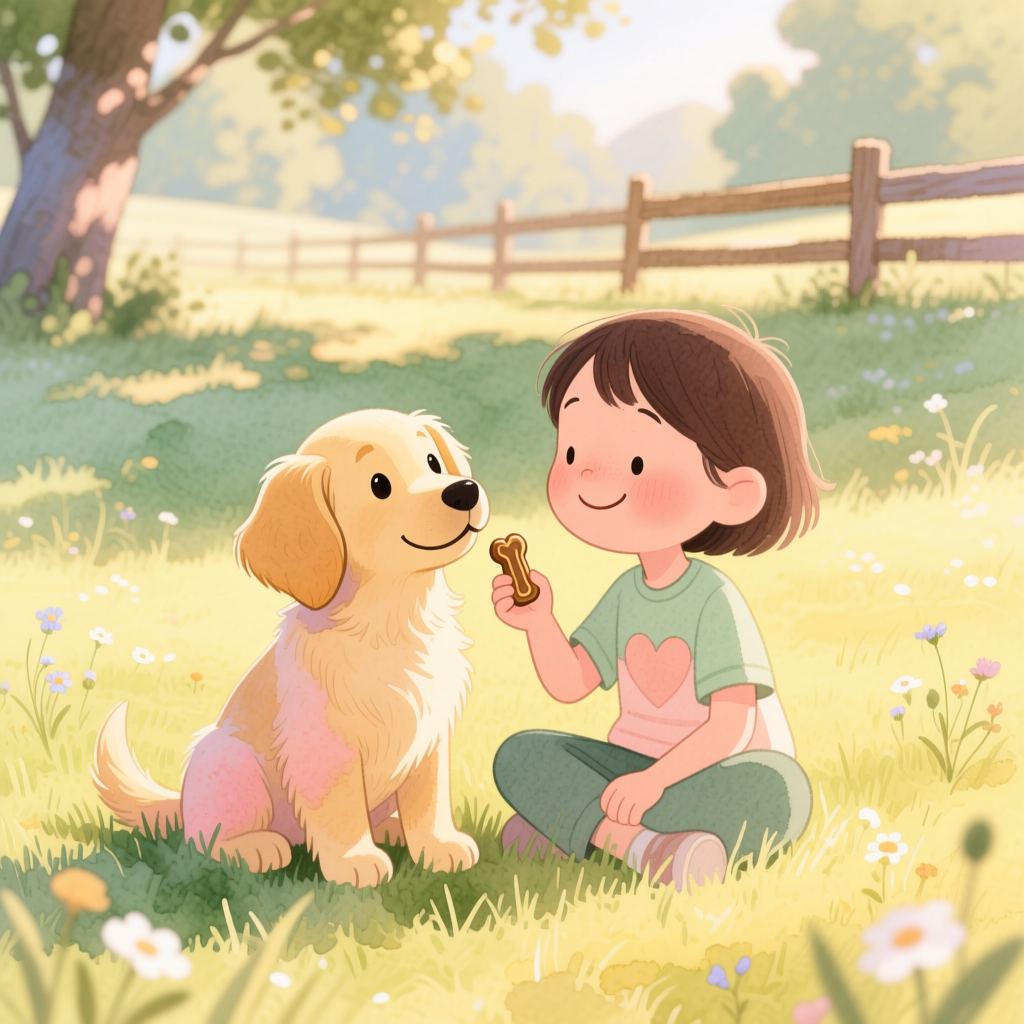
Bringing a new puppy into a home with children is a truly magical experience. The bond that forms between a child and a dog can be one of the most rewarding relationships in their lives, teaching empathy, responsibility, and unconditional love. However, a successful and harmonious relationship does not happen by accident. It requires guidance, patience, and proper training. Puppies are not born knowing the rules of the house, and children are not born knowing how to train a dog. Without proper supervision and education, interactions can quickly become frustrating or even unsafe for both the child and the pet.
This comprehensive guide bridges the gap between enthusiastic kids and energetic puppies. By turning training into a fun, structured, and positive experience, you can empower your children to become active participants in raising a well-behaved family dog. Whether you are looking for basic obedience exercises or interactive games, these puppy training tips for kids will help your family build a foundation of trust and mutual respect. For a broader overview of foundational skills, be sure to check out our guide on basic dog commands.
Setting the Stage: Preparing Kids and Puppies for Success
Before any actual training begins, both the child and the puppy need to understand the environment and each other. Puppies communicate primarily through body language, and young children often misinterpret these signals. Setting the stage for success means creating a safe, predictable environment where both can thrive.
Understanding Puppy Body Language
Children are naturally expressive, but they need to learn how to read their puppy’s subtle cues. Teach your child to recognize the difference between a happy puppy and a stressed puppy. A happy puppy will have a relaxed, wiggly body, soft eyes, and might offer a “play bow” (front elbows on the ground, rear end in the air). Conversely, a stressed or overwhelmed puppy might yawn when not tired, lick its lips repeatedly, tuck its tail, or show the whites of its eyes (known as “whale eye”). Teaching kids to respect these stress signals prevents bites and builds deep empathy.
Establishing Safe Zones
Every puppy needs a sanctuary—a place where they can retreat for peace & quiet when the household gets too loud or chaotic. This is usually their crate or a designated puppy pen. Establish a strict rule with your children: when the puppy is in their safe zone, they are invisible. Kids must not reach into the crate, poke the puppy, or disturb them while they are sleeping. For more on creating a positive den experience, read our article on puppy crate training.
The Golden Rule of Supervision
No matter how gentle your child is or how sweet the puppy seems, they should never be left alone together. Puppies explore the world with their teeth, and a sudden nip can cause a child to react unpredictably, which can escalate the situation. Always be present to coach, guide, and intervene if necessary.
Fun and Easy Commands Kids Can Teach
Kids love to feel involved and capable. Teaching them to give commands builds their confidence and establishes them as respected, positive figures in the puppy’s life. Start with these foundational commands, ensuring your child uses a happy, encouraging tone of voice.
Step-by-Step: Teaching “Sit”
The “sit” command is the gateway to all other training. It is easy for children to execute and gives the puppy a default polite behavior.
- Prep the Treats: Have your child hold a small, smelly training treat between their thumb and index finger.
- Lure the Nose: Instruct your child to hold the treat right at the puppy’s nose.
- Move Up and Back: Slowly move the treat up and slightly back over the puppy’s head. As the puppy’s nose follows the treat up, their bottom will naturally go down.
- Mark and Reward: The exact second the puppy’s bottom touches the floor, the child should say “Yes!” and give the treat.
Step-by-Step: Teaching “Come” (Recall)
Recall is a vital safety command. It should always be associated with high-value rewards and joy. Never let a child use the “come” command to call the puppy over for something the puppy dislikes, like a bath or nail trim. For advanced recall strategies, explore our guide on teaching recall.
- Start Close: Have the child stand just a few feet away from the puppy.
- Use an Exciting Voice: The child should say the puppy’s name followed by “Come!” in a bright, cheerful tone.
- Encourage Movement: The child can clap their hands or take a few steps backward to trigger the puppy’s instinct to follow.
- Reward Heavily: When the puppy arrives, the child should offer a jackpot of treats and lots of verbal praise.
Step-by-Step: Teaching “Drop It”
This command is crucial for safety, ensuring the puppy releases dangerous items or favorite toys without a tug-of-war. Teach your child the concept of “trading up.”
- Engage with a Toy: Let the puppy play with a low-value toy.
- Present a High-Value Treat: The child should hold a delicious treat right in front of the puppy’s nose.
- Mark the Release: When the puppy opens its mouth to eat the treat, the child says “Yes!” and feeds the treat.
- Add the Cue: Once the puppy understands the trade, the child can start saying “Drop It” right before presenting the treat.
Interactive Games That Double as Training
Training doesn’t have to look like rigid drills. In fact, puppies learn best when they are having fun. By turning exercises into games, kids can burn off the puppy’s excess energy while secretly reinforcing obedience and impulse control.
Hide and Seek
This game is fantastic for reinforcing the “come” command and providing mental stimulation. Have your child tell the puppy to “sit” and “wait” (or have a parent gently hold the puppy’s collar). The child then hides in an easy-to-find spot, like behind a door or a piece of furniture. The child calls the puppy’s name and says “Come!” When the puppy finds them, they are rewarded with a treat, a quick game of tug, or enthusiastic petting. As the puppy gets better, the child can choose harder hiding spots.
The Name Game
Teaching a puppy to focus on their handler is a critical skill, especially in distracting environments. The Name Game helps build this focus. The child sits on the floor with a handful of treats. Every time the puppy voluntarily looks at the child’s eyes, the child says “Yes!” and delivers a treat. To make it more interactive, the child can say the puppy’s name, and when the puppy makes eye contact, they mark and reward. This teaches the puppy that paying attention to the child is the most rewarding activity in the room.
Fetch with Rules (Impulse Control)
Fetch is a classic game, but it can easily turn into a chaotic jumping session if not managed. Teach your child to use fetch to practice impulse control. The child holds the ball and asks the puppy to “sit.” The puppy must remain seated while the child winds up their arm. If the puppy breaks the sit, the child stops and waits for the puppy to sit again. Once the puppy is calm and seated, the child releases the ball. This teaches the puppy that calmness and obedience are the keys to getting what they want.
Essential Tips for Parents Supervising the Process
As a parent, you are the ultimate coach. Your role is to set both your child and the puppy up for success, ensuring that training sessions remain positive and productive. Here are essential tips for managing the process.
- Keep Sessions Short: Puppies have incredibly short attention spans, often maxing out at 5 to 10 minutes. Similarly, young children can lose focus quickly. Keep training sessions brief, upbeat, and end on a high note before either the child or the puppy gets frustrated.
- Praise the Child and the Puppy: Positive reinforcement isn’t just for dogs. When your child gives a clear command, waits patiently, or handles a mistake gracefully, praise them! Acknowledging their good handling skills builds their confidence and encourages them to keep trying.
- Manage the Environment: Set your child up for success by training in a quiet, distraction-free room. If the TV is on, other pets are running around, or there are toys scattered on the floor, the puppy will struggle to focus on the child’s cues.
- Prep the Treats in Advance: Fumbling with treat bags can break a puppy’s focus and frustrate a child. Before the session starts, help your child load a training treat pouch or place a handful of treats in a small bowl nearby. This keeps the flow of the training smooth and professional.
- Create a Training Journal: Make a fun, colorful chart where your child can track the commands they practiced and the successes they achieved. This adds an element of gamification for the child and helps you monitor the puppy’s progress over time.
Common Mistakes to Avoid When Kids Train Puppies
Even with the best intentions, kids can accidentally develop bad habits that confuse the puppy. Being aware of these common pitfalls will help you guide your child toward better training techniques. For a deeper dive into reward-based methods, read our comprehensive guide on positive reinforcement dog training.
Inconsistent Commands
Children often use different words for the same behavior, or use the same word for different behaviors. For example, a child might say “down” when they want the puppy to lie down, but also yell “down!” when the puppy jumps on the couch. This is incredibly confusing for a dog. Help your child choose one specific word for each command and ensure the whole family sticks to the agreed-upon vocabulary.
Repeating the Command (The Poisoned Cue)
If a puppy doesn’t listen immediately, a child’s natural instinct is to repeat the command: “Sit. Sit. Sit, sit, sit.” This teaches the puppy that the command is actually “sit-sit-sit-sit,” and that they don’t need to respond to the first word. Teach your child the “say it once and wait” rule. If the puppy doesn’t respond, the child should reset the puppy’s attention, perhaps by taking a step back, and try the single command again.
Punishing or Yelling at the Puppy
Children can become easily frustrated if the puppy isn’t listening, leading to yelling or physical corrections like jerking the leash. This destroys the puppy’s trust and can lead to fear-based aggression. Teach your child that training is about showing the puppy what to do, not punishing them for what they did wrong. If frustration builds, it is time to take a break.
Overstimulating the Puppy
Kids tend to be loud, fast, and erratic. While this is wonderful for playtime, it can overstimulate a puppy, leading to hyperactivity and nipping. If the puppy starts biting the child’s hands or clothes, the game has become too rough. Teach your child to become a “tree”—standing completely still, folding their arms, and looking away—until the puppy calms down. For more strategies on managing this behavior, check out our guide on puppy biting and nipping.
Frequently Asked Questions (FAQ)
What age is appropriate for a child to start training a puppy?
Children as young as four or five can participate in basic training exercises, such as luring a “sit” or playing the Name Game, provided they are closely supervised by an adult. Older children, typically eight and up, can take on more responsibility, such as holding the leash, managing the treat pouch, and practicing commands in slightly more distracting environments. The key is matching the complexity of the task to the child’s developmental stage and physical capability.
How long should a training session last for a kid and a puppy?
For young puppies and young children, training sessions should be incredibly brief—usually between 3 to 5 minutes. Puppies have limited attention spans and can easily become overtired or overstimulated, which leads to nipping and a refusal to work. It is much better to do three 5-minute sessions spread throughout the day than one grueling 15-minute session that ends in tears and frustration.
What should my child do if the puppy bites or nips during training?
Nipping is a normal puppy behavior, but it must be managed carefully around children. Teach your child to never pull their hand away quickly, as this triggers the puppy’s prey drive and encourages chasing. Instead, the child should freeze completely, become boring, and say a calm “Oops” or “Too bad.” Once the puppy releases and calms down, the child can redirect the puppy’s mouth to an appropriate chew toy. If the puppy remains overly mouthy, the session should end immediately, and the puppy should be placed in their safe zone for a nap.
Can kids be responsible for feeding the puppy as part of training?
Absolutely! Hand-feeding the puppy their daily kibble is one of the most powerful training tools available. It teaches the puppy that good things come from the child’s hands, building a strong bond and preventing resource guarding. Your child can ask the puppy to “sit” or “look at me” before offering a small handful of their daily meal. This turns a mundane daily chore into a highly rewarding, structured training opportunity.
How do I teach my child to respect the puppy’s sleep time?
Puppies need up to 18 to 20 hours of sleep a day to grow and process what they have learned. A sleep-deprived puppy is a cranky, bitey puppy. Explain to your child that puppies are like human babies; they need naps to grow big and strong. Use visual cues, such as a specific sign on the crate or a “do not disturb” hanger on the puppy pen, to indicate that the puppy is sleeping. Praise your child heavily when they choose to play quietly or read a book nearby instead of waking the resting puppy.
Raising a puppy alongside children is a beautiful journey that requires patience, consistency, and a lot of positive reinforcement. By equipping your kids with the right knowledge and turning training into a fun, daily adventure, you are not just raising a well-behaved dog; you are raising compassionate, responsible, and confident children. For more tips on choosing the right canine companion for your household, explore our guide to the best family dogs and start building a lifetime of wonderful memories together.
Tom Renshaw
All our authors care for dogs every day — read more of their work on the authors page.