The Ultimate Guide to Puppy Training Tips at Home
Discover effective puppy training tips at home. Learn step-by-step methods for potty training, crate training, basic commands, and socialization.
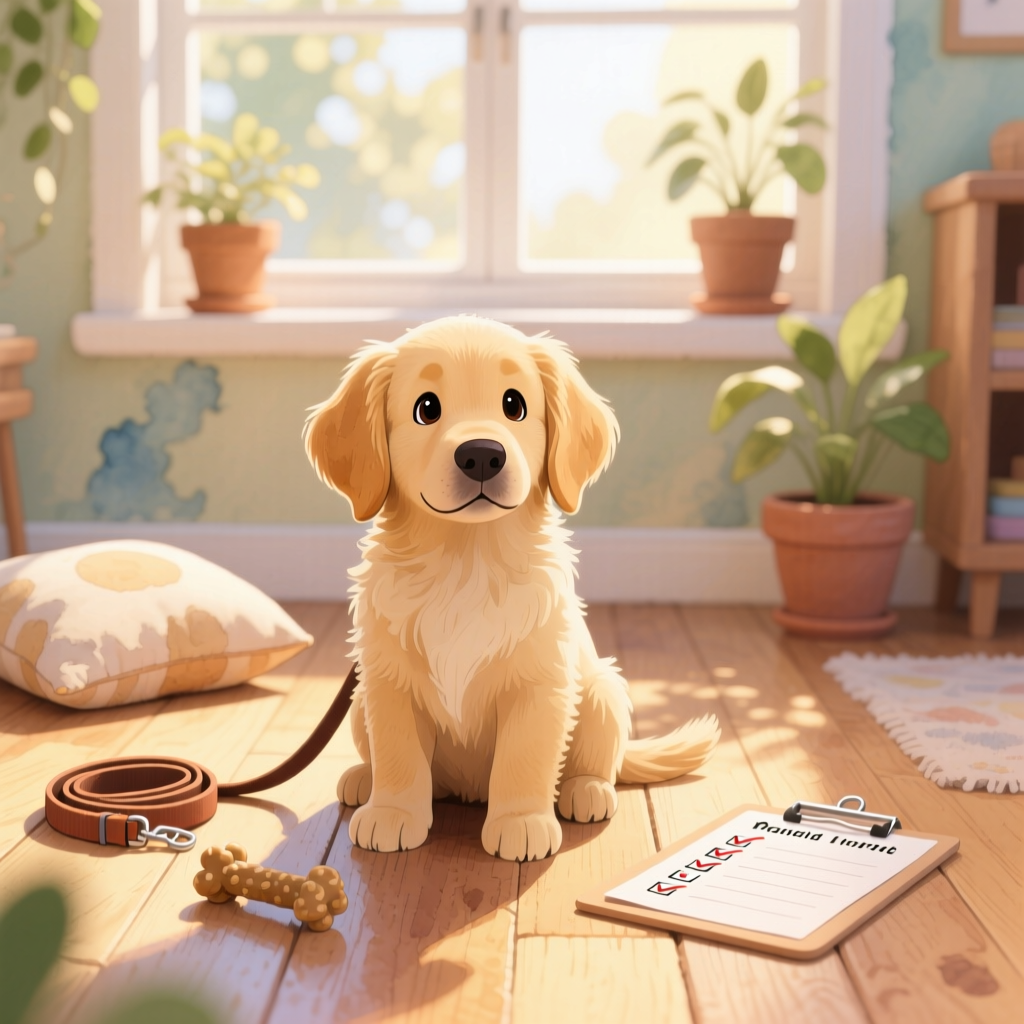
Welcoming a new puppy into your home is one of life's most joyful experiences. However, alongside the cuddles and playful antics comes the significant responsibility of shaping your new companion's behavior. Implementing effective puppy training tips at home is essential for raising a well-adjusted, obedient, and happy dog. Many new pet parents feel overwhelmed, assuming they need expensive classes or professional trainers right out of the gate. While professional help is valuable, the foundation of your dog's manners and obedience begins in your living room, kitchen, and backyard.
Training at home offers a controlled environment where your puppy can learn without the overwhelming distractions of the outside world. It also strengthens the bond between you and your pet, establishing you as a reliable, fair, and loving leader. In this comprehensive guide, we will walk you through the most critical aspects of early canine education, from potty training and crate acclimation to basic obedience and bite inhibition. Whether you have adopted a rambunctious Labrador Retriever or a sensitive Cavalier King Charles Spaniel, these foundational strategies will set your puppy up for lifelong success.
Setting Up Your Home for Puppy Success
Before you even begin teaching commands, your environment must be optimized for learning and safety. Puppies explore the world with their mouths and noses, meaning an unprepared home can quickly become a hazard zone and a source of frustration for both of you.
Puppy-Proofing Your Space: Get down on your hands and knees to see your home from your puppy's perspective. Secure loose electrical cords, remove toxic houseplants, and ensure that small objects like shoes, children's toys, and remote controls are out of reach. Use baby gates to block off stairs and rooms that are not yet puppy-safe.
Creating a Designated Puppy Zone: Establish a specific area where your puppy will spend time when you cannot actively supervise them. This could be a playpen or a gated-off section of a room with easy-to-clean floors. Equip this zone with their bed, water bowl, and a selection of safe chew toys. Having a designated space prevents your puppy from developing bad habits, such as chewing on furniture, when you are busy cooking or working.
Gathering the Right Supplies: Stock up on high-value training treats, a lightweight leash, a properly sized crate, and enzymatic cleaners for accidents. For a deeper dive into the psychology of rewarding good behavior, check out our positive reinforcement guide, which explains exactly how to use treats and praise to accelerate your puppy's learning curve.
Mastering Potty Training at Home
Potty training is often the most stressful aspect of bringing a puppy home, but it becomes highly manageable when you rely on a consistent schedule and close supervision. Puppies have tiny bladders and limited bowel control, meaning they need frequent opportunities to eliminate in the correct spot.
Step 1: Establish a Rigid Schedule
Take your puppy outside first thing in the morning, after every meal, after naps, after play sessions, and right before bed. A general rule of thumb is that a puppy can hold their bladder for about one hour per month of age, plus one. Therefore, a two-month-old puppy needs a potty break at least every three hours.
Step 2: Choose a Specific Elimination Spot
Always take your puppy to the exact same spot in your yard. The lingering scent of their previous visits will act as a natural trigger, prompting them to go. Use a consistent verbal cue, such as "go potty" or "do your business," while they are in the act.
Step 3: Reward Immediately
Timing is everything. As soon as your puppy finishes eliminating in the correct spot, offer enthusiastic praise and a high-value treat. Do not wait until you are back inside the house; the reward must be delivered within seconds of the action so the puppy connects the behavior with the positive outcome.
Step 4: Manage Accidents Gracefully
Accidents will happen. If you catch your puppy in the act indoors, clap your hands once to interrupt them, then immediately scoop them up and carry them outside to finish. Never rub their nose in it or yell, as this only teaches the puppy to fear you and hide when they need to eliminate. Clean indoor accidents thoroughly with an enzymatic cleaner to completely erase the scent, preventing them from returning to the same spot.
Crate Training: Creating a Safe Haven
A crate is not a punishment; it is a den. Dogs are naturally denning animals, and a properly introduced crate provides them with a secure sanctuary where they can relax and sleep. Crate training is also an invaluable tool for potty training, as dogs instinctively avoid soiling their sleeping area.
Step 1: Make the Crate Inviting
Place the crate in a busy area of your home, like the living room, so your puppy does not feel isolated. Leave the door open and toss high-value treats or their favorite toys inside. Feed them their meals near the crate, and eventually inside the crate, to build a strong positive association.
Step 2: Introduce the Door Closing
Once your puppy is comfortably eating and relaxing inside with the door open, begin closing the door for very short periods while you sit right next to them. Gradually increase the time the door is closed, offering treats and praise for calm behavior.
Step 3: Step Away Briefly
When your puppy can rest quietly in the closed crate for ten to fifteen minutes with you nearby, start leaving the room for short intervals. Return before they become anxious, and reward them for staying quiet.
Step 4: Extend the Duration
Slowly build up the time your puppy spends in the crate. Ensure they have had plenty of exercise and a potty break before any extended crating. For more detailed strategies on making the crate a beloved space, review our crate training basics article. Never use the crate as a time-out for bad behavior, as this will ruin the positive association you have worked hard to build.
Teaching Basic Commands in Your Living Room
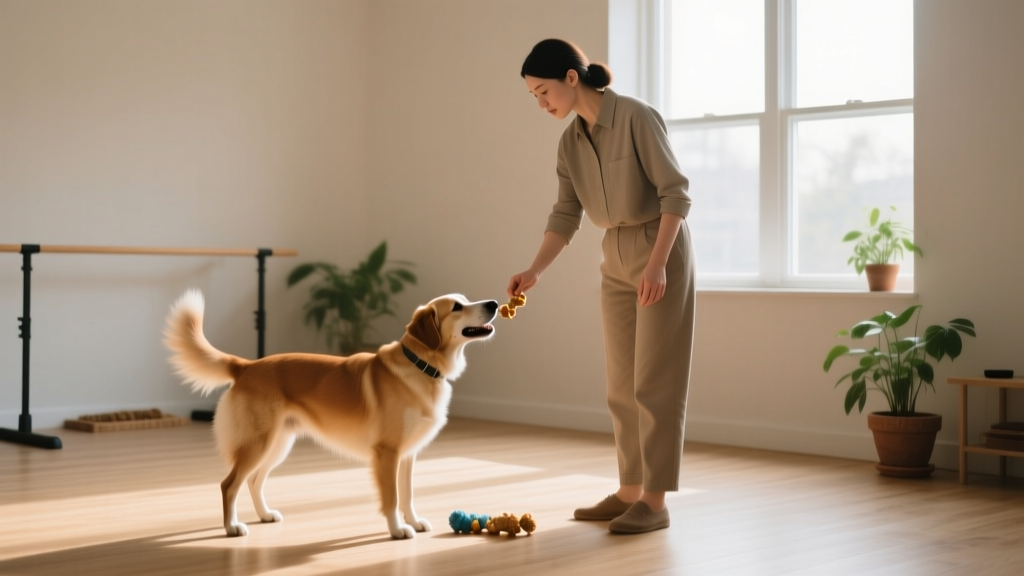
Your living room is the perfect classroom for foundational obedience. Without the distractions of the park or the street, your puppy can focus entirely on you. Keep training sessions short—about five to ten minutes—and always end on a positive note.
Teaching "Sit"
Hold a treat close to your puppy's nose. Slowly move your hand up and slightly back over their head. As their nose follows the treat, their bottom will naturally lower to the floor. The moment they sit, say "Yes!" and give them the treat. Repeat this until they reliably follow the hand motion, then add the verbal cue "Sit" right before you move your hand.
Teaching "Down"
Start with your puppy in a sitting position. Hold a treat at their nose and slowly lower it straight down to the floor between their front paws, then drag it slightly outward along the ground. Their body should follow the treat into a lying position. Mark the behavior with a "Yes!" and reward. If they pop up into a standing position, simply reset them into a sit and try again, moving the treat more slowly.
Teaching "Stay"
Ask your puppy to sit. Hold your hand out like a stop sign and say "Stay." Wait just one or two seconds, then mark and reward while they are still in the sit position. Gradually increase the duration by one-second increments before giving the reward. Once they master duration, begin taking a single step back, returning immediately to reward them.
Teaching "Come" (Recall)
Recall is arguably the most important safety command. Start indoors with your puppy on a lightweight leash. Back away from them, say their name followed by "Come!" in an enthusiastic, happy tone, and gently guide them toward you with the leash if necessary. When they reach you, throw a mini-party with praise, pets, and treats. Never call your puppy to you to do something they dislike, such as getting a bath or having their nails trimmed; always go to them for those activities. For transitioning these commands to the outdoors, read our guide on leash training basics.
Bite Inhibition and Managing Puppy Chewing
Puppies explore their environment using their mouths, and during the teething phase, chewing provides relief for their sore gums. However, it is crucial to teach bite inhibition—the ability to control the force of their bite—so they learn that human skin is entirely off-limits.
Redirecting the Bite
When playing with your puppy, keep a plush toy or chew toy nearby. If their teeth make contact with your skin, let out a high-pitched "Ouch!" or yelp to mimic the sound a littermate would make. Immediately withdraw your attention by standing up and crossing your arms for ten seconds. Then, redirect their chewing energy onto the appropriate toy and praise them enthusiastically when they chew it.
Managing Destructive Chewing
To protect your belongings, you must manage the environment. Do not leave shoes, socks, or children's toys on the floor. Provide a variety of textures for your puppy to chew, including rubber toys, natural chews, and frozen washcloths, which are excellent for soothing teething pain. If you catch them chewing a forbidden item, calmly swap it for an approved toy. For more targeted advice on this developmental stage, visit our resource on how to stop puppy biting. Consistency from all family members is vital; if one person allows the puppy to mouth their hands while another scolds them, the puppy will become confused and the behavior will persist.
Essential Tips & Common Mistakes to Avoid
Even the most dedicated pet parents can stumble during the early weeks of training. Keeping a few core principles in mind will help you navigate the inevitable challenges of puppyhood.
Pro Tips for Home Training Success:
- Keep a Training Journal: Track your puppy's potty schedule, command progress, and behavioral quirks. This helps you identify patterns and adjust your routine accordingly.
- Use a Marker Word: Choose a specific word like "Yes!" or use a clicker to mark the exact moment your puppy performs the desired behavior. This bridges the gap between the action and the delivery of the treat.
- Socialize Safely: Before your puppy is fully vaccinated, socialize them by carrying them in public spaces, inviting fully vaccinated dogs to your home, and exposing them to various household sounds like the vacuum cleaner and doorbell.
- Exercise the Mind: Physical exercise is important, but mental stimulation tires a puppy out much faster. Use puzzle feeders, snuffle mats, and short training sessions to engage their brain.
Common Mistakes to Avoid:
- Inconsistency: If the rule is no dogs on the furniture, it must apply to everyone, every time. Allowing the puppy on the couch "just this once" undermines your training.
- Repeating Commands: Saying "Sit, sit, sit, sit" teaches the puppy that they do not have to listen the first time. Say the command once, wait a few seconds, and if they do not comply, gently lure them into the position and try again later in a less distracting environment.
- Training When Frustrated: Puppies are incredibly perceptive to human emotions. If you feel your patience slipping, end the session on a positive note with an easy command, and take a break.
- Punishing After the Fact: Dogs live in the moment. If you find a destroyed pillow an hour after it happened, scolding the puppy will only confuse them and make them fear your unpredictable reactions.
Frequently Asked Questions (FAQ)
How long should daily training sessions be?
Puppies have very short attention spans. It is far more effective to conduct three to five mini-sessions a day, lasting about five to ten minutes each, rather than one long, exhausting hour-long session. Keep the activities fun, varied, and highly rewarding to maintain their focus and enthusiasm.
What is the best age to start training a puppy at home?
You should begin training the moment your puppy crosses your threshold, typically around eight weeks of age. While their capacity for complex obedience is limited at this stage, they are highly receptive to learning routines, boundaries, name recognition, and basic handling. Early intervention prevents bad habits from taking root.
How do I handle puppy regression in training?
Regression is a normal part of canine development, often occurring during teething, fear periods, or times of environmental change. When your puppy seems to "forget" their training, take a step back. Lower your criteria, increase the value of your treats, and practice in a quieter environment. Patience and consistency will help them get back on track.
Should I use pee pads for indoor potty training?
While pee pads can be convenient for apartment dwellers or extreme weather conditions, they often confuse puppies by teaching them that it is acceptable to eliminate indoors on soft, absorbent surfaces (which can include rugs and bathmats). If possible, it is highly recommended to train your puppy to eliminate exclusively outdoors to avoid long-term house-soiling issues.
My puppy only listens when I have a treat. How do I fix this?
This is a common phase in training. To fade the lure, start hiding the treat in your pocket or behind your back, only producing it after the puppy completes the command. Gradually transition from a continuous reinforcement schedule (a treat every single time) to a variable reinforcement schedule (rewarding randomly with treats, praise, or a quick game of tug), which actually makes the behavior much stronger over time.
Conclusion
Training a puppy at home requires patience, consistency, and a generous supply of treats and praise. By setting up a safe environment, sticking to a predictable routine, and utilizing positive reinforcement, you are laying the groundwork for a lifelong bond built on mutual trust and understanding. Remember that every puppy learns at their own pace, and setbacks are simply opportunities to refine your technique. Embrace the journey of puppyhood, celebrate the small victories, and enjoy watching your new best friend grow into a confident, well-mannered companion.
Beth Carrasco
All our authors care for dogs every day — read more of their work on the authors page.