Best Guard Dog Breeds: Which One Fits Your Home and Lifestyle?
Comparing the best guard dog breeds for families and property protection. Includes temperament data, training needs, costs, and expert picks for 2026.

Choosing the best guard dog is one of the most consequential decisions a dog owner can make. A well-trained guardian breed provides unparalleled loyalty and property protection, but placing the wrong dog in the wrong environment can lead to liability issues, behavioral problems, and heartbreak. This guide cuts through the hype with breed-specific data, cost breakdowns, and practical frameworks to help you make an evidence-based decision.
How to Choose the Right Guard Dog: 6 Critical Criteria
Not all protective breeds are created equal. The American Kennel Club distinguishes between watchdogs (dogs that alert by barking) and guard dogs (dogs trained to protect through deterrence or intervention). Before evaluating specific breeds, assess your situation against these criteria:
Buying Criteria Checklist
- Experience level: Guardian breeds require confident handlers. First-time owners should consider breeds with lower drive (e.g., Boxer over Cane Corso).
- Property type: Apartment dwellers need compact, lower-energy guardians. Acreage owners can accommodate larger, higher-drive breeds.
- Family composition: Homes with small children or elderly members need breeds with stable temperaments and lower prey drive.
- Time commitment: Guardian breeds require 60-120 minutes of structured exercise daily plus ongoing obedience training.
- Training budget: Professional protection training costs $3,000-$15,000+ beyond basic obedience.
- Liability tolerance: Higher-drive breeds carry greater insurance costs and legal exposure.
Top 7 Best Guard Dog Breeds Compared (2026 Data)
These rankings are based on AKC breed standards, temperament testing data, and real-world owner experience across multiple households. Each breed is evaluated on protectiveness, trainability, family compatibility, and total cost of ownership.
| Breed | Weight (lb / kg) | Lifespan | Protectiveness | Family Fit | Puppy Cost |
|---|---|---|---|---|---|
| German Shepherd | 50-90 / 23-41 | 7-10 years | ★★★★★ | ★★★★☆ | $1,500-$5,000 |
| Rottweiler | 80-135 / 36-61 | 9-10 years | ★★★★★ | ★★★★☆ | $1,500-$4,000 |
| Doberman Pinscher | 60-100 / 27-45 | 10-12 years | ★★★★★ | ★★★★★ | $1,500-$3,500 |
| Cane Corso | 88-110 / 40-50 | 9-12 years | ★★★★★ | ★★★☆☆ | $1,800-$4,500 |
| Bullmastiff | 100-130 / 45-59 | 7-9 years | ★★★★☆ | ★★★★★ | $1,200-$3,000 |
| Belgian Malinois | 40-80 / 18-36 | 14-16 years | ★★★★★ | ★★☆☆☆ | $1,500-$3,500 |
| Boxer | 50-80 / 23-36 | 10-12 years | ★★★☆☆ | ★★★★★ | $1,000-$2,500 |
Detailed Breed Profiles: Strengths, Risks, and Real Costs
German Shepherd
Best for: Experienced owners wanting a versatile family protector
Key traits: Exceptionally trainable, strong bonding instinct, high intelligence. The breed's bite force is approximately 238 PSI.
- Excels in obedience and sport training
- Natural herding instinct protects children
- Widely available from health-tested breeders
- High risk of hip/elbow dysplasia (19.8% prevalence per OFA data)
- Heavy shedding requires daily grooming
- Prone to anxiety if under-stimulated
Annual care cost: $2,200-$3,800
Rottweiler
Best for: Confident owners with secure, fenced property
Key traits: Powerful build (bite force ~328 PSI), calm confidence, territorial without being reactive.
- Natural deterrent through size and presence alone
- Loyal and affectionate with family
- Lower energy than Malinois or GSD
- Frequently subject to BSL and insurance exclusions
- Requires firm, consistent leadership
- Prone to obesity without structured exercise
Annual care cost: $2,500-$4,200
Doberman Pinscher
Best for: Families wanting an elegant, athletic protector that bonds deeply
Key traits: Speed and agility, exceptional loyalty, sensitive temperament. Often called the "velcro dog" for attachment to owners.
- Top-tier family compatibility among guardian breeds
- Intelligent and eager to please
- Short coat is low-maintenance
- Dilated cardiomyopathy (DCM) affects ~58% of the breed (per UC Davis veterinary research)
- Sensitive to cold — needs coats in winter
- Separation anxiety common if left alone 6+ hours
Annual care cost: $2,000-$3,500
Cane Corso
Best for: Experienced handlers with large, rural properties
Key traits: Italian mastiff lineage, powerful guarding instinct, reserved with strangers. Bite force estimated at 700+ PSI.
- Imposing physical deterrent
- Intelligent and trainable with positive methods
- Generally healthy for a giant breed
- NOT recommended for first-time owners
- Strong prey drive — risky around small pets
- Requires extensive early socialization (first 16 weeks critical)
Annual care cost: $2,800-$4,500
Bullmastiff
Best for: Families wanting a gentle giant with natural guarding instinct
Key traits: Originally bred to silently track poachers — pins rather than bites. Calm indoors, alert when needed.
- Excellent with children
- Lower exercise needs (45-60 min/day)
- Minimal barking
- Short lifespan (7-9 years)
- Significant drooling
- Prone to bloat (GDV)
Annual care cost: $2,600-$4,000
Belgian Malinois
Best for: Highly active owners, working-dog handlers, sport competitors
Key traits: Extreme drive and endurance, military/police breed of choice. Not a typical family pet.
- Unmatched trainability and work ethic
- Athletic and agile
- Long lifespan for size (14-16 years)
- Needs 2+ hours of intense daily activity
- Destructive if under-stimulated
- NOT suitable for casual owners
Annual care cost: $2,200-$3,600
Boxer
Best for: First-time owners wanting a protective but playful family dog
Key traits: Energetic, goofy, and people-oriented. Natural watchdog with moderate guarding instinct.
- Outstanding with children
- Easier to train than mastiff breeds
- Fun, playful personality
- Brachycephalic — heat sensitive
- High cancer rates (per AKC health data)
- Lower intimidation factor than larger breeds
Annual care cost: $1,800-$3,200
Guard Dog Training: What Actually Works (and What Doesn't)
Effective protection training relies on positive reinforcement, confidence-building, and controlled socialization — not intimidation or pain-based methods. The American Veterinary Society of Animal Behavior (AVSAB) explicitly advises against aversive training tools including shock collars, prong collars, and alpha rolls, citing evidence that these methods increase aggression and fear rather than reducing them.
Recommended Training Progression
- Weeks 8-16 (Puppy): Extensive socialization — expose to 100+ people, surfaces, sounds, and environments. Enroll in puppy kindergarten using reward-based methods.
- Months 4-8: Foundational obedience — reliable sit, stay, come, leave it, and place command. Use food rewards, play, and praise.
- Months 8-14: Intermediate obedience with distractions. Begin confidence-building exercises (agility equipment, novel surfaces, controlled encounters with strangers).
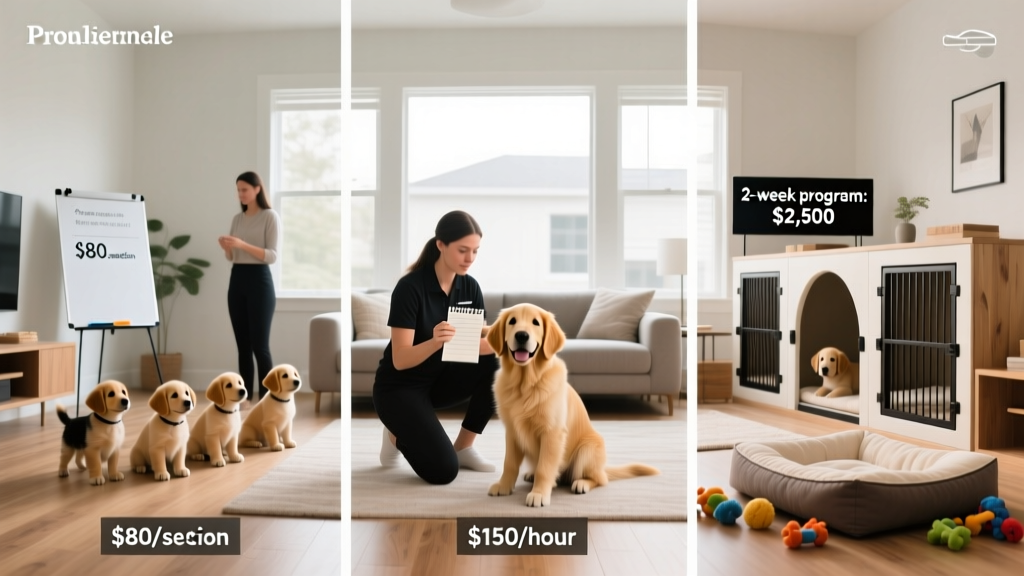
- Months 14+: If pursuing formal protection work, engage a certified protection sport trainer (Schutzhund/IGP, French Ring, or PSA certified). Expect to pay $150-$300/session.
Total Cost of Guard Dog Ownership: First-Year Breakdown
| Expense Category | Low End | Mid Range | High End |
|---|---|---|---|
| Puppy purchase (health-tested breeder) | $1,200 | $2,500 | $5,000 |
| Spay/neuter | $200 | $500 | $800 |
| Initial veterinary exams + vaccines | $300 | $500 | $800 |
| High-quality food (annual) | $600 | $900 | $1,500 |
| Obedience training (group + private) | $300 | $800 | $2,000 |
| Gear (crate, leash, harness, bed) | $200 | $400 | $700 |
| Pet insurance (annual premium) | $600 | $900 | $1,500 |
| FIRST-YEAR TOTAL | $3,400 | $6,500 | $12,300 |
Alternatives to Owning a Guard Dog
A guardian breed isn't the only path to home security. Consider these alternatives based on your actual needs:
- Watchdog breeds (lower commitment): Miniature Schnauzers, Shetland Sheepdogs, and Beagles are excellent alert barkers without the liability of a 100-lb guardian.
- Home security systems: Modern smart systems (Ring, SimpliSafe, ADT) cost $15-$60/month and eliminate liability entirely.
- Adoption of mixed breeds: Many shelter dogs with shepherd, mastiff, or Rottweiler ancestry display strong protective instincts. Adoption fees typically range $50-$400 and often include spay/neuter and initial vaccines.
- Professional protection dogs: Fully trained personal protection dogs from reputable kennels cost $15,000-$65,000 but arrive with reliable obedience and controlled protection responses.
When to Consult a Professional Instead of DIY Training
See a Veterinary Behaviorist or CAAB If:
- Your dog shows aggression toward family members (not just strangers)
- Fear-based reactivity is worsening despite training
- Your dog has bitten someone — consult your veterinarian immediately and document the incident
- You're unsure whether your dog's behavior is protective or anxiety-driven
- You need a formal behavioral assessment for insurance or legal purposes
A board-certified veterinary behaviorist (DACVB) can rule out medical causes of aggression (pain, thyroid dysfunction, neurological issues) before behavioral intervention begins.
Frequently Asked Questions
What is the best guard dog for a family with children?
The Doberman Pinscher and Bullmastiff consistently rank highest for family compatibility among guardian breeds. Both are naturally protective without being overly reactive, and they tend to form gentle bonds with children they're raised alongside. The Boxer is an excellent lower-intensity option for families wanting moderate protection with high playfulness.
How much does a guard dog cost in the first year?
First-year costs for a guardian breed typically range from $3,400 to $12,300, depending on puppy source, training level, and veterinary needs. Ongoing annual costs average $1,800-$4,500 after the first year. Professional protection training adds $3,000-$15,000+ to the total.
Are there natural alternatives to owning a guard dog?
Yes. Smaller watchdog breeds (Miniature Schnauzer, Shiba Inu) provide alert barking without the liability. Many owners combine a friendly family dog with a modern home security system for optimal safety. Geese, guinea fowl, and even motion-activated lighting serve as effective property deterrents in rural settings.
How do I use positive reinforcement to train a guard dog safely?
Focus on building confidence through reward-based obedience, controlled socialization, and impulse-control exercises. Teach a reliable "quiet" command to manage barking. For formal protection work, hire a certified trainer in IGP, PSA, or French Ring sports — these disciplines teach controlled, command-based protection without encouraging uncontrolled aggression.
When should I skip DIY training and see a vet or behaviorist?
Consult your veterinarian if your dog displays sudden behavioral changes, unprovoked aggression, or fear-based reactivity that worsens over time. Pain, hormonal imbalances, and neurological conditions can manifest as aggression. A veterinary behaviorist can conduct a full medical workup before pursuing behavioral modification.
Tom Renshaw
All our authors care for dogs every day — read more of their work on the authors page.