7 Positive Reinforcement Techniques for Stubborn Dogs
Discover proven reward-based training methods that work even for the most strong-willed dogs. Expert tips from professional trainers.

Why Stubborn Dogs Need a Different Approach
Every dog owner has experienced it: you call your dog, and they look right through you. You ask for a sit, and they flop onto their side instead. But what looks like stubbornness is often just a mismatch between your training method and your dog's motivation system.
Dogs labelled "stubborn" are frequently highly intelligent, independent breeds — Huskies, Terriers, Bulldogs — that simply don't see the point of obeying commands that don't benefit them. Positive reinforcement training flips this equation by making compliance more rewarding than defiance.
1. The High-Value Treat Ladder
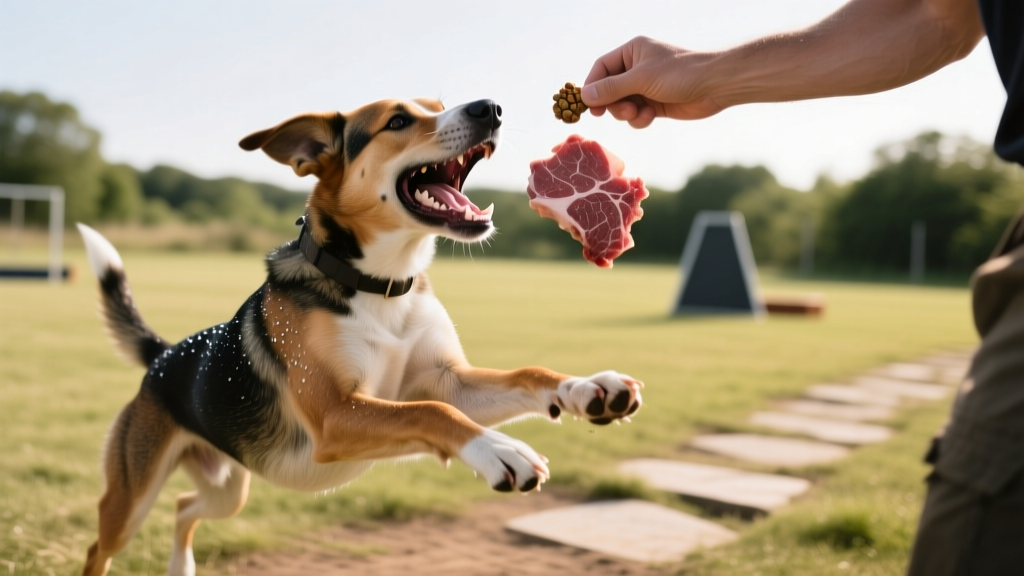
Not all treats are created equal. Build a hierarchy: everyday kibble for easy commands in low-distraction environments, soft training treats for moderate challenges, and premium rewards (boiled chicken, cheese cubes) for breakthrough moments. The key is reserving your dog's absolute favourite for the behaviours you most want to reinforce.
2. Mark-and-Reward Timing
The window between the desired behaviour and the reward must be under two seconds. Use a clicker or a sharp marker word like "yes!" to bridge the gap. Dogs connect the mark with the exact action they were performing — so precision matters. Click when the bottom hits the floor for a sit, not after the dog stands back up.
3. The Premack Principle (Life Rewards)
Also known as "grandma's law": first do the less preferred behaviour, then access the more preferred activity. Want your dog to sit before going through the door? The door opening is the reward. Want them to come when called? The reward is returning to the sniffing spot they wanted all along. This technique eliminates the need for treats in every interaction.
4. Shaping Complex Behaviours
Instead of expecting a perfect behaviour immediately, reward successive approximations. Teaching "go to your bed"? First reward looking at the bed, then stepping toward it, then one paw on it, then all four. Each step builds confidence and clarity for dogs that shut down when asked to do too much at once.
5. Variable Ratio Reinforcement
Once a behaviour is learned, switch from rewarding every time to rewarding unpredictably — like a slot machine. Dogs will actually work harder when they don't know which repetition will earn the jackpot. This is why casino slot machines are so addictive, and it works identically for dogs.
6. Environmental Management
Set your dog up to succeed. If your dog steals food from the counter, the solution isn't just "don't do that" — it's clearing the counter, using baby gates, and managing the environment so the unwanted behaviour never gets a chance to be self-rewarding. Every time a dog practices an unwanted behaviour, it gets stronger.
7. The Power of "Nothing in Life Is Free"
Every resource your dog values — food, walks, toys, attention — becomes a training opportunity. Your dog wants dinner? They sit first. They want the ball thrown? They drop and sit. This isn't about being mean; it's about making your dog understand that engaging with you is the gateway to everything good in their world.
Common Mistakes to Avoid
- Repeating commands — saying "sit, sit, sit, SIT" teaches your dog that the first three repetitions don't matter
- Rewarding too late — if the dog has moved on, you're rewarding the wrong behaviour
- Using low-value rewards for high-distraction training — a dry biscuit won't compete with a squirrel
- Punishing after the fact — dogs live in the present moment; delayed corrections create confusion, not learning
When to Seek Professional Help
If you've been consistent with positive reinforcement for 4-6 weeks and see no improvement, consider consulting a certified professional dog trainer (CPDT-KA). Some stubbornness masks underlying issues: hearing loss, pain, anxiety, or past trauma that requires specialised intervention.
Jonas Cole
All our authors care for dogs every day — read more of their work on the authors page.