Mastering the "Leave It" and "Drop It" Commands: A...
Learn how to teach your dog the essential "leave it" and "drop it" commands. Step-by-step training tips, common mistakes, and FAQs for a safer pup.
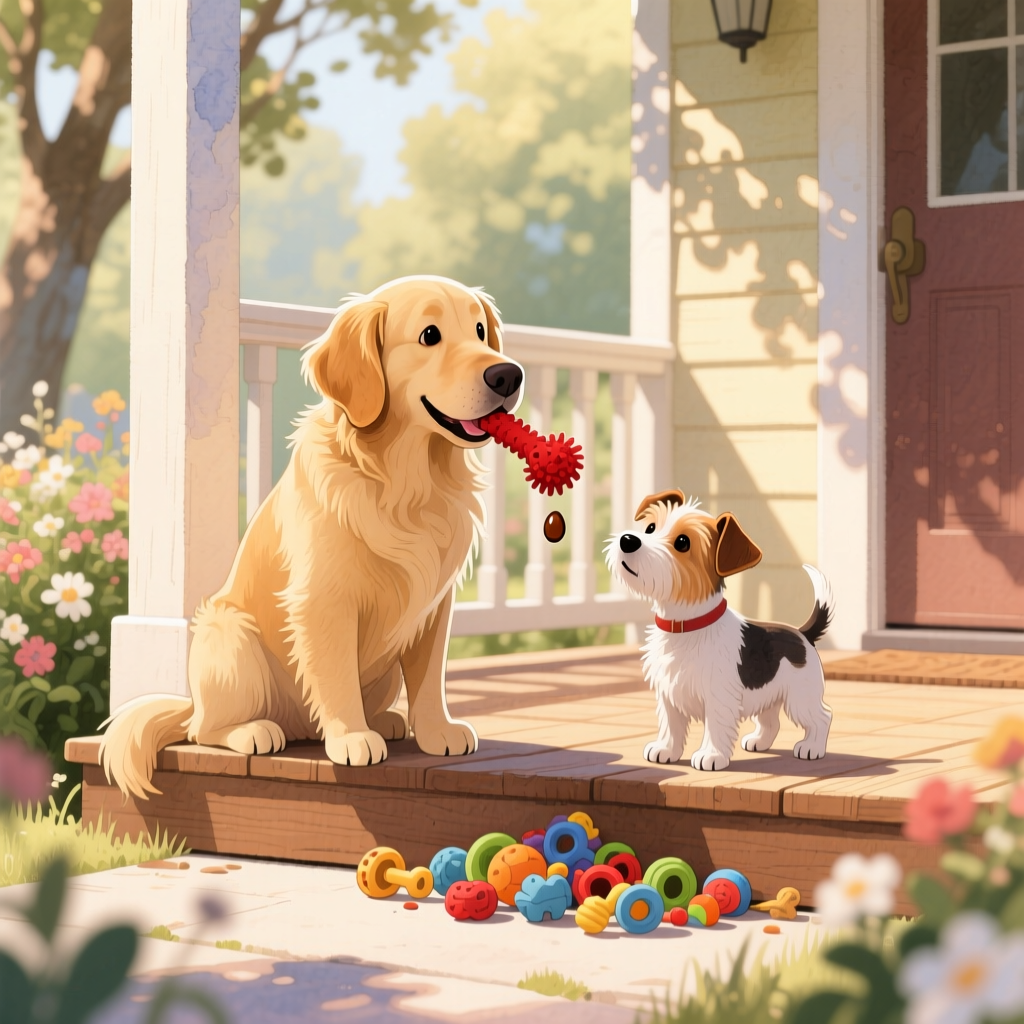
Mastering the "Leave It" and "Drop It" Commands
Dogs are naturally curious creatures. They explore the world primarily through their noses and mouths, which often leads them to investigate items that are inappropriate, unhygienic, or even downright dangerous. Whether your dog is eyeing a discarded piece of food on the sidewalk, picking up a toxic plant in the yard, or running off with your favorite pair of shoes, having reliable verbal cues to manage their behavior is absolutely essential. Teaching the "leave it" and "drop it" commands are two of the most critical safety skills you can instill in your canine companion. These commands not only protect your dog from potential hazards but also save your personal belongings from being destroyed.
If you are just starting your journey with a new puppy, these skills should be a core part of your puppy basics curriculum. However, even older rescue dogs or adult dogs with established scavenging habits can learn these life-saving cues with patience, consistency, and the right motivation. In this comprehensive guide, we will break down the psychology behind your dog's scavenging instincts, clarify the vital difference between these two commands, and provide a detailed, step-by-step roadmap to training success.
The Psychology Behind Scavenging and Prey Drive
Before diving into the mechanics of training, it is important to understand why your dog feels compelled to pick up every stick, wrapper, and mysterious object they encounter. Dogs are natural scavengers. In the wild, their ancestors survived by taking advantage of any available food source. This evolutionary trait is deeply hardwired into their DNA. When your dog sniffs out a discarded hamburger bun at the park, they are not trying to be disobedient; they are simply following their ancestral survival instincts.
Additionally, many breeds possess a strong prey drive or retrieving instinct. For example, Golden Retrievers and Labrador Retrievers have been selectively bred for generations to hold and carry objects in their mouths. On the other hand, terrier breeds, such as Jack Russell Terriers, have high prey drives that make them want to chase, grab, and shake moving objects or small critters. Understanding your dog's breed-specific tendencies can help you tailor your training approach. By using high-value rewards, you can override these natural instincts and teach your dog that listening to you is far more rewarding than whatever they found on the ground.
Understanding the Difference: "Leave It" vs. "Drop It"
Many dog owners mistakenly use "leave it" and "drop it" interchangeably, which leads to confusion for the dog. To train effectively, you must understand the distinct purpose of each cue.
- "Leave It" is a preventative command. It means "do not touch, approach, or interact with that item you are currently looking at or moving toward." You use this cue before the item is in your dog's mouth.
- "Drop It" is a reactive command. It means "release the item that is currently in your mouth." You use this cue after the dog has already picked something up.
Keeping these definitions separate ensures clear communication. If you yell "leave it" when your dog already has a chicken bone in their mouth, they may not understand what you want them to do, as the item is already in their possession. Conversely, if you say "drop it" when they are merely sniffing a dead worm on the sidewalk, the cue makes no contextual sense. Clarity is the foundation of all successful obedience training.
Step-by-Step Guide: How to Teach "Leave It"
The "leave it" command requires immense impulse control from your dog. You are asking them to deny their natural urges in exchange for a better reward. To begin, gather two types of treats: a lower-value treat (like standard kibble) and a high-value treat (like small pieces of boiled chicken or cheese). If you need ideas for nutritious rewards, check out our guide on healthy dog treats.
Step 1: The Closed Fist Method
Place a low-value treat inside your hand and make a fist. Present your closed fist to your dog. Naturally, they will sniff, lick, paw, and bark at your hand to get the treat. Do not say anything; simply wait them out. The exact moment your dog pulls their nose away or stops trying to get the treat, mark the behavior with a clicker or a verbal "Yes!" and immediately reward them with the high-value treat from your other hand. Never give them the treat they were trying to get from the closed fist. This teaches them that ignoring the target yields a better reward.
Step 2: Adding the Verbal Cue and the Open Hand
Once your dog consistently pulls away from the closed fist, it is time to increase the difficulty. Place the low-value treat in your open palm. As you present it, say your verbal cue: "Leave it." If your dog dives for the treat, quickly close your hand into a fist. Wait for them to back off, mark the behavior, and reward from the other hand. Repeat this until you can hold your open palm with the treat exposed, and your dog looks at the treat but chooses to look up at you instead. When they make eye contact, mark and reward heavily.
Step 3: Moving to the Floor
Now, transfer the exercise to the ground. Place a treat on the floor and cover it with your hand or foot. Say "Leave it." If your dog tries to dig it out, keep it covered. When they back away, mark and reward from your hand. Gradually lift your hand an inch off the ground. If they go for it, cover it again. Eventually, you will be able to drop a treat on the floor, say "Leave it," and your dog will look at you for their reward instead of eating the floor treat.
Step 4: Real-World Distractions and Leash Walking
The final phase involves practicing while in motion. Attach your dog's leash and practice walking past tempting items placed on the floor. If your dog pulls toward the item, stop walking, say "Leave it," and wait for them to look at you. Reward them generously and continue walking. This step is crucial for integrating the command into your daily leash training routines, ensuring your dog ignores dropped food, trash, and other dogs' toys while on walks.
Step-by-Step Guide: How to Teach "Drop It"
While "leave it" relies on impulse control, "drop it" relies on the concept of trading. You must convince your dog that giving up an item is a positive experience, not a punishment. If you constantly rip items from your dog's mouth, you risk developing resource guarding, a serious behavioral issue where the dog becomes aggressive to protect their possessions.
Step 1: The Trade-Up Game
Start with a low-value toy that your dog likes but isn't completely obsessed with. Engage them in a brief game of tug or let them chew on the toy for a few seconds. Then, present a incredibly high-value treat (like a piece of hot dog or roast beef) right in front of their nose. To eat the treat, they must open their mouth, thereby dropping the toy. As soon as the toy hits the floor, mark the behavior with a "Yes!" and let them eat the treat. After they finish the treat, pick up the toy and initiate play again. This teaches them that dropping an item doesn't mean the fun is over forever.
Step 2: Introducing the Verbal Cue
Once your dog is readily dropping the toy to get the treat, introduce the verbal cue. Right before you present the treat to their nose, say "Drop it." The sequence should be: Cue ("Drop it") → Present Treat → Dog Drops Toy → Mark ("Yes!") → Reward. Repeat this sequence dozens of times over multiple short sessions until your dog begins to associate the sound of the words with the action of releasing the item.
Step 3: Fading the Lure
Now, test if your dog understands the verbal cue without the immediate sight of the treat. Say "Drop it" while keeping your hands empty and visible. Wait a second or two. If your dog drops the toy, immediately mark the behavior, pull out a jackpot of high-value treats, and reward them enthusiastically. If they don't drop it, do not repeat the command. Simply go back to Step 2 and practice with the visual lure for a few more sessions. Never repeat the cue multiple times (e.g., "drop it, drop it, drop it"), as this teaches the dog to ignore the first command.
Step 4: Practicing with High-Value Items
Gradually work your way up to higher-value items, such as bully sticks, chew hooves, or stolen household items like socks. Always ensure you have a "trade-up" item that is more valuable than what the dog currently has. If your dog has a stolen sock, trade them for a piece of real meat. Once they drop the sock, reward them, and then put the sock away so they cannot practice stealing it again.
Real-World Scenarios: Taking Training Outside
A dog that obeys perfectly in the quiet of your living room may completely ignore you in a busy park filled with squirrels, other dogs, and discarded food. This is known as a failure to generalize. To ensure your "leave it" and "drop it" commands are truly reliable, you must practice in various environments with increasing levels of distraction.
Start by practicing in your fenced backyard. Toss treats into the grass and practice "leave it" while walking through them. Next, move to a quiet street in your neighborhood. Finally, practice in busy parks. During these early outdoor sessions, keep your dog on a long training line. This ensures that if they ignore your "leave it" command and lunge for a piece of trash, you can gently guide them away before they succeed in grabbing it. Combining these exercises with strong recall commands will give you ultimate control over your dog's safety in any environment.
Pro Tips for Success & Common Mistakes to Avoid
Training takes time, and setbacks are a normal part of the process. Keep these professional tips and common pitfalls in mind to ensure your training sessions remain productive and positive.
Essential Training Tips
- Keep Sessions Short: Impulse control is mentally exhausting for dogs. Limit your training sessions to 5 to 10 minutes to prevent frustration and burnout.
- End on a Positive Note: Always finish a session with a success. If your dog is struggling with a difficult step, take a step back to an easier exercise, reward them, and end the session.
- Use a Marker: Whether you use a mechanical clicker or a verbal marker like "Yes!", marking the exact millisecond your dog makes the right choice speeds up the learning process significantly.
- Manage the Environment: Set your dog up for success by keeping dangerous or tempting items out of reach when you are not actively training. Prevention is just as important as training.
Common Mistakes to Avoid
- Chasing the Dog: If your dog grabs a shoe and runs, do not chase them. To a dog, chasing is a hilarious game of tag. Instead, run in the opposite direction, make exciting noises, and encourage them to chase you, or use your "drop it" command and offer a high-value trade.
- Using Punishment: Yelling, prying your dog's mouth open, or physically punishing them for picking something up will only teach them to hide from you or swallow items quickly to avoid losing them. This can lead to choking hazards and severe resource guarding.
- Repeating the Cue: Saying "leave it" five times while your dog continues to eat trash teaches them that the cue is merely background noise. Say it once, and if they don't respond, use your leash to manage their movement and reset the exercise.
Frequently Asked Questions
How long does it take to teach these commands?
The timeline varies greatly depending on the dog's age, breed, and previous reinforcement history. A young puppy with no bad habits might learn the basics in a few weeks. An adult rescue dog that has spent years successfully scavenging on the streets may take several months of consistent practice to build reliable impulse control. Patience and daily practice are key.
What if my dog ignores the "drop it" command outside?
If your dog ignores the cue in a high-distraction environment, your reward value is likely not high enough to compete with the environment. Upgrade your treats to something irresistible, like freeze-dried liver or real chicken. Additionally, ensure you are practicing on a long line so you can prevent the dog from rehearsing the unwanted behavior of ignoring you and eating the forbidden item.
Can I use "leave it" and "drop it" interchangeably?
No. As discussed earlier, "leave it" means do not touch the item, while "drop it" means release the item from your mouth. Using them interchangeably muddies the communication and makes it much harder for your dog to understand what you are asking them to do in critical, split-second situations.
My dog drops the item but immediately picks it back up. What should I do?
This is a common issue known as "vacuuming." To fix this, you need to change your treat delivery. Instead of handing the treat directly to your dog's mouth, toss the treat a few feet away from the forbidden item. This forces the dog to move away from the item to get their reward, giving you time to step in and pick up the forbidden object before they can return to it.
What if my dog swallows something dangerous before I can say "drop it"?
If your dog ingests something toxic or dangerous (like a sharp bone, medication, or a toxic plant), do not attempt to induce vomiting or force your fingers down their throat, as this can cause choking or internal damage. Contact your veterinarian or an emergency pet poison helpline immediately for professional guidance. This is why preventative "leave it" training and diligent environmental management are so crucial.
Teaching your dog the "leave it" and "drop it" commands is an investment in their safety and your peace of mind. While it requires dedication, the ability to stop your dog from eating something harmful with a single verbal cue is priceless. Stay consistent, keep your training sessions fun, and always reward your dog for making the right choices. For more foundational skills to build a well-rounded canine citizen, be sure to explore our guides on sit and stay commands and advanced leash manners.
Priya Sutaria
All our authors care for dogs every day — read more of their work on the authors page.