Housebreaking Tips: The Complete Guide to Potty Training
Master housebreaking with proven tips and step-by-step strategies.
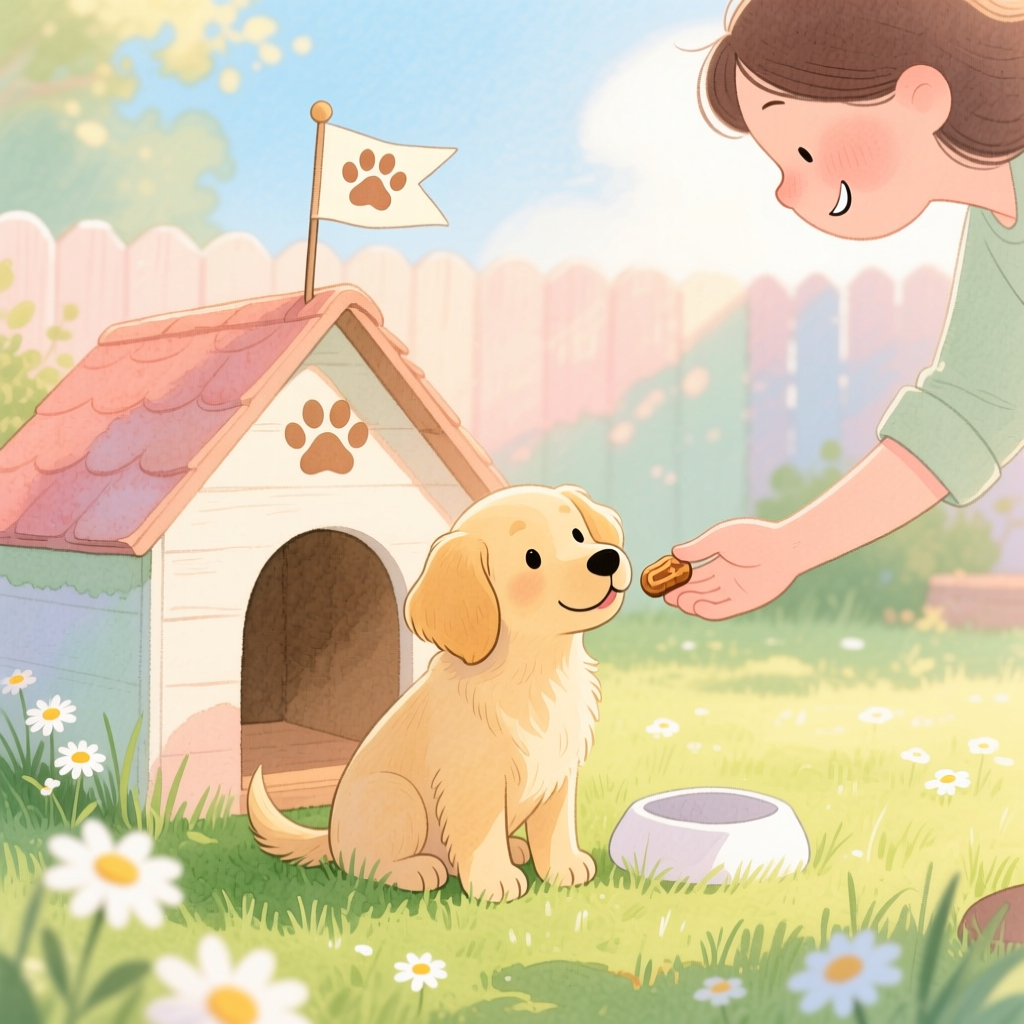
Housebreaking Tips: The Complete Guide to Potty Training Your Dog
Bringing a new dog into your home is one of life's greatest joys — until you discover a puddle on your favorite rug. Housebreaking, also known as potty training, is one of the first and most important skills you'll teach your canine companion. Whether you're working with an energetic puppy or an adult rescue who needs a refresher, the right approach makes all the difference between frustration and success.
The truth is that housebreaking doesn't have to be a stressful ordeal. Dogs are naturally clean animals, and with consistent routines, positive reinforcement, and a solid understanding of canine behavior, most dogs can learn where and when to relieve themselves in a matter of weeks. This comprehensive guide walks you through every stage of the process, from setting up a schedule to troubleshooting setbacks, so you can enjoy a cleaner home and a happier relationship with your four-legged friend.
Before diving into the details, it's worth noting that every dog is unique. Different breeds may have varying levels of bladder control, temperament, and trainability. Smaller breeds, for instance, often have tinier bladders and faster metabolisms, meaning they may need more frequent bathroom breaks. Understanding your dog's specific needs is the foundation of any successful housebreaking program.
Understanding the Basics of Housebreaking
Before you can effectively housebreak your dog, it's essential to understand the biological and behavioral principles behind the process. Dogs, by nature, prefer not to soil their sleeping areas. This instinct is the cornerstone of housebreaking and the reason crate training is so effective. When you leverage a dog's natural denning instinct, you create a powerful ally in your training efforts.
How Long Can Your Dog Hold It?
A general rule of thumb is that puppies can hold their bladder for approximately one hour per month of age, up to a maximum. A two-month-old puppy can typically wait about two hours, while a four-month-old might manage four hours. Adult dogs can usually hold it for six to eight hours, though this varies by individual, breed, and health status.
Keep in mind that these are guidelines, not guarantees. Excitement, play, drinking large amounts of water, and changes in routine can all accelerate the need to go. Puppies, in particular, often need to relieve themselves immediately after waking up, after eating or drinking, and after vigorous play sessions. Recognizing these patterns is half the battle.
The Role of Scent in Housebreaking
Dogs rely heavily on scent to navigate their world. When a dog urinates in a particular spot, the lingering odor — even one imperceptible to humans — signals to the dog that this is an acceptable bathroom area. This is why thorough cleaning of accidents is absolutely critical. Standard household cleaners often fail to break down the uric acid crystals in dog urine, leaving behind a scent trail that invites repeat offenses. Invest in a high-quality enzymatic cleaner specifically designed for pet stains to eliminate odors at the molecular level.
Setting Realistic Expectations
Housebreaking is a process, not an event. Most puppies show significant progress within four to six weeks of consistent training, but full reliability can take several months. Adult dogs with no prior training or those who have developed bad habits may take longer. Patience, consistency, and a positive attitude are your most valuable tools. If you're also working on other behavioral skills, our complete training guides can help you develop a well-rounded approach to your dog's education.
Establishing a Rock-Solid Housebreaking Routine
Consistency is the single most important factor in successful housebreaking. Dogs thrive on routine, and when you establish a predictable schedule, your dog learns to anticipate bathroom breaks and hold it until the appropriate time. Here's how to build a routine that sets your dog up for success.
Create a Feeding Schedule
Free-feeding — leaving food out all day — makes it nearly impossible to predict when your dog will need to go outside. Instead, feed your dog at the same times every day. Most adult dogs do well with two meals daily, while puppies typically need three or four smaller meals. What goes in on a schedule comes out on a schedule, making bathroom breaks far more predictable.
Remove uneaten food after 15 to 20 minutes. This not only helps regulate your dog's digestive system but also establishes you as the provider of resources, which supports overall obedience training efforts.
Designate a Bathroom Spot
Choose a specific outdoor area where you want your dog to relieve themselves. Take your dog to this exact spot every single time. The accumulated scent will reinforce the behavior and signal to your dog that this is the right place to go. Use a consistent verbal cue such as "go potty" or "do your business" while your dog is in the act. Over time, your dog will associate the command with the action, allowing you to prompt bathroom breaks on cue — an invaluable skill during travel or inclement weather.
The Essential Daily Schedule
A structured daily schedule forms the backbone of housebreaking success. Here's a framework you can adapt to your lifestyle:
- First thing in the morning: Take your dog outside immediately upon waking. Carry puppies out to prevent accidents on the way to the door.
- After every meal: Wait 15 to 30 minutes after eating, then head outside.
- After naps: Any sleep period, even a short doze, should be followed by a bathroom break.
- After play sessions: Excitement and physical activity stimulate the digestive system.
- After drinking water: Especially after your dog drinks a large amount.
- Before bedtime: A final bathroom break right before settling in for the night.
- Every 1-2 hours for puppies: In between scheduled events, young puppies still need regular outings.
Supervision and Confinement
When your dog is not in their crate or designated confinement area, they should be under direct supervision at all times during the housebreaking period. This means keeping your eyes on them — not glancing up from your phone occasionally. Use baby gates to limit access to certain rooms, or keep your dog on a leash attached to your waist so they can't wander off to have a secret accident behind the couch.
If you can't supervise, confine your dog to their crate or a small, puppy-proofed area. This prevents accidents from happening unsupervised, which is crucial because every accident reinforces the wrong behavior and extends the training timeline. For more on creating a safe space for your dog, check out our guide on crate training fundamentals.
Positive Reinforcement: Rewarding Success
The most effective housebreaking programs are built on positive reinforcement — rewarding your dog for doing the right thing rather than punishing them for mistakes. Dogs learn fastest when they clearly understand what behavior earns rewards, and positive reinforcement creates an enthusiastic, willing learner rather than a fearful one.
Timing Is Everything
The reward must be delivered immediately — within one to two seconds — of your dog finishing their business outside. If you wait until you've walked back inside, your dog will associate the reward with coming through the door, not with eliminating outdoors. Keep treats in a container near the door or in your pocket so you can reward instantly.
Choose High-Value Rewards
Not all treats are created equal. For housebreaking, use something your dog absolutely loves — small pieces of chicken, cheese, or commercial training treats that are soft and quickly consumed. The reward should be special enough that your dog is genuinely motivated to repeat the behavior. Reserve these high-value treats specifically for bathroom success to maintain their impact.
The Power of Verbal Praise
Pair your treats with enthusiastic verbal praise. Use a happy, excited tone and a consistent phrase like "good potty!" or "yes!" Over time, the verbal praise itself becomes rewarding, which is helpful in situations where you don't have treats on hand. Dogs are remarkably attuned to our tone of voice, and your genuine enthusiasm communicates approval more powerfully than you might expect.
Creating a Reward Hierarchy
Consider establishing different levels of rewards based on your dog's progress:
- Level 1 — Initial success: High-value treat plus enthusiastic praise every single time.
- Level 2 — Consistent behavior: Alternate between high-value and medium-value treats while maintaining verbal praise.
- Level 3 — Reliable habits: Gradually shift to intermittent reinforcement — rewarding unpredictably — which actually strengthens the behavior long-term.
This approach mirrors the principles used in leash training and other skill-building exercises, creating a consistent training philosophy across all aspects of your dog's education.
Crate Training as a Housebreaking Tool
Crate training is widely regarded as one of the most effective tools for housebreaking. When introduced properly, a crate becomes your dog's personal sanctuary — a den where they feel safe, secure, and naturally reluctant to soil. This instinct works in your favor, helping your dog develop bladder and bowel control while preventing unsupervised accidents.
Choosing the Right Crate
The crate should be large enough for your dog to stand up, turn around, and lie down comfortably — but no larger. If the crate is too big, your dog may designate one corner as a bathroom and another as a sleeping area, defeating the purpose. For growing puppies, many crates come with adjustable dividers that allow you to expand the space as your dog grows.
Consider your dog's breed and expected adult size when selecting a crate. Our breed guides include size and growth information to help you make the right choice from the start.
Introducing the Crate Positively
Never use the crate as punishment. Your dog must view the crate as a positive, safe space. Start by leaving the door open and tossing treats or favorite toys inside. Feed meals in the crate to build positive associations. Gradually increase the time your dog spends in the crate with the door closed, starting with just a few minutes and building up over days and weeks.
Crate Schedule for Housebreaking
Use the crate during times when you cannot actively supervise your dog — overnight, during work hours (with a midday break), and whenever you're distracted. Follow this general crating schedule:
- Take your dog outside immediately before crating.
- Take your dog outside immediately after releasing from the crate.
- Never leave a puppy crated longer than their age in months plus one hour (e.g., a three-month-old puppy should not be crated for more than four hours).
- Adult dogs should not be crated for more than eight hours without a bathroom break.
Nighttime Crate Training
Nighttime can be challenging during the early stages of housebreaking. Place the crate in your bedroom initially so your dog feels less isolated and you can hear them if they need to go out. Set an alarm for one or two nighttime bathroom breaks with young puppies, and gradually extend the time between outings as your dog's bladder control improves. Keep nighttime trips outside boring and business-like — no play, minimal interaction — so your dog learns that nighttime is for sleeping, not socializing.
Common Housebreaking Mistakes and How to Avoid Them
Even well-intentioned dog owners can inadvertently sabotage housebreaking efforts. Being aware of these common pitfalls helps you stay on track and avoid unnecessary setbacks.
Mistake #1: Punishing Accidents
Rubbing your dog's nose in an accident, yelling, or hitting is not only cruel — it's counterproductive. Dogs do not connect punishment with something they did minutes or even seconds ago. What they learn instead is that eliminating in front of you is dangerous, which leads to hiding behind furniture or sneaking off to remote rooms to have accidents. If you catch your dog in the act, interrupt with a firm "no" or a clap, then immediately carry or lead them outside to finish. Reward them for completing their business in the correct spot.
Mistake #2: Inconsistent Schedules
Taking your dog out at different times every day, sometimes using the back door and sometimes the front, sometimes praising and sometimes ignoring — all of this confusion slows down the learning process. Everyone in the household must follow the same routine, use the same commands, and apply the same rules. Post the schedule on the refrigerator or create a shared digital calendar so all family members stay aligned.
Mistake #3: Using Puppy Pads Indefinitely
While puppy pads can be useful in certain situations — apartment living, extreme weather, or for very young puppies — relying on them long-term teaches your dog that it's acceptable to eliminate indoors. If you must use pads, place them near the door and gradually move them outside over the course of several days to transition your dog to outdoor elimination.
Mistake #4: Inadequate Cleaning of Accidents
As mentioned earlier, dogs have extraordinarily sensitive noses. If even a trace of urine scent remains, your dog will be drawn back to that spot. Avoid ammonia-based cleaners, as ammonia smells similar to urine to a dog's nose. Instead, use enzymatic cleaners that break down organic compounds completely. For carpets, saturate the area thoroughly and allow it to dry completely before allowing your dog access again.
Mistake #5: Giving Too Much Freedom Too Soon
It's tempting to celebrate a few accident-free days by giving your dog the run of the house. However, housebreaking reliability is built over weeks and months, not days. Gradually expand your dog's access to the home, one room at a time, and only when they've demonstrated consistent reliability in their current space. Rushing this process is one of the most common reasons for regression.
Tips for Success
- Keep a potty log: Track when your dog eats, drinks, goes outside, and has accidents. Patterns will emerge that help you fine-tune your schedule.
- Watch for signals: Circling, sniffing the ground, whining, pacing, or suddenly leaving the room are all signs your dog needs to go.
- Be patient with setbacks: Changes in environment, diet, stress, or illness can cause temporary regression. Return to basics and rebuild the routine.
- Consider bell training: Hang bells on the door handle and teach your dog to ring them when they need to go out. This empowers your dog to communicate their needs clearly.
- Celebrate small wins: Every successful outdoor bathroom break is progress. Your positive energy keeps both you and your dog motivated.
If you're dealing with other behavioral challenges alongside housebreaking, our articles on separation anxiety and excessive barking offer complementary strategies that support a calmer, more trainable dog overall.
Frequently Asked Questions About Housebreaking
How long does it typically take to housebreak a puppy?
Most puppies show significant housebreaking progress within four to six weeks of consistent training. However, full reliability — where accidents are extremely rare — typically takes four to six months. Some dogs, particularly small breeds or those with previous bad habits, may take up to a year. The key variables are consistency of routine, frequency of outings, and how well accidents are managed. Remember that "fully housebroken" means your dog can reliably hold it for reasonable periods and communicates when they need to go outside.
My dog was housebroken but has started having accidents again. What should I do?
Regression is common and can be triggered by several factors. First, rule out medical issues such as urinary tract infections, diabetes, or kidney problems by visiting your veterinarian. If health is not the cause, consider recent changes in your dog's environment — a move, new family member, schedule change, or even construction noise nearby can cause stress-related accidents. Return to the basics of your housebreaking routine: increase supervision, go back to a strict schedule, and reinforce outdoor successes with high-value rewards. Most regression resolves within one to two weeks of renewed consistency.
Is it harder to housebreak an older dog?
Not necessarily. Adult dogs actually have several advantages over puppies when it comes to housebreaking. They have larger bladders, better physical control, and longer attention spans. An adult dog who has never been housebroken can often learn within two to four weeks of dedicated training. The challenge with older dogs usually lies in breaking established bad habits rather than teaching new concepts. Patience and consistency are essential, and the same positive reinforcement methods used for puppies work equally well for adult dogs. If you've recently adopted an older dog, our rescue dog training guide provides additional tips for helping your new companion adjust.
Should I wake my puppy up at night to go outside?
Yes, for young puppies under four months of age, setting one or two nighttime alarms is usually necessary. A puppy's bladder simply cannot hold for an entire night. Set an alarm for approximately three to four hours after bedtime, take your puppy outside quietly and calmly, reward success, and return immediately to the crate. As your puppy matures and demonstrates the ability to sleep through the night without accidents, gradually eliminate the nighttime trips. Most puppies can sleep through the night without a bathroom break by four to six months of age.
Can I use puppy pads and still train my dog to go outside?
Yes, but it requires a deliberate transition strategy. Puppy pads teach your dog to eliminate on a specific surface indoors, which is the opposite of your ultimate goal. If you choose to use pads — perhaps because you live in a high-rise apartment or work long hours — place the pad near the exit door. Over the course of one to two weeks, gradually move the pad closer to the door, then just inside the door, then just outside the door, and finally to your designated outdoor bathroom spot. This gradual transition helps your dog understand that the acceptable bathroom location is outdoors. Alternatively, consider using a dog litter box or indoor grass patch as a transitional tool if outdoor access is limited.
Housebreaking is a journey that requires dedication, patience, and a positive mindset. By establishing a consistent routine, using positive reinforcement, leveraging crate training, and avoiding common mistakes, you'll set your dog up for lasting success. Remember that every dog learns at their own pace, and setbacks are a normal part of the process. Stay committed to the methods outlined in this guide, and you'll be rewarded with a well-trained companion who respects your home and thrives within the boundaries you've lovingly established.
For more expert training advice, explore our full library of dog training resources and discover breed-specific tips in our comprehensive breed guides. A well-trained dog is a happy dog — and a happy dog makes for a happy home.
Beth Carrasco
All our authors care for dogs every day — read more of their work on the authors page.