How to Stop Door Dashing: Boundary Training Guide
Learn how to stop door dashing with our step-by-step boundary training guide. Keep your dog safe and teach them to wait patiently at every door.
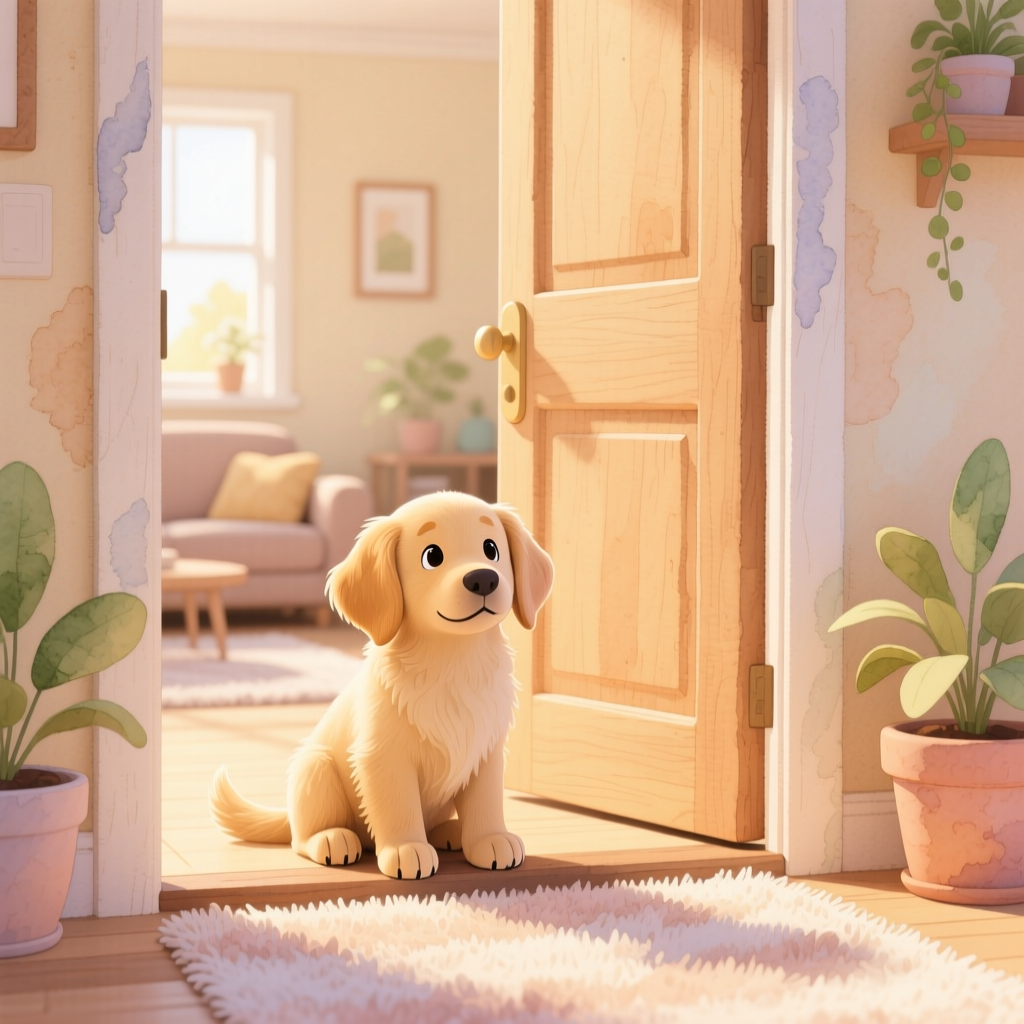
Every dog owner knows the heart-stopping panic of a door left open just a fraction of a second too long. In a flash, your dog bolts through the gap, deaf to your calls, driven by the irresistible allure of the great outdoors. Door dashing is not only a frustrating behavioral issue; it is a severe safety hazard. A dog that dashes out the front door is at immediate risk of traffic accidents, encounters with aggressive animals, or becoming permanently lost.
Fortunately, door dashing is entirely preventable. The secret lies in boundary training—a method that teaches your dog to respect invisible lines and exercise self-control, even when the door is wide open and the neighborhood is full of distractions. Whether you have a high-energy working breed or a curious scent hound, this comprehensive guide will walk you through the exact steps to stop door dashing and build a reliable, life-saving boundary.
The Psychology Behind Door Dashing
Before we can correct the behavior, we must understand why dogs door dash in the first place. Dogs do not bolt out the door to be defiant or to punish their owners. Door dashing is typically driven by a combination of instinct, excitement, and a lack of impulse control.
For many breeds, the open door represents a portal to endless stimulation. Scent hounds, like the Beagle, are genetically hardwired to follow their noses. If a door opens and the wind carries the scent of a rabbit or a neighbor's barbecue, their instinct to track overrides their training. Similarly, northern breeds like the Siberian Husky possess an intense wanderlust and a high prey drive, making them notorious escape artists.
Furthermore, the modern indoor environment can sometimes lack sufficient mental and physical enrichment. When a dog is under-stimulated, an open door is the most exciting event of their day. The sudden rush of adrenaline creates a state of hyper-arousal, making it nearly impossible for them to process verbal commands. By implementing boundary training, we are not just teaching a dog to 'sit'; we are rewiring their emotional response to an open door, shifting them from a state of frantic excitement to one of calm observation.
Essential Tools for Boundary Training
Setting yourself up for success requires the right equipment. You cannot rely on verbal commands alone when teaching a dog to respect a high-stakes boundary. Gather the following tools before you begin your training sessions:
- A Secure Harness: Avoid attaching a leash to a flat collar during boundary training, as sudden movements can cause tracheal damage. A well-fitted, front-clip or dual-clip harness gives you secure control without harming your dog.
- A Long Line Leash: A 15-to-30-foot long line is crucial for the later stages of training. It provides a safety net while allowing your dog the freedom to make choices and learn from natural consequences.
- High-Value Treats: Dry kibble will not cut it when competing with the great outdoors. Use boiled chicken, hot dogs, or string cheese to keep your dog's focus on you.
- A Treat Pouch: Keep your rewards easily accessible so you can mark and reward good behavior in a fraction of a second.
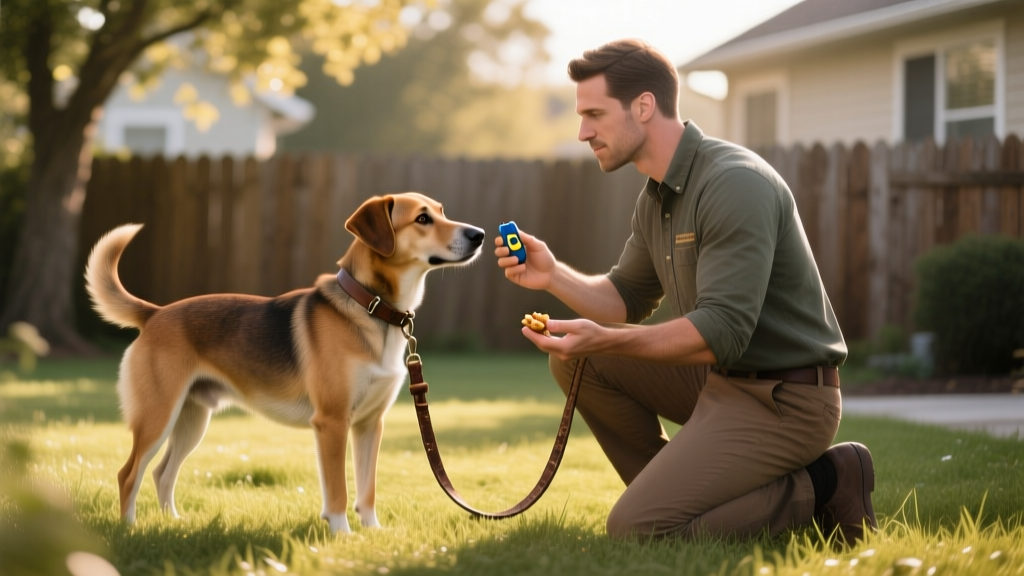
- A Clicker or Marker Word: Consistent timing is everything. If you prefer not to use a clicker, choose a sharp marker word like 'Yes!' and use it exclusively to mark correct behaviors.
If your dog struggles with basic leash manners, it is highly recommended to review our complete leash training guide before tackling door boundaries, as a dog that pulls heavily on the leash will be much harder to manage near an open threshold.
Step-by-Step Boundary Training Protocol
Boundary training is a progressive process. Do not rush through these steps. If your dog fails at any stage, calmly return to the previous step and practice until they are completely confident.
Step 1: Establish the 'Place' Command
The foundation of door boundary training is giving your dog a specific job to do when the door opens. Teaching a solid place command on a mat or dog bed located a few feet away from the door is ideal. Start by luring your dog onto the mat, marking the behavior, and rewarding them. Gradually increase the duration they must stay on the mat before receiving a treat. The mat becomes their designated 'waiting zone' where they learn that calm behavior yields rewards.
Step 2: Leashed Door Approaches
With your dog on a leash and wearing their harness, approach the closed door. Do not touch the handle yet. Simply stand near the door. If your dog sits or remains calm, mark and reward. If they jump, paw, or whine at the door, ignore them completely or take a step back until they settle. The goal here is to teach the dog that proximity to the door does not automatically mean the door will open.
Step 3: The Door Handle Touch
Reach out and touch the door handle. If your dog remains seated or stays on their mat, mark and reward. If they break their position and rush the door, immediately remove your hand from the handle and reset. Repeat this until your dog realizes that the sound and sight of a hand on the handle is a cue to anchor themselves to their spot, not a cue to launch forward.
Step 4: The 'Crack' and the Threshold
This is where impulse control is truly tested. Give your 'Wait' or 'Stay' cue, turn the handle, and open the door just one inch. If your dog moves forward, instantly close the door. Do not yell or jerk the leash; the closing of the door is the natural consequence of breaking the boundary. Wait for your dog to settle, then try again. Gradually increase the gap—two inches, six inches, then fully open. If the dog holds their boundary with the door wide open, deliver a jackpot reward (a handful of high-value treats).
Step 5: Adding the Release Word
Your dog must learn that they can only cross the threshold when explicitly invited. Introduce a release word like 'Free' or 'Okay.' Open the door, wait for a moment of stillness, say your release word, and enthusiastically encourage your dog to walk through the door with you. This teaches them that patience is the key to getting what they want.
Handling Guests, Deliveries, and High-Distraction Scenarios
A dog may hold a perfect boundary when it is just you and them in a quiet house, but what happens when the doorbell rings? The doorbell is a massive environmental trigger that sends most dogs into a frenzy. To combat this, you must desensitize your dog to the sound.
Record the sound of your doorbell on your phone or use a smart home device to trigger the chime at random times when no one is actually at the door. When the chime sounds, immediately cue your dog to go to their 'Place' or sit on their boundary mat. Reward heavily for compliance. Over time, the doorbell will shift from being a trigger for chaotic door dashing to a cue for running to their mat and waiting for a treat.
When expecting guests, manage the environment before opening the door. Put your dog on a leash or place them behind a baby gate. Instruct your guests to ignore the dog until they are calm and all four paws are on the floor. If your dog struggles with excitement around visitors, incorporating daily impulse control games into your routine will drastically improve their overall emotional regulation.
Pro Tips for Success & Common Mistakes to Avoid
Even the most dedicated owners can stumble during boundary training. Keep these pro tips in mind and avoid the common pitfalls that can set your progress back.
Pro Tips for Success
- Practice at Every Door: Dogs do not generalize well. A dog that respects the front door boundary might still dash out the back patio door or the car door. Practice your boundary protocol at every single exit in your home and vehicle.
- Use the Long Line for Proofing: Once your dog understands the concept, attach a long line and practice outside. Drop the leash and open the door. If they dash, the long line prevents them from escaping while allowing you to calmly guide them back to the threshold to try again.
- Reward the Choice: The ultimate goal is for the dog to choose to stop at the door without a leash or a command. When you catch your dog approaching an open door and stopping on their own, praise them lavishly and offer a high-value reward.
Common Mistakes to Avoid
- Repeating the Command: Saying 'Wait, wait, wait, wait' teaches your dog that the word 'wait' is just background noise. Say it once, clearly, and enforce the boundary by closing the door if they move.
- Using the Leash to Restrain: The leash should be a safety net, not a physical barrier. If you are physically holding your dog back with a tight leash, they are not learning impulse control; they are just being restrained. Give them enough slack to make a mistake so they can learn from the consequence of the door closing.
- Inconsistency Among Family Members: If you enforce the boundary but your partner or children routinely let the dog bolt out the door, the training will fail. Everyone in the household must adhere to the same strict rules regarding open doors.
Environmental Management Strategies
Training takes time, and until your dog's boundary training is 100% reliable, you must manage their environment to ensure their safety. Management prevents the dog from practicing the unwanted behavior while they are still learning.
- Baby Gates: Install a sturdy, tall baby gate a few feet inside the front door. This creates a physical barrier that prevents door dashing even if the main door is left wide open.
- The 'Airlock' System: If you have a fenced yard, create an airlock system using two gates. The dog must pass through the first gate, which is closed behind them, before the second gate to the street is opened.
- Visual Barriers: If your dog dashes because they see people or animals walking by through a glass storm door, apply frosted window film to the lower half of the glass. Removing the visual trigger can significantly reduce their urge to bolt.
- Leash Hooks by the Door: Install a sturdy hook near the exit and make it a house rule that the dog must be clipped to a 'house line' before the door is opened for deliveries or quick bathroom breaks.
Frequently Asked Questions
How long does it take to stop door dashing?
The timeline for stopping door dashing varies wildly depending on the dog's age, breed, and how long the behavior has been practiced. A young puppy might grasp the concept of a threshold boundary in two to three weeks of consistent daily practice. An adult dog that has been successfully door dashing for years may require several months of dedicated training and strict environmental management. Consistency is far more important than speed; rushing the process will only lead to relapses.
What if my dog breaks the boundary and escapes?
If your dog manages to slip out, do not chase them. Chasing turns the escape into a thrilling game of tag, and most dogs will easily outrun you. Instead, turn and run in the opposite direction, calling them in an excited, playful voice, or drop to the ground and act incredibly interesting. Once they return, do not punish them; reward them heavily for coming back. To prevent future disasters, ensure your dog is microchipped and wearing a collar with up-to-date ID tags, and review our guide on building a reliable recall.
Can older dogs learn boundary training?
Absolutely. The old adage that 'you can't teach an old dog new tricks' is entirely false. While older dogs may have deeply ingrained habits and might require a bit more patience to unlearn the behavior, they are fully capable of understanding boundaries. In fact, older dogs often have longer attention spans and better impulse control than adolescents, which can sometimes make the later stages of boundary training progress much faster.
Should I use a shock collar to stop door dashing?
We strongly advocate for positive reinforcement and force-free boundary training over the use of aversive tools like shock collars. While a shock collar might suppress the behavior temporarily through fear, it does not teach the dog what they *should* be doing, and it can create severe negative associations with the door, the outdoors, or the owner. Furthermore, if a dog's prey drive or fear response is high enough, they will run right through the shock, potentially associating the pain with whatever they saw outside (like a child or another dog), leading to severe behavioral fallout. Stick to harnesses, long lines, and high-value rewards for a safer, more humane, and ultimately more reliable result.
By committing to this boundary training protocol, you are giving your dog the gift of safety and the freedom to enjoy the outdoors under your watchful, trusting eye. Patience, consistency, and high-value rewards will transform your door-dashing dog into a polite, threshold-respecting companion.
Jonas Cole
All our authors care for dogs every day — read more of their work on the authors page.