How to Stop Your Dog from Jumping on Guests
Simple, humane training techniques to stop your dog from jumping on guests—no yelling or punishment needed.

Why Dogs Jump on Guests (and Why It’s Not Just Excitement)
Jumping isn’t just a silly habit—it’s your dog’s instinctive way of seeking attention, greeting at nose level (a natural canine behavior), or expressing overstimulation. While it may seem harmless with small dogs, jumping can be dangerous for children, elderly guests, or those with mobility issues. Worse, rewarding the behavior—even unintentionally (e.g., saying “No!” while making eye contact or pushing them off)—reinforces it. The good news? With consistency and positive reinforcement, most dogs learn polite greetings in 2–4 weeks.
Step-by-Step Training Plan
1. Manage the Environment First
Before training begins, prevent rehearsal of the unwanted behavior. When guests arrive:
- Keep your dog on a leash indoors during high-traffic times.
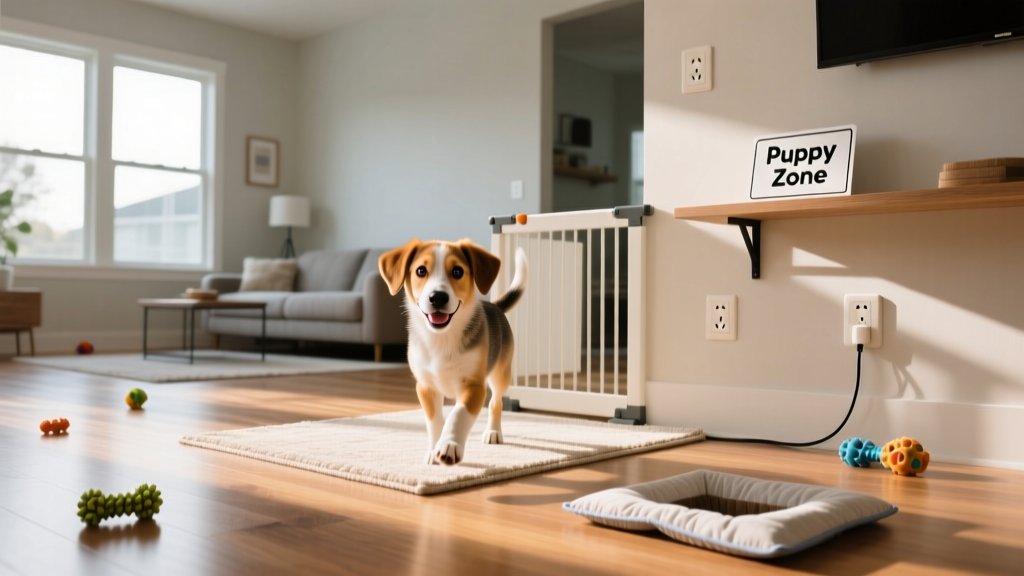
- Use a baby gate or crate with a chew toy to create a calm ‘welcome zone’ away from the door.
- Ask guests to ignore your dog completely until all four paws are on the floor—even if that means turning sideways, avoiding eye contact, and staying silent.
2. Teach an Incompatible Behavior
Dogs can’t jump and sit (or stand calmly) at the same time. Choose one reliable cue—like “Sit” or “Four on the Floor”—and practice daily:
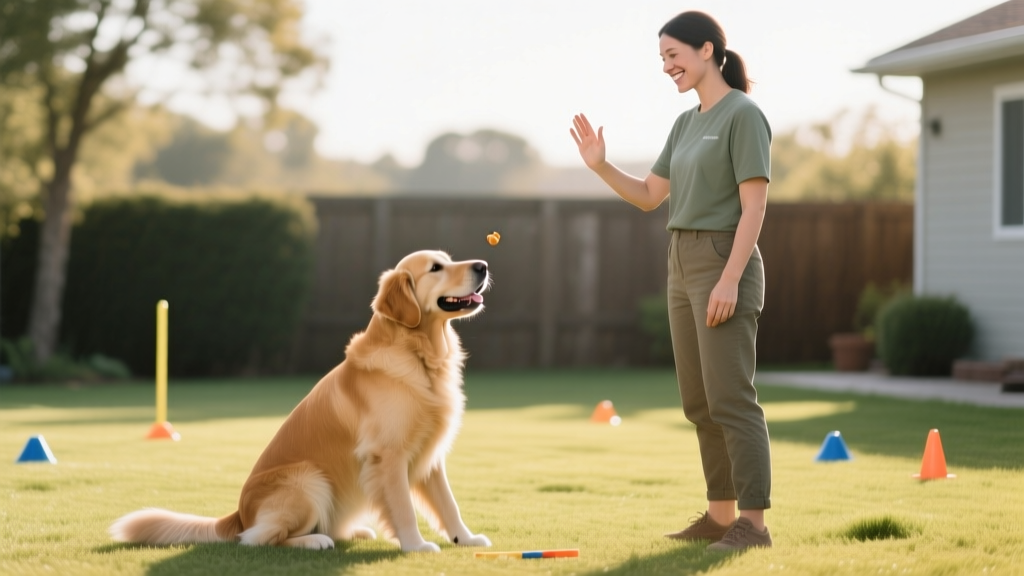
- Use high-value treats (e.g., tiny pieces of chicken or cheese) only for this exercise.
- Practice near the front door with no distractions: say the cue, reward the instant your dog sits, then release with “Okay!”
- Gradually add mild distractions (e.g., jingling keys, knocking), then simulate guest arrivals with a family member.
3. Practice Realistic Scenarios
Once your dog responds reliably indoors, move to controlled guest rehearsals:
- Have a friend ring the doorbell while your dog is on leash.
- Before opening the door, cue “Sit.” If your dog sits, click/treat immediately—even before the guest enters.
- Only allow the guest inside once your dog remains seated. The guest should then approach slowly and deliver a treat *only* while your dog stays seated.
- If your dog breaks the sit, calmly step sideways (not backward), reset with the cue, and try again—no scolding.
What NOT to Do
Avoid outdated or counterproductive methods that damage trust or escalate anxiety:
- Don’t knee or push down: This can cause pain, fear, or aggression—and teaches your dog that human bodies are unpredictable.
- Don’t use spray bottles or shock collars: These suppress behavior without teaching an alternative, often increasing stress-related jumping later.
- Don’t say “Off!” while petting or leaning into the jump: Your tone and physical engagement accidentally reward the behavior.
- Don’t punish after the fact: Dogs don’t connect delayed corrections to past actions—they’ll only associate your anger with your presence.
Troubleshooting Common Challenges
My dog only jumps for certain people
This usually signals heightened excitement (e.g., kids running, high-pitched voices) or inconsistent responses from different household members. Ensure *everyone* follows the same protocol—including children, who can be taught to hold treats low and wait for a sit before offering one.
My dog jumps more when excited or anxious
Excitement-based jumping often stems from insufficient physical or mental exercise. Add a 15-minute puzzle toy session or brisk walk 30 minutes before expected guests. For anxiety-driven jumping (panting, whining, pacing), consult a certified behaviorist—jumping may be a displacement behavior masking fear.
It’s been weeks and nothing’s working
Revisit consistency: Are treats used *only* for calm behavior? Is everyone ignoring jumps? Are you asking for too much too soon? Try lowering criteria—reward just one second of stillness, then two, then three. Also, rule out medical causes: joint pain or vision loss can make standing still uncomfortable, prompting frantic movement.
Maintaining Long-Term Success
Even well-trained dogs may regress if expectations shift. Prevent backsliding by:
- Practicing the “sit-and-greet” routine 2–3x per week—even with familiar people.
- Using a verbal cue like “Hello!” only *after* your dog sits, so it becomes associated with calm behavior—not the arrival itself.
- Gradually fading treats: replace food rewards with praise, ear scratches, or play—but never eliminate all reinforcement entirely.
- Teaching guests how to help: A simple printed card by your door (“Please wait for Sparky to sit—then he’ll get a treat!”) works wonders.
When to Seek Professional Help
Contact a Certified Professional Dog Trainer (CPDT-KA) or veterinary behaviorist if your dog’s jumping is paired with growling, stiff body language, resource guarding, or sudden onset in adulthood. These signs may indicate underlying anxiety, pain, or neurological changes requiring expert assessment.
Remember: Stopping jumping isn’t about dominance—it’s about clear communication, empathy, and giving your dog better tools to express themselves. With patience and positivity, you’ll build not just polite greetings, but deeper mutual understanding. Your guests (and your dog) will thank you.
Marcus Reeves
All our authors care for dogs every day — read more of their work on the authors page.