Gun Dog Training Tips for Beginners: A Complete
Master gun dog training with our beginner-friendly guide.
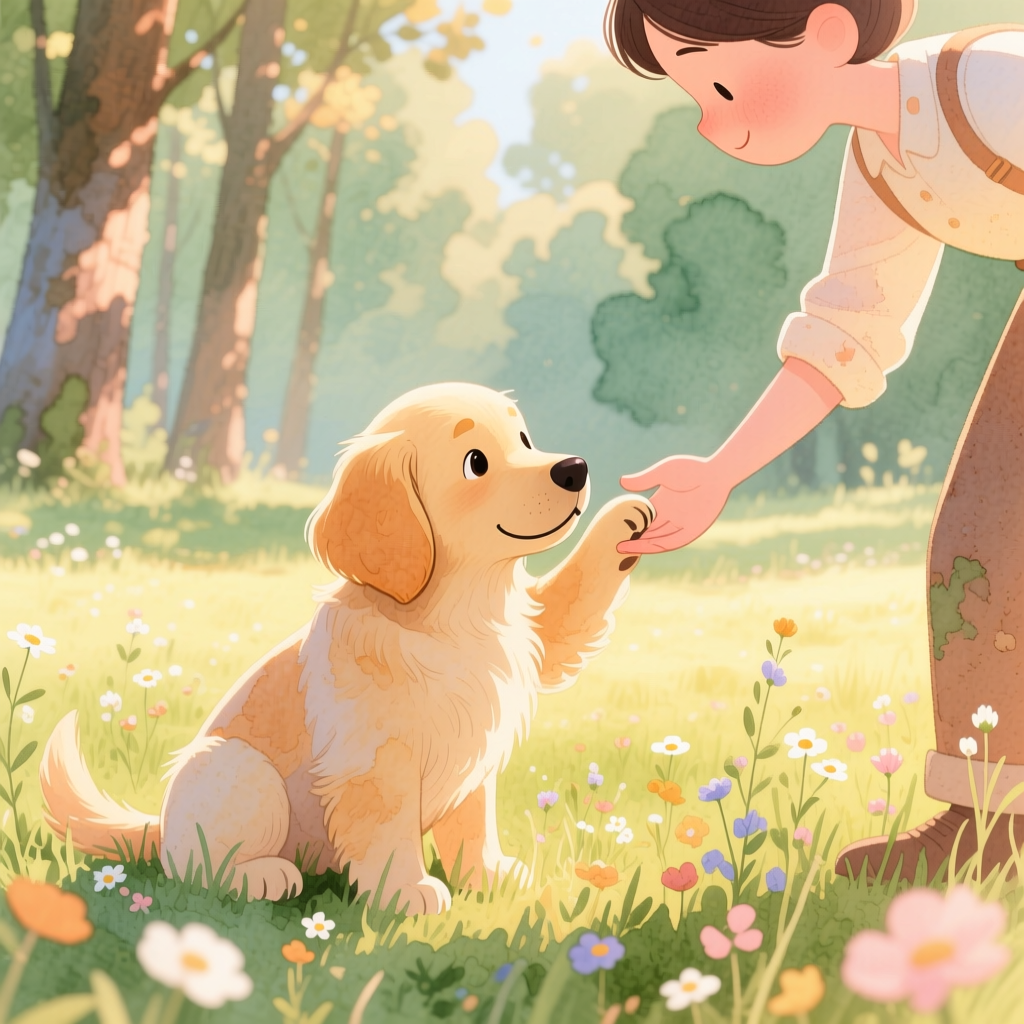
There is something deeply rewarding about watching a well-trained gun dog work the field with precision, enthusiasm, and an unbreakable bond with its handler. Whether you dream of flushing pheasants through golden grasslands or watching your retriever glide across a marsh at dawn, the journey begins long before the first shot is ever fired. Gun dog training is an art that blends patience, consistency, and a genuine understanding of canine instinct into a partnership that can last a lifetime.
For beginners, the world of gun dog training can feel overwhelming. There are specialized commands, equipment choices, and training philosophies that seem to multiply with every forum post and YouTube video you encounter. The truth is, however, that every accomplished gun dog started exactly where yours is right now — as an eager pup with raw potential and a handler willing to learn alongside them.
This comprehensive guide walks you through the foundational principles of gun dog training, from building basic obedience to introducing field-specific skills. Whether you are working with a Labrador Retriever, an English Springer Spaniel, a German Shorthaired Pointer, or any other sporting breed, the principles outlined here will set you and your dog on the right path. Let us dive into everything you need to know to start your gun dog training journey with confidence.
Building the Foundation: Essential Obedience Before Fieldwork
Before your dog ever sets paw in a field, it must master a rock-solid foundation of basic obedience. This is the single most important phase of gun dog training, and it is where most beginners either succeed or stumble. A dog that cannot sit reliably in your kitchen will never hold a steady sit while birds flush fifty yards away. Field work amplifies every weakness in your dog's training, so investing time here pays dividends for years to come.
The Core Commands Every Gun Dog Must Know
Start with these five commands and do not advance to fieldwork until your dog responds to each one reliably in distracting environments:
- Sit and Stay: Your dog must sit on command and remain seated until released, even when tempted by movement, sounds, or other animals. This command is the backbone of steadiness in the field.
- Recall (Here/Come): A reliable recall is non-negotiable. Your dog must return to you immediately when called, regardless of what it is doing or what distractions surround it. Use a long training lead during early practice to maintain control.
- Heel: Walking calmly at your side without pulling is essential for navigating to and from hunting areas, working through cover, and maintaining control in unpredictable environments.
- Leave It: This command prevents your dog from chasing wildlife, eating potentially dangerous items, or breaking focus during a hunt. Practice with treats, toys, and eventually live distractions.
- Down/Place: Teaching your dog to go to a specific spot and remain there builds the discipline needed for remaining steady while you handle birds or set up for a shot.
Training Sessions: Short, Frequent, and Positive
Keep training sessions between ten and fifteen minutes, especially for young dogs. Two or three short sessions per day are far more effective than one exhausting hour-long drill. Always end on a positive note — a successful command, a playful retrieve, or a simple moment of praise — so your dog associates training with enjoyment rather than frustration.
Use high-value rewards during this phase. Small pieces of cooked chicken, cheese, or commercial training treats work well. As your dog becomes more reliable, you can transition to intermittent reinforcement, which actually strengthens the behavior over time. For a deeper look at building obedience skills, check out our basic dog obedience training guide.
Introducing Retrieving and Scent Work
Once your dog has a firm grasp on basic obedience, you can begin introducing the skills that define a gun dog: retrieving and scent work. These activities tap into your dog's natural predatory instincts and channel them into controlled, purposeful behavior. This is where training starts to feel exciting, because you will see your dog's innate abilities emerge in real time.
Developing a Soft Mouth and Retrieving Drive
Retrieving is perhaps the most iconic gun dog skill, and it begins with building enthusiasm for carrying objects. Start with soft canvas dummies or rolled-up socks in a hallway or enclosed yard. Toss the dummy a short distance and encourage your dog to pick it up. When it does, call it back and offer a trade — a treat or a second toy — in exchange for the dummy. Never chase your dog or forcefully pull the dummy from its mouth, as this creates possessiveness and a hard mouth.
As your dog becomes confident with short retrieves, gradually increase the distance and introduce different terrains. Practice retrieves on grass, through shallow water, over low obstacles, and in light cover. The goal is to build a dog that will retrieve anything, anywhere, without hesitation. For breeds with strong natural retrieving instincts like the Golden Retriever or the Chesapeake Bay Retriever, this phase often progresses quickly.
Introducing Scent Work
Scent work is critical for flushing breeds and pointing breeds alike. Begin by letting your dog watch you hide a treat-laden toy or a scented dummy in an easy location. Encourage it to "find it" using an enthusiastic voice. Gradually increase the difficulty by hiding items in taller grass, under brush, or in areas with competing scents.
For pointing breeds such as the English Pointer or the German Shorthaired Pointer, introduce bird-wing dummies or scent pads attached to training bumpers. Let your dog work into the wind and discover the scent cone naturally. When it pauses or shows interest, praise quietly and let the instinct develop without excessive interference.
Adding Directional Commands
Advanced retrieving requires your dog to follow directional cues to locate downed game it did not see fall. Introduce left, right, and back commands using visible dummies placed at those positions. Stand beside your dog, point in the desired direction, and send it with a verbal cue. Over time, reduce the visibility of the dummies so your dog learns to trust your directions rather than relying solely on its own eyes. This skill, known as a "blind retrieve," is one of the hallmarks of a finished gun dog.
Gunfire Introduction and Noise Desensitization
One of the most delicate aspects of gun dog training is introducing your dog to gunfire. Done correctly, your dog will learn to associate loud noises with the excitement of retrieving. Done incorrectly, you risk creating a gun-shy dog that cowers at any sharp sound — a problem that is extremely difficult to reverse. This phase demands patience, careful timing, and an understanding of your dog's temperament.
The Gradual Approach to Gunfire
Never fire a gun near an unprepared dog. The process should unfold over weeks, not days, and should follow this progression:
- Start with environmental noise exposure. Play recorded sounds of thunder, fireworks, and gunshots at very low volume while your dog is eating or playing. Gradually increase the volume over several days, always watching for signs of stress such as tucked tail, flattened ears, or avoidance behavior.
- Introduce a cap gun or starter pistol at a distance. Have a helper stand fifty or more yards away and fire the pistol while you engage your dog in a fun activity like retrieving or playing tug. The key is for the dog to notice the sound but remain focused on the rewarding activity.
- Gradually decrease the distance. Over multiple sessions, move the shooter closer in small increments — perhaps ten yards at a time. If your dog shows any sign of concern, increase the distance again and proceed more slowly.
- Pair the sound with a retrieve. Once your dog is comfortable with the pistol at close range, time the shot with a dummy launch. The dog learns that the bang means a retrieve is coming, transforming the sound from something startling into something exciting.
- Transition to a real shotgun. Begin with a .410 or 20-gauge at a distance, following the same gradual approach. Only move to a 12-gauge when your dog shows complete indifference to smaller calibers.
Signs of Stress to Watch For
Throughout this process, monitor your dog closely. Signs of noise sensitivity include lip licking, yawning, trembling, attempting to hide, refusal to eat or play, and whites of the eyes showing. If you observe any of these behaviors, stop immediately. Go back to a point in the progression where your dog was comfortable and advance more slowly. For additional guidance on managing fear and anxiety in dogs, our dog anxiety training techniques guide offers helpful strategies.
Field Training: Putting It All Together
With obedience, retrieving, scent work, and gunfire desensitization established, you are ready to take your training into the field. This is where individual skills merge into a cohesive working partnership. Field training is both the most rewarding and the most challenging phase, because the environment is unpredictable and your dog will face real temptations.
Simulating Hunting Scenarios
Begin by setting up controlled scenarios that mimic real hunting conditions. Plant scent trails in cover, position dummies in locations that require your dog to work through obstacles, and practice sending your dog on retrieves from different angles and distances. If possible, work with a training partner who can launch dummies or flush birds while you handle your dog.
For flushing breeds like spaniels, practice working in a zigzag pattern through cover, staying within gun range (roughly twenty to thirty yards ahead of you). Use a whistle to direct your dog and reinforce the habit of checking in with you frequently. For pointing breeds, focus on developing a solid point and holding it until you arrive. Reward your dog for maintaining position rather than rushing in.
Working With Live Birds
The transition from dummies to live birds is a significant step. Start with penned birds in controlled environments, such as pigeons or quail in launch traps. Let your dog work the scent, and when it finds the bird, reinforce the behavior you want — a flush for spaniels, a steady point for pointing breeds, or a calm mark for retrievers. The first few live-bird sessions should be simple and successful, building your dog's confidence and excitement.
If you are training a retriever for waterfowl, introduce water work gradually. Start with shallow, calm water and short retrieves, then progress to deeper water, currents, and longer distances. Breeds like the Labrador Retriever typically take to water naturally, but even water-loving breeds benefit from a structured introduction.
Building Stamina and Conditioning
A hunting day can cover many miles over rough terrain, and your dog needs to be physically prepared. Incorporate regular conditioning into your training routine: long walks over varied terrain, swimming sessions, and controlled running. Build fitness gradually to prevent injury, and always provide access to fresh water during training sessions. A well-conditioned dog performs better, recovers faster, and enjoys its work more.
Essential Tips and Common Mistakes to Avoid
Even with the best intentions, beginner gun dog trainers often fall into predictable traps. Being aware of these common mistakes — and the tips that counter them — can save you months of frustration and set your dog up for long-term success.
Tips for Success
- Train in varied environments. A dog that obeys only in your backyard is not a trained gun dog. Practice in parks, fields, woodlands, and near water so your dog learns to generalize its skills.
- Use a training journal. Record each session's goals, outcomes, and observations. This helps you identify patterns, track progress, and plan future sessions effectively.
- Join a training group or club. Working alongside experienced handlers provides invaluable feedback, access to training grounds, and opportunities for your dog to work around other dogs and people.
- Invest in quality equipment. A well-fitted training collar, a sturdy long lead, quality dummies, and a reliable whistle make a significant difference in your training effectiveness.
- Celebrate small victories. Every successful recall, every clean retrieve, and every moment of steadiness deserves recognition. Positive reinforcement builds a confident, enthusiastic working dog.
Common Mistakes Beginners Make
- Moving too fast. Rushing through foundational training to get to the exciting fieldwork is the most common beginner error. A dog that has not mastered basic obedience will struggle with every advanced skill you try to teach.
- Training when frustrated. Dogs are extraordinarily sensitive to their handler's emotional state. If you feel yourself becoming impatient or angry, end the session. You can always try again tomorrow.
- Inconsistent commands. Using different words or tones for the same command confuses your dog. Decide on your command vocabulary before you begin training and stick to it. Everyone who handles the dog should use the same cues.
- Over-training. Long, repetitive sessions lead to burnout and diminished performance. Keep sessions short, varied, and engaging. It is better to leave your dog wanting more than to push until it loses interest.
- Neglecting socialization. A gun dog must be comfortable around people, other dogs, vehicles, livestock, and novel environments. Inadequate socialization creates a nervous dog that cannot focus on its work. Our puppy socialization guide covers this critical topic in detail.
- Skipping the proofing phase. Just because your dog performs a skill in training does not mean it will perform under hunting conditions. Proof every command by adding distractions, distance, and duration before considering it reliable.
Frequently Asked Questions
At what age should I start gun dog training?
Basic obedience and socialization should begin as early as eight weeks of age. Formal gun dog training — including structured retrieving, scent work, and gunfire introduction — typically begins between six and twelve months, depending on the dog's maturity and confidence. Some dogs are ready earlier, while others benefit from waiting until they are more physically and emotionally developed. The key is to follow your dog's individual pace rather than adhering to a rigid timeline. Early exposure to birds, water, and cover during puppyhood builds enthusiasm that makes formal training smoother later on.
How long does it take to train a gun dog from start to finish?
A basic gun dog — one that is steady to shot, retrieves reliably, and responds to fundamental commands in the field — typically requires six to twelve months of consistent training. A fully finished gun dog with advanced skills like blind retrieves, hand signals, and steadiness to wing and shot may take two to three years of dedicated work. Training is not a linear process; some dogs progress rapidly through certain phases and stall at others. Consistency and patience matter more than speed. Many handlers consider gun dog training an ongoing refinement that continues throughout the dog's working life.
Can I train a gun dog without professional help?
Yes, many handlers successfully train their own gun dogs without professional assistance, especially with the wealth of resources available today. Books, online courses, video tutorials, and local training clubs can provide excellent guidance. However, professional trainers offer significant advantages: they can identify problems early, provide structured programs tailored to your dog, and help you avoid common pitfalls that are difficult to recognize on your own. If you are a first-time gun dog owner, even a few sessions with a professional can set you on the right path and save considerable time and frustration.
What equipment do I need for gun dog training?
Essential equipment includes a well-fitted flat collar or training collar, a long check cord (thirty to fifty feet), a quality whistle (such as an Acme 210.5 or 211.5), retrieving dummies in various weights and colors, a treat pouch, and a sturdy lead. As you advance, you may add a remote training collar (e-collar), bird launchers, scent training aids, and a training vest with pockets for dummies and equipment. Start with the basics and add specialized gear as your training progresses. Avoid purchasing expensive equipment before you understand your training philosophy, as different methods may require different tools.
My dog is gun-shy — can it be fixed?
Gun shyness can often be improved, but the prognosis depends on severity and how the problem developed. Mild noise sensitivity that was caused by a single bad experience is generally easier to address than deep-seated fear that was reinforced over time. The rehabilitation process involves going back to the very beginning of gunfire introduction and progressing extremely slowly, pairing sounds with highly rewarding activities. In some cases, working with a professional trainer or veterinary behaviorist is the most effective approach. Patience is critical — pushing a gun-shy dog too quickly will almost certainly make the problem worse. For more on building confidence in fearful dogs, explore our anxiety training resources.
Training a gun dog is one of the most fulfilling journeys you can undertake with your canine companion. It demands time, patience, and a willingness to learn, but the reward — a dog that works with joy, precision, and an unshakable bond with you — is worth every early morning and every muddy boot. Start with a strong foundation, progress at your dog's pace, and never underestimate the power of positive reinforcement and genuine partnership. Your field days together will be all the better for it.
Aaron Whyte
All our authors care for dogs every day — read more of their work on the authors page.