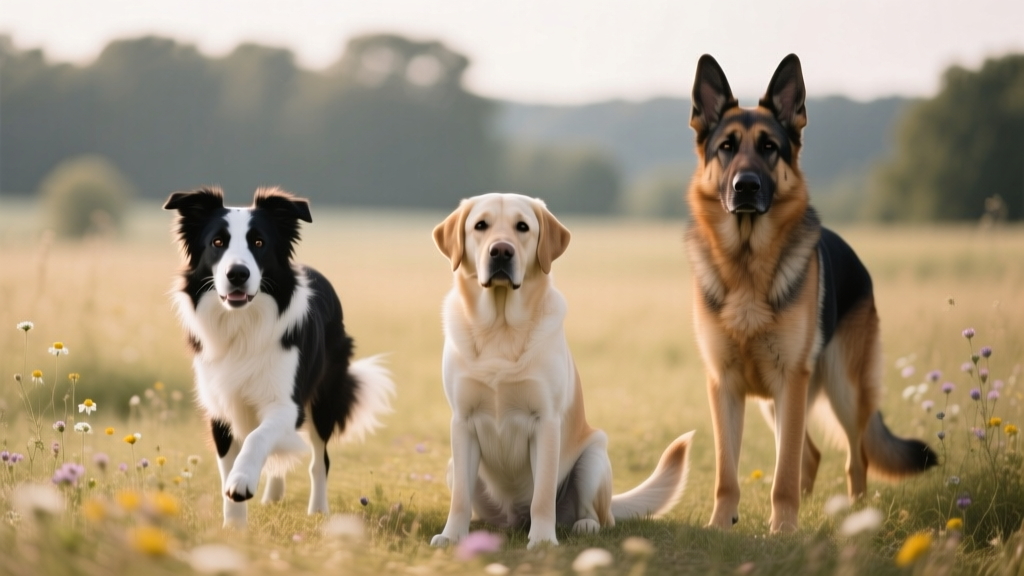
Dog Training Tips for Leash Pulling: A Complete Guide to Loose-Leash Walking
Master leash pulling with proven dog training tips. Learn step-by-step techniques, common mistakes to avoid, and expert strategies for enjoyable walks.
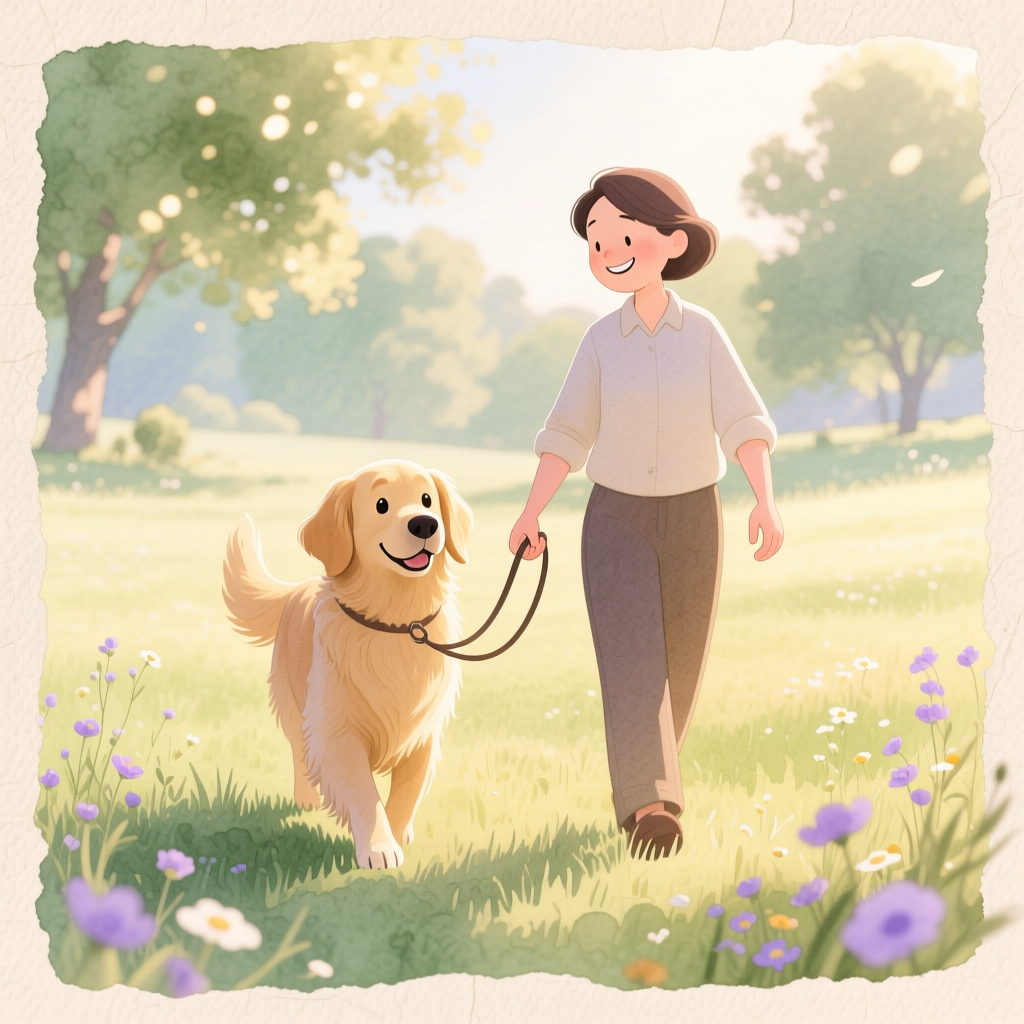
Dog Training Tips for Leash Pulling: A Complete Guide to Loose-Leash Walking
There is nothing quite as frustrating as setting out for a peaceful walk with your dog only to spend the entire time being dragged down the sidewalk like a human sled. Leash pulling is one of the most common behavioral challenges dog owners face, and it can turn what should be an enjoyable bonding experience into a stressful, exhausting ordeal. Whether you have a powerful breed like a German Shepherd or a small but determined Jack Russell Terrier, leash pulling is a habit that can — and should — be addressed with patience, consistency, and the right techniques.
The good news is that leash pulling is entirely trainable. Dogs do not naturally understand that walking beside a human on a leash is the expected behavior. In the wild, canines travel at their own pace, sniff freely, and move wherever curiosity leads them. When we attach a leash, we are essentially asking them to suppress those natural instincts and conform to our pace and direction. That is a big ask, and it requires thoughtful, reward-based training to achieve.
In this comprehensive guide, we will walk you through everything you need to know about stopping leash pulling for good. From understanding why dogs pull in the first place to step-by-step training methods, equipment recommendations, common mistakes, and frequently asked questions, this article gives you the tools you need to transform your walks from chaotic tugs-of-war into calm, enjoyable strolls. If you are new to dog training in general, our basic dog obedience commands guide is a great starting point before diving into leash-specific work.
Why Dogs Pull on the Leash: Understanding the Root Cause
Before jumping into training solutions, it is critical to understand why dogs pull on the leash in the first place. Without this understanding, many owners end up applying the wrong techniques or becoming frustrated when their dog does not respond to correction. Here are the primary reasons dogs pull:
The Opposition Reflex
Dogs have a natural physiological response known as the opposition reflex (also called the thigmotactic reflex). When pressure is applied to their chest or neck — such as when a leash goes taut — their instinct is to push against that pressure rather than yield to it. This means that when you pull back on the leash, your dog is biologically wired to pull harder in the opposite direction. This reflex is one of the main reasons why simply yanking on the leash or using constant tension actually makes pulling worse over time.
Excitement & Overstimulation
The world outside your front door is filled with incredible smells, sounds, sights, and potential social interactions. For most dogs, a walk is the highlight of their day. This excitement can easily overwhelm their ability to focus on you or remember their training. High-energy breeds such as Border Collies, Siberian Huskies, and Labrador Retrievers are particularly prone to excitement-driven pulling because their enthusiasm for the outdoors is so intense.
Lack of Training
Many dogs have simply never been taught what is expected of them on a leash. They have learned through repetition that pulling gets them where they want to go — the park, the fire hydrant, the neighbor's dog. Every time they pull and successfully reach their destination, the behavior is reinforced. In their mind, pulling works, so they keep doing it.
Insufficient Exercise & Mental Stimulation
A dog with pent-up energy is far more likely to pull. If your dog is not getting adequate physical exercise and mental enrichment throughout the day, that energy will explode the moment you clip on the leash. Addressing pulling often requires looking at the bigger picture of your dog's daily routine. Our guide on mental stimulation games for dogs offers excellent ways to tire your dog out before heading out for a walk.
Fear or Anxiety
Some dogs pull not because they are excited, but because they are anxious or fearful. A dog who feels unsafe may pull to escape from perceived threats — other dogs, loud noises, unfamiliar people, or busy environments. If your dog's pulling seems fear-based, it is important to approach training with extra sensitivity and consider working with a professional behaviorist. Our article on dog socialization tips can help build your dog's confidence in new environments.
Essential Equipment for Leash Training
The right equipment can make a significant difference in your leash training success. However, it is important to understand that no piece of equipment will train your dog for you — equipment is a tool that supports your training, not a replacement for it. Here is a breakdown of the most effective options:
Front-Clip Harnesses
A front-clip harness is widely regarded as one of the best tools for managing leash pulling. The leash attaches to a ring on the front of the harness at the dog's chest. When the dog pulls forward, the front attachment gently redirects them back toward the handler, disrupting their forward momentum without causing pain or discomfort. This makes it an excellent choice for powerful pullers and is safe for dogs of all sizes. When selecting a front-clip harness, look for one with padded straps, a secure fit, and a handle on the back for added control.
Standard Flat Collars
A standard flat collar is suitable for dogs who already have some leash manners and need only light guidance. For strong pullers, flat collars can put excessive pressure on the trachea and are generally not recommended as the primary training tool. However, they are useful for attaching ID tags and as a backup attachment point alongside a harness.
Head Halters
Head halters (such as the Gentle Leader or Halti) fit around the dog's muzzle and behind the head, giving you control over the direction their head faces. Since a dog's body follows their head, this can be very effective for strong pullers. However, head halters require a careful acclimation period because many dogs initially resist having something on their muzzle. Never jerk or snap the leash when using a head halter, as this can cause neck injury.
The Right Leash
Your leash choice matters more than you might think. For leash training, a standard 4-to-6-foot flat leash made of nylon or leather is ideal. Avoid retractable leashes during training — they teach dogs that pulling extends the leash (exactly the opposite of what you want) and give you very little control. Retractable leashes also pose safety risks, including rope burns and the inability to quickly restrain your dog in an emergency. Once your dog has mastered loose-leash walking, you can consider using a longer line for supervised exploration in safe areas.
High-Value Treats
No leash training session should go without a generous supply of high-value treats. These should be small, soft, and extremely appealing to your dog — think tiny pieces of chicken, cheese, hot dogs, or commercial training treats that your dog absolutely loves. The treats need to be more interesting than the environment around your dog, which is why ordinary kibble often will not cut it during outdoor training. Keep treats in a treat pouch attached to your waist for quick, easy access.
Step-by-Step Training Methods to Stop Leash Pulling
Now that you understand the causes and have the right equipment, it is time to get into the actual training. The methods below are rooted in positive reinforcement and have been proven effective by professional dog trainers worldwide. Consistency and patience are essential — do not expect overnight results, but do expect progress if you commit to daily practice.
Method 1: The Stop-and-Stand Technique
This is one of the simplest and most effective methods for teaching a dog that pulling does not get them where they want to go.
- Begin in a low-distraction environment. Start inside your home, in your backyard, or in a quiet area where your dog can focus on you without being overwhelmed by stimuli.
- Clip the leash and start walking. Hold the leash with both hands — one hand near your body as an anchor and the other hand managing slack.
- Stop immediately when the leash goes taut. The moment your dog pulls and the leash tightens, stop walking completely. Stand still like a tree. Do not yank, jerk, or pull back — simply stop.
- Wait for your dog to release the tension. Your dog may look back at you, sit down, or take a step back. The moment the leash becomes loose again, praise enthusiastically and resume walking.
- Repeat consistently. Every single time the leash goes tight, stop. Every time it loosens, walk forward. Your dog will begin to learn that pulling = stopping, and a loose leash = forward movement.
This method requires enormous patience, especially in the early stages when you may stop dozens of times in a single walk. However, it teaches a clear and consistent message that your dog can understand. Most dogs begin showing improvement within one to two weeks of daily practice.
Method 2: The Direction-Change Technique
This method teaches your dog to pay attention to your movements and stay close to your side.
- Walk forward with your dog on a loose leash. Keep treats ready in your hand or pouch.
- When your dog pulls ahead, immediately turn and walk in the opposite direction. Say a cue word like "let's go" as you turn. Do not jerk the leash — simply change direction smoothly.
- When your dog catches up and is walking beside you, reward with a treat and praise. Deliver the treat at your side, at the seam of your pants, so your dog learns that the reward zone is right next to you.
- Continue changing directions unpredictably. Turn left, turn right, do a U-turn, stop and start. This keeps your dog engaged and focused on you because they never know where you are going next.
- Gradually increase the distance between direction changes as your dog improves, rewarding them for maintaining a loose leash over longer stretches.
This technique is particularly effective for dogs who are highly food-motivated and for owners who prefer a more dynamic, engaging training style. It also provides excellent mental stimulation for your dog, which helps burn off excess energy during the walk itself.
Method 3: The Reward-Position Method
This method focuses on heavily rewarding your dog for being in the correct position — walking beside you with a loose leash.
- Decide which side you want your dog to walk on. The left side is traditional, but either side is fine as long as you are consistent.
- Hold a treat in the hand on the same side as your dog. Keep your hand at your hip or thigh level.
- Walk forward and reward your dog every few steps for staying in position with a loose leash. In the beginning, you may reward every two to three steps.
- Gradually increase the number of steps between rewards. Move from every three steps to every five, then every ten, then every twenty, and so on.
- Introduce a verbal cue such as "heel" or "with me" as your dog walks in position, so they begin to associate the word with the behavior.
- Slowly fade the treats over weeks of practice, replacing food rewards with verbal praise, petting, and the natural reward of continuing the walk.
This method works beautifully when combined with the stop-and-stand or direction-change techniques. Together, they create a comprehensive training approach that addresses both the unwanted behavior (pulling) and the desired behavior (walking politely beside you).
Method 4: Pre-Walk Energy Management
This is not a standalone training method but a critical supporting strategy that makes all other methods more effective.
- Engage your dog in 10-15 minutes of active play or exercise before your walk. Play fetch, tug, or run through a quick agility course in your yard.
- Do a brief training session indoors before heading out. Practice sit, down, stay, and other basic obedience commands to get your dog into a focused, working mindset.
- Practice calm door behavior. Ask your dog to sit and wait before opening the door. If they break the sit, close the door and try again. This teaches impulse control, which is the foundation of leash manners.
- Only begin the walk when your dog is calm. If they are bouncing with excitement at the door, wait. The walk does not start until your dog demonstrates composure.
Tips for Success & Common Mistakes to Avoid
Even the best training methods can fail if they are undermined by common errors. Here are essential tips to maximize your success and the most frequent mistakes that sabotage leash training progress.
Tips for Success
- Keep training sessions short. Aim for 10-15 minutes of focused leash training at a time. Longer sessions lead to frustration for both you and your dog. You can do multiple short sessions throughout the day.
- Start in low-distraction environments and gradually increase difficulty. Master loose-leash walking in your living room before your backyard, your backyard before a quiet street, and a quiet street before a busy park. This systematic approach is called proofing, and it is essential for reliable behavior.
- Be consistent every single time. If you allow your dog to pull sometimes — like when you are in a hurry or tired — you undermine all of your training. The rules must be the same every time the leash goes on.
- Use a marker word or clicker. A marker (like the word "yes" or a click from a clicker) tells your dog exactly which moment they did something right. Mark the instant the leash goes loose, then deliver the treat. This precision speeds up learning significantly.
- Celebrate small victories. If your dog walked three steps without pulling today and yesterday it was only one step, that is progress. Training is a journey, and acknowledging incremental improvement keeps you motivated.
- Walk at a brisk pace. A faster pace gives your dog less time to sniff, scan, and get distracted. Many dogs pull simply because the human pace is too slow for their natural walking speed.
- Incorporate sniff breaks as rewards. After a stretch of good loose-leash walking, release your dog with a cue like "go sniff" and let them explore. This teaches them that polite walking earns them access to the things they want.
- Consider your dog's breed tendencies. Scent hounds like Beagles are driven to follow their noses, while herding breeds like Australian Shepherds may want to chase movement. Understanding your dog's breed-specific instincts helps you anticipate challenges and tailor your training approach.
Common Mistakes to Avoid
- Using punishment-based methods. Jerking the leash, yelling, or using aversive tools like prong collars or shock collars can suppress pulling temporarily but often create fear, anxiety, and other behavioral problems. Positive reinforcement builds trust and produces more reliable long-term results.
- Allowing pulling to "work." Every time your dog pulls and you follow them to where they wanted to go, you have just reinforced pulling. This is the single biggest mistake owners make. If the leash is tight, forward movement must stop — no exceptions.
- Inconsistency between family members. If one person enforces loose-leash rules and another lets the dog pull, your dog will be confused and training will stall. Everyone who walks the dog must follow the same protocol.
- Expecting too much too soon. Leash training takes weeks or months of consistent practice, not days. Dogs who have been pulling for years will need more time to unlearn the habit. Set realistic expectations and be patient.
- Training in high-distraction environments too early. Trying to teach loose-leash walking at a busy dog park or crowded street before your dog has mastered the basics indoors is setting both of you up for failure. Build the foundation first.
- Holding constant tension on the leash. A tight leash communicates to your dog that they should pull. Keep the leash loose whenever possible, with a relaxed J-shape between your hand and your dog's harness.
- Neglecting your own body language. Dogs are incredibly attuned to our body language. If you are tense, frustrated, or gripping the leash tightly, your dog will sense that energy and become more anxious and reactive. Stay calm, breathe, and project relaxed confidence.
Advanced Strategies for Stubborn Pullers
If you have been practicing the methods above consistently for several weeks and your dog is still pulling significantly, it may be time to incorporate some advanced strategies.
The Engagement Game
Before every walk, play a quick engagement game to build focus. Hold a treat near your face and reward your dog every time they make eye contact with you. Gradually increase the duration of eye contact required before the reward. This teaches your dog that checking in with you is highly rewarding — a skill that transfers directly to leash walking. For more focus-building exercises, our puppy training fundamentals guide covers foundational attention exercises that benefit dogs of all ages.
Structured Walks vs. Sniffaris
Not every walk needs to be a training session. Consider alternating between structured training walks (where loose-leash rules are strictly enforced) and decompression walks (sometimes called "sniffaris") where your dog is given a long line and allowed to sniff and explore freely in a safe area. This balance prevents frustration and ensures your dog's mental and sensory needs are met. Decompression walks are especially valuable for high-drive breeds and working dogs who need to engage their noses to feel fulfilled.
Desensitization to Triggers
If your dog pulls specifically toward certain triggers — other dogs, squirrels, children, bicycles — you need to address those triggers directly through desensitization and counter-conditioning. Start at a distance from the trigger where your dog notices it but remains calm. Reward heavily for looking at the trigger and then back at you. Gradually decrease the distance over multiple sessions as your dog learns that the presence of the trigger predicts good things from you rather than a frantic charge forward. Our guide on managing dog reactivity provides a deeper dive into this process.
When to Seek Professional Help
If you have been working diligently for several months without improvement, or if your dog's pulling is accompanied by aggression, extreme fear, or other concerning behaviors, it is time to consult a certified professional dog trainer or veterinary behaviorist. There is no shame in seeking help — a qualified professional can observe your specific situation, identify issues you may not see, and create a customized training plan. Look for trainers who use force-free, science-based methods and hold certifications from reputable organizations.
Frequently Asked Questions
How long does it take to train a dog to stop pulling on the leash?
The timeline varies significantly depending on your dog's age, breed, temperament, and how long the pulling habit has been established. For a young puppy with no established pulling habit, you may see reliable loose-leash walking within two to four weeks of daily practice. For an adult dog who has been pulling for years, expect the process to take two to six months of consistent training. The key factor is consistency — dogs whose owners enforce the rules every single time learn much faster than dogs whose owners are inconsistent. Remember that leash training is not a one-and-done event; it is an ongoing practice that becomes more natural over time as both you and your dog build the habit together.
Is it okay to let my dog pull sometimes, like when we are in a hurry?
While it is tempting to let your dog pull when you are short on time, doing so sends a mixed message that undermines your training. Your dog does not understand the concept of "sometimes it is okay and sometimes it is not." From their perspective, pulling sometimes works and sometimes does not, which actually makes them pull harder and more persistently — a phenomenon known in behavioral psychology as intermittent reinforcement, the same principle that makes slot machines addictive. If you are in a hurry and cannot commit to enforcing loose-leash rules, consider using a different form of exercise that day, such as a backyard fetch session or a quick play session indoors, rather than reinforcing the pulling habit.
My dog walks perfectly on a leash in the yard but pulls as soon as we leave the property. What should I do?
This is an extremely common scenario and it is a classic example of a dog who has not yet generalized their training to more stimulating environments. Your yard is familiar and low-distraction, so your dog can focus on you. The moment you leave the property, the world becomes infinitely more interesting and their training falls apart. The solution is to gradually increase the level of distraction in small, manageable increments. Start by training on your sidewalk right in front of your house. Once that is reliable, move to the end of the block. Then to a slightly busier street, then to a quiet park, and so on. At each new level, expect to take a step back in performance and be generous with rewards. This gradual proofing process is essential for building reliable leash manners in the real world.
Should I use a harness or a collar for leash training?
For most dogs, a front-clip harness is the best choice for leash training. It provides control without putting pressure on the dog's neck or trachea, and the front attachment point naturally redirects the dog toward you when they pull. Flat collars are fine for dogs who already walk politely and just need a place to hang their ID tags, but they offer very little control for active pullers and can cause throat injury if the dog pulls forcefully. Head halters can be effective for very strong pullers but require a careful introduction period. Avoid aversive tools such as prong collars, choke chains, and shock collars, as these can cause physical harm and psychological damage. If you are unsure which equipment is best for your dog, consult with a certified positive-reinforcement trainer who can assess your specific situation and make personalized recommendations.
My dog only pulls toward other dogs. How do I handle that?
Pulling toward other dogs is one of the most challenging forms of leash pulling because the trigger (another dog) is dynamic, unpredictable, and highly stimulating. Start by practicing the desensitization approach described earlier — work at a distance where your dog can see other dogs but remains calm enough to take treats and focus on you. Reward heavily for any voluntary attention your dog gives you in the presence of another dog. Teach an emergency U-turn cue so you can quickly redirect your dog away from approaching dogs if needed. Over time, as your dog learns that seeing another dog means treats and attention from you rather than a chance to rush forward, the pulling response will diminish. If your dog's reaction to other dogs includes barking, lunging, or aggression alongside the pulling, this crosses into reactivity territory, and working with a professional trainer is strongly recommended. Our reactivity management guide provides additional strategies for handling these situations safely and effectively.
Final Thoughts on Conquering Leash Pulling
Leash pulling is one of the most universal challenges in dog ownership, but it is also one of the most solvable. The keys to success are understanding why your dog pulls, choosing the right equipment, applying consistent positive-reinforcement techniques, managing the environment to set your dog up for success, and above all, being patient with the process. Every dog is capable of learning to walk politely on a leash — some just need more time, more practice, and more understanding than others.
Remember that the goal is not a perfect, military-style heel on every walk. The goal is a comfortable, enjoyable experience where you and your dog can move through the world together without stress, strain, or frustration. Celebrate the small wins, stay consistent with your rules, and enjoy the journey of building a stronger bond with your dog one step at a time. For more training resources, explore our complete collection of dog training guides covering everything from puppy basics to advanced behavioral modification.
Dr. Hannah Wickes
All our authors care for dogs every day — read more of their work on the authors page.