Dog Training Tips for Potty: The Complete Housebreaking
Master potty training with proven dog training tips.
Bringing a new dog into your home is one of life's greatest joys, but let's be honest — few things test your patience quite like potty training. Whether you're working with an energetic puppy who hasn't quite figured out where the bathroom is, or an adult rescue dog adjusting to a brand-new environment, housebreaking can feel like an endless cycle of accidents, cleanup, and frustration. The good news? With the right approach, consistency, and a healthy dose of patience, every dog can learn proper potty etiquette.
Potty training isn't just about protecting your carpets and furniture. It's about establishing clear communication with your dog, building trust, and creating a routine that sets both of you up for success. Dogs thrive on structure and predictability, and when you provide that framework, they'll surprise you with how quickly they adapt. This comprehensive guide will walk you through everything you need to know — from setting up a foolproof schedule to troubleshooting setbacks — so you can turn potty training from a daily struggle into a rewarding experience for you and your furry companion.
Before diving into the specifics, it's worth noting that successful potty training often ties into broader dog training fundamentals. The principles of positive reinforcement, timing, and consistency that you'll use here will serve you well across every area of your dog's education.
Understanding How Dogs Learn Potty Habits
Before you can effectively train your dog, it's essential to understand the biology and psychology behind their potty behavior. Dogs don't soil their living spaces out of spite or laziness — they do it because they haven't yet learned where the appropriate elimination area is. In the wild, canines naturally avoid soiling their dens, and you can leverage this instinct to your advantage during the housebreaking process.
Bladder Capacity & Age
One of the most common mistakes new dog owners make is expecting too much too soon. A general rule of thumb is that puppies can hold their bladder for approximately one hour per month of age, up to about eight hours for adult dogs. A two-month-old puppy, for instance, can realistically hold it for about two hours. This means that nighttime accidents aren't a sign of failure — they're a biological reality. Understanding these limitations helps you set realistic expectations and build a schedule that works with your dog's body rather than against it.
The Role of Scent & Association
Dogs rely heavily on scent to navigate the world, and this extends to potty habits. When a dog eliminates in a particular spot, the residual scent acts as a marker that encourages them to return to that same location. This is why it's critical to thoroughly clean any indoor accidents with enzymatic cleaners specifically designed to break down urine proteins. Standard household cleaners may mask the smell to your nose, but your dog's powerful sense of smell will still detect it, essentially leaving a "bathroom sign" on your living room rug.
Positive Reinforcement vs. Punishment
Decades of animal behavior research have conclusively shown that positive reinforcement is far more effective than punishment when it comes to dog training. When your dog eliminates in the correct spot and you immediately reward them with praise, treats, or play, you're building a strong positive association with that behavior. On the other hand, punishing a dog for accidents — especially after the fact — creates fear and confusion. Your dog doesn't connect the punishment with the act of going potty indoors; instead, they learn to fear you or to hide when they need to eliminate, which makes training even harder.
If you're interested in exploring more about how dogs learn and process information, our guides on obedience training basics cover the foundational science behind canine learning in greater depth.
Setting Up a Potty Training Schedule That Works
A consistent schedule is the single most powerful tool in your potty training arsenal. Dogs are creatures of habit, and when you establish a predictable routine, their bodies naturally adjust to match it. Here's how to build a schedule that sets your dog up for success from day one.
Morning Routine
The moment your dog wakes up, their bladder is at its fullest. Make it a non-negotiable habit to take your dog outside immediately after they wake up — before breakfast, before playtime, before anything else. For puppies, this might mean carrying them outside to prevent any accidents along the way. Use a consistent verbal cue such as "go potty" or "do your business" while they're eliminating, and reward them enthusiastically the moment they finish.
Post-Meal & Post-Play Breaks
Dogs typically need to eliminate within 15 to 30 minutes after eating or drinking, and physical activity also stimulates the digestive system. Build potty breaks into your schedule after every meal, after vigorous play sessions, and after naps. For puppies under six months old, plan on taking them out every one to two hours during the day, even if they don't seem to need to go. These frequent trips outside build the habit and give your dog ample opportunity to succeed.
Evening & Nighttime Management
As bedtime approaches, begin winding down water intake about two hours before sleep. Take your dog out for one final potty break right before you go to bed, making it a calm and quiet outing rather than a play session. For puppies, setting an alarm for a middle-of-the-night potty break during the first few weeks can prevent overnight accidents and accelerate the learning process. Most puppies can sleep through the night without a break by the time they're four to five months old.
Sample Daily Potty Schedule
- 6:30 AM — First potty break immediately upon waking
- 7:00 AM — Breakfast, followed by a potty break 15–20 minutes later
- 9:00 AM — Potty break after morning play or training session
- 11:00 AM — Midday potty break
- 12:30 PM — Lunch (for puppies under six months), followed by potty break
- 2:30 PM — Afternoon potty break
- 5:00 PM — Potty break after afternoon activity
- 6:30 PM — Dinner, followed by potty break 15–20 minutes later
- 8:30 PM — Evening potty break
- 10:00 PM — Final potty break before bedtime
- 2:00 AM — Nighttime potty break (puppies under four months only)
This schedule is a starting template — adjust the timing to fit your daily life, but keep the intervals consistent. Different breeds may have slightly different needs; for example, smaller breeds like Chihuahuas have tinier bladders and may need more frequent breaks, while larger breeds like Labrador Retrievers may be able to hold it a bit longer as they mature.
Step-by-Step Potty Training Methods
There are several proven approaches to potty training, and the best method depends on your living situation, your dog's age, and your personal preferences. Below, we break down the three most effective methods with detailed, actionable steps.
Method 1: Direct Outdoor Training
This is the gold standard for housebreaking and works best for dogs with access to a yard or outdoor space.
- Choose a designated potty spot — Select a specific area in your yard and always take your dog to the same spot. The accumulated scent will serve as a natural prompt.
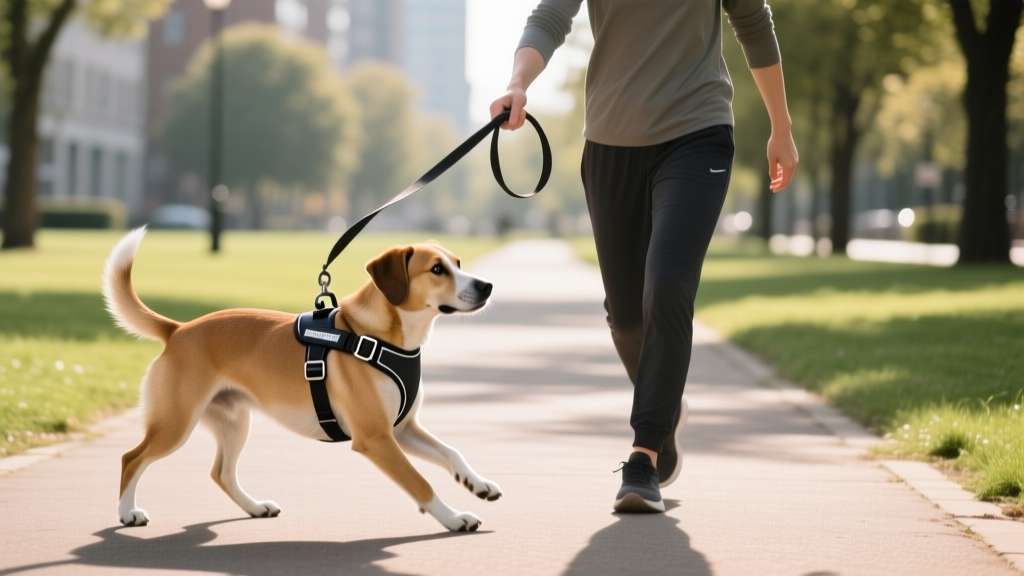
- Use a leash — Even in a fenced yard, keep your dog on a leash during potty breaks initially. This prevents them from wandering off to play and keeps them focused on the task at hand.
- Give a verbal cue — As your dog begins to eliminate, say your chosen cue word calmly and consistently. Over time, they'll associate the word with the action, allowing you to prompt them on command.
- Reward immediately — The instant your dog finishes, offer enthusiastic praise and a high-value treat. Timing is critical — if you wait until you're back inside, the dog associates the reward with coming indoors, not with eliminating outside.
- Supervise between breaks — When your dog is inside between potty breaks, keep them in your line of sight at all times. Use baby gates, exercise pens, or a leash tethered to you to prevent unsupervised wandering.
- Gradually increase freedom — As your dog demonstrates reliability over several weeks with no accidents, slowly expand their access to more areas of the house.
Method 2: Crate Training for Potty Success
Crate training leverages a dog's natural den instinct — they don't want to soil their sleeping area. When used correctly, a crate becomes a powerful potty training tool and a safe haven for your dog. Our detailed guide on crate training covers the full process, but here's how it specifically supports potty training:
- Choose the right size crate — The crate should be large enough for your dog to stand up, turn around, and lie down comfortably, but not so large that they can designate one corner as a bathroom. Many crates come with dividers that allow you to adjust the size as your puppy grows.
- Make the crate inviting — Add comfortable bedding, safe chew toys, and occasionally feed meals inside the crate to build positive associations.
- Follow the schedule — Place your dog in the crate when you can't directly supervise them, and take them straight outside to their potty spot every time you let them out.
- Never use the crate as punishment — The crate should always be a positive space. Using it as a timeout zone will create negative associations and undermine the training process.
- Limit crate time appropriately — Puppies under six months shouldn't be crated for more than three to four hours at a time during the day. Arrange for a midday potty break if you work outside the home.
Method 3: Indoor Potty Pad Training
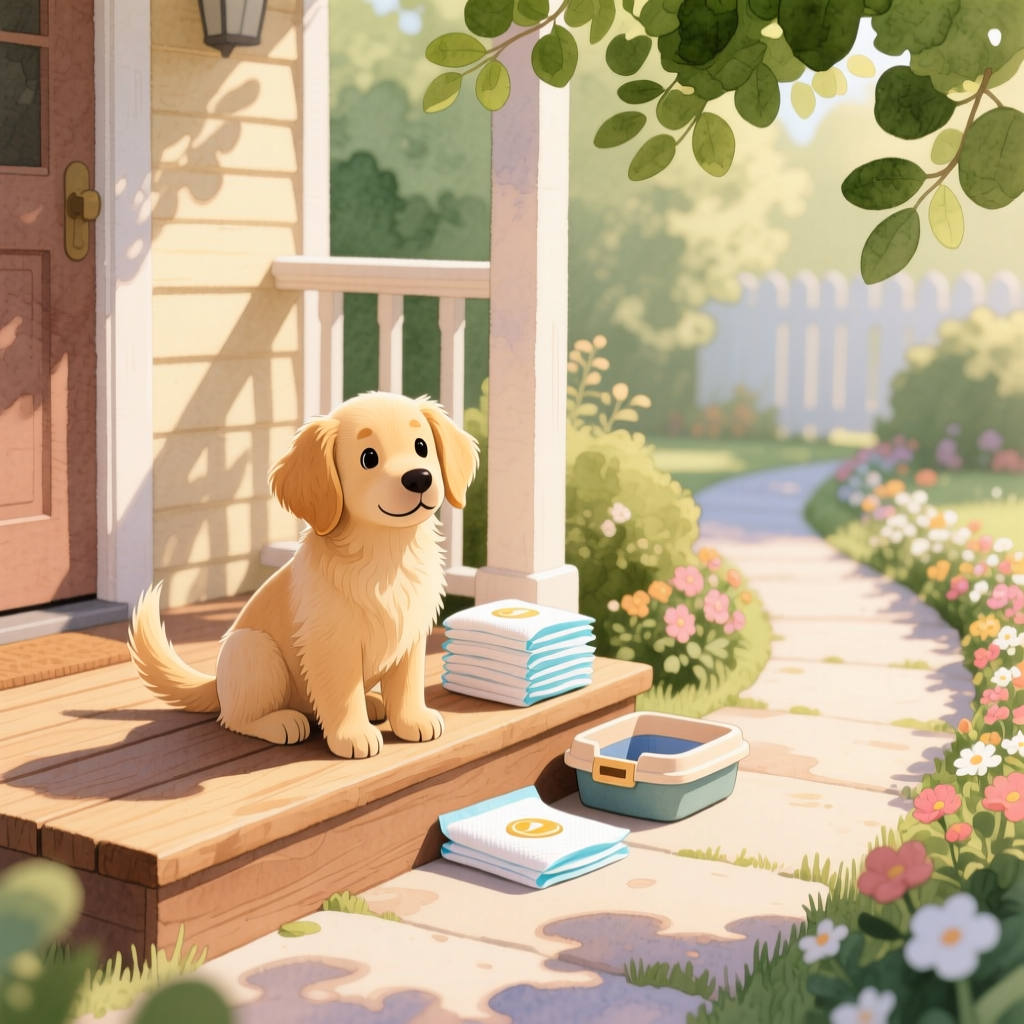
For apartment dwellers, high-rise residents, or those with mobility limitations, potty pads or indoor grass patches can be a practical solution. This method requires a slightly different approach:
- Designate a permanent potty area — Choose a low-traffic, easily accessible spot and place the pad there consistently. Moving the pad around confuses your dog and slows progress.
- Guide your dog to the pad — After meals, naps, and play sessions, gently lead your dog to the pad and wait. Use the same verbal cue you'd use for outdoor training.
- Reward success on the pad — Just like outdoor training, immediately reward your dog when they eliminate on the pad.
- Gradually transition outdoors (optional) — If your long-term goal is outdoor elimination, slowly move the pad closer to the door over several weeks, then place it just outside the door, and eventually phase it out entirely.
Some breeds adapt to pad training more readily than others. Toy breeds and smaller dogs like Pomeranians or Yorkshire Terriers often do well with indoor potty solutions, while high-energy working breeds typically benefit more from outdoor training routines.
Common Potty Training Mistakes & How to Avoid Them
Even well-intentioned dog owners can inadvertently sabotage their potty training efforts. Being aware of these common pitfalls will help you stay on track and avoid unnecessary setbacks.
Mistake #1: Inconsistent Schedules
Taking your dog out at different times every day, or skipping potty breaks when you're busy, sends mixed signals. Your dog's body clock adjusts to the routine you provide, and inconsistency makes it impossible for them to predict when the next bathroom opportunity will come. Commit to the schedule, even on weekends and holidays.
Mistake #2: Punishing Accidents
Rubbing your dog's nose in an accident, yelling, or physically disciplining them does nothing to teach proper behavior. In fact, it often makes the problem worse by creating anxiety around elimination. If you catch your dog in the act, interrupt them with a firm "no" or a clap, then immediately take them outside to finish. If you discover an accident after the fact, simply clean it up thoroughly and resolve to supervise more closely going forward.
Mistake #3: Giving Too Much Freedom Too Soon
It's tempting to give your dog full run of the house once they've had a few successful days, but potty training reliability is built over weeks and months, not days. Expanding freedom too quickly is one of the most common reasons for regression. A good rule of thumb is to wait until your dog has gone at least two weeks without a single accident before granting access to a new area of the house.
Mistake #4: Not Cleaning Accidents Thoroughly
As mentioned earlier, dogs are drawn back to spots that smell like previous eliminations. Investing in a high-quality enzymatic cleaner is one of the best purchases you can make during the potty training process. Clean the area thoroughly, following the product's instructions for dwell time, and avoid ammonia-based cleaners, which can actually mimic the smell of urine to your dog's sensitive nose.
Mistake #5: Inconsistent Verbal Cues
If one family member says "go potty," another says "do your business," and a third says "hurry up," your dog may not connect any of these phrases to the act of elimination. Choose one cue word and make sure everyone in the household uses it consistently.
Mistake #6: Ignoring Your Dog's Signals
Dogs often give clear signals when they need to go out: sniffing the ground intently, circling, whining, pacing, or heading toward the door. Learning to read these subtle cues and responding promptly prevents accidents and reinforces the idea that communicating their needs leads to positive outcomes. For more on understanding canine body language, check out our dog communication guide.
Pro Tips for Accelerating Potty Training Success
Once you have the fundamentals in place, these advanced tips can help you fine-tune your approach and speed up the process.
Use High-Value Rewards Strategically
Not all treats are created equal in your dog's eyes. Reserve the most exciting rewards — small pieces of chicken, cheese, or commercial training treats — exclusively for successful potty breaks. When your dog realizes that going potty outside earns the best snacks, their motivation to hold it until the next outdoor trip increases dramatically.
Keep a Potty Training Log
Track when your dog eats, drinks, goes outside, has accidents, and what they were doing right before each accident. Patterns will quickly emerge, allowing you to anticipate your dog's needs and adjust your schedule proactively. A simple notebook or a notes app on your phone works perfectly for this purpose.
Bell Training for Door Communication
Teaching your dog to ring a bell hung on the door handle is a fantastic way to give them a voice. Start by placing a bell near the door and rewarding your dog every time they touch it with their nose or paw. Gradually require them to ring it before you open the door for potty breaks. Within a few weeks, many dogs will ring the bell independently to signal they need to go out.
Manage Water Intake Wisely
While your dog should always have access to fresh water, you can manage intake timing to reduce accidents. Offer water freely throughout the day, but pick up the water bowl about two hours before bedtime. During crate time, a small amount of water is fine, but a full bowl can lead to a full bladder much faster than expected.
Exercise Before Potty Breaks
A brief walk or play session before a potty break can stimulate your dog's digestive system and encourage elimination. This is especially useful for dogs who seem reluctant to go outside or who take a long time to find the right spot. A five-minute walk around the block often does the trick beautifully.
Be Patient With Breed-Specific Challenges
Some breeds are notoriously more challenging to potty train than others. Small breeds like Dachshunds and Shih Tzus have smaller bladders and may need more frequent breaks. Stubborn or independent breeds like Bulldogs may require extra patience and motivation. Understanding your breed's tendencies helps you tailor your approach. Browse our breed guides for breed-specific training insights.
Handling Potty Training Setbacks & Regression
Even dogs who seemed fully house-trained can experience regression, and it's important not to panic. Setbacks are a normal part of the training journey, and understanding the common triggers can help you address them quickly.
Environmental Changes
Moving to a new home, rearranging furniture, adding a new family member (human or animal), or even changes in your work schedule can disrupt your dog's routine and trigger accidents. During periods of transition, temporarily return to a more intensive supervision and schedule protocol, as if you were starting potty training from scratch.
Medical Issues
If a previously reliable dog suddenly begins having accidents, a veterinary visit should be your first step. Urinary tract infections, gastrointestinal issues, diabetes, kidney disease, and even certain medications can cause increased urgency or frequency. Rule out medical causes before assuming the problem is behavioral.
Anxiety & Stress
Separation anxiety, noise phobias, and general stress can all manifest as house soiling. If your dog's accidents coincide with specific triggers — thunderstorms, being left alone, visitors — addressing the underlying anxiety through desensitization, counterconditioning, or professional behavioral support is essential. Our article on separation anxiety provides strategies for managing this common issue.
Adolescent Regression
Many dogs go through a rebellious phase between six and twelve months of age, during which previously learned behaviors may temporarily deteriorate. This is completely normal. Stay consistent with your schedule and expectations, and the regression will pass. Think of it as your dog's teenage phase — frustrating but temporary.
Frequently Asked Questions About Potty Training
How long does it take to fully potty train a dog?
Most puppies achieve reliable house training between four and six months of age, though some may take up to a year to be completely accident-free. Smaller breeds often take longer due to their smaller bladder capacity and higher metabolisms. Adult dogs who are new to a home typically learn within a few weeks to a couple of months when a consistent schedule and positive reinforcement are applied. Remember, "fully trained" means very rare accidents rather than absolute perfection — even well-trained dogs can have an occasional slip-up if they're sick, stressed, or held in too long.
Should I use potty pads or go straight to outdoor training?
The answer depends on your living situation and long-term goals. If you live in a house with easy yard access, going straight to outdoor training is generally faster and less confusing for the dog, since there's only one correct potty location to learn. Potty pads are most appropriate for apartment living, owners with limited mobility, extreme weather climates, or very small breeds. If you start with pads and plan to transition to outdoor elimination later, be prepared for a transition period that may take several weeks, as your dog will need to unlearn the pad habit.
What should I do if my dog has an accident inside?
Stay calm and avoid any form of punishment. If you catch your dog in the act, interrupt them with a brief, firm sound like "eh-eh" or a clap, then immediately carry or lead them outside to their designated potty spot. If they finish outside, reward them as usual. If you find an accident after the fact, simply clean it thoroughly with an enzymatic cleaner. Never rub your dog's nose in it or scold them — they cannot connect the punishment with an action that happened minutes or hours ago. Instead, evaluate your supervision and schedule to identify what allowed the accident to happen, and adjust accordingly.
My dog was potty trained but has started having accidents again. What went wrong?
Regression can happen for several reasons. First, rule out medical issues with a veterinary checkup. If your dog is healthy, consider recent changes in their environment, routine, or household dynamics. Even seemingly minor changes — a new work schedule, a visitor staying over, or a change in diet — can disrupt established habits. Return to basics: increase supervision, tighten the schedule, and reward outdoor eliminations enthusiastically. Most regressions resolve within a week or two of consistent re-training. If accidents persist beyond that, consult a professional dog trainer or veterinary behaviorist for personalized guidance.
Can older dogs be potty trained, or is it only possible with puppies?
Absolutely — older dogs can be potty trained, and in some ways, it's actually easier than training a puppy. Adult dogs have greater bladder control, longer attention spans, and often a stronger desire to please their owners. The same principles apply: establish a consistent schedule, use positive reinforcement, supervise closely, and be patient. Senior dogs adopted from shelters may have developed habits in their previous environment that need to be reshaped, but with consistency and compassion, they can learn new potty routines at any age. The key is giving them time to adjust to their new home and clearly communicating where the appropriate elimination area is.
Potty training is a journey, not a destination. There will be great days and frustrating days, breakthroughs and setbacks. But by staying consistent, using positive reinforcement, and maintaining a patient and compassionate attitude, you'll get there. The bond you build with your dog through this process — the communication, the trust, the mutual understanding — will serve as the foundation for a lifetime of happy companionship. And when you finally reach that milestone of a fully house-trained dog, the feeling of accomplishment is absolutely worth every early morning potty break and every carpet cleanup along the way.
For more training resources, explore our complete collection of dog training guides, and don't forget to learn about your dog's breed-specific traits in our breed profiles to tailor your approach for the best possible results.
Marcus Aldridge
All our authors care for dogs every day — read more of their work on the authors page.