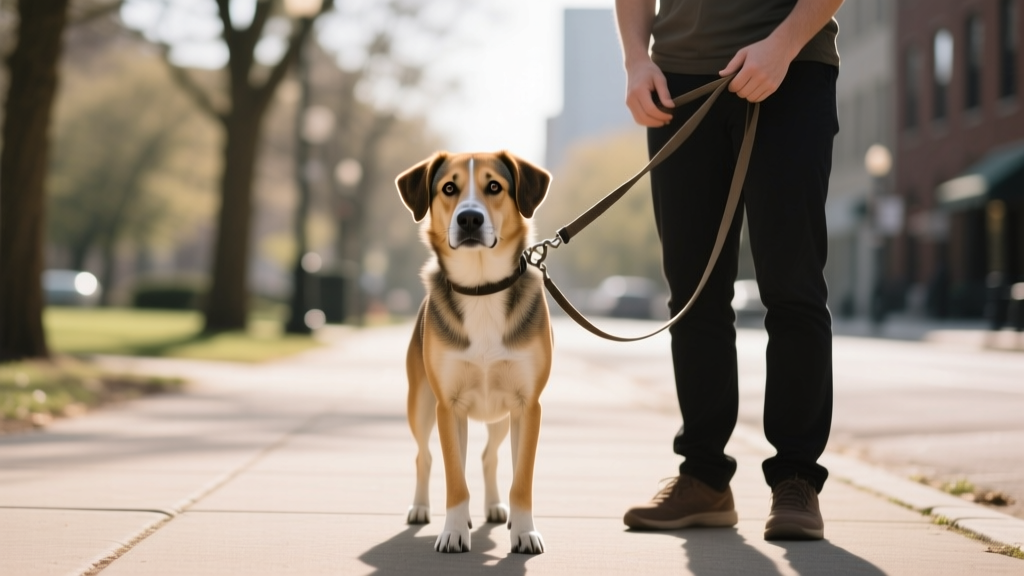
Dog Training Tips for Kids: A Fun & Safe Guide for Young
Discover practical dog training tips for kids that build confidence, strengthen bonds, and teach responsibility.
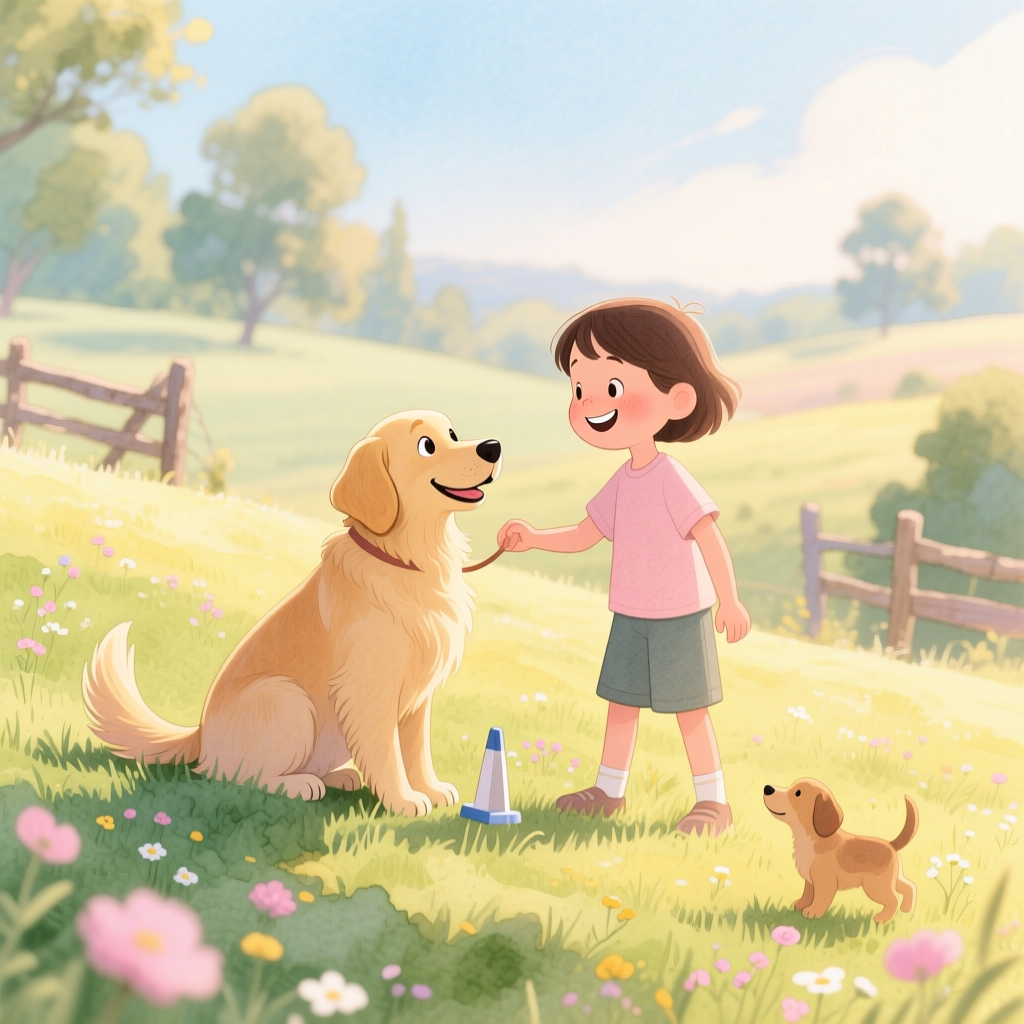
Dog Training Tips for Kids: A Fun & Safe Guide for Young Handlers
There is something truly magical about watching a child and a dog learn together. The giggles when a puppy finally sits on command, the proud smile when a child successfully teaches their furry friend to shake paws — these moments create lifelong memories and build skills that extend far beyond the backyard. Teaching kids to train dogs is not just about having a well-behaved pet; it is about nurturing empathy, patience, responsibility, and confidence in young minds.
However, dog training with children requires thoughtful planning, clear boundaries, and age-appropriate activities. Without the right guidance, kids can become frustrated, dogs can become confused, and the experience can quickly turn from joyful to overwhelming. That is where this comprehensive guide comes in.
Whether your child is five or fifteen, a first-time pet owner or growing up alongside the family dog, these dog training tips for kids will give your family the tools, techniques, and confidence to make training sessions safe, productive, and genuinely fun. We will walk through foundational principles, step-by-step exercises, common pitfalls to avoid, and answers to the questions parents ask most often.
Before diving in, it helps to understand your dog's natural temperament and learning style. Our guide to understanding dog behavior is an excellent starting point for families who want to set realistic expectations before beginning any training journey.
Setting the Stage: Safety, Supervision & Age-Appropriate Expectations
Before any training session begins, families need to establish a safe and structured environment. Dogs are living beings with moods, limits, and communication styles that children must learn to read and respect. Setting the stage properly ensures that both the child and the dog have a positive experience every single time they interact.
The Golden Rules of Kid-and-Dog Training Safety
Safety is the foundation of every successful training relationship between a child and a dog. Here are the non-negotiable rules every family should establish before the first training session:
- Always supervise. No child under the age of twelve should train a dog without an adult present and actively watching. Even older teens benefit from periodic check-ins during training sessions.
- Teach calm energy first. Dogs respond to energy. A child who is running, screaming, or flailing will excite or stress a dog, making learning nearly impossible. Teach your child to approach training with a calm voice and steady movements.
- Respect the dog's signals. Teach kids to recognize when a dog is tired, stressed, or simply not in the mood to work. Yawning, lip-licking, turning away, and a tucked tail are all signs that it is time for a break. Our dog behavior guide covers these signals in detail.
- Never punish. Training should always be reward-based. Children should never hit, yell at, or physically punish a dog. Positive reinforcement is not only kinder — it is scientifically proven to be more effective.
- Keep sessions short. A good rule of thumb is one minute of training per year of the child's age, up to a maximum of fifteen minutes. A five-year-old should train for about five minutes at a time. A ten-year-old can handle ten-minute sessions. This prevents frustration for both the child and the dog.
Matching Tasks to Your Child's Age
Not every training activity is suitable for every age group. Here is a general framework for matching tasks to developmental stages:
- Ages 3–5: Children this age can participate by helping fill treat pouches, cheering on an older sibling, and practicing saying "good dog!" in a calm voice. They can learn to toss a treat to a dog after an adult gives the command.
- Ages 6–8: Kids can begin giving simple commands like "sit" and "come" with an adult coaching them on timing and body language. They can also help with grooming routines, which build trust between child and dog.
- Ages 9–12: This is the sweet spot for more structured training. Children can learn leash handling, teach tricks like "shake" and "spin," and begin practicing "stay" and "leave it" with increasing distractions.
- Ages 13+: Teenagers can take on most training responsibilities independently, including teaching more complex behaviors, working on leash manners during walks, and even exploring introductory agility exercises. Check out our leash training basics guide for techniques teens can practice.
Understanding your dog's breed tendencies can also help you choose appropriate activities. High-energy breeds like Border Collies may thrive with active training games, while calmer breeds like Basset Hounds may prefer slower, treat-based sessions. Browse our complete breed guides to learn more about your dog's natural inclinations.
Essential Commands Kids Can Teach: Step-by-Step Instructions
Now that the stage is set, it is time to get into the actual training. The following commands are ideal starting points for young handlers. Each one builds foundational skills for the dog and confidence for the child. Remind your kids that patience is the secret ingredient — every dog learns at their own pace.
Teaching "Sit"
The sit command is usually the easiest for children to teach because most dogs naturally sit when a treat is held above their nose. Here is how to guide your child through the process:
- Prepare small, soft treats. Cut treats into pea-sized pieces so the dog stays motivated without getting full too quickly.
- Hold the treat at the dog's nose level. Your child should stand in front of the dog, holding a treat between their thumb and index finger.
- Move the treat slowly upward and slightly backward. As the dog's nose follows the treat up, their bottom will naturally lower to the ground.
- Say "sit" clearly the moment the dog's bottom touches the floor. Timing matters. The word should come right as the action happens, not before or long after.
- Give the treat immediately and praise enthusiastically. "Good sit!" in a happy, calm voice reinforces the behavior.
- Repeat five to ten times per session. End on a success, even if you need to make the last attempt extra easy.
Once your child has mastered "sit" with their dog, they can practice adding a hand signal — an open palm held up like a stop sign — to pair with the verbal command. This is a wonderful way to introduce the concept of nonverbal communication with animals.
Teaching "Come" (Recall)
Recall is one of the most important safety commands a dog can learn, and kids often excel at teaching it because their natural enthusiasm makes them exciting to run toward. Follow these steps:
- Start in a distraction-free area. A quiet room or fenced backyard is ideal.
- Have your child crouch down and open their arms. This makes them look inviting and less intimidating to the dog.
- Say the dog's name followed by "come!" in a cheerful, excited voice. Tone matters enormously here. A happy voice makes the dog want to approach.
- Reward generously when the dog arrives. Multiple treats, gentle petting, and enthusiastic praise teach the dog that coming to your child is the best thing in the world.
- Gradually increase distance and distractions. Move to the other side of the yard, then practice with mild distractions like a toy nearby.
A critical tip for kids: never call the dog to come and then do something the dog dislikes, such as giving a bath or trimming nails. This teaches the dog that "come" leads to unpleasant experiences. Recall should always end with something positive.
Teaching "Leave It"
This command is invaluable for safety and is a great exercise in impulse control for both the dog and the child. It teaches kids about delayed gratification and self-control, too.
- Place a treat in a closed fist. Your child holds their fist out to the dog.
- Say "leave it" firmly but calmly. The dog will likely sniff, lick, or paw at the fist. Your child should not move or open their hand.
- Wait for the dog to back off or look away. The instant the dog stops trying to get the treat, mark the moment with a "yes!" or a clicker.
- Reward with a different treat from the other hand. This teaches the dog that leaving one thing means getting something better.
- Progress to placing a treat on the floor with a hand covering it, then eventually to an uncovered treat on the floor.
This exercise is particularly useful for families with dogs that tend to grab food off counters or pick up things during walks. For more impulse control exercises, our guide to stopping unwanted jumping offers complementary techniques that kids can practice alongside "leave it."
Making Training Fun: Games & Activities That Teach Without Pressure
The fastest way to kill a child's enthusiasm for dog training is to make it feel like homework. Kids learn best through play, and dogs do too. By turning training into games, you create sessions that both the child and the dog look forward to. Here are some proven activities that blend fun with real learning.
The Treat Treasure Hunt
This game teaches the dog to use their nose while giving the child a fun role as the "treasure master." Here is how it works:
- Have your child hide small treats around a room while the dog waits in another room (a family member can hold the dog or practice a "stay" command).
- Release the dog and say "find it!" in an excited voice.
- Let the dog sniff out each treat while your child cheers them on and points out any the dog misses.
- This game reinforces the "find it" cue, builds the dog's confidence in problem-solving, and gives the child a sense of accomplishment as the dog's enthusiastic "treasure hunter."
Obstacle Course Adventures
Building a simple backyard or living room obstacle course is a fantastic way for kids to practice handling skills while burning off energy — both theirs and the dog's. Use household items creatively:
- Chairs and blankets become tunnels.
- Broomsticks laid across books become low jumps.
- Cones or stuffed animals become weave poles.
- A sturdy box becomes a platform for "up" or "place" commands.
Have your child guide the dog through the course using treats and verbal cues. Start with just two or three obstacles and build up as the dog gains confidence. This activity introduces basic agility concepts and teaches kids about sequencing and planning. For families interested in taking this further, our introduction to dog agility guide provides structured exercises for the whole family.
The "Statue" Game
This game is brilliant for teaching self-control to both kids and dogs. The rules are simple:
- Your child stands in front of the dog with treats ready.
- They give the "sit" or "stay" command.
- Then they become a "statue" — completely still and silent.
- The dog must remain in position while the child is frozen.
- After five seconds (gradually increasing to ten, twenty, and beyond), the child "unfreezes" and rewards the dog.
This game teaches dogs to hold positions despite a lack of ongoing stimulation, and it teaches children the importance of stillness and patience in training. It is surprisingly challenging and endlessly entertaining when kids try to hold their poses without giggling.
Name That Trick
Once the dog knows several commands, turn practice into a quiz show. Your child calls out different commands in random order: "Sit! Down! Shake! Spin!" The dog has to perform each one, and the child keeps score of how many the dog gets right in a row. This builds fluency — the dog's ability to respond reliably to cues in any order and context. Kids love keeping score and trying to beat their personal best.
Common Mistakes Kids Make During Dog Training (and How to Fix Them)
Even the most enthusiastic young trainers make mistakes, and that is perfectly normal. The key is recognizing these common pitfalls early and gently coaching your child toward better habits. Here are the most frequent issues and practical solutions.
Mistake 1: Repeating the Command Over and Over
Kids often say "sit, sit, sit, sit, sit" when the dog does not respond immediately. This teaches the dog that they do not need to listen the first time because the command will be repeated anyway.
The fix: Teach your child the "say it once, wait five seconds" rule. Give the command once clearly, then wait. If the dog does not respond after five seconds, gently lure them into position with a treat and try again. Over time, the dog learns to respond to a single cue.
Mistake 2: Rewarding Too Late
Timing is everything in dog training. If a child says "sit," the dog sits, then the child fumbles with the treat pouch for ten seconds before delivering the reward, the dog may associate the treat with whatever they were doing at second ten — which might be standing back up.
The fix: Practice the "treat delivery drill" before involving the dog. Have your child practice getting a treat from the pouch and extending their hand as quickly as possible. You can also introduce a marker word like "yes!" or a clicker, which bridges the gap between the behavior and the reward. Our clicker training basics guide is a wonderful resource for families wanting to explore this method.
Mistake 3: Training When the Dog Is Too Excited or Too Tired
A dog that just came in from the yard full of adrenaline will not be able to focus. A dog that just ate a big meal or has been playing all day may be too sleepy to care about treats. Kids often want to train at whatever moment they feel inspired, regardless of the dog's state.
The fix: Help your child learn to read their dog's readiness. The ideal training window is when the dog is calm but alert — perhaps after a short walk or a brief play session that has taken the edge off their energy. Teach kids that choosing the right time is just as important as choosing the right technique.
Mistake 4: Getting Frustrated and Giving Up
When a dog is not responding the way the child expects, frustration can set in quickly. A frustrated child may raise their voice, yank the leash, or declare that the dog is "stupid." This damages the training relationship and the child's confidence.
The fix: Normalize setbacks. Explain to your child that every professional dog trainer in the world has sessions where things do not go as planned. Teach them the "end on a win" principle: if a new exercise is not working, go back to something the dog knows well, reward generously, and end the session on that positive note. Tomorrow is a new day.
Mistake 5: Inconsistency Between Family Members
If Mom uses "down" to mean lie down, but the child uses "down" to mean get off the couch, the dog receives conflicting information. This is one of the most common reasons training stalls in family households.
The fix: Hold a brief family meeting to agree on command words and hand signals. Write them on a chart and post it on the refrigerator. Everyone in the household should use the same cues and follow the same rules. Consistency is the invisible glue that holds all training together.
Building a Lifelong Bond: Beyond the Training Session
Training is not just about commands and compliance. At its heart, it is about communication and connection. When a child trains a dog, they are learning to speak another species' language, and the dog is learning to trust and understand their young human. This bond, nurtured through positive training, becomes one of the most meaningful relationships in a child's life.
Daily Bonding Activities That Reinforce Training
Training does not have to be limited to formal sessions. Everyday interactions are opportunities to reinforce good behavior and deepen the bond between child and dog:
- Mealtime manners: Have your child ask the dog to sit and wait before placing the food bowl down. This reinforces impulse control and establishes the child as a trusted leader in the dog's eyes.
- Walk time: Let older children take the lead on walks, practicing loose-leash walking and periodic sit-stops at corners. Our leash training guide provides age-appropriate walking techniques.
- Grooming sessions: Brushing the dog together teaches gentleness and builds trust. Start with short sessions and reward the dog for calm behavior during handling.
- Quiet time: Encourage your child to sit with the dog while reading a book or drawing. This calm coexistence teaches the dog that being settled near their child is rewarding in itself.
Teaching Responsibility Through Routine
One of the greatest gifts of dog ownership is the opportunity to teach children about responsibility. Creating a daily dog care chart that includes training as one component helps kids understand that caring for an animal is a commitment, not just a fun activity. A sample chart might include:
- Morning: Fill water bowl, practice one command for five minutes
- Afternoon: Short walk with training moments woven in
- Evening: Practice a new trick or review known commands, then brush the dog
When children see training as part of a larger picture of care, they develop a deeper appreciation for the dog as a living being with needs, feelings, and a dependence on their humans.
Celebrating Progress Together
Make a big deal out of milestones. Did the dog finally hold a "stay" for thirty seconds? That is a celebration-worthy moment. Did your child successfully train a full trick from start to finish without adult help? Take a photo, make a certificate, or have a special treat for both the child and the dog. Positive reinforcement is not just for dogs — it works wonders for young trainers too.
Consider keeping a training journal together where your child can draw pictures of what they practiced, write down what worked and what did not, and track their dog's progress over time. This reinforces learning, builds writing skills, and creates a beautiful keepsake of the journey.
Frequently Asked Questions About Kids Training Dogs
What age is best for a child to start training a dog?
Children as young as three or four can participate in dog training in small, supervised ways — such as helping to prepare treats, saying praise words, or tossing a reward after an adult gives a command. However, children typically begin giving commands independently around age six or seven, when they have developed enough focus, impulse control, and verbal clarity to communicate effectively with a dog. The key is matching the complexity of the task to the child's developmental stage and always maintaining adult supervision. Every child matures at a different pace, so pay attention to your child's readiness rather than focusing strictly on age.
My child is afraid of our dog. Can training help?
Yes, structured training can be one of the most effective ways to help a child overcome fear of a dog — but it must be approached gradually and sensitively. Start by having the child observe training sessions from a distance, then progress to handing treats to the trainer, then to giving commands with the dog on a leash held by an adult. Choose a calm, predictable dog for these interactions and never force the child closer than they feel comfortable. As the child sees that they can influence the dog's behavior through commands, their sense of control grows, and fear typically diminishes. If the fear is severe, consider working with a professional trainer who has experience with child-and-dog dynamics. Our guide to understanding dog behavior can also help children learn what dog body language means, which demystifies the dog's actions and reduces anxiety.
Our dog ignores our child during training. What should we do?
When a dog ignores a child, it usually comes down to one of three issues: the child's voice is too quiet or unclear, the treats the child offers are not motivating enough, or the dog has learned that the child is not a consistent source of reinforcement. To address this, start by having the child practice their command voice — loud, clear, and confident. Use higher-value treats (small pieces of chicken, cheese, or hot dog) during sessions the child leads. Most importantly, ensure that the child is the one delivering every reward during their session so the dog learns that good things come from listening to this particular person. You can also have the child feed the dog their entire meal by hand during training sessions for a few days, which rapidly builds the dog's attention and respect. For more ideas on building focus, check out our clicker training guide for engagement techniques.
Is it safe for kids to train large or strong dog breeds?
Children can absolutely train large and strong breeds, but extra precautions are necessary. Large dogs can accidentally knock over small children during enthusiastic responses, and strong breeds can pull a child off balance on a leash. For physical safety, start training sessions with the dog and child in a seated position — both the dog sitting and the child on a sturdy stool or step. Avoid leash-handling exercises until the child is physically strong enough to manage the dog's power, and always have an adult hold a backup leash during early sessions. Focus first on commands that do not involve physical force, such as "sit," "down," "stay," "leave it," and trick behaviors. Breeds like Golden Retrievers, Labrador Retrievers, and Bernese Mountain Dogs tend to be naturally gentle with children, making them excellent training partners. Explore our breed guides to learn about temperament traits that affect training dynamics.
How long does it take for a child to train a dog to learn basic commands?
Most dogs can learn basic commands like "sit," "down," and "come" within two to four weeks of consistent daily practice, even when the primary trainer is a child. However, reliability — meaning the dog responds consistently in different environments and with distractions — typically takes several months of ongoing practice. The timeline varies enormously depending on the dog's age, breed, previous training history, and the consistency of the training sessions. Some dogs pick up commands in a single session, while others need weeks of patient repetition. Teach your child that training is a journey, not a race, and that every small improvement is worth celebrating. Consistency matters far more than speed, and the bond built during the process is ultimately more valuable than the final result.
Final Thoughts: Empowering Young Trainers
Teaching kids to train dogs is one of the most rewarding investments a family can make. The skills children develop — patience, empathy, clear communication, persistence, and responsibility — serve them well in every area of life. Meanwhile, the dog gains a confident, consistent handler who understands their needs and respects their nature.
Remember that every expert trainer was once a beginner, and every well-trained dog was once a confused puppy. The journey is where the magic happens. Keep sessions short, keep them positive, and keep them fun. Celebrate the small wins, laugh at the inevitable mishaps, and watch as your child grows into a compassionate and capable dog trainer.
For more family-friendly training resources, explore our complete collection of dog training guides and find breed-specific tips in our breed library. Happy training!
Robin Maitland
All our authors care for dogs every day — read more of their work on the authors page.