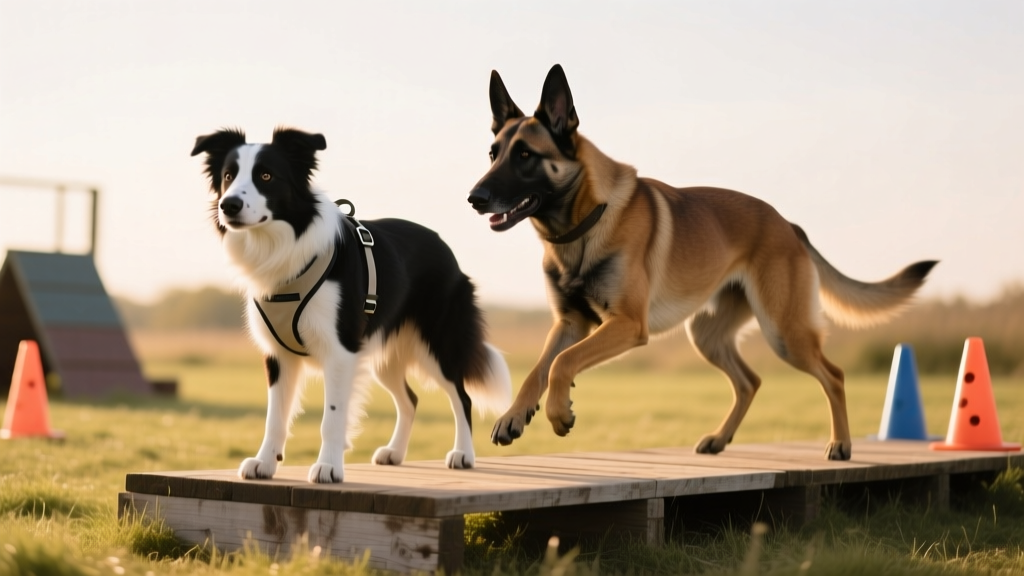
The German Shepherd Dog (GSD) is widely celebrated for its striking appearance, unwavering loyalty, and exceptional intelligence. Originally bred for herding and protecting livestock, this versatile working breed has since become one of the most popular family companions and service dogs in the world. However, their high intelligence and boundless energy mean that they require dedicated, consistent, and structured guidance. Without proper training, a German Shepherd can quickly develop behavioral issues born out of boredom or misunderstood instincts.
If you have recently welcomed a GSD into your home, or if you are looking to refine the manners of an adult dog, you are in the right place. In this comprehensive guide, we will explore essential dog training tips for German Shepherds, breaking down practical step-by-step methods to help you raise a confident, obedient, and happy companion. For a deeper dive into the breed's history and temperament, be sure to check out our complete German Shepherd breed profile.
Understanding the German Shepherd Mindset
Before diving into specific commands, it is crucial to understand how a German Shepherd thinks. This breed is not just smart; they are driven, observant, and deeply attuned to their handlers. They were developed to work closely with humans, making them highly responsive to positive reinforcement and eager to please.
German Shepherds possess strong herding and guarding instincts. This means they may naturally try to herd children or other pets by nipping at heels, and they can be aloof or suspicious of strangers. Their high prey drive also means that small, fast-moving animals can easily trigger their chase instinct. Understanding these inherent traits allows you to channel their natural drives into productive training exercises rather than fighting against their genetics. A German Shepherd needs a 'job' to do, even if that job is simply learning a new trick, practicing scent work, or carrying a lightweight doggy backpack on a hike.
Essential Puppy Training Steps for German Shepherds
The foundation of a well-behaved adult German Shepherd is laid during puppyhood. The first few months are critical for socialization and establishing household rules. If you are starting with a young pup, our puppy training basics guide is a great companion to this section.
Step 1: Early and Extensive Socialization
German Shepherds can be naturally protective and wary of strangers. To prevent fear-based aggression or excessive shyness, you must socialize them early.
- Expose them to new environments: Take your puppy to different surfaces (grass, gravel, sand), busy streets, and quiet parks.
- Introduce diverse people: Let them meet people of all ages, sizes, and appearances. Ensure every interaction is positive and reward-based.
- Socialize with other animals: Arrange playdates with fully vaccinated, well-mannered dogs to teach appropriate canine communication.
Step 2: Crate Training for Safety and Calmness
A crate provides a safe den for your GSD and is an invaluable tool for housebreaking and preventing destructive behavior when you are not home.
- Place the crate in a busy family area with the door open. Toss high-value treats inside to create a positive association.
- Feed your puppy their meals inside the crate to build comfort.
- Gradually increase the time the door is closed, starting with just a few seconds and building up to several minutes while you sit nearby.
- Never use the crate as a punishment. It must always be a sanctuary for rest and relaxation.
Step 3: Managing Bite Inhibition
German Shepherd puppies are notorious 'land sharks.' Their herding heritage makes them prone to mouthing and nipping. To teach bite inhibition, redirect their mouth to appropriate chew toys whenever they nip your skin. If they bite too hard, let out a high-pitched 'ouch' and immediately withdraw your attention for ten seconds. This mimics how littermates play and teaches them that human skin is entirely off-limits.
Mastering Leash Walking and Recall
A fully grown German Shepherd is a powerful, athletic animal capable of pulling an adult off their feet. Furthermore, their strong prey drive means a reliable recall is not just a convenience; it is a life-saving necessity. For more detailed instructions, review our comprehensive leash training guide.
Step-by-Step Loose Leash Walking
- Start indoors: Begin in a low-distraction environment like your hallway. Reward your dog heavily for staying by your side.
- The 'Be a Tree' method: The moment your dog pulls and the leash goes tight, stop walking completely. Stand still like a tree. Do not yank the leash; simply wait.
- Reward the slack: When your dog turns back to look at you or takes a step back, creating slack in the leash, immediately praise and reward them, then resume walking.
- Use U-turns: If your dog persistently pulls ahead, cheerfully say 'Let's go!' and make a 180-degree U-turn in the opposite direction. This teaches them that pulling forward actually results in moving backward away from their goal.
Building a Bulletproof Recall
- Choose a unique cue: Pick a specific word like 'Come' or 'Here' and never use it for anything negative (like bath time or nail trims).
- Start on a long line: Attach a 15-to-30-foot training leash. Call your dog's name followed by your recall cue. If they don't respond, gently guide them toward you with the leash, then reward lavishly when they arrive.
- Play recall games: Have two family members stand apart and take turns calling the dog, rewarding them with high-value treats like boiled chicken or cheese every time they arrive.
- Never punish a recall: Even if your dog took ten minutes to come back to you, you must reward them when they finally arrive. Punishing them will teach them that coming to you results in a negative outcome.
Advanced Obedience and Mental Stimulation
Physical exercise alone will not tire out a German Shepherd. A GSD that only runs but never thinks will still be restless and prone to destructive behavior. You must incorporate mental stimulation for dogs into their daily routine to satisfy their working-dog brain.
Step 1: Introduction to Scent Work
Tapping into their incredible noses is a fantastic way to exhaust a GSD mentally. Start by hiding strong-smelling treats around a single room while your dog is in a 'sit-stay' in another room. Release them with a cue like 'Find it!' and let them sniff out the rewards. As they improve, move the game outdoors to tall grass or wooded areas, eventually transitioning to finding specific scented objects.
Step 2: Impulse Control Training
Impulse control is vital for a breed with high prey drive. Practice the 'Leave It' command by placing a low-value treat on the floor and covering it with your hand. Wait for your dog to stop pawing and sniffing, and the moment they pull their head back and make eye contact with you, mark the behavior with a 'Yes!' and reward them with a higher-value treat from your other hand. This teaches them that ignoring the immediate temptation yields a better reward.
Step 3: Assigning Household Jobs
Give your German Shepherd a purpose around the house. Teach them to fetch the mail, carry a lightweight basket of laundry, or put their toys away in a designated bin. Breaking these tasks down into small, clickable steps using a clicker or marker word keeps their mind engaged and fulfills their desire to work cooperatively with you.
Pro Tips and Common Training Mistakes to Avoid
Even the most dedicated owners can stumble when training a highly intelligent breed. Here are some expert tips and common pitfalls to watch out for.
Pro Tips for Success
- Keep sessions short and sweet: German Shepherds can lose focus if drills become repetitive. Aim for 10 to 15-minute training sessions, two or three times a day, rather than one grueling hour-long session.
- Use high-value rewards: Because GSDs are easily distracted by their environment, use premium treats (like freeze-dried liver or hot dogs) when training in high-distraction areas.
- End on a high note: Always finish a training session with a command your dog knows well, rewarding them heavily so they look forward to the next session.
Common Mistakes to Avoid
- Using harsh, aversive methods: German Shepherds are sensitive to their handler's emotions. Using physical punishment or dominance-based theories will damage your bond, create fear, and potentially trigger defensive aggression.
- Over-exercising young puppies: While mental training is great, forced, repetitive physical exercise (like running alongside a bicycle) can severely damage a growing GSD's developing joints. Stick to free play and short walks until they are fully grown.
- Inconsistency with rules: If your dog is not allowed on the couch, they must never be allowed on the couch. German Shepherds are opportunistic and will quickly exploit mixed signals.
Frequently Asked Questions
Are German Shepherds easy to train for beginners?
German Shepherds are highly intelligent and eager to learn, which makes them responsive to training. However, their high energy, strength, and need for consistent mental stimulation can be overwhelming for a first-time dog owner. Beginners can absolutely succeed with a GSD, provided they are committed to attending obedience classes, maintaining a strict routine, and doing daily training exercises. If you are a novice, consider enlisting the help of a professional positive-reinforcement trainer early on.
How long does it take to fully train a German Shepherd?
Basic obedience (sit, stay, down, recall, and loose-leash walking) can typically be established within the first few months of consistent training. However, 'fully trained' is a subjective term. German Shepherds are working dogs that thrive on lifelong learning. Advanced obedience, specialized tasks, and behavioral polishing are ongoing processes. Expect to dedicate at least the first two years of their life to active, structured training and socialization to ensure they mature into well-rounded adults.
Why is my German Shepherd so stubborn during training?
What owners often perceive as 'stubbornness' in a German Shepherd is usually a sign of confusion, lack of motivation, or environmental overwhelm. If your dog is refusing a command, evaluate the situation. Are the treats high-value enough? Is the environment too distracting? Have you moved to the next step of the training too quickly? Break the command down into smaller, easier steps, increase the value of your rewards, and ensure you are setting your dog up for success in a low-distraction environment before testing them in the real world.
How do I stop my German Shepherd from barking at everything?
German Shepherds are natural watchdogs and will alert you to anything unusual. To manage excessive barking, you must teach them the 'Quiet' command. When your dog barks at a trigger (like the mail carrier), acknowledge the trigger by saying 'Thank you, I see it,' then ask for an incompatible behavior, such as 'Go to your mat' or 'Sit.' Reward them heavily for complying. Over time, they will learn that their job is to alert you once, and then defer to your judgment. Consistent desensitization to common triggers like doorbells and passing cars will also reduce their overall reactivity.
Can I train an older, untrained German Shepherd?
Absolutely. While puppies are like blank slates, adult German Shepherds are entirely capable of learning new behaviors and unlearning bad habits. Training an older dog may require more patience, especially if they have ingrained behavioral issues or fear-based reactivity. The key is to build trust through positive reinforcement, establish a predictable daily routine, and manage their environment to prevent them from practicing unwanted behaviors while you teach them new, appropriate alternatives.
Raising a German Shepherd is a deeply rewarding experience that requires time, patience, and a willingness to engage with their brilliant minds. By utilizing positive reinforcement, providing ample mental stimulation, and staying consistent with your rules, you will forge an unbreakable bond with your loyal companion. Happy training!