Effective Dog Training Tips for Aggressive Behavior: A Comprehensive Guide
Discover expert dog training tips for aggressive behavior. Learn safe, positive reinforcement techniques to manage and rehabilitate reactive dogs.
Effective Dog Training Tips for Aggressive Behavior: A Comprehensive Guide
Seeing your beloved pet display aggressive behavior can be one of the most stressful, confusing, and heartbreaking experiences a dog owner can face. Whether your dog is snapping at strangers, lunging at other dogs on walks, or guarding their food bowl with intense ferocity, it is crucial to understand that aggression is rarely born out of malice. In the vast majority of cases, canine aggression is a symptom of underlying fear, anxiety, frustration, or pain. As an owner, your goal is not to dominate or punish your dog, but rather to understand their triggers and help them feel safe in their environment.
Rehabilitating a reactive or aggressive dog requires immense patience, consistency, and a deep understanding of canine body language. By utilizing modern, science-based methods, you can change your dog’s emotional response to the things that scare them. In this comprehensive guide, we will explore the most effective dog training tips for aggressive behavior, breaking down the root causes, management strategies, and step-by-step modification techniques that can help transform your dog into a confident and relaxed companion. If you are new to reward-based methods, reviewing our guide on positive reinforcement basics is a great starting point.
Understanding the Root Causes of Canine Aggression
Before you can implement any successful training plan, you must first identify why your dog is acting aggressively. Aggression is a broad umbrella term that encompasses a variety of behaviors, including growling, baring teeth, snapping, biting, and lunging. These behaviors are simply communication tools your dog uses to increase the distance between themselves and a perceived threat. Understanding the specific type of aggression your dog is exhibiting is the first step toward healing.
Fear-Based Aggression: This is the most common form of aggression in dogs. When a dog feels trapped, cornered, or overwhelmed by a stimulus (such as a loud noise, a stranger, or an unfamiliar dog), they may resort to aggression as a defense mechanism. Dogs that were not properly exposed to various environments during their critical developmental windows often struggle with fear-based reactivity. For more information on preventing this, check out our article on puppy socialization.
Resource Guarding: Some dogs exhibit aggressive behavior when they feel their valuable resources are being threatened. These resources can include food bowls, high-value chews, favorite toys, sleeping spaces, or even their favorite human. Resource guarding is a natural survival instinct, but it becomes dangerous in a domestic setting. Teaching your dog that humans approaching their resources means more good things are coming, rather than a theft, is key to resolving this issue.
Pain-Induced or Medical Aggression: A sudden onset of aggressive behavior in an otherwise docile dog is a massive red flag for underlying medical issues. Conditions such as osteoarthritis, dental disease, hypothyroidism, or neurological problems can cause severe discomfort, making a dog highly irritable and quick to snap when touched or approached. Always consult with your veterinarian to rule out medical causes before beginning any behavioral modification program.
Breed Traits and Genetics: While any dog of any breed can develop aggression, certain breeds were historically selected for guarding, protection, or terrier work, which can influence their reactivity levels. For example, powerful guardian breeds like the Rottweiler or the German Shepherd may have strong territorial instincts that require dedicated, proactive training and early socialization to ensure they remain well-adjusted family members.
Step-by-Step Desensitization & Counterconditioning
Desensitization and counterconditioning (DSCC) are the gold standards for treating fear-based aggression and reactivity. Desensitization involves exposing your dog to their trigger at a level so low that it does not provoke a fearful or aggressive response. Counterconditioning changes the dog’s emotional response to the trigger by pairing it with something incredibly positive, like high-value food. Here is how to implement this powerful protocol step-by-step.
Step 1: Identify the Threshold
Your dog’s threshold is the distance or intensity at which they notice a trigger but remain under their stress limit. If your dog is barking, lunging, or refusing treats, they are over threshold, and learning cannot occur. You must find the exact distance where your dog can look at the trigger and still willingly eat a treat. This might be fifty feet away from another dog, or it might mean watching a stranger from behind a closed window.
Step 2: Create Positive Associations
Once you are safely under the threshold, the moment your dog looks at the trigger, mark the behavior with a calm “yes” or a clicker, and immediately feed a high-value reward. Boiled chicken, freeze-dried liver, or hot dogs work best. The goal is to create a classical conditioning loop: Trigger appears = Amazing food appears. Trigger disappears = Food stops. Over time, your dog will begin to look at the trigger and then immediately look back at you, anticipating a reward.
Step 3: Gradually Decrease the Distance
Progress in behavioral modification is rarely linear. Only decrease the distance to the trigger when your dog is consistently relaxed, displaying loose body language, and eagerly taking treats at the current distance. If your dog shows signs of stress (whale eye, lip licking, stiff tail, or refusing food), you have moved too fast. Calmly increase the distance and try again. For dogs that struggle specifically on walks, our guide on leash reactivity offers specialized outdoor exercises.
Step 4: Generalize the Behavior
Dogs are highly contextual learners. A dog that is desensitized to men in baseball caps in your front yard may still react to men in suits at a park. You must practice DSCC in various environments, with different types of triggers, and at different times of the day to help your dog generalize their new, positive emotional responses to the real world.
Managing the Environment & Setting Up for Success
While training is essential, management is the glue that holds your rehabilitation plan together. Every time your dog rehearses an aggressive behavior, the neural pathways associated with that behavior are strengthened. Management ensures that your dog is not put in situations where they feel forced to bite or lunge, keeping your family, the public, and your dog safe.
Muzzle Conditioning: A muzzle is not a punishment; it is a vital safety tool that allows your dog to participate in the world without the risk of a bite incident. Introduce a basket-style muzzle slowly, using peanut butter or squeeze cheese to create a positive association. Never leave a muzzled dog unattended, and ensure the muzzle allows your dog to pant and drink water freely. Proper muzzle training gives you the confidence to take your dog on training walks without the paralyzing fear of a liability incident.
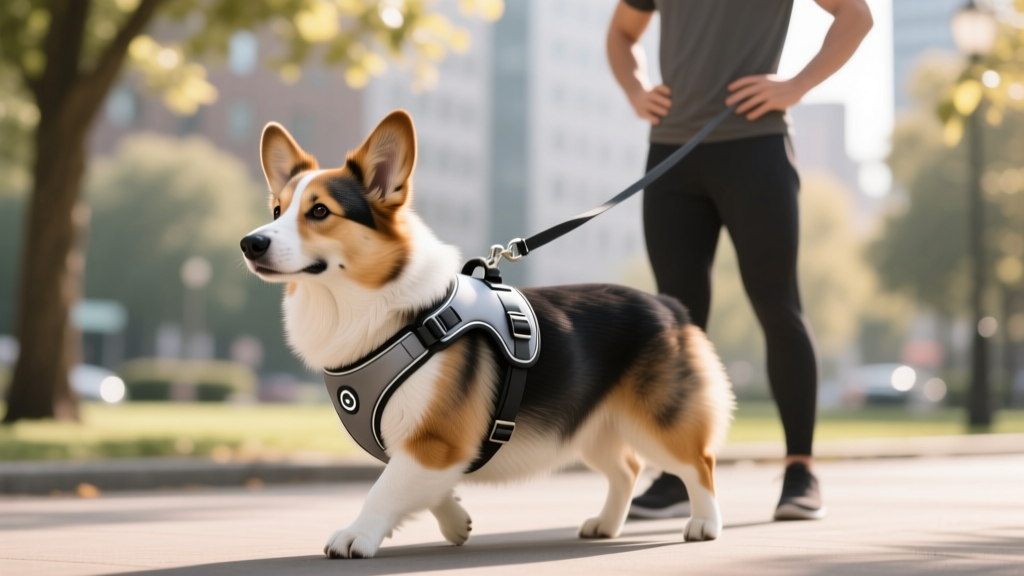
Leash Handling and Equipment: The equipment you use can either mitigate or exacerbate aggressive outbursts. Avoid retractable leashes, which offer poor control and can snap under pressure. Instead, use a sturdy, six-foot biothane or leather leash attached to a well-fitted front-clip harness. A front-clip harness gently redirects your dog’s momentum toward you if they lunge, preventing them from rehearsing the full-body forward charge associated with leash aggression.
Environmental Control at Home: If your dog is aggressive toward guests, management inside the home is critical. Utilize baby gates, exercise pens, or crate training to safely separate your dog from visitors. Provide your dog with a long-lasting chew or a frozen food puzzle toy in their safe space. This prevents the dog from practicing territorial aggression and teaches them that the arrival of guests predicts a relaxing, rewarding activity in their den.
Essential Commands for Reactive Dogs
Teaching specific, reliable cues can give you a way to redirect your dog’s focus before they reach their aggression threshold. These commands should be practiced extensively in low-distraction environments before being deployed in the real world.
The “Watch Me” or Focus Cue: This command asks your dog to make sustained eye contact with you. Hold a treat near your eyes and say “Watch me.” When your dog makes eye contact, mark and reward. This is invaluable when you see a trigger approaching on a walk; you can ask for a “Watch me” to keep your dog’s eyes on you and off the approaching stimulus until it passes.
The Emergency U-Turn: Sometimes, a trigger appears unexpectedly, and you need to escape the situation immediately. The emergency U-turn is a fun, fast-paced maneuver that gets your dog out of danger without causing panic. With your dog on a leash, say a unique cue like “Let’s go!”, take a step back, lure your dog in a 180-degree pivot, and jog away a few steps before delivering a jackpot of treats. Practice this daily in your living room and yard so it becomes a muscle-memory reflex.
“Leave It” and “Drop It”: These cues are paramount for dogs that exhibit resource guarding or prey-driven aggression. “Leave it” teaches the dog to ignore an item on the ground or a person approaching, while “Drop it” ensures they will release an item already in their mouth in exchange for a higher-value trade. Never forcibly pry an item from an aggressive dog’s mouth, as this will only escalate the guarding behavior and increase the risk of a bite.
Hand Targeting (Touch): Teaching your dog to touch their nose to the palm of your hand on cue is a fantastic way to move them away from a trigger without grabbing their collar. It builds confidence, engages their brain, and gives them a clear, rewarding job to do when they are feeling uncertain about their surroundings.
Pro Tips & Common Mistakes to Avoid
Rehabilitating an aggressive dog is a marathon, not a sprint. Along the journey, owners often encounter setbacks. Knowing what to do—and what absolutely not to do—can save you months of frustration and prevent the worsening of your dog’s behavioral issues.
Pro Tips for Success
- Use High-Value Rewards: Dry kibble will not cut it when your dog is facing a terrifying trigger. Use real meat, cheese, or specialized training treats that your dog only receives during desensitization sessions.
- Advocate for Your Dog: Do not allow strangers to approach your dog “to help them get over it.” Politely but firmly tell people to give your dog space. You are your dog’s protector, and allowing them to be flooded with stress will ruin your training progress.
- Record Your Sessions: Set up a camera during training sessions or have a friend film your walks. Reviewing the footage can help you spot subtle signs of stress (like a tucked tail or pinned ears) that you might miss in the moment.
- Prioritize Decompression: Mental stimulation and sniffing lower a dog’s cortisol levels. Incorporate “sniffaris” in quiet, enclosed areas, and utilize scent work games at home to help your dog’s nervous system recover from the stress of training.
Common Mistakes Owners Make
- Using Aversive Punishment: Yelling, hitting, or using shock collars and prong collars to suppress aggressive outburbs is incredibly dangerous. Punishment may temporarily stop the growling, but it does not change the underlying fear. Instead, it teaches the dog that the trigger predicts pain, often resulting in a dog that skips the warning growl and goes straight to biting.
- Flooding: Flooding involves forcing the dog to confront their fear at full intensity until they “give up.” This is psychologically damaging and frequently leads to learned helplessness or a massive escalation in aggressive behavior.
- Ignoring Calming Signals: Dogs communicate discomfort long before they bite. Yawning, lip licking, turning the head away, and sniffing the ground are all calming signals. If you ignore these polite requests for space, your dog will feel forced to escalate to a snarl or a snap to make their point.
- Inconsistency: Allowing your dog to bark aggressively at the mail carrier through the window every day, but then punishing them for barking at guests inside the home, creates profound confusion. You must manage all environments consistently to see real behavioral change.
Frequently Asked Questions
Can an aggressive dog be completely cured?
In the field of veterinary behavior, professionals rarely use the word “cured” when discussing aggression. Instead, we talk about “management” and “remission.” While many dogs can overcome their reactivity to the point where they live completely normal, peaceful lives, the underlying genetic or neurological predisposition to fear may always remain. With lifelong management, consistent training, and environmental control, an aggressive dog can become a safe and wonderful companion, but owners must remain vigilant and committed to the protocols that keep their dog successful.
Should I use a prong collar or e-collar for aggression?
No. The use of aversive tools like prong collars, choke chains, or electronic shock collars is strongly discouraged by modern veterinary behaviorists and certified dog trainers. While these tools may suppress the outward symptoms of aggression (like barking or lunging) through pain and intimidation, they do nothing to address the root cause of the fear. In fact, pairing a scary trigger with physical pain often worsens the dog’s negative association, leading to more unpredictable and severe bites in the future. Positive reinforcement and desensitization are vastly safer and more effective.
How long does it take to see improvements in aggressive behavior?
Behavioral modification is a highly individualized process. Some dogs may show significant improvement in their reactivity within a few weeks of consistent desensitization and counterconditioning, while others may require months or even years of dedicated work. Factors such as the dog’s age, the duration of the behavior, genetics, and the owner’s consistency all play a role. It is important to celebrate the small victories, like a dog choosing to look at their owner instead of barking at a distant trigger, rather than focusing solely on the end goal.
Is my dog aggressive or just reactive?
Reactivity and aggression are often used interchangeably, but there is a nuanced difference. A reactive dog is one that overreacts to stimuli, often through barking, lunging, and pulling on the leash. This behavior is frequently driven by frustration, excitement, or fear, and the dog may actually be friendly once the threshold is crossed. Aggression, on the other hand, involves the intent to do harm or increase distance through biting, snapping, or intense resource guarding. However, severe leash reactivity can easily escalate into aggression if the dog feels trapped or punished, so both require careful management and training.
When should I hire a professional veterinary behaviorist?
You should seek the help of a certified professional immediately if your dog has a history of biting, if the aggression is directed toward children or family members, or if you feel unsafe managing your dog in your own home. A Veterinary Behaviorist (a veterinarian who has completed specialized residency training in animal behavior) can rule out medical causes, prescribe anti-anxiety medications to help lower your dog’s baseline stress, and design a customized, safe behavior modification plan. Do not wait for a severe bite incident to occur before seeking professional intervention.
Dealing with canine aggression is undoubtedly challenging, but it is not a dead end. By approaching your dog’s behavior with empathy, utilizing science-backed desensitization techniques, and maintaining strict environmental management, you can help your dog navigate a world that often feels overwhelming to them. Stay patient, stay consistent, and remember that every positive interaction is a step toward a happier, more harmonious life together.
Tom Renshaw
All our authors care for dogs every day — read more of their work on the authors page.