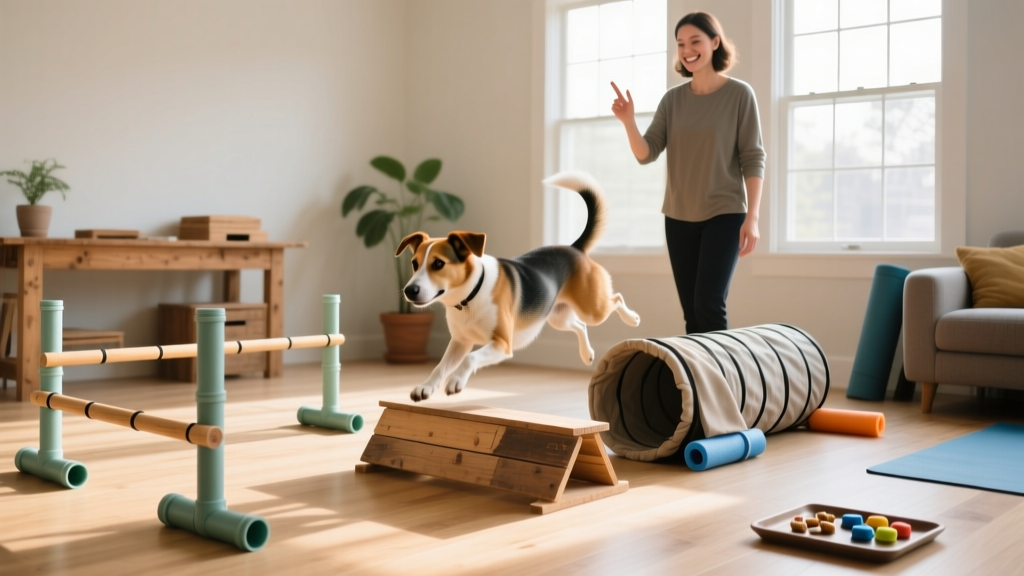
Top 10 Intelligent Dogs: Best Enrichment Products & Puzzle Toys for 2026
Discover the best enrichment products, puzzle toys, and training gear for the top 10 intelligent dogs.

If you share your home with one of the top 10 intelligent dogs — breeds like Border Collies, Poodles, German Shepherds, or Golden Retrievers — you already know that mental stimulation isn't optional. It's a daily requirement. Without it, brilliant dogs channel their cognitive horsepower into destructive behaviors: counter-surfing, excessive barking, escape artistry, and obsessive licking or chewing.
After working with hundreds of owners of high-intelligence breeds, I've seen the difference the right enrichment products make. The wrong toy bores a smart dog in minutes. The right one buys you 45 minutes of quiet focus and a tired, satisfied dog. This guide breaks down the best puzzle toys, interactive feeders, scent work kits, and training tools specifically designed to challenge the canine Einsteins of the dog world.
Why Smart Dogs Need Specialized Enrichment Products
The AKC recognizes that mental exercise can tire a dog as effectively as physical activity — and for highly intelligent breeds, it's often more effective. Dogs ranked among the top 10 most intelligent breeds (based on Stanley Coren's widely cited research from The Intelligence of Dogs) can learn new commands in fewer than five repetitions and obey known commands on the first try 95% of the time or better.
That cognitive capacity creates specific needs:
- Problem-solving drive: Breeds like Border Collies and Belgian Malinois need tasks with escalating difficulty. A static toy becomes furniture within a week.
- Working-dog heritage: Retrievers, herding breeds, and scent hounds have breed-specific drives (fetching, herding, tracking) that enrichment products can redirect constructively.
- Sensitivity to repetition: Intelligent dogs habituate faster. You need a rotation system with varied product types, not one miracle toy.
- Emotional complexity: Smart dogs are prone to anxiety and frustration when under-stimulated. The Merck Veterinary Manual links chronic under-stimulation to compulsive disorders in working breeds.
Buying Criteria: What Matters for High-Intelligence Breeds
Top 7 Enrichment Products for the Top 10 Intelligent Dogs
The following products are selected specifically for their ability to challenge high-intelligence breeds over extended periods. Pricing reflects 2026 retail averages from major US retailers.
1. Outward Hound Nina Ottosson Dog Brick Interactive Puzzle
Price: $16–$22 | Difficulty: Level 2 (Intermediate) | Best for: Poodles, Golden Retrievers, Shetland Sheepdogs
This classic sliding-compartment puzzle requires dogs to flip lids, slide blocks, and lift cones to access hidden treats. The three-action variety prevents the rapid habituation that defeats simpler puzzles.
- Pros: Affordable entry point; easy to clean (warm soapy water); BPA/phthalate/PVC-free; multiple treat compartments sustain interest
- Cons: Level 2 only — Border Collies and Malinois will solve it within days; lightweight construction can slide on hardwood floors; not for aggressive chewers
2. Kong Wobbler Treat-Dispensing Toy
Price: $15–$25 (Small/Large) | Difficulty: Moderate (physical + cognitive) | Best for: Labrador Retrievers, German Shepherds, Doberman Pinschers
Unlike the classic Kong, the Wobbler is a hard-plastic, weighted-base toy that dogs must paw, nose, and body-slam to dispense kibble. It doubles as a slow feeder, stretching mealtime from 2 minutes to 15–20 minutes.
- Pros: Extremely durable polycarbonate shell; dishwasher-safe; works as a meal replacement tool; unpredictable wobble pattern resists habituation
- Cons: Loud on hard floors; single difficulty level; dogs over 80 lb / 36 kg may crack it with repeated body-slamming
3. iFetch Interactive Ball Launcher (Mini & Standard)
Price: $115–$165 | Difficulty: High (learned retrieval loop) | Best for: Border Collies, Australian Shepherds, Poodles, Papillons
The iFetch teaches dogs to drop a ball into a hopper, which then launches it 10, 20, or 30 feet. Dogs learn the cause-and-effect loop within 3–7 training sessions. This is one of the few products that genuinely exhausts high-drive herding breeds mentally and physically.
- Pros: Teaches independent play loop; adjustable launch distance; AC adapter + battery option; satisfies fetch drive without owner arm fatigue
- Cons: Higher price point; requires initial training investment (2–3 weeks of daily 10-minute sessions); Mini version uses 1.6" balls that are a choking hazard for dogs over 30 lb / 14 kg; not suitable for dogs with resource guarding around balls
4. Sniffiz Snuffle Mat + Nosework Kit
Price: $28–$42 | Difficulty: Variable (you control hide complexity) | Best for: German Shepherds, Belgian Malinois, Labrador Retrievers, Bloodhounds
Scent work taps directly into the olfactory cortex — the largest sensory region in a dog's brain. The Sniffiz mat features multiple fabric layers, pockets, and tubes where you hide treats. Pair it with their Nosework Kit (scented cotton swabs in birch, anise, and clove) to progress to formal scent discrimination.
- Pros: Infinitely scalable difficulty; machine-washable; taps breed-specific scent drive; quiet activity ideal for apartment living; builds confidence in anxious dogs
- Cons: Fabric absorbs saliva and needs regular washing; dogs with strong prey drive may try to "dig" through the mat destructively; scent oils can stain furniture
5. Starmark Bob-A-Lot Interactive Treat Dispenser
Price: $12–$18 | Difficulty: Beginner-Intermediate | Best for: First-time enrichment for any top-10 intelligent breed; puppies under 12 months
A transparent, adjustable-opening ball that dogs roll to dispense treats. The adjustable aperture lets you control treat flow rate from free-feed to single-treat-per-10-rolls.
- Pros: Budget-friendly; transparent so dogs see treats inside (maintains motivation); adjustable opening; virtually indestructible rubber-plastic hybrid
- Cons: Simple mechanism — advanced dogs master it in under a week; noisy rolling; single-mode engagement (roll only, no sliding or lifting)
6. West Paw Toppl Treat Toy (Interlocking System)
Price: $17–$28 per piece (buy 2 for interlocking) | Difficulty: Moderate to Advanced (when interlocked) | Best for: Rottweilers, Doberman Pinschers, Golden Retrievers, Labs
The Toppl's genius is modularity. A single Toppl works as a stuffable treat cup (like a Kong). Interlock a large and small Toppl together, and you create a multi-chamber puzzle that requires dogs to manipulate two connected pieces simultaneously. Made from West Paw's Zogoflex material — recyclable, dishwasher-safe, and backed by a one-time replacement guarantee.
- Pros: Interlocking system creates escalating difficulty; Zogoflex is non-toxic and floats; freezer-safe for frozen treats; US-manufactured; strong warranty
- Cons: Need to buy two pieces for full puzzle effect ($34–$56 total); frozen treats require 4+ hour prep; aggressive chewers can eventually separate the interlock
7. PetSafe Busy Buddy Tug-A-Jug Meal-Dispensing Toy
Price: $14–$20 | Difficulty: Moderate-High | Best for: German Shepherds, Belgian Malinois, Border Collies, Rottweilers
A clear jug with a rope running through it. Dogs must tug, shake, and roll the jug to extract kibble through the opening. The rope adds a tactile manipulation element absent from simple rolling dispensers. Holds up to 3 cups of kibble, making it viable as a full-meal feeder for medium-large breeds.
- Pros: High kibble capacity; rope mechanism adds complexity; transparent body maintains food visibility; suitable for powerful breeds
- Cons: Hard plastic can crack on concrete; rope frays over 3–6 months and needs replacement; not dishwasher-safe (hand-wash only)
Product Comparison Table
| Product | Price Range | Difficulty | Durability | Dishwasher-Safe | Best Breed Match |
|---|---|---|---|---|---|
| Nina Ottosson Dog Brick | $16–$22 | Level 2 | Moderate | No (hand-wash) | Poodles, Goldens, Shelties |
| Kong Wobbler | $15–$25 | Moderate | High | Yes | Labs, GSDs, Dobies |
| iFetch Ball Launcher | $115–$165 | High | High | N/A (electronics) | Border Collies, Aussies, Papillons |
| Sniffiz Snuffle Mat + Kit | $28–$42 | Variable | Moderate | Machine-wash | GSDs, Malinois, Labs, Hounds |
| Starmark Bob-A-Lot | $12–$18 | Beginner-Int. | High | No (hand-wash) | All breeds (starter) |
| West Paw Toppl (x2) | $34–$56 | Mod-Advanced | Very High | Yes | Rottweilers, Dobies, Labs |
| Tug-A-Jug | $14–$20 | Mod-High | Moderate-High | No (hand-wash) | GSDs, Malinois, Border Collies |
How to Use Enrichment Products Safely and Effectively
Safety First: Never leave a dog unsupervised with a new enrichment product for the first 2 weeks. Watch for destructive chewing, part ingestion, or frustration-based aggression. If your dog destroys a toy and ingests plastic or fabric pieces, contact your veterinarian or the ASPCA Animal Poison Control at (888) 426-4435 (24/7, consultation fee applies).
Step-by-Step Introduction Protocol
- Day 1–3: Demonstrate. Sit with your dog and the product. Show them how the mechanism works by manipulating it yourself. Let treats fall out easily. Use high-value treats (freeze-dried liver, small cheese pieces) to build initial motivation.
- Day 4–7: Guided attempts. Let your dog try. Praise any interaction — sniffing, pawing, nosing. If they show frustration (whining, walking away, biting the toy aggressively), reduce the difficulty by leaving compartments partially open or using larger treat pieces that fall out more easily.
- Day 8–14: Independent play. Offer the toy when you're in the room but not actively engaged. Time how long they persist. A well-matched product holds a smart dog's attention for 15–30 minutes.
- Week 3+: Rotation system. Introduce a second product. Alternate daily. Smart dogs need novelty — a single toy, no matter how complex, loses engagement value within 2–4 weeks of daily use.
- Ongoing: Difficulty escalation. Once your dog solves a puzzle in under 2 minutes consistently, it's time to increase difficulty. Freeze treats inside stuffable toys, use smaller kibble that requires more rolls, or add scent-discrimination challenges to snuffle mats.
Caloric Safety
When using treat-dispensing products, account for the calories dispensed. A typical training treat contains 3–8 calories. If your puzzle toy dispenses 30 treats per session, that's 90–240 additional calories — potentially 15–25% of a 50 lb / 23 kg dog's daily requirement. Reduce meal portions accordingly, or use the puzzle toy as the meal itself with measured kibble.
Effectiveness Evidence: What the Research Says
A 2022 study published in Applied Animal Behaviour Science found that dogs provided with food-puzzle toys showed a 33% reduction in separation-related behaviors compared to dogs fed from standard bowls. The study specifically noted that breeds with higher trainability scores (correlating with Coren's intelligence rankings) showed the greatest behavioral improvement from enrichment feeding.
The AVMA's position on behavioral needs in companion animals emphasizes that environmental enrichment — including cognitive challenges — is a welfare requirement, not a luxury. For breeds in the top 10 intelligence tier, the AVMA framework specifically recommends daily problem-solving opportunities.
Certified applied animal behaviorists (CAABs) consistently recommend a minimum of 30 minutes of structured mental enrichment daily for working and herding breeds. The products above, used in rotation, meet that threshold when combined with training sessions and physical exercise.
Where to Buy and Typical Price Ranges
Most products in this guide are available through:
- Chewy.com — Widest selection; frequent auto-ship discounts (5–10%); fast shipping
- Amazon — Competitive pricing; read reviews carefully to avoid counterfeit Nina Ottosson or Kong products
- West Paw (direct) — Best for Toppl and other Zogoflex products; warranty claims handled directly
- Independent pet stores — Often stock Sniffiz and smaller brands; staff can demonstrate products in-store
Budget planning by dog size:
- Small breeds (Papillon, Miniature Poodle): $30–$60 for a 3-product starter rotation
- Medium breeds (Border Collie, Australian Shepherd): $50–$90 for a 3-product rotation
- Large breeds (GSD, Rottweiler, Lab): $60–$120 for a 3-product rotation (durability drives cost up)
- Premium setup (including iFetch): $180–$280 for a 4-product advanced rotation
Natural and DIY Alternatives
You don't need to spend money to challenge a smart dog. These zero-cost and low-cost alternatives provide genuine cognitive enrichment:
- Cardboard box foraging: Nest 3–4 cardboard boxes of decreasing size. Hide treats in the innermost box. Your dog must tear through layers to find rewards. Cost: $0 (save delivery boxes). Supervise to prevent cardboard ingestion.
- Frozen Kong alternatives: Stuff a clean, empty toilet paper tube with peanut butter (xylitol-free) and kibble, fold the ends, and freeze. Budget: under $2 per unit.
- Muffin tin puzzle: Place treats in a muffin tin and cover each cup with a tennis ball. Your dog must remove the balls to access treats. Cost: ~$5 if you don't own a tin.
- Scent trails: Drag a treat along the ground in your yard to create a 20–30 foot trail ending at a hidden treat pile. Escalate by adding false trails. Cost: just the treats.
- Hide-and-seek: Have your dog sit-stay (or have a partner hold them) while you hide in another room. Call them once. This exercises recall and problem-solving simultaneously. Cost: $0.
- DIY snuffle box: Fill a shallow cardboard box with shredded paper, crumpled tissue, or old towels. Scatter kibble throughout. Let your dog forage. Cost: $0.
These alternatives work well but lack the durability and consistency of commercial products. Rotate between commercial and DIY options for maximum engagement variety.
When to Skip Products and Consult Your Veterinarian
Enrichment products are behavioral tools, not medical treatments. See your veterinarian if your dog displays any of the following, as they may indicate underlying health issues rather than simple boredom:
- Sudden behavioral changes: A previously engaged dog that ignores puzzle toys may be experiencing pain (dental disease, arthritis), cognitive decline (in dogs over 8 years), or depression.
- Obsessive-compulsive patterns: Repetitive licking, tail-chasing, or flank-sucking that persists despite enrichment. The Merck Veterinary Manual notes that compulsive disorders in intelligent breeds often require pharmacological intervention alongside behavioral modification.
- Aggression over puzzle toys: Resource guarding around food-dispensing toys requires professional behaviorist intervention — not a different product.
- Destructive ingestion: If your dog consistently destroys and swallows toy pieces, this may indicate pica (a condition linked to nutritional deficiency, anxiety, or gastrointestinal disease). Your vet will run bloodwork to rule out medical causes.
- Failure to eat from puzzles: A dog that refuses to work for food may have oral pain, nausea, or a metabolic condition reducing appetite. A veterinary exam is warranted before assuming the toy is too difficult.
Always consult your veterinarian before introducing enrichment products to dogs with known medical conditions, particularly dental disease, megaesophagus, or seizure disorders (flashing-light electronic toys may trigger photosensitive seizures in predisposed dogs).
Frequently Asked Questions
What is the best enrichment product for the top 10 intelligent dogs?
There is no single best product — intelligent dogs need variety. However, the West Paw Toppl interlocking system offers the best combination of durability, adjustable difficulty, and safety for most smart breeds. For herding breeds specifically (Border Collies, Australian Shepherds), the iFetch Ball Launcher provides unmatched drive satisfaction. For scent-driven breeds (German Shepherds, Labs), a Sniffiz Snuffle Mat with nosework kit delivers the deepest engagement.
How do I choose the right puzzle toy for my smart dog?
Match the toy to your dog's breed drive: fetch-drive dogs (retrievers, herding breeds) benefit from ball launchers and tug toys. Scent-drive dogs (hounds, shepherds) thrive with snuffle mats and nosework kits. Manipulation-drive dogs (Poodles, Dobermans) excel with sliding-compartment puzzles. Then check the seven buying criteria above — especially adjustable difficulty and durability for your dog's weight class.
How much should I expect to spend on enrichment products?
A functional 3-product rotation system costs $50–$120 depending on your dog's size and durability needs. Premium setups including electronic launchers run $180–$280. Factor in replacement costs: fabric-based products (snuffle mats) last 6–18 months; hard plastic and rubber products last 1–3 years; electronic products carry 1–2 year warranties.
How do I use enrichment products safely?
Follow the 2-week supervised introduction protocol above. Key safety rules: never leave a dog alone with a new toy; inspect products weekly for cracks, loose parts, or fraying; clean food-contact surfaces after every use; account for treat calories in daily food intake; and remove any product your dog has partially destroyed. For electronic products, keep cords out of reach and inspect battery compartments regularly.
Are there natural alternatives to commercial puzzle toys?
Yes. Cardboard box foraging, muffin tin puzzles, scent trails, DIY snuffle boxes, and hide-and-seek all provide genuine cognitive enrichment at little to no cost. The trade-off is durability and consistency — DIY options are single-use or short-lived. Use them to supplement a core rotation of 2–3 commercial products.
When should I skip OTC enrichment products and see a vet?
Consult your veterinarian if your dog shows sudden disinterest in previously enjoyed puzzles, obsessive-compulsive behaviors that enrichment doesn't reduce, resource guarding aggression around food toys, consistent destruction and ingestion of toy parts, or refusal to eat from puzzle feeders. These may signal medical conditions requiring diagnosis and treatment, not just a different toy.
How many enrichment products do I need in a rotation?
Minimum three products for any top-10 intelligent breed. Five to seven is ideal for dogs with severe boredom-driven behaviors (escape attempts, destructive chewing, excessive vocalization). Rotate daily — never offer the same product two days in a row. Retire any product your dog solves in under 2 minutes and replace it with a higher-difficulty option.
Can enrichment products replace physical exercise for smart dogs?
No. Enrichment products complement physical exercise but don't replace it. The general guideline for working and herding breeds is 60–90 minutes of physical exercise daily plus 30 minutes of structured mental enrichment. For brachycephalic breeds in the intelligence rankings (some Poodle lines), adjust physical intensity for heat tolerance but maintain mental enrichment duration.
Priya Sutaria
All our authors care for dogs every day — read more of their work on the authors page.