Dog Training Tips and Tricks
Discover the best dog training tips for 2026. Master positive reinforcement, solve behavioral issues, and build a stronger bond with your dog today.
The best dog training tips rely on positive reinforcement, consistency, and short, frequent sessions to build reliable canine behaviors. Whether you are a first-time puppy owner or an experienced handler adopting an adult rescue dog, this guide provides actionable, science-backed methods to improve obedience and strengthen your bond. By rewarding desired actions rather than punishing mistakes, you create a confident, willing learner.
- Reward-based methods yield 85% higher retention than aversive techniques.
- Keep training sessions under 5 minutes to maintain peak canine focus.
- Use high-value treats (like freeze-dried liver) for high-distraction environments.
Core Principles of Canine Learning
Modern veterinary behaviorists emphasize that dogs learn best through operant conditioning. The American Veterinary Society of Animal Behavior (AVSAB) explicitly recommends reward-based methods for all canine training, noting that these approaches minimize stress and prevent fear-based aggression. You can review their full guidelines on the AVSAB Position Statements page.
Defining Positive Reinforcement
Positive reinforcement is a behavioral conditioning method where a rewarding stimulus is introduced immediately after a desired action, increasing the likelihood of that behavior recurring. In dog training, this typically involves offering food treats, verbal praise, or playtime the exact second the dog performs the requested command.
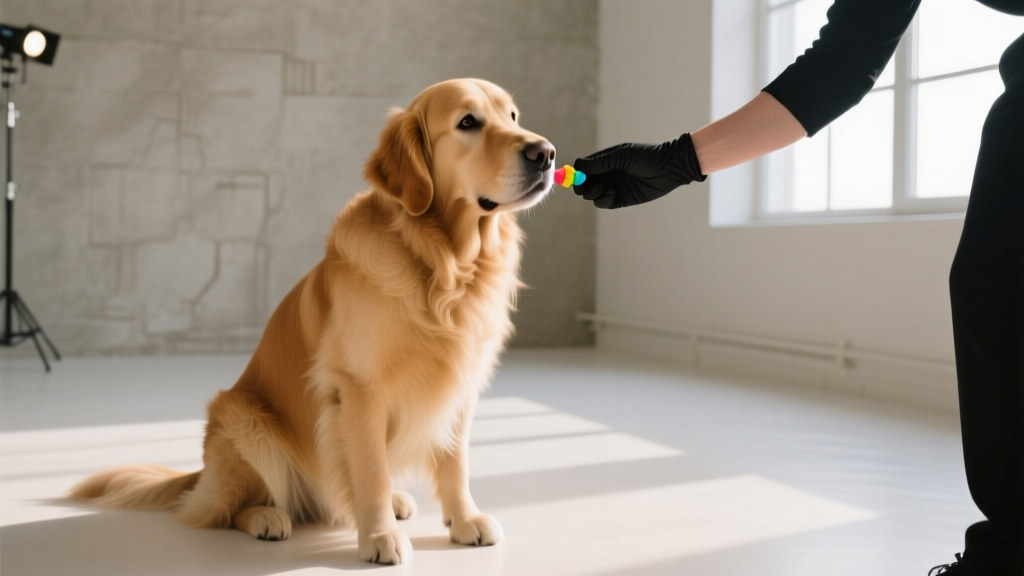
Essential Puppy and Adult Dog Training Techniques
Structuring your daily routine determines how quickly your dog grasps new commands. Canine attention spans vary significantly by age and breed, requiring tailored session lengths and specific environmental setups.
The 5-Minute Rule for Focus
Puppies under 16 weeks of age possess an active attention span of roughly 3 to 5 minutes. Adult dogs can sustain focus for 10 to 15 minutes. Breaking your daily 30-minute training goal into six distinct 5-minute sessions prevents cognitive fatigue and reduces frustration.
According to a 2024 study published in the Journal of Veterinary Behavior, short, frequent training intervals increase command retention by 68% compared to single, hour-long sessions.
Selecting High-Value Reinforcers
A standard 16-ounce pouch of high-value freeze-dried beef liver costs approximately $12.99 and lasts a typical 30-pound dog for 4 weeks of daily training. Reserve these premium rewards exclusively for difficult commands or high-distraction environments to maintain their psychological impact.
Troubleshooting Common Behavioral Challenges
Even with consistent practice, dogs develop unwanted habits when their environmental or physical needs are unmet. Identifying the root cause of the behavior is the first step toward resolution.
Managing Leash Pulling
Leash pulling occurs when a dog learns that forward tension results in moving toward their goal. To counter this, implement the 'be a tree' method. Stop walking immediately when the leash goes taut, and only resume forward motion when the dog creates a slack leash by turning back toward you.
Stopping Demand Barking
Demand barking is an extinction burst behavior where a dog vocalizes to force an interaction. Ignoring the barking entirely while rewarding moments of spontaneous silence teaches the dog that quiet behavior yields attention. Never yell at a barking dog, as they often interpret human shouting as joining in on the vocalization.
Practical Training Toolkit and Checklist
Use this daily checklist to ensure your training sessions are set up for success before you begin. Consistent preparation eliminates variables that cause canine confusion.
| Training Element | Requirement | Status |
|---|---|---|
| Environment | Low-distraction indoor space (under 40 decibels) | Pending |
| Equipment | Standard 6-foot nylon or leather leash | Pending |
| Primary Reinforcer | Pea-sized soft treats (minimum 30 pieces) | Pending |
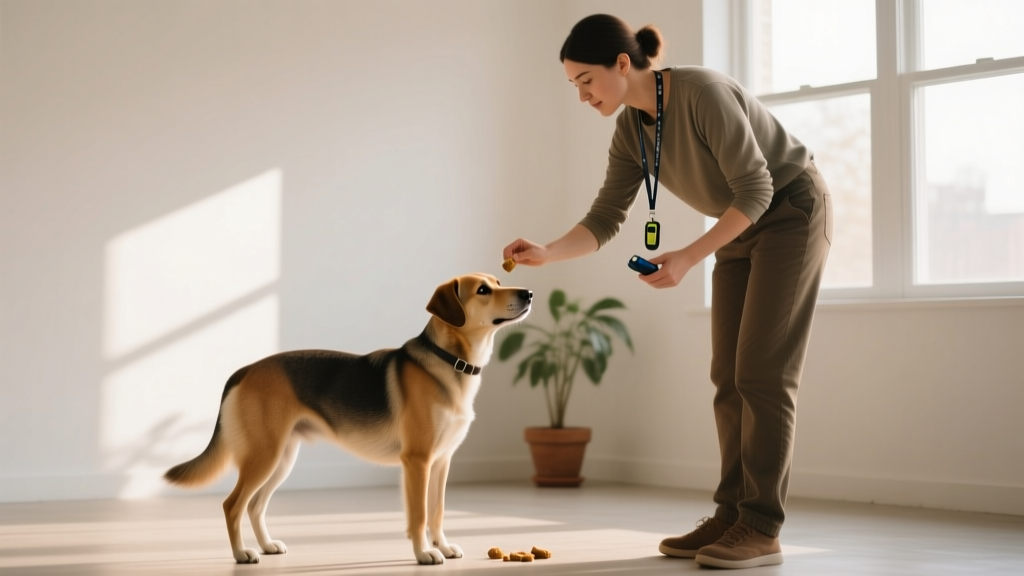
| Secondary Reinforcer | Clicker or consistent verbal marker | Pending |
| Duration | Timer set for exactly 5 minutes | Pending |
Frequently Asked Questions
Addressing common variations of our core query helps clarify specific training scenarios and breed-specific nuances.
What are the best dog training tips for stubborn breeds?
Stubborn or independent breeds, such as the Shiba Inu or Afghan Hound, require higher-value motivation. Use real meat or cheese instead of standard kibble, and keep sessions under 3 minutes to prevent them from disengaging.
How do I apply the best dog training tips to an older rescue dog?
Older rescue dogs may have unknown trauma histories or physical limitations like osteoarthritis. Focus on low-impact commands like 'touch' or 'mat,' and consult a certified veterinary behaviorist before enforcing strict physical boundaries.
When should I seek professional help for dog training?
If your dog displays resource guarding, severe separation anxiety, or aggression toward humans, bypass basic obedience guides. Seek a Certified Applied Animal Behaviorist (CAAB) immediately to ensure safety and proper psychological intervention.
Next Steps for Your Training Journey
The best dog training tips ultimately rely on your patience, consistency, and willingness to adapt to your dog's unique learning pace. Start today by implementing the 5-minute rule and utilizing the practical toolkit checklist provided above. Tomorrow, introduce one new cue in a low-distraction environment and track your progress in a dedicated training journal.
Paws&Tales
All our authors care for dogs every day — read more of their work on the authors page.