How to Stop Your Dog From Whining in the Car: The Ultimate Training Guide
Discover effective car travel training methods to stop your dog from whining. Learn step-by-step desensitization, environment tips, and expert advice.
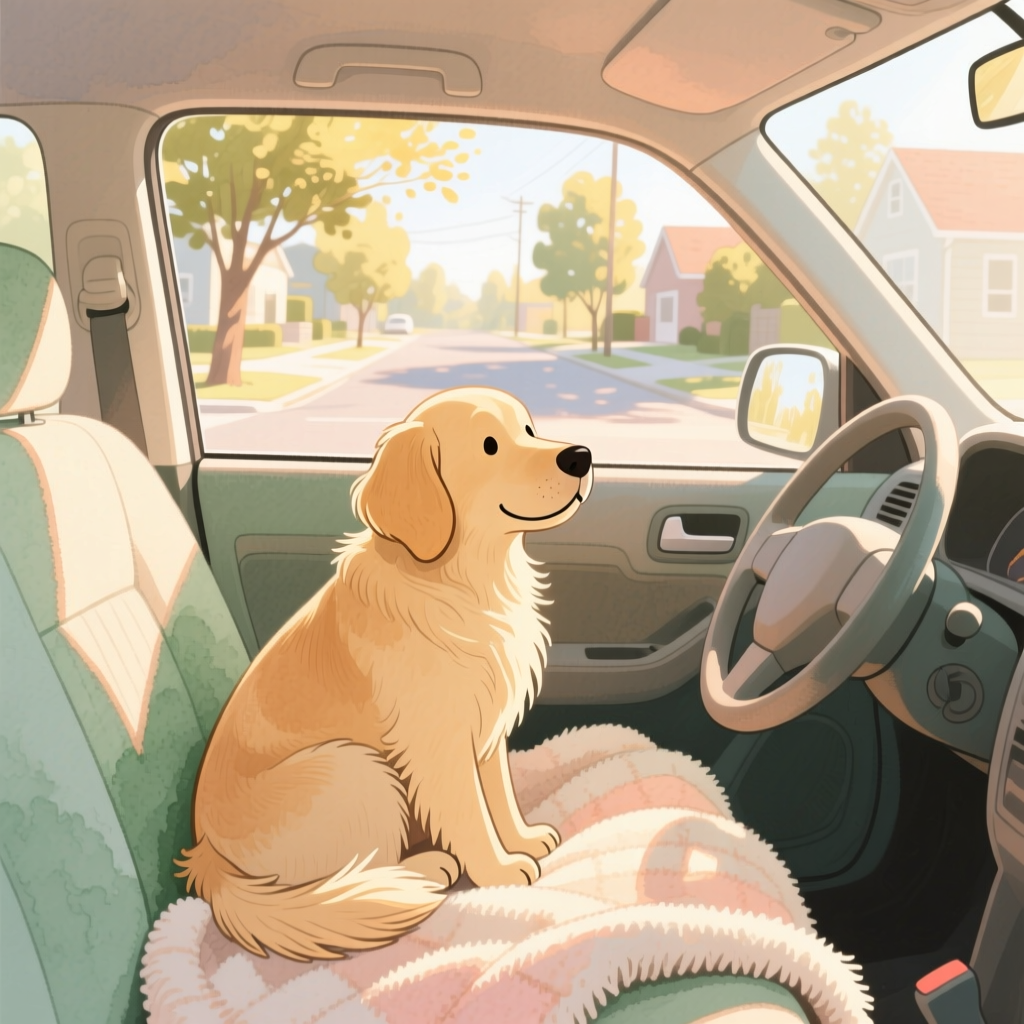
There are few things more stressful for a pet parent than driving with a dog who won’t stop whining. Whether you are embarking on a cross-country road trip, heading to the local park, or simply running a quick errand, a vocal dog in the backseat can turn a peaceful drive into an anxiety-inducing ordeal. Whining, crying, and pacing in the car are incredibly common behavioral issues, but they are not problems you simply have to live with. With the right car travel training, you can stop the whining and transform your vehicle into a calm & secure environment for both you and your canine companion.
Before diving into the training protocols, it is crucial to understand that whining is a symptom of an underlying emotional state. Your dog is not trying to annoy you; they are communicating. By identifying the root cause of the vocalization and applying systematic desensitization techniques, you can reshape your dog’s emotional response to car rides. This comprehensive guide will walk you through the psychology of car whining, provide a step-by-step training roadmap, and highlight the common mistakes that accidentally reinforce the behavior. For foundational skills, you may also want to review our guide on basic obedience commands before beginning this specialized training.
Understanding the Root Causes of Car Whining
To effectively stop your dog from whining in the car, you must first diagnose why the behavior is happening in the first place. Dogs generally whine in vehicles for one of four primary reasons: anxiety, over-excitement, motion sickness, or barrier frustration. Each of these requires a slightly different nuance in your training approach.
Anxiety and Fear
For many dogs, the car is a terrifying metal box that vibrates, makes loud noises, and moves unpredictably. Dogs who suffer from general anxiety or lack proper early socialization may view the car as a profound threat. This fear-based whining is often accompanied by panting, drooling, trembling, and a refusal to take treats. If your dog exhibits these signs, your training must focus heavily on classical conditioning to change their emotional response from fear to neutrality, and eventually, to positivity.
Over-Excitement and High Arousal
On the opposite end of the spectrum is excitement-based whining. High-energy breeds, such as the Border Collie or the Labrador Retriever, often associate the car with highly stimulating destinations like the dog park, the hiking trail, or the beach. The whining is an expression of intense anticipation and frustration that they cannot get to the destination fast enough. This type of whining requires impulse control training and a shift in how you manage your dog’s pre-ride energy levels.
Motion Sickness
Just like humans, dogs can suffer from motion sickness. This is particularly common in puppies whose inner ear structures (the vestibular system) are not yet fully developed. If your dog’s whining is accompanied by excessive lip-licking, yawning, drooling, or vomiting, they are likely experiencing physical nausea. In these cases, training must be paired with environmental adjustments and potentially veterinary-recommended anti-nausea remedies to ensure the dog is physically comfortable before expecting behavioral changes.
Barrier Frustration
Barrier frustration occurs when a dog can see something stimulating outside the window—like another dog, a squirrel, or a pedestrian—but is physically prevented from reaching it by the car window or a crate. This trapped energy manifests as whining, barking, and lunging. Managing barrier frustration involves limiting your dog’s visual access to the outside world while the vehicle is in motion.
Step-by-Step Car Travel Training Protocol
Once you have identified the likely cause of the whining, it is time to implement a structured desensitization protocol. This process requires patience, high-value treats, and a commitment to moving at your dog’s pace. Do not rush these steps, as pushing a dog past their threshold will only reinforce the anxiety or excitement.
Phase 1: The Stationary Car
Begin your training with the car parked in the driveway and the engine completely off. Open the doors and allow your dog to explore the vehicle at their own pace. Every time they step inside, offer a high-value reward like boiled chicken or freeze-dried liver. If your dog is hesitant, toss treats near the door, then on the floor of the backseat, and finally onto the seat itself. The goal is to build a positive association with the space. Practice this phase daily for short, five-minute sessions until your dog happily jumps into the car and settles down without any vocalization.
Phase 2: Engine Idling and Sensory Introduction
Once your dog is completely relaxed in the parked car, it is time to introduce the sensory experiences of driving. Close the doors, sit in the driver’s seat, and start the engine. Do not put the car in gear. Simply sit with the engine idling, the air conditioning running, and the radio playing softly. Feed your dog treats continuously for calm behavior. If they begin to whine, wait for a brief moment of silence before delivering a treat. This teaches them that quiet behavior, not whining, makes the good things happen. Incorporating a solid crate training foundation here can provide your dog with a familiar, safe den while the engine runs.
Phase 3: Micro-Drives
When the idling engine no longer triggers whining, begin taking micro-drives. Back out of the driveway, drive to the end of the street, and immediately return home. The entire drive should last less than two minutes. Upon returning, take your dog out for a calm walk or a brief play session. Gradually increase the duration of these drives over several weeks. The key to success here is predictability; your dog needs to learn that getting in the car does not always result in a high-stress event or an overwhelmingly exciting destination.
Phase 4: Destination Variety
A common mistake owners make is only taking the car to highly stimulating places (the park) or highly stressful places (the vet). To stop excitement-based whining, you must break this pattern. Take your dog on drives to entirely boring locations. Drive to the post office, run through a car wash, or simply park in a quiet lot for ten minutes before going home. By randomizing the outcomes, you lower the dog’s anticipatory arousal, which significantly reduces whining.
Optimizing the Car Environment for Calmness
Training is only half the battle; the physical environment of your vehicle plays a massive role in your dog’s ability to remain quiet and relaxed. Making strategic adjustments to the car’s interior can mitigate triggers and promote a restful state of mind.
Utilizing Crates and Restraints
Allowing a dog to roam freely in the car is not only dangerous in the event of an accident, but it also contributes to whining and pacing. A securely fastened crash-tested crate provides a den-like sanctuary that limits visual stimuli and prevents the dog from being thrown around during turns and stops. If a crate is not feasible, use a certified dog seatbelt harness. Restricting their movement helps the dog understand that it is time to settle down, rather than time to patrol the backseat.
Managing Visual and Auditory Stimuli
If your dog suffers from barrier frustration or visual overstimulation, block their view. Use mesh window covers, sunshades, or a covered crate to prevent them from watching the world rush by. Auditory management is equally important. The sound of wind, traffic, and the engine can be overwhelming. Play classical music, reggae, or specially designed canine calming playlists at a moderate volume to mask outside noises and lower your dog’s heart rate.
Temperature and Airflow
Dogs regulate their body temperature differently than humans, and a stuffy car can quickly lead to discomfort and whining. Ensure the air conditioning is flowing adequately into the backseat. This is especially critical for brachycephalic (flat-faced) breeds like the French Bulldog or the Pug, who are highly susceptible to overheating and respiratory distress. Keep the cabin cool and comfortable to prevent physical agitation.
Long-Lasting Enrichment
Give your dog a job to do while in the car. Providing a frozen Kong stuffed with peanut butter, a lick mat smeared with plain yogurt, or a durable chew toy encourages licking and chewing. These repetitive actions release endorphins in a dog’s brain, naturally soothing their nervous system and keeping their mouth occupied, making it physically difficult for them to whine.
Managing Pre-Ride Energy and Arousal
A dog who is bursting with pent-up physical and mental energy is far more likely to whine in the car. Setting the stage for a calm ride begins long before you open the car door.
The Importance of Pre-Ride Exercise
Never put a highly aroused dog directly into a vehicle. Before any car trip, engage your dog in physical exercise and mental enrichment. A brisk 30-minute walk, a game of fetch, or a rigorous sniffing session in the yard will help burn off excess adrenaline. A tired dog is a quiet dog. Working on impulse control exercises before the ride can also help shift your dog’s brain from an emotional, reactive state into a calm, thinking state.
Implementing a Calmness Protocol
Create a predictable pre-ride routine that signals calmness rather than chaos. Avoid using an excited, high-pitched voice when you say, "Do you want to go for a ride?!" This spikes the dog’s arousal levels instantly. Instead, move slowly, speak in a low, soothing tone, and ask your dog to perform a "sit" or "down" before opening the car door. Reward calm behavior with quiet praise and low-value treats. If your dog begins to whine or jump while you are preparing to leave, freeze and wait for them to settle before proceeding.
Common Mistakes and Pro Tips for Success
Even with the best intentions, many pet parents accidentally sabotage their car travel training. Avoiding these common pitfalls will accelerate your progress and ensure your dog learns the right lessons.
Mistake 1: Rewarding the Whine
If your dog whines and you respond by turning around, offering a treat to quiet them down, or speaking to them in a soothing voice, you have just rewarded the whining. Dogs repeat behaviors that work. If whining gets them your attention or a snack, they will continue to do it. You must completely ignore the whining and only reward moments of voluntary silence.
Mistake 2: Yelling or Punishing
Shouting at a whining dog from the front seat does not teach them to be quiet; it only adds your aggressive energy to their existing anxiety or excitement. This can escalate the situation, causing a fearful dog to panic or an excited dog to become more frantic. Maintain your composure, keep your eyes on the road, and rely on your environmental management and training protocols rather than verbal corrections.
Mistake 3: Skipping the Foundation Work
Many owners try to rush the desensitization process, jumping straight to 30-minute drives before the dog is comfortable sitting in a parked car with the engine on. If your dog begins whining during a drive, it is a sign that you have moved too fast. Return to the previous successful step and build up more slowly. For dogs with severe anxiety that borders on panic, consulting a professional behaviorist or exploring techniques used in separation anxiety protocols may be necessary.
Pro Tip: Keep a Training Log
Maintain a simple journal of your car rides. Note the duration of the drive, the destination, your dog’s pre-ride energy level, and when the whining started or stopped. Over time, you will identify specific triggers (like left turns, stopping at red lights, or approaching the vet clinic) that you can target in your training sessions.
Frequently Asked Questions
How long does it take to stop a dog from whining in the car?
The timeline varies wildly depending on the dog’s history, breed, and the root cause of the whining. A young puppy experiencing mild motion sickness might adjust within a few weeks of short, positive trips. Conversely, an adult rescue dog with deep-seated vehicular anxiety or a highly driven herding breed like the German Shepherd may require several months of consistent, daily desensitization training. Patience and consistency are your most important tools.
Should I ignore my dog when they whine in the car?
Yes, active ignoring is a powerful tool, provided the dog is safe and not in physical distress. If the whining is rooted in excitement or a demand for attention, completely ignoring the behavior (no eye contact, no talking, no touching) will eventually lead to extinction of the whining. However, if the whining is caused by severe fear or motion sickness, ignoring them will not solve the underlying physical or emotional issue, and you must address the root cause through environmental changes or veterinary support.
Can motion sickness cause my dog to whine?
Absolutely. Motion sickness is a leading cause of vocalization in cars, especially in puppies and small breeds like the Chihuahua. The sensory disconnect between what their eyes see and what their inner ear feels causes intense nausea. If your dog whines, drools, and smacks their lips, consult your veterinarian. There are highly effective, safe anti-nausea medications and natural supplements that can settle their stomach, allowing them to relax and benefit from behavioral training.
Is it safe to let my dog stick their head out the window?
While dogs love the feeling of the wind in their fur, allowing them to stick their head out the window is highly dangerous. Debris, rocks, and insects can cause severe eye injuries or respiratory damage at high speeds. Furthermore, a sudden stop or a sharp turn can result in the dog being ejected from the vehicle. To keep your dog safe & quiet, keep the windows rolled up or only cracked a few inches for fresh air, and rely on secure restraints or crates.
What if my dog only whines when we approach the vet?
This is a classic example of associative anxiety. Your dog has memorized the route and the visual cues of the veterinary clinic. To combat this, practice "happy visits." Drive to the vet clinic, walk in, give your dog high-value treats from the receptionist, and immediately leave without any medical procedures being performed. Doing this repeatedly will help dismantle the negative association and reduce the anticipatory whining that occurs as you pull into the parking lot.
Robin Maitland
All our authors care for dogs every day — read more of their work on the authors page.