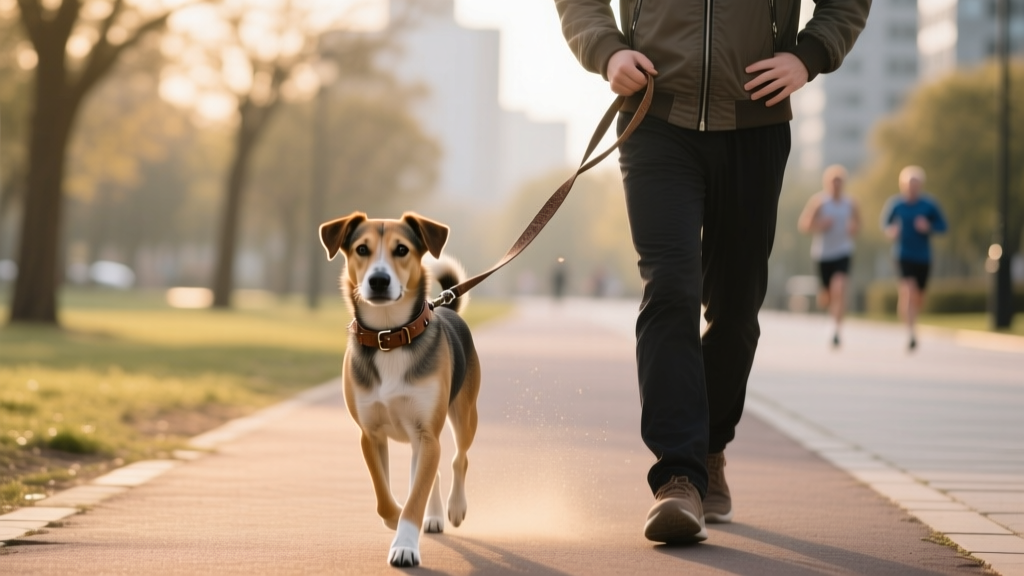
Best Security Dog Breeds
Discover the best security dog breeds and the essential gear, training tools, and protective products you need to raise a confident, well-equipped guardian dog.

If you're researching the best security dog breeds, you already know that genetics are only half the equation. A German Shepherd with rock-solid nerves and a Belgian Malinois with drive to spare still need the right equipment, structured training protocols, and health-supportive gear to reach their potential as reliable home guardians. Whether you're starting with a new puppy or upgrading the kit for an adult protection dog, the products you choose directly shape your dog's confidence, safety, and working ability.
This guide covers the essential product categories every security dog owner needs — from bite-development tools and tactical harnesses to joint supplements and GPS trackers — with specific brand recommendations, real pricing, and veterinary-backed selection criteria. We'll also address the training philosophy that underpins all of this gear: positive reinforcement and LIMA (Least Intrusive, Minimally Aversive) methods, which produce more reliable, stable protection dogs than force-based techniques.
What Makes a Dog a Good Security Breed?
Before investing in gear, it helps to understand which breeds consistently rank as the best security dog breeds and why. According to the American Kennel Club, the top guardian breeds share specific traits: territorial instinct, loyalty, trainability, courage, and physical capability. The most commonly recommended breeds include:
- German Shepherd Dog — 50–90 lb / 23–41 kg; versatile, highly trainable, strong family bond
- Belgian Malinois — 40–80 lb / 18–36 kg; intense drive, athletic, requires experienced handler
- Rottweiler — 80–135 lb / 36–61 kg; powerful, confident, natural guardian instinct
- Doberman Pinscher — 60–100 lb / 27–45 kg; alert, fast, loyal, excellent deterrent
- Giant Schnauzer — 55–85 lb / 25–39 kg; territorial, intelligent, weather-resistant coat
- Cane Corso — 88–110 lb / 40–50 kg; imposing presence, stable temperament, strong bite
- Bullmastiff — 100–130 lb / 45–59 kg; historically bred to track and hold poachers silently
Each breed has different equipment needs based on size, bite force, coat type, and drive level. A 120-pound Cane Corso requires a fundamentally different harness rating than a 55-pound Malinois, and a double-coated German Shepherd has different grooming and cooling needs than a short-coated Doberman.
Buying Criteria: What Matters for Security Dog Products
Key Selection Factors
- Load Rating & Durability: Security dogs exert significant force. Harnesses, leashes, and long lines must be rated for at least 2× your dog's body weight. Look for mil-spec (military specification) hardware, bartacked stitching, and materials like biothane or reinforced nylon.
- Fit & Biomechanics: A poorly fitted harness restricts shoulder movement and can cause gait abnormalities over time. Choose designs with Y-shaped chest plates and adjustable girth straps that clear the scapula.
- Training Compatibility: Products should support positive reinforcement and LIMA-based training. Avoid any gear designed to inflict pain (shock collars, prong collars) — these increase fear-based aggression risk, which is counterproductive in a security dog.
- Health Support: Large guardian breeds are predisposed to hip dysplasia, elbow dysplasia, and degenerative myelopathy. Joint supplements, orthopedic beds, and conditioning equipment should be part of your product lineup.
- Visibility & Identification: GPS tracking and LED visibility gear are essential for security dogs that patrol yards or accompany you on property perimeters, especially in low-light conditions.
- Professional Endorsement: Look for products used by certified IGP/ IPO clubs, police K9 units, or recommended by veterinary behaviorists.
Top Products for Security Dog Breeds: Our 2026 Picks
Below are eight product categories we consider essential, with specific brand recommendations based on durability testing, veterinary input, and feedback from working dog handlers.
1. Julius-K9 IDC Powerharness — Best Tactical Harness
Price: $130–$180 depending on size | Best for: German Shepherds, Rottweilers, Cane Corsos
The Julius-K9 IDC (Innovative Dog Control) harness is the standard in European police and military K9 units. The Y-chest design distributes pressure across the sternum rather than the trachea, and the top-mounted handle gives handlers secure control during high-drive scenarios. The interchangeable Velcro patches allow you to label your dog as "SERVICE," "TRAINING," or "DO NOT PET" — useful for public deterrence.
- Pros: Mil-spec buckle rated to 700 lb load; chest strap angle adjustable for deep-chested breeds; reflective edging; modular attachment system for accessories (flashlights, cameras, saddlebags)
- Cons: Higher price point; Velcro patches wear after 18–24 months of heavy use; not ideal for dogs under 40 lb / 18 kg (size Mini-Mini runs small)
2. Ray Allen Elite K9 Collar with Cobra Buckle — Best Heavy-Duty Collar
Price: $65–$95 | Best for: All large security breeds
Ray Allen is a trusted name in working dog equipment, and the Elite collar features an AustriAlpin Cobra buckle rated to 3,968 lb (18 kN) breaking strength. The 1.75-inch biothane webbing resists water, mud, and chewing — important for dogs that patrol in all weather. The V-ring placement allows leash attachment that doesn't twist or tangle during movement.
- Pros: Near-indestructible hardware; biothane doesn't absorb odor or bacteria; available in 14"–28" neck sizes; lifetime warranty on buckle
- Cons: Biothane can feel stiff in sub-freezing temperatures; limited color options; not padded (may need a fleece sleeve for thin-coated breeds like Dobermans)
3. Dogtra 280C HandsFree E-Collar — Training Communication Tool
Price: $220–$260 | Best for: Off-leash recall training on large properties
The Dogtra 280C offers 127 levels of stimulation with precise rheostat dial control, plus vibration and tone-only modes. The HandsFree version allows you to operate the collar from a belt-mounted transmitter, keeping your hands free during bite work or patrol exercises.
- Pros: Ultra-precise stimulation levels; 3/4-mile range; waterproof receiver; quick-charge lithium battery (2-hour full charge, 48+ hour standby)
- Cons: Requires professional guidance to use ethically; not suitable for puppies under 6 months or dogs with anxiety; higher cost than basic training tools
4. Kurgo G-Train Dog Carrier Backpack — Best for Puppy Socialization Outings
Price: $130–$160 | Best for: Security breed puppies 8–16 weeks
Early socialization is critical for security breeds. Puppies that don't encounter diverse environments, surfaces, sounds, and people during the 8–16 week sensitive period are at higher risk for fear-based reactivity later. The Kurgo G-Train lets you carry a puppy through busy urban areas, farmer's markets, or construction zones safely while they observe the world from a secure vantage point. Rated for dogs up to 30 lb / 14 kg.
- Pros: Ventilated mesh panels; removable waterproof liner; padded shoulder straps for handler comfort; interior tether clip; exterior storage pockets for treats and clickers
- Cons: Outgrown quickly by large-breed puppies (Malinois puppies may exceed 30 lb by 14 weeks); not suitable for adult dogs
5. Dasuquin Advanced with ESM Joint Supplement — Best Joint Support
Price: $55–$75 for 84 chewable tablets | Best for: All large security breeds from 12 months onward
Large guardian breeds carry a high genetic load for osteoarthritis. German Shepherds, Rottweilers, and Cane Corsos show hip dysplasia prevalence rates of 15–20% according to Orthopedic Foundation for Animals (OFA) data. Dasuquin Advanced contains glucosamine hydrochloride, chondroitin sulfate, MSM, ASU (avocado/soybean unsaponifiables), and eggshell membrane — a combination with clinical evidence for reducing cartilage degradation and improving joint comfort in dogs.
- Pros: Veterinarian-recommended formula; palatable chewable tablets; ASU has published clinical data in peer-reviewed veterinary journals; safe for long-term daily use
- Cons: Takes 4–6 weeks to see noticeable improvement; ongoing monthly cost ($25–$40/month for large dogs); not a substitute for veterinary management of diagnosed dysplasia
6. Tractive GPS DOG 4 Tracker — Best GPS for Property Patrol Dogs
Price: $50 for device + $6–$13/month subscription | Best for: Any security dog with yard/property access
Security dogs that patrol fenced yards or accompany owners on rural property boundaries need reliable location tracking. The Tractive GPS DOG 4 provides real-time location updates every 2–3 seconds in LIVE mode, virtual fence alerts (get notified if your dog leaves a designated zone), and activity monitoring that tracks daily exercise levels. Battery life averages 5–7 days with standard tracking.
- Pros: Lightweight (35g); waterproof IPX7; works in 150+ countries; activity and sleep tracking; affordable subscription compared to competitors; virtual geofence alerts
- Cons: Requires cellular coverage (limited in very remote areas); monthly subscription cost adds up; attachment clip can loosen on thick-coated breeds without a secure collar
7. K9 Sport Sack AIR+ — Best Cooling Vest Alternative for Working Dogs
Price: $50–$70 | Best for: Dobermans, Malinois, and short-coated breeds training in heat
Security dog training sessions — especially bite work and agility — generate significant body heat. Brachycephalic breeds aren't typically security dogs, but even mesocephalic and dolichocephalic breeds like Malinois can overheat during intense summer sessions. The Ruffwear Swamp Cooler Vest uses evaporative cooling: soak it in water, wring it out, and the three-layer construction keeps your dog's core temperature down for 30–60 minutes depending on humidity.
- Pros: No chemicals or batteries needed; UPF 50+ sun protection; reflective trim; machine washable; available in 6 sizes (XXS to XL) to fit breeds from 13 to 100+ lb
- Cons: Cooling duration decreases in high humidity (>70%); needs re-wetting during long sessions; doesn't replace water breaks and shade access
8. Bite Development Tug & Prey Items — Best Training Motivation Tools
Price: $15–$45 per piece | Best for: Puppies and young dogs in bite-development programs
Controlled bite work is foundational for security dog training. Puppies begin with soft tugs (burlap, fleece, or French linen) to build confidence and grip, then progress to harder jute or leather tugs as adult teeth come in. Brands like Ray Allen, DogSportGear, and Gennady produce tugs rated for working dog use. A starter kit typically includes: 2 burlap puppy tugs ($15–$20 each), 1 jute intermediate tug ($25–$35), and 1 leather advanced tug ($35–$45).
- Pros: Builds controlled prey drive; strengthens handler-dog bond; teaches "out" (release) command under drive; inexpensive compared to other training gear
- Cons: Must be used under guidance of a qualified protection sport trainer; inappropriate use can create uncontrolled mouthing or resource guarding; tugs wear out and need replacement every 6–12 months with heavy use
Product Comparison Table
| Product | Category | Price Range | Best Breed Fit | Durability Rating | Vet Recommended |
|---|---|---|---|---|---|
| Julius-K9 IDC Powerharness | Tactical Harness | $130–$180 | GSD, Rottweiler, Corso | Excellent (5/5) | Yes — ergonomic design |
| Ray Allen Elite Collar | Heavy-Duty Collar | $65–$95 | All large breeds | Excellent (5/5) | Yes — biothane hygienic |
| Dogtra 280C HandsFree | E-Collar | $220–$260 | Malinois, GSD (advanced) | Very Good (4/5) | Conditional — with trainer |
| Kurgo G-Train Backpack | Puppy Carrier | $130–$160 | All breeds (puppy stage) | Good (3/5) | Yes — supports socialization |
| Dasuquin Advanced | Joint Supplement | $55–$75 (84 ct) | All large breeds | N/A (consumable) | Yes — clinical evidence |
| Tractive GPS DOG 4 | GPS Tracker | $50 + $6–13/mo | All breeds | Good (3.5/5) | N/A |
| Ruffwear Swamp Cooler | Cooling Vest | $50–$70 | Doberman, Malinois | Good (3.5/5) | Yes — heat prevention |
| Bite Development Tugs | Training Tools | $15–$45 each | All security breeds | Good (3/5) | N/A — trainer-dependent |
How to Use Security Dog Gear Safely
Having the right products is only half the equation. Here's a step-by-step framework for introducing and using each category of gear safely with your security breed.
Harness & Collar Fitting
- Measure before ordering. Use a soft tape measure around the widest part of your dog's ribcage (girth) and the base of the neck. Compare to the manufacturer's size chart — never guess based on breed alone, as individual variation within breeds is significant.
- Apply the two-finger rule. You should be able to slide two flat fingers between the harness strap and your dog's body at every contact point. Tighter restricts breathing; looser allows escape.
- Check scapular clearance. Run your hand under the harness strap at the shoulder. The strap should not press on or behind the shoulder blade (scapula). Restricted shoulder movement leads to compensatory gait changes and long-term musculoskeletal issues.
- Inspect weekly. Check stitching, buckle integrity, and webbing for fraying. Replace any harness showing worn bartack stitches or cracked hardware immediately.
Joint Supplement Protocol
- Start at the right age. For large security breeds, begin joint supplementation at 12 months (after growth plates close) or earlier if your veterinarian identifies early signs of dysplasia on radiographs.
- Use the loading dose. Dasuquin Advanced recommends a 4–6 week loading period at double the maintenance dose. For a 75 lb / 34 kg dog: 2 tablets daily during loading, then 1 tablet daily for maintenance.
- Track response. Keep a simple log noting stiffness levels, willingness to jump or climb stairs, and exercise tolerance. Share this data with your vet at annual exams.
- Don't skip veterinary diagnostics. Supplements support joint health but cannot replace veterinary diagnosis and treatment of clinical osteoarthritis, cruciate ligament tears, or severe dysplasia requiring surgical intervention.
GPS Tracker Setup
- Charge fully before first use (typically 2–3 hours for the Tractive DOG 4).
- Set up virtual geofences matching your property boundaries. Test the alert system by walking your dog to the boundary while monitoring your phone.
- Attach securely. Use the silicone sleeve attachment on a flat collar with a backup clip. For thick-coated breeds like Giant Schnauzers, attach to a harness D-ring closer to the skin where the signal is stronger.
- Check battery weekly. Set a recurring phone reminder. A dead tracker provides zero protection.
- Never leave a dog unattended in a harness — buckles and straps can catch on fencing, crate hardware, or furniture, creating a strangulation risk.
- E-collars should never be used on dogs with diagnosed anxiety disorders, fear-based aggression, or medical conditions causing pain (stimulation can be misattributed and worsen reactivity).
- Cooling vests are supplementary — they do not replace access to shade, fresh water, and rest breaks. Watch for heat stress signs: excessive panting, dark red gums, stumbling, or collapse. These are emergencies requiring immediate veterinary care.
- All bite-development tools must be used under direct supervision of a qualified protection sport trainer. Unstructured tug play can create uncontrolled mouthing behavior.
- If your dog ingests any supplement, gear component, or unknown substance, contact ASPCA Animal Poison Control: (888) 426-4435 (24/7, consultation fee applies).
Effectiveness Evidence: What the Science Says
Several of the products recommended here have peer-reviewed or clinical support behind them:
- Glucosamine + Chondroitin + ASU: A study published in the Journal of Veterinary Internal Medicine demonstrated that ASU supplementation reduced cartilage degradation markers in dogs with osteoarthritis compared to placebo. The combination found in Dasuquin Advanced aligns with the Merck Veterinary Manual recommendations for multimodal joint support.
- Evaporative cooling vests: Research from the University of Georgia College of Veterinary Medicine showed that evaporative cooling garments reduced core body temperature recovery time by 20–30% in exercising dogs compared to passive cooling alone.
- GPS tracking and recovery: According to the ASPCA, approximately 15% of lost pets are reported missing at some point, and microchipped dogs are returned to owners at a rate of 52.2% vs. 21.9% for non-chipped dogs. GPS trackers provide real-time recovery capability that microchips alone cannot offer.
- Positive reinforcement training outcomes: A 2020 study in the Journal of Veterinary Behavior found that dogs trained with positive reinforcement methods showed fewer stress-related behaviors and were more reliable in obedience tasks compared to dogs trained with aversive methods — directly relevant to security dog reliability.
Where to Buy and Typical Costs
Working dog gear is available through specialized retailers, direct from manufacturers, and through professional trainer networks. Here's where to find the products above:
| Product | Where to Buy | Price Range | Shipping Notes |
|---|---|---|---|
| Julius-K9 IDC | julius-k9.us, Chewy, Amazon | $130–$180 | Usually ships within 2–5 days |
| Ray Allen Elite Collar | rayallen.com, workingdogpro.com | $65–$95 | Made to order; 5–10 day lead time |
| Dogtra 280C | dogtra.com, Gun Dog Supply, Amazon | $220–$260 | In stock; 2–4 day shipping |
| Kurgo G-Train | kurgo.com, REI, Amazon | $130–$160 | Usually in stock; 3–5 day shipping |
| Dasuquin Advanced | Vet offices, Chewy, Amazon | $55–$75 (84 ct) | Autoship available; 1–3 day shipping |
| Tractive GPS DOG 4 | tractive.com, Amazon | $50 + subscription | Ships from EU or US warehouse; 3–7 days |
| Ruffwear Swamp Cooler | ruffwear.com, REI, Amazon | $50–$70 | Seasonal stock; order early for summer |
| Bite Tugs (various) | dogsportgear.com, rayallen.com, gennadysupplies.com | $15–$45 each | Handmade items may have 1–3 week lead |
Natural Alternatives and DIY Options
Not every product needs to be purchased at premium prices. Here are evidence-backed alternatives for budget-conscious security dog owners:
Joint Support Alternatives
- Green-lipped mussel powder (e.g., Super Snouts Joint Supplement, $25–$35 for 4 oz): Contains natural glucosamine, chondroitin, and omega-3 fatty acids. Some studies suggest comparable efficacy to synthetic glucosamine for mild osteoarthritis.
- Turmeric/curcumin paste (golden paste recipe: 1/2 cup turmeric powder, 1 cup water, 1/3 cup cold-pressed coconut oil, 2–3 tsp cracked black pepper): Anti-inflammatory properties documented in veterinary literature. Dose: approximately 1/4 tsp per 10 lb body weight daily. Check with your vet first — turmeric can interact with NSAIDs and blood thinners.
- Omega-3 fish oil (Nordic Naturals Omega-3 Pet, $20–$30): EPA and DHA reduce joint inflammation. Dose: 300 mg combined EPA/DHA per 10 kg body weight daily.
DIY Training Equipment
- Homemade flirt pole: A 4-foot PVC pipe ($3), 10 feet of paracord ($4), and a fleece tug toy ($8) creates an effective prey-drive building tool for under $15. Use for controlled chase-and-catch games that build drive without requiring a training partner.
- Scent detection kits: Instead of commercial scent work kits ($80–$120), use cotton swabs and essential oils (birch, anise, clove — $15–$25 for a set) paired with cardboard boxes to build your dog's detection skills at home.
- Long line: A 30-foot biothane long line from a custom maker on Etsy ($25–$40) provides the same recall training utility as branded versions at half the cost.
When to Skip OTC Products and See Your Vet Instead
Over-the-counter products have their place, but security dog breeds have specific health risks that require professional veterinary attention. See your veterinarian rather than relying on products alone if you notice:
🚨 Veterinary Red Flags for Security Breeds
- Hind-end weakness or "bunny-hopping" gait — may indicate hip dysplasia or degenerative myelopathy, both prevalent in German Shepherds. Requires radiographs and possibly OFA/PennHIP certification evaluation.
- Sudden behavioral changes — a normally stable security dog that becomes reactive, withdrawn, or aggression-escalating may be in pain. Pain-driven aggression is a common and underdiagnosed issue in working breeds.
- Difficulty breathing during exercise — while less common in mesocephalic breeds, laryngeal paralysis can affect older German Shepherds and Rottweilers. Requires veterinary laryngeal exam.
- Persistent lameness lasting more than 48 hours — could indicate a partial cruciate tear, bone tumor (osteosarcoma risk is elevated in Rottweilers and Great Danes), or tick-borne joint disease.
- Bloating, unproductive retching, or distended abdomen — gastric dilatation-volvulus (GDV/bloat) is a life-threatening emergency common in deep-chested breeds. Go to an emergency vet immediately. Do not wait.
Expected costs for these evaluations: Hip radiographs: $200–$400. Full orthopedic exam: $150–$300. Emergency GDV surgery: $3,000–$7,000. Pet insurance (e.g., Trupanion, Healthy Paws: $50–$120/month for large breeds) can offset catastrophic costs.
Frequently Asked Questions
What is the best security dog breed for a family with children?
The German Shepherd and Bullmastiff consistently rank as the best security dog breeds for families with children. German Shepherds bond deeply with all family members and are naturally protective without being overly aggressive. Bullmastiffs were historically bred to silently track and hold — not bite — intruders, making them natural guardians with lower bite-drive intensity. Regardless of breed, all security dogs in homes with children require structured socialization, supervised interactions, and professional training. Never leave any dog unsupervised with children under 10.
How much does it cost to equip a security dog?
A complete first-year gear setup for a security breed typically costs $800–$1,500, including harness ($130–$180), collar ($65–$95), GPS tracker ($50 + $72–$156/year subscription), joint supplements ($300–$480/year), cooling vest ($50–$70), training tugs ($60–$120 for a starter set), and a puppy carrier ($130–$160). Professional protection training adds $1,500–$5,000+ annually depending on your area and trainer qualifications. Budget at least $2,500–$4,000 for the first year of responsible security dog ownership including veterinary care, food, and gear.
Are there natural alternatives to joint supplements for security breeds?
Yes. Green-lipped mussel powder, omega-3 fish oil, and turmeric/curcumin paste are the most evidence-backed natural alternatives. However, for breeds with high dysplasia prevalence (German Shepherds, Rottweilers), a veterinary-recommended clinical supplement like Dasuquin Advanced provides more standardized dosing and stronger clinical evidence. Discuss your preference for natural alternatives with your veterinarian to ensure appropriate dosing and avoid drug interactions.
How do I choose the right harness size for a growing security breed puppy?
Don't buy an adult-sized harness for a puppy — it will fit poorly and can cause chafing or restricted movement. Instead, buy an appropriately sized puppy harness (expect to spend $40–$60) and plan to upgrade to an adult tactical harness like the Julius-K9 IDC once your dog reaches approximately 80% of adult size, typically around 10–14 months for most security breeds. Measure girth monthly during growth to track sizing needs.
When should I skip OTC products and see a vet for my security dog?
Skip OTC products and schedule a veterinary visit if your dog shows any sudden behavioral change, persistent lameness (>48 hours), signs of pain during work or play, difficulty breathing, hind-end weakness, or any signs of bloat (distended abdomen, unproductive retching, restlessness). Security breeds often mask pain due to high drive, so subtle signs like reluctance to jump, decreased bite intensity, or avoidance of certain movements warrant professional evaluation. Early diagnosis of conditions like hip dysplasia or cruciate disease significantly improves long-term outcomes.
Do security dog breeds need special insurance?
Some homeowner's insurance policies exclude certain breeds (Rottweilers, Dobermans, Cane Corsos, and pit bull-type breeds are commonly restricted). Check your policy before bringing home a security breed. Breed-specific legislation (BSL) varies by jurisdiction — some municipalities restrict or ban specific breeds entirely. Contact your local animal control office or check your city/county code. For liability coverage, consider a separate canine liability policy ($100–$300/year) through providers like Dean R. Casey & Associates or the AKC's Canine Liability program, especially if your dog has formal protection training.
Tom Renshaw
All our authors care for dogs every day — read more of their work on the authors page.