The Ultimate Dog Training Guide for First-Time Owners
Discover essential dog training tips for first-time owners. Learn step-by-step methods, avoid common mistakes, and build a strong bond with your new pup.
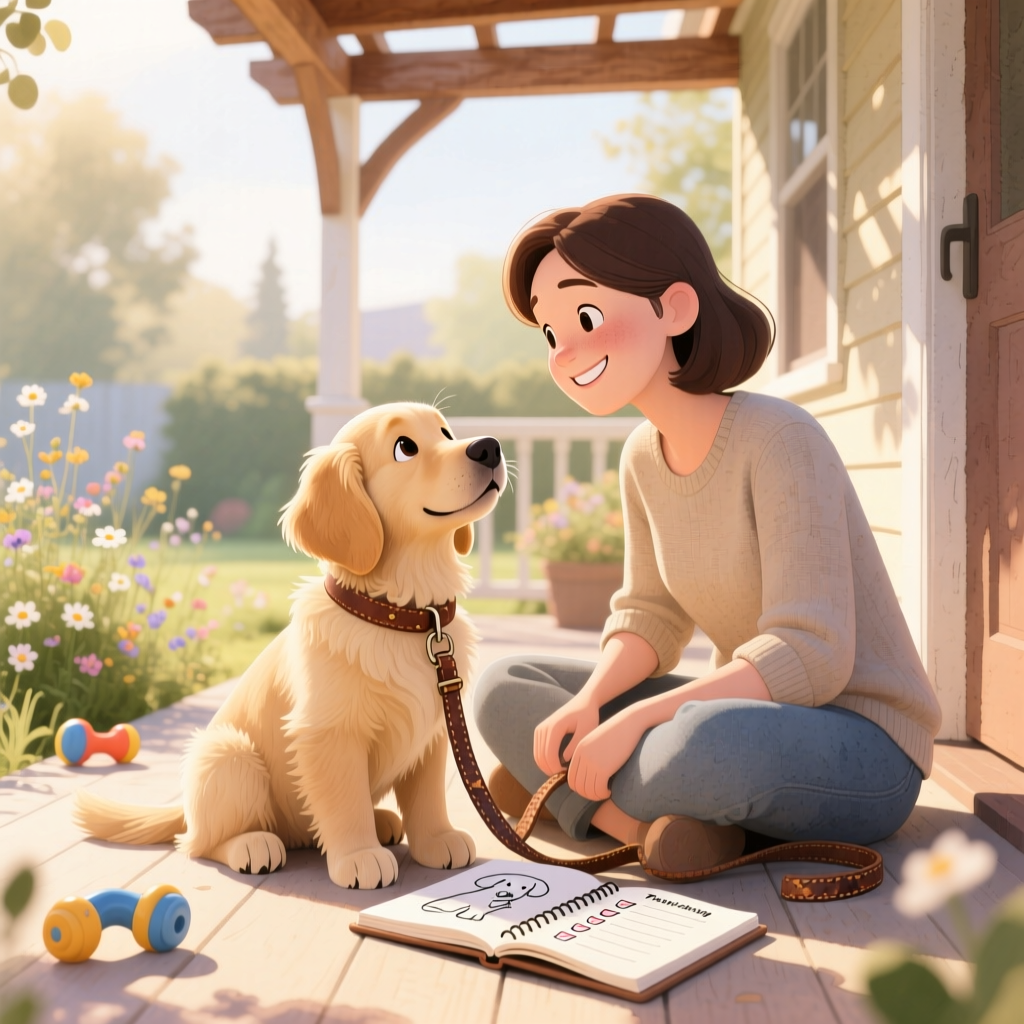
Bringing a new dog into your home is one of the most exciting and rewarding experiences life has to offer. Whether you have just adopted a bouncy puppy or a lovable adult rescue, the journey of dog ownership is filled with joy, companionship, and unforgettable memories. However, alongside the cuddles and playtime comes a significant responsibility: training. For first-time owners, the world of dog training can feel overwhelming. With countless methods, tools, and opinions available, it is easy to feel lost or frustrated when your new furry friend does not immediately understand what you are asking.
The truth is, successful dog training is not about dominance or strict discipline; it is about communication, patience, and building a foundation of mutual trust. Dogs are incredibly intelligent and eager to please, but they do not speak our language. It is up to us to teach them the rules of our human world in a way that makes sense to them. By utilizing positive reinforcement and maintaining a consistent routine, you can transform a chaotic household into a harmonious environment.
This comprehensive guide is designed specifically for first-time dog owners. We will walk you through the essential mindset, the core commands every dog needs to know, house training basics, and the most common pitfalls to avoid. By the end of this article, you will have the knowledge and confidence to embark on a successful training journey with your canine companion.
Setting the Foundation: Essential Tools & Mindset
Before you even begin teaching your dog to sit or stay, you need to prepare yourself and your environment. The right tools and the correct mindset will make the difference between a frustrating chore and an enjoyable bonding experience. Dog training is fundamentally about psychology and timing. You are essentially teaching your dog that specific behaviors result in positive outcomes.
The Power of Positive Reinforcement
Positive reinforcement is the gold standard in modern dog training. This method involves rewarding your dog for desired behaviors, which increases the likelihood that they will repeat those behaviors in the future. Rewards can be high-value treats, verbal praise, a favorite toy, or a game of tug. When your dog sits and you immediately give them a treat, they associate the action of sitting with a positive reward. Over time, the behavior becomes a habit.
Essential Training Tools
You do not need expensive gadgets to train your dog effectively. In fact, keeping things simple is often the best approach. Here are the essential tools every first-time owner should have on hand:
- High-Value Treats: Soft, smelly treats like small pieces of boiled chicken, cheese, or commercial training treats work best. They should be small enough to eat in one bite so the training session keeps moving.
- Treat Pouch: A dedicated treat bag that clips to your belt or waist allows for lightning-fast reward delivery, which is crucial for marking good behavior.
- Clicker: A small mechanical device that makes a distinct 'click' sound. It is used to mark the exact moment your dog performs the correct behavior, followed immediately by a treat.
- Standard Leash & Harness: A standard four-to-six-foot leather or nylon leash is ideal. Avoid retractable leashes during training, as they teach dogs to pull and offer poor control. A well-fitted front-clip or dual-clip harness can also help manage pulling.
- Long Line: A 15-to-30-foot training leash is perfect for practicing recall and giving your dog freedom in a controlled manner.
Mastering the Core Commands Every Dog Needs
While it is fun to teach your dog tricks like rolling over or playing dead, there are a few foundational commands that are absolutely critical for your dog's safety and your sanity. These core commands form the vocabulary you will use to communicate with your dog every single day.
1. Sit: The Default Behavior
'Sit' is often the first command taught, and it serves as a fantastic default behavior. A dog that sits politely is a dog that is not jumping on guests, bolting out the front door, or lunging at other animals.
Step-by-Step:
- Hold a high-value treat close to your dog's nose.
- Slowly move the treat up and slightly back over their head. As their nose follows the treat, their bottom will naturally lower to the ground.
- The exact second their bottom touches the floor, click your clicker or say your marker word (like 'Yes!'), and give them the treat.
- Repeat this process several times. Once they are reliably following the lure, add the verbal cue 'Sit' just before you move your hand.
2. Stay: Building Impulse Control
'Stay' is all about impulse control. It teaches your dog to remain in place until they are released, which can be a lifesaver if you drop something dangerous or open a door to a busy street.
Step-by-Step:
- Ask your dog to sit.
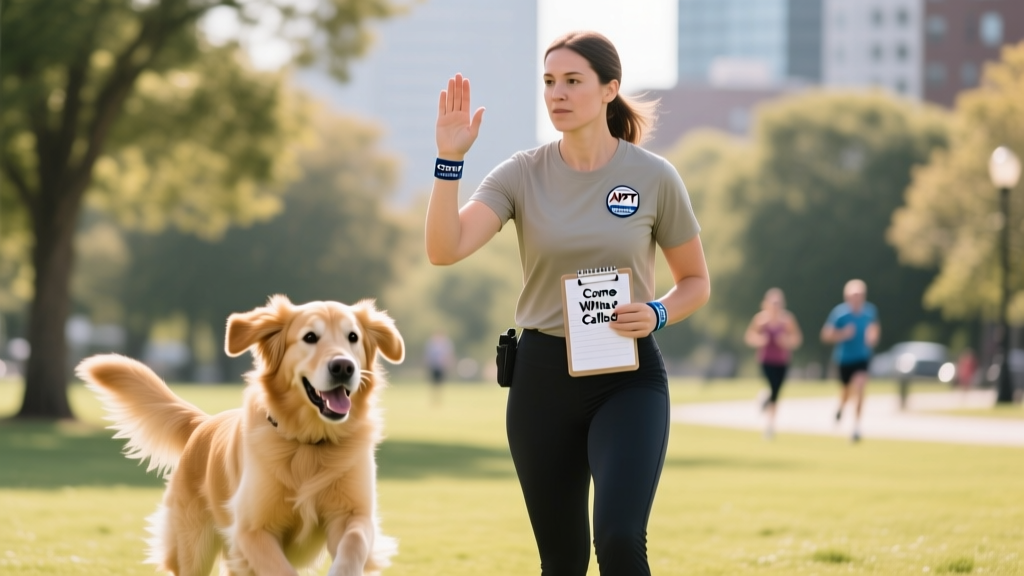
- Hold your hand up like a stop sign and say 'Stay'.
- Wait just one second, then mark and reward them for not moving.
- Gradually increase the Duration (waiting longer before rewarding), the Distance (taking a step back), and the Distraction (adding environmental noise). Never increase all three at the same time.
- Always use a clear release word like 'Free' or 'Okay' to let them know the exercise is over.
3. Come: The Ultimate Safety Command
A reliable recall is arguably the most important command your dog will ever learn. It allows you to give your dog off-leash freedom and can save their life if they slip their collar or head toward danger. For a deep dive into this crucial skill, check out our recall training masterclass.
Step-by-Step:
- Start in a quiet, distraction-free room. Say your dog's name followed by 'Come' in an enthusiastic, happy tone.
- When they move toward you, encourage them with praise. When they reach you, reward them heavily with a jackpot of treats or a favorite game.
- Never call your dog to you for something they perceive as negative, such as a bath, nail trimming, or the end of playtime. 'Come' must always mean wonderful things are about to happen.
- Gradually practice in more distracting environments using a long line for safety.
4. Leave It: Preventing Trouble
'Leave It' tells your dog to ignore an object, food, or animal. This prevents them from eating toxic items off the sidewalk or harassing wildlife.
Step-by-Step:
- Place a low-value treat in your closed fist and present it to your dog. They will likely sniff, lick, and paw at your hand.
- Wait. Do not say anything. The moment they pull their nose away or stop trying, click and reward them with a different, higher-value treat from your other hand.
- Once they understand that ignoring the fist yields a reward, add the verbal cue 'Leave It' before presenting your fist.
- Progress to placing a treat on the floor and covering it with your foot, then eventually leaving it uncovered but ready to cover if they dive for it.
Potty Training & Crate Training Basics
House training is often the most stressful aspect of bringing home a new puppy or adult dog. The key to success is management, supervision, and a strict schedule. Combining potty training with crate training is the most effective method, as dogs naturally avoid soiling their sleeping areas.
Crate Training: Creating a Safe Haven
A crate is not a cage or a punishment zone; it is your dog's personal den. When introduced correctly, a crate provides a safe, secure space where your dog can relax and sleep. For a complete guide on making the crate a happy place, read our comprehensive crate training guide.
Start by leaving the crate door open and tossing high-value treats inside. Feed your dog their meals inside the crate to build a positive association. Gradually increase the amount of time the door is closed while you are in the room, and eventually while you leave the room. Never use the crate as a time-out for bad behavior, or your dog will learn to fear it.
Potty Training: The Schedule is Everything
Puppies have tiny bladders and need frequent opportunities to eliminate. A general rule of thumb is that a puppy can hold their bladder for one hour for every month of age, up to a maximum. However, during active training, you should take them out much more frequently.
The Potty Training Routine:
- Take your dog outside immediately after they wake up, after every meal, after a vigorous play session, and right before bed.
- Use a specific verbal cue like 'Go Potty' while they are eliminating.
- The second they finish, throw a mini-party! Praise them enthusiastically and give them a treat. You must reward them outside, not after you go back inside.
- If you catch them having an accident indoors, interrupt them with a neutral sound (like 'Oops!') and immediately carry them outside to finish. Never rub their nose in it or yell; this only teaches them to hide from you when they need to go.
Leash Walking & Socialization Strategies
A well-behaved dog is a joy to take out in public, but leash pulling and fear-based reactivity can make walks a nightmare. Addressing these issues early is crucial for your dog's physical and mental well-being.
Loose Leash Walking
Dogs pull on the leash because it works; it gets them where they want to go faster. To stop pulling, you must teach your dog that a loose leash is the only way to move forward. If the leash goes tight, you become a tree. Stop walking completely. Wait for your dog to look back at you or take a step back to create slack in the leash, then reward and resume walking. For more advanced techniques to stop pulling, explore our guide on mastering loose leash walking.
The Critical Socialization Window
Socialization is not just about your dog playing with other dogs; it is about exposing them to the sights, sounds, and surfaces of the human world so they learn that the environment is safe. The critical socialization window for puppies closes around 14 to 16 weeks of age, making early exposure vital.
Introduce your puppy to people wearing hats, umbrellas, sunglasses, and heavy coats. Let them walk on grates, grass, gravel, and shiny floors. Play recordings of thunderstorms, fireworks, and city traffic at a low volume while feeding them treats. Breed traits also play a role here; for example, a naturally outgoing Golden Retriever may take to new people easily, while a protective German Shepherd may require more careful, positive introductions to strangers. Always keep socialization positive and let your dog approach new things at their own pace. Use our puppy socialization checklist to ensure you are covering all the bases.
Pro Tips & Common Mistakes First-Time Owners Make
Even with the best intentions, first-time owners often fall into traps that hinder their progress. Being aware of these common mistakes will save you weeks of frustration.
Common Mistakes to Avoid
- Repeating the Cue: Saying 'Sit, sit, sit, sit!' teaches your dog that the command is actually the word 'sitsitsitsit' and that they do not need to listen the first time. Say the cue once, clearly, and wait for a response.
- Inconsistency Among Family Members: If you do not allow your dog on the couch, but your partner secretly lets them up when you are not looking, the dog will become confused. Everyone in the household must enforce the exact same rules.
- Training When Frustrated: Dogs are masters at reading human body language and emotional states. If you are having a bad day and feel your temper rising, end the training session immediately. Take a breath and try again tomorrow.
- Poisoning the Recall: As mentioned earlier, calling your dog to you and then scolding them or doing something they dislike will ruin your recall command. Always make coming to you the best part of their day.
Pro Tips for Success
- Keep Sessions Short: Dogs, especially puppies, have short attention spans. Five to ten minutes of focused training, two or three times a day, is far more effective than a grueling hour-long session.
- End on a Positive Note: Always finish your training session with a command your dog knows well and can perform easily. Give them a jackpot reward and end the game while they are still having fun.
- Capture Good Behavior: Do not just train during formal sessions. If you see your dog lying quietly on their bed instead of begging at the table, toss them a treat. 'Capturing' calm behavior reinforces it without any formal prompting.
Frequently Asked Questions (FAQ)
How long does it take to train a puppy?
Training is not a destination; it is a lifelong journey. However, you can expect to see significant progress on basic obedience commands within the first four to six weeks of consistent daily practice. Potty training typically takes anywhere from four to six months, though some puppies may take up to a year to be completely reliable indoors. Remember that adolescence (around six to eighteen months) often brings a period of regression where your dog may seem to 'forget' their training. Stay patient, consistent, and keep reinforcing the rules.
What is the best age to start training a dog?
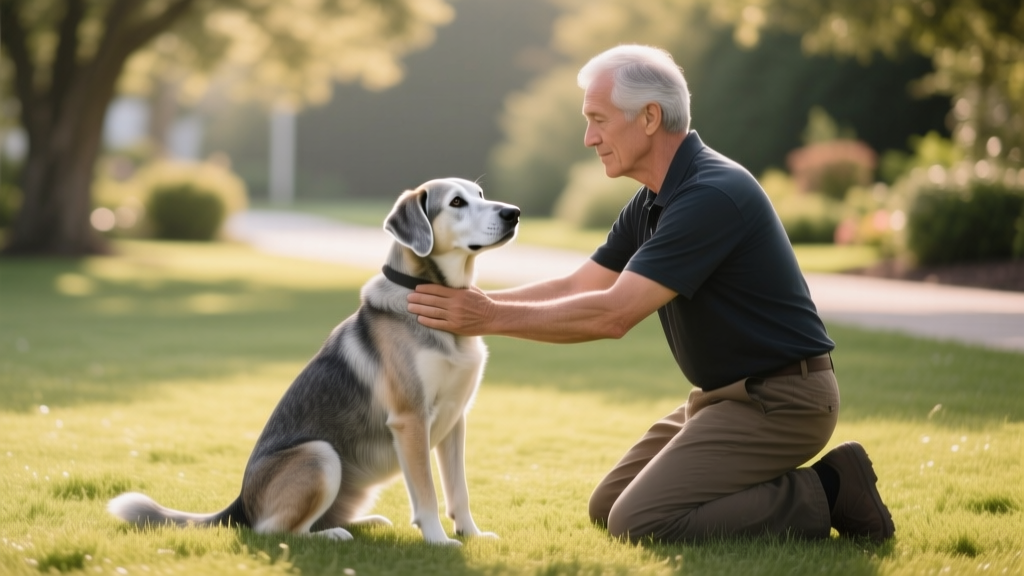
The best age to start training is the day you bring your dog home. Puppies are capable of learning basic cues and house rules as early as eight weeks of age. In fact, early training helps prevent bad habits from forming in the first place. If you adopt an older dog, do not worry; the old adage that 'you cannot teach an old dog new tricks' is entirely false. Adult dogs can absolutely learn new behaviors, though it may take a bit more time to undo previously ingrained bad habits.
Should I use a clicker or just treats?
Both methods are highly effective, and the choice depends on your personal preference. A clicker provides a precise, consistent marker that tells the dog exactly which behavior earned the reward. This is especially useful for shaping complex behaviors. However, a verbal marker like a sharp 'Yes!' works just as well for most basic obedience training, provided you use the exact same tone and word every time. If you choose not to use a clicker, ensure your timing is impeccable so the dog understands what is being rewarded.
How do I stop my puppy from biting and nipping?
Puppy biting is a completely normal developmental phase. Puppies explore the world with their mouths and are also going through the teething process. To manage this, always have appropriate chew toys on hand. When your puppy's teeth touch your skin, let out a high-pitched 'Ouch!' or yelp, and immediately redirect them to a toy. If they are overly excited and continue to bite, calmly end the play session by stepping over a baby gate or leaving the room for thirty seconds. This teaches them that biting humans results in the end of fun, while biting toys results in continued play.
Is it ever too late to train an older rescue dog?
It is never too late to train a dog. Rescue dogs often come with unknown histories and may have developed behavioral quirks or fears, but their brains remain capable of learning throughout their entire lives. The key with older rescues is patience and building trust. You may need to spend the first few weeks simply decompressing and bonding before introducing formal training. Once your rescue dog feels safe and secure in their new environment, they will be incredibly receptive to positive reinforcement training. Adjust your expectations, move at their pace, and celebrate every small victory.
Conclusion
Dog training for first-time owners does not have to be a daunting task. By equipping yourself with the right tools, embracing the power of positive reinforcement, and maintaining a patient, consistent mindset, you will lay the groundwork for a beautifully behaved companion. Remember that every dog learns at their own pace, and setbacks are a normal part of the process. Celebrate the small victories, keep your training sessions fun and engaging, and enjoy the incredible bond that grows between you and your dog as you learn to speak the same language. With time, dedication, and love, you and your furry best friend will master the art of living together in perfect harmony.
Robin Maitland
All our authors care for dogs every day — read more of their work on the authors page.