Best Protective Dogs: 7 Guardian Breeds Ranked for Family Safety in 2026
Discover the best protective dogs for families in 2026. Compare 7 guardian breeds on temperament, training needs, costs, and safety with expert guidance.

Why Families Choose Protective Dog Breeds
When homeowners search for the best protective dogs, they're usually looking for a breed that balances natural guarding instinct with reliable family temperament. A truly protective dog isn't aggressive — it's alert, confident, and bonded to its people. According to the American Kennel Club, the most effective guardian breeds share specific traits: territorial awareness, loyalty, courage, and the ability to distinguish genuine threats from everyday visitors.
This guide evaluates seven breeds consistently ranked among the best protective dogs for family settings. We'll break down temperament data, training timelines, ownership costs, and safety considerations so you can make an informed decision before committing to a 10-12 year partnership with a guardian breed.
The 7 Best Protective Dogs for Families: Breed-by-Breed Breakdown
1. German Shepherd Dog
Origin: Germany, 1899 — originally bred as herding and farm dogs by Captain Max von Stephanitz.
Weight: 50-90 lb / 23-41 kg | Height: 22-26 in / 56-66 cm | Lifespan: 7-10 years
Why they're protective: German Shepherds possess what trainers call "soft mouth, hard nerve" — they assess threats calmly before reacting. Their intelligence (ranked #3 among all breeds in Stanley Coren's canine intelligence rankings) makes them highly trainable for controlled protection work.
Key features:
- Natural aloofness with strangers without unprovoked aggression
- Strong handler focus — responds to verbal cues even under distraction
- Versatile: equally suited for family companion, sport dog, or personal protection
Cost: Puppy from health-tested breeder: $2,000-$4,500 | Annual care: $2,200-$3,800
2. Rottweiler
Origin: Germany (Rottweil region) — descended from Roman drover dogs used to herd cattle and guard camps.
Weight: 80-135 lb / 36-61 kg | Height: 22-27 in / 56-69 cm | Lifespan: 9-10 years
Why they're protective: Rottweilers project deterrence through sheer physical presence. A mature male Rottweiler generates approximately 328 PSI of bite force — more than enough to discourage intruders without needing to engage. Their natural instinct is to place themselves between their handler and a perceived threat.
Key features:
- Calm, confident demeanor — less reactive than many guardian breeds
- Strong territorial instinct without excessive patrolling behavior
- Deep bond with family; often aloof but not hostile with strangers
Cost: Puppy from health-tested breeder: $1,800-$4,000 | Annual care: $2,800-$4,500 (higher food costs due to size)
3. Doberman Pinscher
Origin: Germany, 1890s — created by tax collector Karl Friedrich Louis Dobermann who needed a portable protection dog for his rounds.
Weight: 60-100 lb / 27-45 kg | Height: 24-28 in / 61-71 cm | Lifespan: 10-12 years
Why they're protective: Dobermans are among the fastest dog breeds (capable of 32 mph sprints) and were specifically engineered for personal protection. Their sleek build allows rapid response, and their handler sensitivity means they take direction well even in high-stress situations.
Key features:
- Exceptional speed and agility for a large breed
- Intense handler bonding — often called "velcro dogs"
- Alert and watchful without being hyperactive
Cost: Puppy from health-tested breeder: $2,500-$5,000 | Annual care: $2,400-$3,600
4. Bullmastiff
Origin: England, 1860s — gamekeepers crossed Bulldogs with Mastiffs to create a dog that could track and pin poachers without mauling them.
Weight: 100-130 lb / 45-59 kg | Height: 24-27 in / 61-69 cm | Lifespan: 7-9 years
Why they're protective: Bullmastiffs were literally bred to restrain rather than attack. Their protective style is to block, pin, and hold — making them one of the safest guardian breeds for families who want protection without high bite-drive risk.
Key features:
- Low exercise requirements for a giant breed (30-45 min/day)
- Naturally quiet — rarely barks without cause
- Gentle with family members including children
Cost: Puppy from health-tested breeder: $1,500-$3,500 | Annual care: $3,000-$5,200 (significant food and joint supplement costs)
5. Belgian Malinois
Origin: Belgium (Malines region) — one of four Belgian herding breeds, now the preferred breed for military and police K9 units worldwide.
Weight: 40-80 lb / 18-36 kg | Height: 22-26 in / 56-66 cm | Lifespan: 14-16 years
Why they're protective: The Malinois possesses what professional trainers call "high drive, high nerve" — they work harder and longer than almost any breed. Their use by Navy SEAL teams (including the famous Cairo, who participated in the Bin Laden raid) demonstrates their operational reliability under extreme stress.
Key features:
- Extraordinary endurance — needs 90-120+ minutes of intense daily activity
- Fastest learning curve of any guardian breed
- Longer lifespan than most working breeds
Cost: Puppy from working-line breeder: $2,500-$5,500 | Annual care: $2,000-$3,400
6. Giant Schnauzer
Origin: Germany (Bavaria), 17th century — developed to drive cattle and guard farms, later used as police dogs in Germany.
Weight: 55-85 lb / 25-39 kg | Height: 23.5-27.5 in / 60-70 cm | Lifespan: 12-15 years
Why they're protective: Giant Schnauzers combine territorial instinct with a suspicious nature toward strangers. Unlike breeds that warm up quickly, a Giant Schnauzer requires a formal introduction before accepting new people — making them excellent natural watchdogs.
Key features:
- Low-allergen wiry coat (good for mild allergy sufferers)
- Longer lifespan than most large guardian breeds
- Strong territorial patrol instinct
Cost: Puppy from health-tested breeder: $2,000-$4,500 | Annual care: $2,600-$4,000 (professional grooming every 6-8 weeks: $75-$120/session)
7. Anatolian Shepherd Dog (Kangal)
Origin: Turkey (Anatolian plateau) — ancient livestock guardian breed dating back over 6,000 years, still used to protect flocks from wolves and bears.
Weight: 80-150 lb / 36-68 kg | Height: 27-31 in / 69-79 cm | Lifespan: 11-13 years
Why they're protective: Anatolian Shepherds operate independently — they were bred to make life-and-death decisions without human direction. This makes them the most serious guardian on this list, suitable only for rural properties with experienced owners who understand livestock guardian dog (LGD) psychology.
Key features:
- Independent decision-making — patrols and assesses without commands
- Exceptionally long lifespan for a giant breed
- Naturally nocturnal — most active during night patrol hours
Cost: Puppy from health-tested breeder: $1,500-$3,000 | Annual care: $2,800-$4,200
Side-by-Side Comparison: Best Protective Dogs Ranked
| Breed | Protection Style | Exercise/Day | Good w/ Kids | First-Time Owner | Annual Cost |
|---|---|---|---|---|---|
| German Shepherd | Alert & responsive | 60-90 min | ★★★★☆ | Possible w/ guidance | $2,200-$3,800 |
| Rottweiler | Deterrent presence | 60-90 min | ★★★★☆ | Experienced only | $2,800-$4,500 |
| Doberman | Speed & response | 60-90 min | ★★★☆☆ | Experienced only | $2,400-$3,600 |
| Bullmastiff | Block & restrain | 30-45 min | ★★★★★ | Possible | $3,000-$5,200 |
| Belgian Malinois | Tactical/operational | 90-120+ min | ★★☆☆☆ | Experts only | $2,000-$3,400 |
| Giant Schnauzer | Territorial patrol | 60-90 min | ★★★☆☆ | Experienced only | $2,600-$4,000 |
| Anatolian Shepherd | Independent guardian | 45-60 min (patrol) | ★★★☆☆ | Experts only | $2,800-$4,200 |
How to Train a Protective Dog Safely
Safety Warning: Protection Training Without Professional Guidance Is Dangerous
Teaching a dog to bite on command or engage aggressively without proper foundation training creates liability and safety risks. The AVMA reports that approximately 4.5 million dog bites occur annually in the US, and improperly trained guardian breeds are overrepresented in serious incidents. Never use shock collars, prong collars, or alpha-roll techniques — these aversive methods increase aggression and fear-based reactivity in guardian breeds.
Step-by-Step: Building a Reliable Family Guardian
Phase 1: Foundation Obedience (Months 2-6)
- Enroll in puppy kindergarten by 12 weeks of age — focus on socialization with 100+ different people, surfaces, sounds, and other dogs before 16 weeks (the critical socialization window closes around this time).
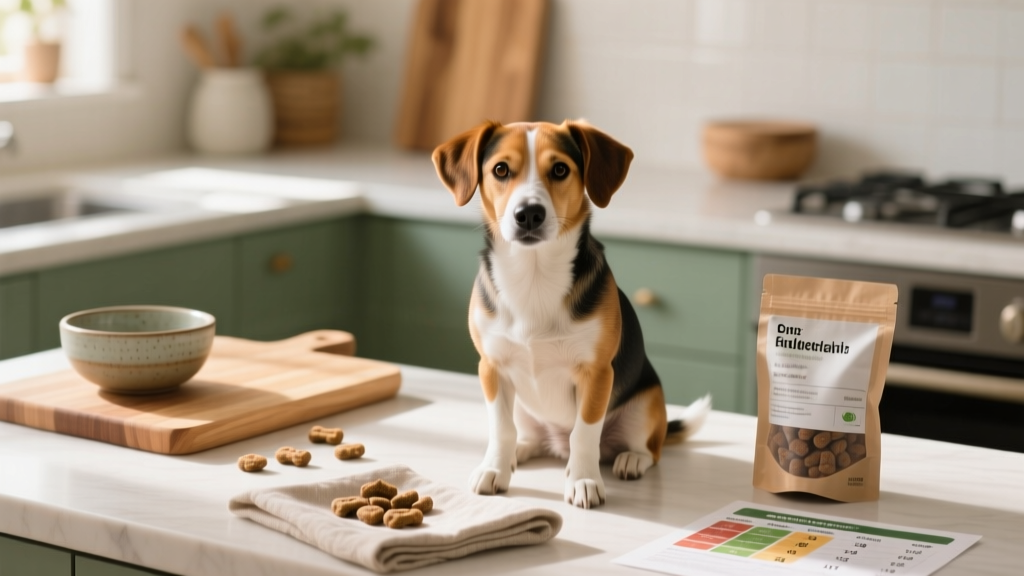
- Teach reliable recall using positive reinforcement — your dog must respond to "come" even when distracted. Use high-value treats (freeze-dried liver, chicken) and practice 10-15 repetitions daily.
- Establish impulse control: teach "leave it," "wait," and "place" commands using reward-based methods.
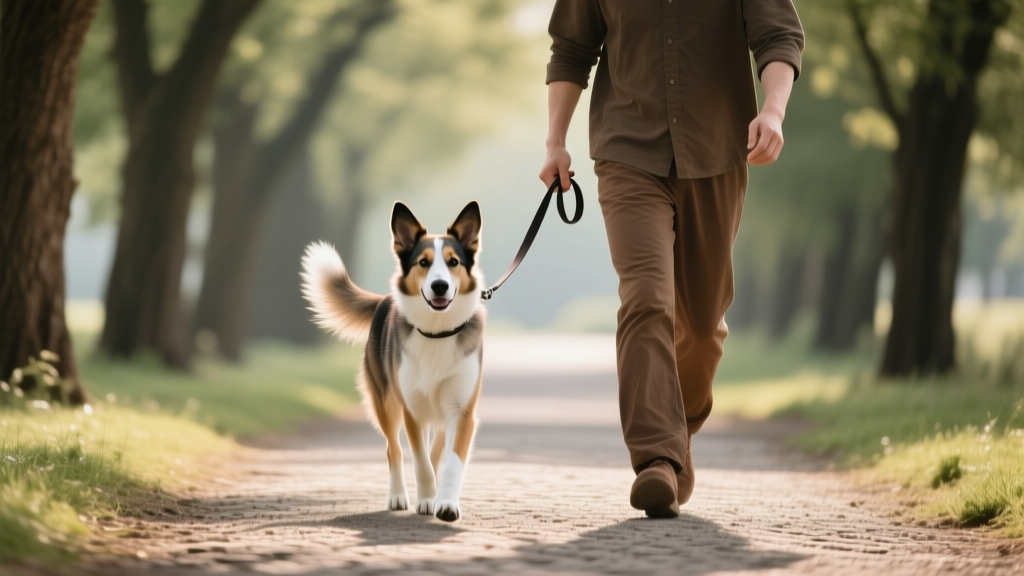
- Practice leash manners — a 90 lb dog that pulls is unmanageable in a real situation.
Phase 2: Intermediate Obedience & Confidence Building (Months 6-12)
- Enroll in intermediate obedience classes with a certified professional dog trainer (CPDT-KA or IAABC certified).
- Introduce controlled environmental challenges: practice commands around strangers, in new locations, and with distractions.
- Build confidence through agility, nosework, or obedience sport — these channel guardian energy productively.
- Continue socialization: your dog should be neutral (not friendly, not aggressive) with strangers when you give an "okay" cue.
Phase 3: Controlled Protection Work (Months 12-18, Optional)
- Work ONLY with a certified protection sport trainer (IPO/Schutzhund, French Ring, or PSA certified).
- Begin with bark-and-hold exercises — the dog alerts and maintains distance rather than engaging.
- Progress to controlled apprehension work only if the dog demonstrates stable nerve and reliable obedience under distraction.
- Never practice protection exercises at home without professional equipment and a trained decoy.
Health Considerations for Guardian Breeds
Protective dog breeds carry specific health risks that affect both their quality of life and their ability to perform guardian duties. Before purchasing or adopting, request health testing documentation from breeders.
| Breed | Primary Health Risks | Required Health Tests | Estimated Vet Costs (Lifetime) |
|---|---|---|---|
| German Shepherd | Hip/elbow dysplasia, degenerative myelopathy, bloat (GDV) | OFA hips/elbows, DM genetic test | $8,000-$15,000 |
| Rottweiler | Osteosarcoma, hip dysplasia, aortic stenosis | OFA hips, cardiac evaluation | $10,000-$18,000 |
| Doberman | Dilated cardiomyopathy (DCM), von Willebrand disease, wobbler syndrome | Annual Holter monitor, vWD test, OFA cardiac | $12,000-$22,000 |
| Bullmastiff | Lymphoma, mast cell tumors, hip dysplasia, bloat | OFA hips, cardiac, annual cancer screening | $12,000-$20,000 |
| Belgian Malinois | Hip dysplasia, progressive retinal atrophy, epilepsy | OFA hips, CERF eye exam | $5,000-$10,000 |
| Giant Schnauzer | Hypothyroidism, hip dysplasia, autoimmune disease | OFA hips, thyroid panel | $7,000-$13,000 |
| Anatolian Shepherd | Hip dysplasia, entropion, hypothyroidism | OFA hips, CERF eye exam | $6,000-$11,000 |
When to See the Vet Instead of Relying on Training
Sudden behavioral changes in a protective dog — unprovoked aggression, disorientation, staring at walls, or loss of previously reliable obedience — may indicate neurological conditions, pain, or metabolic disease. Conditions like hypothyroidism, brain tumors, and cognitive dysfunction can manifest as aggression. If your previously stable guardian dog shows abrupt temperament changes, schedule a veterinary behavioral evaluation immediately. Do not attempt to correct medically-driven aggression with training alone.
Alternatives to Owning a Protective Breed
Not every household is suited for a full-time guardian breed. Consider these alternatives that provide security benefits with lower commitment and risk:
Natural Watchdog Alternatives (Lower Maintenance)
- Standard Schnauzer: Same territorial instincts as the Giant, but at 30-50 lb and far more manageable for first-time owners.
- Boxer: Athletic, alert, and imposing in appearance while being notably gentle with children. Less territorial drive means lower liability risk.
- Akita: Naturally aloof and watchful, but requires less formal training than a Malinois or Rottweiler. Note: Akitas are typically dog-aggressive and best as single-pet households.
Non-Dog Security Alternatives
- Smart home security systems: Ring, SimpliSafe, or ADT systems ($200-$600 equipment + $15-$45/month monitoring) provide 24/7 surveillance without the 10-year commitment of a dog.
- Motion-activated lighting and cameras: Visible security cameras deter 83% of burglars according to a University of North Carolina study — at a fraction of the cost of a guardian dog.
- Neighborhood watch participation: Community-based security programs offer protection networks that no single dog can match.
Adoption vs. Breeder Purchase
Many guardian breeds end up in breed-specific rescues due to owners underestimating their needs. Organizations like German Shepherd Dog Rescue, RottNet, and Big Hearts Giant Breeds Rescue place temperament-evaluated adult dogs that are past the destructive puppy phase. Adoption fees typically range from $250-$600 and include spay/neuter, vaccinations, and behavioral assessment. Rescue dogs can be excellent family guardians — their loyalty often intensifies once they bond with a stable home.
Frequently Asked Questions
What is the best protective dog for a family with children?
The Bullmastiff consistently ranks as the safest protective breed for families with children due to its low bite-drive, gentle nature with family members, and "restrain rather than attack" instinct. The German Shepherd is a close second when properly socialized with children from puppyhood. Avoid placing Belgian Malinois or Anatolian Shepherds in homes with children under 10 — their high drive and independent decision-making create unpredictable interactions with small, fast-moving kids.
How much does a protective dog cost in the first year?
Budget $5,500-$12,000 for the first year with a guardian breed. This includes: puppy purchase ($1,500-$5,500), professional training ($1,500-$3,500), veterinary care including spay/neuter and vaccinations ($800-$2,000), food ($600-$1,800 depending on breed size), equipment and supplies ($400-$800), and pet insurance ($500-$1,200 annually for breeds with higher health risks). Giant breeds like the Bullmastiff and Anatolian Shepherd cost significantly more to feed and medicate due to weight-based dosing.
Are protective dogs safe around guests and visitors?
A well-trained protective dog should be neutral — not friendly, not aggressive — with introduced guests. The key is structured introductions: have your dog on leash, allow the guest to enter first, and use a "place" command to give your dog a defined job during the visit. Never leave a protective breed unsupervised with unfamiliar people, including contractors, delivery workers, or children's friends. Liability insurance riders for guardian breeds typically cost $25-$75/year added to homeowner's policies.
Can I train a protective dog myself without professional help?
You can and should handle foundation obedience yourself — daily practice builds the handler bond that makes protection work effective. However, formal protection training (bite work, apprehension, controlled aggression) should only be done under the supervision of a certified professional. DIY protection training using online tutorials frequently produces dogs that are either dangerously over-reactive or unreliable when genuinely needed. Budget for at least 6-12 months of professional group classes ($150-$300/month) during the dog's first year.
Do protective dogs need special insurance?
Many homeowner's and renter's insurance companies maintain breed restriction lists. Rottweilers, Dobermans, German Shepherds, Akitas, and pit bull-type breeds are commonly excluded or surcharged. Before bringing home a guardian breed, contact your insurance provider to confirm coverage. Some insurers (like State Farm and USAA) evaluate individual dogs based on temperament testing rather than breed alone. If your carrier won't cover your breed, look into specialty providers like Einhorn Insurance or Dean R. Casey & Associates that offer canine liability policies ($100-$300/year for $100,000-$300,000 coverage).
At what age do protective dogs start guarding naturally?
Most guardian breeds begin showing territorial awareness between 6-12 months of age. Alert barking at door knocks and approaching strangers typically emerges around 8-10 months. Full mature guarding behavior — confident assessment and response — usually doesn't develop until 18-36 months depending on breed. Rottweilers and Bullmastiffs mature more slowly (24-36 months to full maturity), while Dobermans and Malinois reach working maturity around 18-24 months. Early "protective" behavior in puppies under 6 months is usually fear-based reactivity, not genuine guarding — consult a trainer to address this before it becomes a pattern.
Aaron Whyte
All our authors care for dogs every day — read more of their work on the authors page.