Teach Your Dog to Stay: Step-by-Step Guide
Master the stay command with positive reinforcement. Build duration, distance, and distractions gradually for a reliable result.

The Stay Command: Building Impulse Control
The "stay" command is foundational for safety and everyday harmony. It teaches your dog impulse control and gives you a reliable way to manage them in exciting or potentially dangerous situations.
Step 1: Start in a Low-Distraction Environment
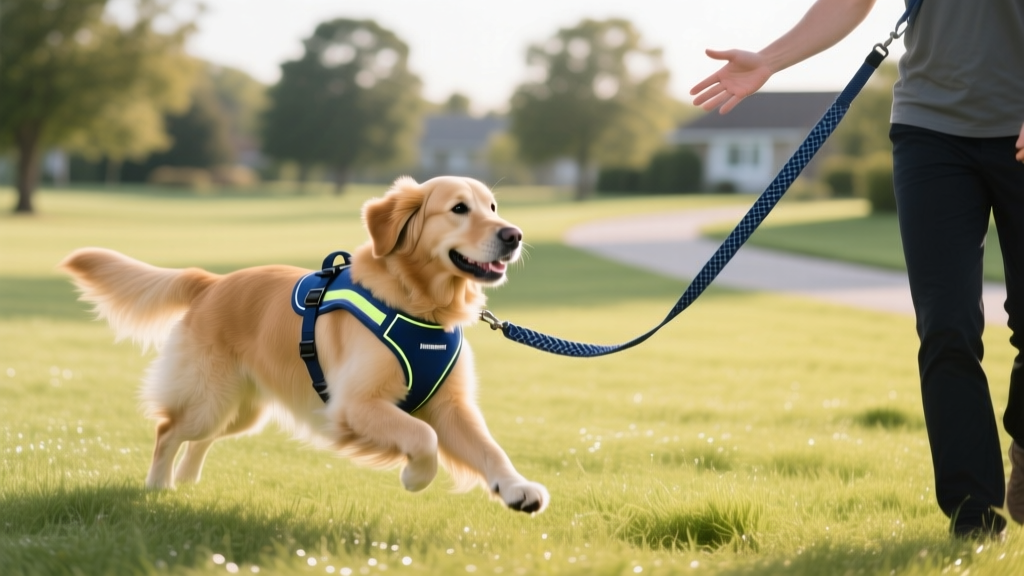
Begin indoors with your dog on a leash. Ask them to sit or lie down, hold your open palm toward them like a stop sign, and say "stay." Wait just 2 seconds, then mark with a click or "yes" and reward.
Step 2: Add Duration Gradually
Once your dog can hold for 5 seconds consistently, extend to 10, then 20, then 30 seconds. Don't rush — it's better to succeed at shorter durations than to fail at long ones. If they break the stay, calmly reset and try a shorter interval.
Step 3: Add Distance
When duration is solid, start taking one step back, then immediately return and reward. Gradually increase to 2, 3, and 5 steps. Always return to your dog to deliver the reward — don't call them to you, or they'll learn that "stay" means "wait until I'm called."
Step 4: Add Distractions
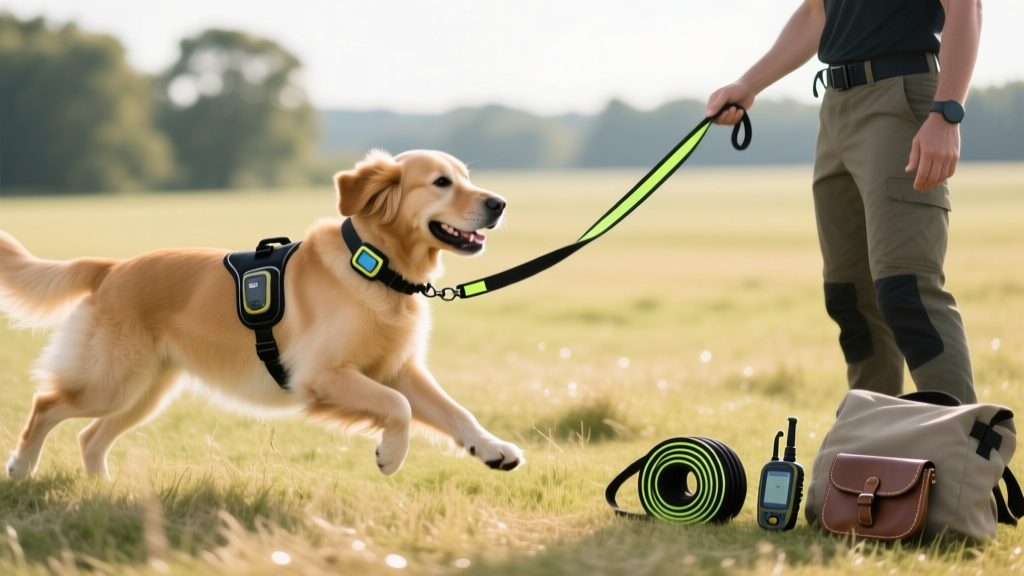
Practice in increasingly challenging environments: the garden, the sidewalk, a park. Add mild distractions like tossing a toy nearby while asking for a stay. Reward generously for success in high-distraction settings.
Common Mistakes
- Repeating the cue: Say "stay" once. Repeating it teaches your dog they only need to obey the second or third time.
- Skipping steps: Don't add distance before duration is solid. Dogs learn one variable at a time.
- Punishing breaks: If your dog breaks the stay, they're not being defiant — the criteria were too high. Reset and make it easier.
When Is Stay Ready for Real Life?
A reliable stay means your dog holds position for 30+ seconds with moderate distractions at 10+ feet. Practice this daily for 2-4 weeks, and you'll have a dog that stays when the door opens, when visitors arrive, or at the vet's office.
Oliver Marsh
All our authors care for dogs every day — read more of their work on the authors page.