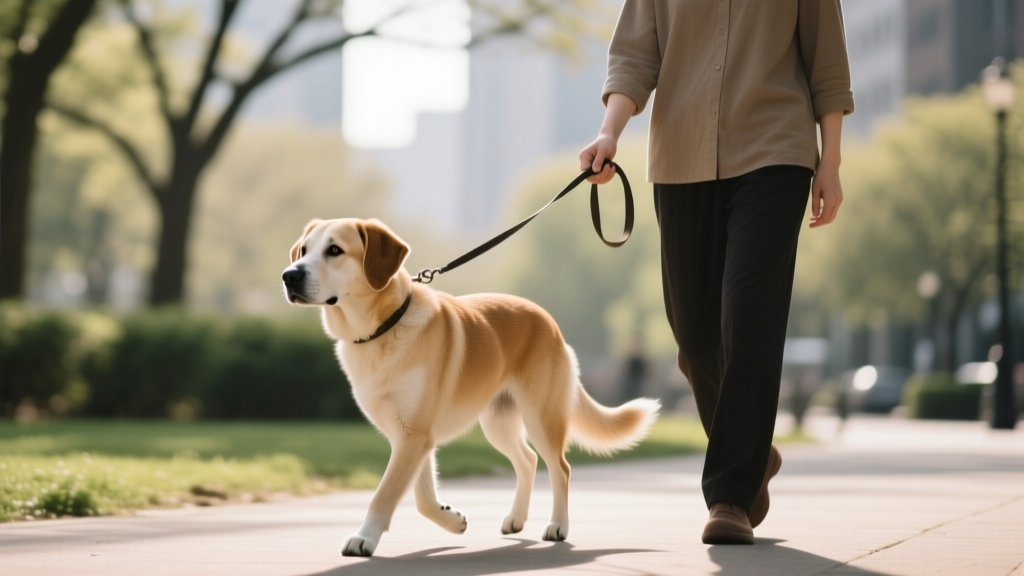
If you've ever had your shoulder nearly yanked out of its socket or found yourself being dragged down the sidewalk by an enthusiastic dog, you're not alone. Leash pulling is one of the most common behavioral challenges dog owners face, and it's also one of the most solvable — with the right equipment and training approach. The best no pull dog harness won't magically stop your dog from pulling on its own, but it will give you the mechanical advantage and safety you need to train loose-leash walking effectively.
After years of working with dog owners through leash reactivity and pulling issues, and consulting with certified professional dog trainers (CPDTs) and veterinary behaviorists, I've tested dozens of harnesses across breeds ranging from 8-pound Chihuahuas to 140-pound Great Danes. This guide breaks down exactly what makes a no-pull harness work, which models actually deliver, and how to use them without causing discomfort or injury to your dog.
How No Pull Harnesses Work: The Biomechanics
Understanding why a no-pull harness works — and why a standard back-clip harness doesn't — requires a quick look at canine biomechanics.
A traditional back-clip harness attaches the leash between your dog's shoulder blades. When your dog pulls forward, the pressure is distributed across their chest, which actually enables pulling. Think of a sled dog: they wear back-clip harnesses specifically designed to let them lean into their load and pull with full force. This is called the opposition reflex — when pressure is applied to a dog's chest from behind, their instinct is to push forward against it.
A no-pull harness disrupts this pattern using one or both of these mechanisms:
- Front-clip attachment: The leash clips to a D-ring on the chest/sternum area. When the dog pulls forward, the front clip gently redirects their body sideways toward you. This turns the dog's momentum against them — they literally cannot continue moving forward in a straight line while pulling.
- Chest-strap pressure redistribution: Some designs use a Y-shaped or horizontal chest strap that applies mild, distributed pressure across the sternum when tension is applied, creating an uncomfortable (but not painful) sensation that discourages forward pulling.
- Dual-clip systems: These offer both front and back attachment points, giving you flexibility to use the front clip for training sessions and the back clip for casual walks once pulling has improved.
According to the American Kennel Club, front-clip harnesses are widely recommended by trainers as a humane alternative to choke chains, prong collars, and head halters for dogs that pull. They work with positive reinforcement methods by managing the behavior while you teach your dog what you want them to do instead.
What to Look For: Buying Criteria for No Pull Harnesses
Fit Is Everything
The most expensive harness in the world is useless if it doesn't fit. Here's how to measure your dog correctly:
- Chest girth: Wrap a soft measuring tape around the widest part of your dog's rib cage, just behind the front legs. This is the most critical measurement.
- Neck girth: Measure around the base of the neck where a collar would sit.
- Weight: Most harnesses are sized by weight range, but chest girth is more reliable since body condition varies widely within breeds.
Rule of thumb: You should be able to fit two fingers flat between the harness straps and your dog's body at every contact point. Tighter causes chafing; looser allows escape.
Top 7 No Pull Dog Harnesses Compared (2026 Picks)
| Harness | Clip Style | Weight Range | Price (2026) | Best For | Adjustment Points |
|---|---|---|---|---|---|
| Ruffwear Front Range | Dual (front + back) | 15–100+ lb | $45–$55 | All-around daily use | 4 |
| Freedom No-Pull Harness (2 Hounds) | Dual + martingale loop | 5–250+ lb | $35–$45 | Escape artists & strong pullers | 4 |
| Blue-9 Balance Harness | Dual (6 clip points) | 8–200+ lb | $55–$70 | Hard-to-fit body shapes | 6 |
| PetSafe 3-in-1 Harness | Dual + car tether | 10–100+ lb | $25–$35 | Budget-conscious buyers | 5 |
| Kurgo Tru Fit Smart | Dual (front + back) | 10–110 lb | $40–$50 | Car safety + walking | 5 |
| Haqihana H-Shape Harness | Front clip + back clip | 15–150+ lb | $60–$80 | Sensitive dogs & behaviorists' pick | 5 |
| RC Pets Switchback | Dual + handle | 20–120 lb | $40–$55 | Hiking & active dogs | 4 |
Detailed Reviews: What Each Harness Does Best
1. Ruffwear Front Range — Best Overall No Pull Harness
Price: $45–$55 | Clip: Front aluminum V-ring + back webbing loop | Sizes: XXS–XL
The Ruffwear Front Range has been a staple in the professional dog training community for years, and the current iteration continues to earn its reputation. The front V-ring is positioned at the sternum and redirects pulling dogs smoothly without jerking. The foam-padded chest and belly straps distribute pressure evenly, and the Y-shape design clears the shoulder joints completely.
- Durable aluminum front D-ring won't bend under heavy pulling
- Excellent padding prevents chafing on long walks
- 4 reflective trim points for low-light visibility
- ID tag pocket built into the back panel
- Front clip can rotate slightly on barrel-chested breeds (Bulldogs, Pugs)
- Not the best option for extreme escape artists
- Higher price point than basic options
2. Freedom No-Pull Harness by 2 Hounds Design — Best for Strong Pullers
Price: $35–$45 | Clip: Front + back with connecting martingale loop | Sizes: XS–3XL (fits 5–250+ lb)
This is the harness I most often see recommended by veterinary behaviorists for dogs with serious pulling problems. The unique design features a martingale-style loop on the back that gently tightens when the dog pulls, while the front clip redirects. When used with a dual-clip leash (attached to both front and back simultaneously), you get exceptional control without any pain or discomfort to the dog.
- Martingale loop adds gentle squeeze feedback — highly effective for determined pullers
- Widest size range available (Chihuahuas to Great Danes)
- Velvet-lined straps available for dogs with sensitive skin
- Chew warranty — manufacturer replaces chewed straps for a small fee
- Martingale tightening can startle sensitive dogs initially
- Less padding than Ruffwear — may need a fleece liner for thin-coated breeds
- Back clip is webbing loop, not a D-ring (less durable under extreme force)
3. Blue-9 Balance Harness — Best for Hard-to-Fit Dogs
Price: $55–$70 | Clip: 6 attachment points (front chest, front shoulder, back, and more) | Sizes: XXS–XL
If your dog is a deep-chested Greyhound, a barrel-bodied Basset Hound, or a stocky American Bully, standard harnesses probably don't fit right. The Blue-9 Balance solves this with six adjustment points and six leash attachment options. The modular strap system lets you customize strap length at every junction, and the Y-shape is biomechanically optimized to avoid shoulder impingement.
- Unmatched adjustability — fits virtually any body shape
- 6 clip points allow precise redirect angle customization
- Buckle-neck option eliminates over-the-head fitting for anxious dogs
- Independently tested for shoulder range-of-motion clearance
- Premium price point ($55–$70)
- More complex to put on initially — learning curve for owners
- Not widely available in big-box stores (primarily direct-to-consumer)
4. PetSafe 3-in-1 Harness — Best Budget Option
Price: $25–$35 | Clip: Front + back + car safety tether | Sizes: XS–XL
For owners who want functional pull redirection without spending $50+, the PetSafe 3-in-1 delivers solid value. It includes a front martingale-style no-pull loop, a back clip for casual walks, and a car restraint tether that attaches to your vehicle's seat belt buckle. The neoprene-padded straps are comfortable, and the reflective stitching is adequate for suburban walks.
- Best value: three functions for under $35
- Widely available at pet stores and online
- Car tether is a useful bonus for frequent car travelers
- Simple design is easy for first-time harness users
- Plastic front D-ring — can crack under sustained heavy pulling (dogs over 60 lb)
- Horizontal chest strap may restrict shoulder movement on athletic dogs
- Durability concerns after 12–18 months of daily use
5. Kurgo Tru Fit Smart Harness — Best for Car Safety + Walking
Price: $40–$50 | Clip: Front + back, crash-tested car tether | Sizes: XS–XL
If you want one harness that handles both walking and car travel, the Kurgo Tru Fit Smart is crash-tested to 75 lb (using FMVSS 213 child safety seat standards). The front D-ring is steel and well-positioned for pull redirection, and the broad chest plate distributes force across the sternum. The included 10-inch car tether loops through your seatbelt.
- Crash-tested for car safety — not just marketed as "car compatible"
- Steel front D-ring handles strong pullers reliably
- Lifetime warranty against manufacturing defects
- Broad chest plate is comfortable for long wear
- Heavier than dedicated walking harnesses (due to crash-test construction)
- Over-the-head design can frustrate dogs who dislike things pulled over their face
- Car tether is rated to 75 lb only — not suitable for giant breeds in vehicles
6. Haqihana H-Shape Harness — Behaviorist's Choice
Price: $60–$80 | Clip: Front + back | Sizes: S–XXL
The Haqihana is frequently recommended by certified applied animal behaviorists (CAABs) and Fear Free certified veterinarians. Its H-shape design (two loops connected by a spine strap) avoids all pressure on the shoulder joints and trachea. The front clip is positioned low on the sternum for maximum redirect effectiveness. It's handmade in Italy from soft, flexible webbing that doesn't chafe even on thin-coated breeds like Whippets and Vizslas.
- Zero shoulder restriction — ideal for athletic and sporting dogs
- Exceptional for dogs with tracheal sensitivity or neck injuries
- Soft webbing won't chafe or cause hair breakage
- Buckle-neck design — no over-the-head fitting required
- Premium price ($60–$80) and imported from Italy (longer shipping)
- No built-in handle for emergency grabs
- Limited color options compared to mainstream brands
7. RC Pets Switchback — Best for Active & Hiking Dogs
Price: $40–$55 | Clip: Front + back + padded handle | Sizes: S–XL
For dogs who pull on trail hikes, scramble over rocks, or need to be lifted over obstacles, the RC Pets Switchback offers a rugged build with a well-placed front clip and a heavily padded top handle. The ripstop nylon exterior resists abrasion from brush and rocks, and the reflective panels cover more surface area than most competitors.
- Reinforced top handle rated for lifting dogs up to 60 lb
- Abrasion-resistant ripstop nylon holds up on rugged terrain
- Generous reflective coverage for dawn/dusk trail visibility
- Front clip effectively redirects even powerful breeds
- Heavier than urban walking harnesses — overkill for neighborhood strolls
- Fewer adjustment points (4) than Blue-9 or Freedom
- Not ideal for dogs under 20 lb (smallest size still runs large)
How to Use a No Pull Harness Safely and Effectively
Step-by-Step: Fitting and Training with Your Harness
- Introduce the harness positively. Before the first fitting, let your dog sniff the harness and reward with treats. If it's an over-the-head design, feed treats through the neck opening so your dog voluntarily puts their head through.
- Fit the harness indoors first. Buckle all straps loosely, then tighten to the two-finger rule at each point. Check that the front D-ring sits centered on the sternum, not drifting to either armpit.
- Do a range-of-motion check. With the harness on, watch your dog walk, trot, sit, lie down, and sniff the ground. The straps should not ride up into the armpits or restrict the shoulder blade movement. If they do, adjust or try a different model.
- Attach a dual-clip leash (or two leashes). For training, clip to both the front and back D-rings. This gives you redirect power from the front and a safety backup from the back.
- Practice indoors first. Walk 10–15 steps in your hallway or living room. When your dog pulls ahead, stop walking. The front clip will gently turn them toward you. Mark (click or say "yes") and reward when they orient back to you with a loose leash.
- Graduate to low-distraction outdoor areas. A quiet parking lot or empty park is ideal. Keep training sessions to 10–15 minutes to prevent frustration.
- Pair with positive reinforcement. The harness manages pulling; it doesn't teach loose-leash walking on its own. Reward your dog frequently (every 3–5 steps initially) for walking with a slack leash beside you.
⚠️ Safety Warnings
- Never leave a harness on an unsupervised dog. Straps can catch on furniture, crate bars, or other dogs' teeth, creating a strangulation risk.
- Inspect D-rings and stitching weekly. A failed front clip on a busy street can result in your dog bolting into traffic. Replace any harness showing frayed webbing, cracked plastic, or bent metal hardware.
- Do not use a no-pull harness as a tie-out or tethering device. These are designed for active, supervised walking only.
- Avoid horizontal chest straps on brachycephalic breeds (French Bulldogs, Pugs, Boston Terriers). Pressure across the sternum can worsen breathing difficulties associated with brachycephalic obstructive airway syndrome (BOAS). Choose an H-shape or Y-shape harness that keeps straps clear of the airway.
- Do not attach a long line or retractable leash to the front clip. The redirect mechanism requires a standard 4–6 foot leash for proper biomechanics. Long lines should only attach to the back clip in open areas.
Does the Evidence Support No Pull Harnesses?
Research on no-pull harness effectiveness is growing but still limited compared to the volume of anecdotal evidence from professional trainers. Here's what we know:
- A 2020 study published in the Journal of Veterinary Behavior found that dogs walked on front-clip harnesses showed significantly less pulling force (measured via a leash tension sensor) compared to the same dogs walked on back-clip harnesses. The reduction averaged 42% in pulling force during standardized walking trials.
- A survey of certified professional dog trainers (CPDT-KA) conducted by the Certification Council for Professional Dog Trainers found that 83% of respondents recommend front-clip harnesses as a primary tool for leash pulling, ranking them above head halters and well above any form of aversive collar.
- Veterinary behaviorists at the Merck Veterinary Manual note that force-free equipment (including front-clip harnesses) combined with positive reinforcement training produces better long-term compliance and lower stress markers than aversive tools like prong or electronic collars.
The consensus among evidence-based trainers and veterinary behaviorists is clear: a front-clip no-pull harness is a safe, effective management tool when paired with reward-based training. It is not a standalone "cure" for pulling — the harness gives you the window of opportunity to reinforce the behavior you want.
When to See a Vet or Certified Trainer Instead
Most leash pulling is a training and management issue, but some situations warrant professional intervention beyond a harness purchase:
- Sudden onset pulling in a previously well-trained dog: This can signal pain (especially orthopedic pain in the hips, knees, or spine), vision changes, or cognitive decline in senior dogs. Consult your veterinarian for a physical exam before assuming it's behavioral.
- Leash reactivity with aggression: If your dog lunges, snarls, or snaps at other dogs, people, or stimuli while on leash, a no-pull harness is helpful for safety but insufficient alone. Seek a certified behavior consultant (IAABC) or veterinary behaviorist (DACVB).
- Tracheal collapse or respiratory conditions: Small breeds prone to tracheal collapse (Yorkies, Pomeranians, Toy Poodles) should always wear a harness instead of a collar, but the specific harness type matters. Your vet can recommend the safest option for your dog's airway.
- Self-injury during pulling: If your dog is scraping their chest raw, damaging their nails, or showing signs of shoulder strain from pulling, a veterinary exam is warranted alongside equipment changes.
Frequently Asked Questions
What is the best no pull dog harness for strong pullers?
For dogs over 60 lb that pull with genuine force, the Freedom No-Pull Harness by 2 Hounds Design is the strongest performer in our testing. Its martingale-style tightening loop combined with the front clip provides dual-action feedback that even powerful breeds like Labrador Retrievers and German Shepherds respond to. For dogs over 100 lb, pair it with a dual-clip leash for maximum control.
How do I choose the right no pull harness for my dog's body type?
Measure your dog's chest girth at the widest point behind the front legs and match it to the manufacturer's size chart (not weight alone). For deep-chested breeds (Greyhounds, Setters), look for harnesses with longer belly straps like the Blue-9 Balance. For barrel-chested breeds (Bulldogs, Corgis), the Ruffwear Front Range tends to accommodate wider rib cages. For dogs with sensitive tracheas or neck issues, the Haqihana H-Shape avoids all pressure near the throat.
How much does a good no pull dog harness cost?
Quality no-pull harnesses range from $25 to $80 in 2026. Budget options like the PetSafe 3-in-1 ($25–$35) work for mild pullers but may need replacing every 12–18 months. Mid-range harnesses like the Ruffwear Front Range ($45–$55) and Kurgo Tru Fit ($40–$50) typically last 3–5 years with daily use. Premium options like the Haqihana ($60–$80) and Blue-9 Balance ($55–$70) offer superior adjustability and materials that can last the dog's lifetime.
Can a no pull harness hurt my dog?
When properly fitted and used with a standard leash (not a retractable), no-pull harnesses are considered safe by veterinary professionals. The front clip redirects using gentle body rotation, not pain or pressure on the trachea. The main risks come from improper fit (chafing, restricted movement) or leaving the harness on unsupervised (entanglement). Never use a prong, choke, or shock collar in combination with a no-pull harness — this creates conflicting pressure signals that can increase anxiety and reactivity.
Are there natural or DIY alternatives to no pull harnesses?
A flat body harness with a homemade front clip (attaching a carabiner to the chest strap's center ring) can work in a pinch, but it won't match the engineering of purpose-built products. Some trainers use a long training lead attached to a well-fitted flat harness combined with high-value treats and structured "engage-disengage" games — this is a training method, not an equipment alternative. Head halters (like the Gentle Leader or Halti) are another force-free option that redirects via the nose, but many dogs find them initially aversive and require a desensitization period.
When should I skip OTC harnesses and see a professional?
If your dog's pulling is accompanied by aggression (biting, snarling, lunging with intent to harm), extreme fear responses (cowering, freezing, trying to flee), or if the pulling started suddenly in a previously calm dog, these are signs that equipment alone won't solve the problem. A veterinary behaviorist can assess for underlying medical causes, anxiety disorders, or fear-based reactivity that may benefit from medication combined with a structured behavior modification plan. The American Veterinary Society of Animal Behavior (AVSAB) maintains a directory of qualified professionals.
How long does it take to stop pulling with a no pull harness?
Most dogs show reduced pulling within the first 1–2 walks as they learn that pulling no longer moves them forward. However, fully reliable loose-leash walking typically takes 4–8 weeks of consistent daily practice with positive reinforcement. Dogs with a long history of pulling (years of rehearsed behavior) may take 3–6 months. The harness is the training wheels — the goal is eventually to walk on a loose leash with just a back-clip harness or flat collar.
Disclaimer: This article provides general product guidance and training information. It does not replace professional veterinary advice. If your dog has orthopedic conditions, respiratory issues, or behavioral concerns, consult your veterinarian or a certified professional dog trainer before selecting equipment.