How to Stop Your Dog From Jumping on People: A Complete
Learn proven, positive methods to stop your dog from jumping on people.
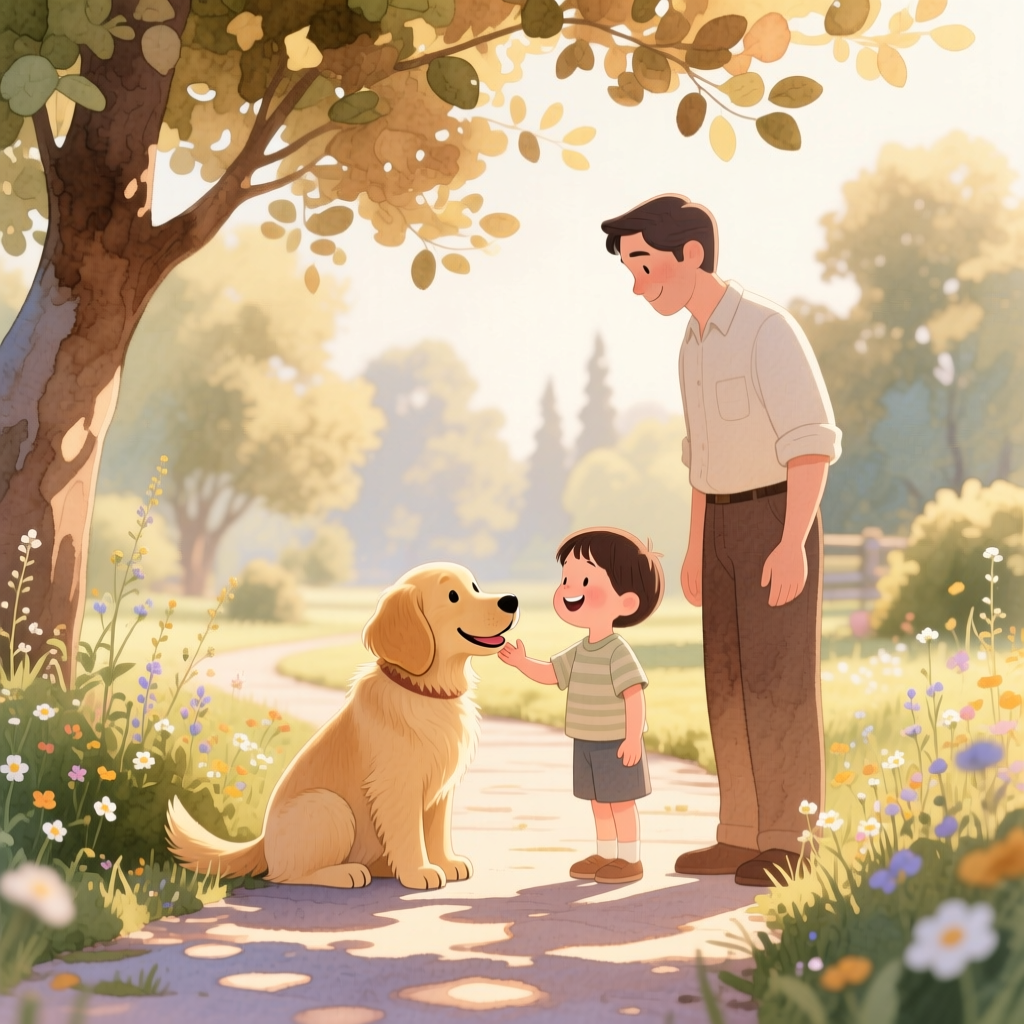
There are few things more frustrating — and potentially dangerous — than a dog that jumps on every person who walks through the door. Whether your furry friend is a tiny terrier or a towering Great Dane, jumping on people is one of the most common behavioral challenges that dog owners face. It can soil clothes, scratch skin, frighten children, and create awkward social situations that make hosting guests feel like an ordeal rather than a joy.
The good news? Jumping is a completely trainable behavior. With patience, consistency, and the right techniques, you can teach your dog to greet people politely with all four paws firmly on the ground. In this comprehensive guide from Paws & Tales, we will walk you through exactly why dogs jump, the most effective training methods to stop the behavior, common mistakes that accidentally reinforce jumping, and answers to the most frequently asked questions about this frustrating habit.
Before we dive into the training techniques, it is important to understand that jumping is a natural canine behavior. Dogs are not trying to be rude or dominant when they leap up on you. They are simply communicating in the only way they know how. Understanding the root cause of jumping is the first step toward solving it permanently.
Why Do Dogs Jump on People? Understanding the Root Cause
Before you can effectively change a behavior, you need to understand why it happens in the first place. Dogs jump on people for several interconnected reasons, and recognizing these motivations will help you choose the most effective training approach for your individual pet.
Excitement & Greeting Behavior
In the wild, wolves and wild dogs greet each other face-to-face. Puppies lick the faces of adult dogs as a submissive greeting and to solicit food. When your dog jumps on you, they are often trying to get closer to your face to greet you in the way that feels most natural to them. This is especially true when you have been away and your dog is overwhelmed with excitement upon your return.
Attention-Seeking
Dogs are incredibly smart learners, and they quickly figure out what gets a reaction from their humans. If jumping on you results in any kind of attention — even negative attention like pushing them away, saying "no," or making eye contact — they learn that jumping works. From your dog's perspective, any attention is better than no attention at all.
Lack of Impulse Control
Many dogs, particularly young dogs and certain high-energy breeds, simply have not learned how to manage their excitement. Impulse control is a skill that must be taught, much like teaching your dog to sit on command. Without this foundational skill, your dog literally cannot stop themselves from leaping when they feel the urge.
Inadvertent Reinforcement by Owners
Perhaps the most common reason dogs continue jumping is that their owners have unintentionally rewarded the behavior. When a puppy jumps on you, it is cute. You might pet them, laugh, or pick them up. As the puppy grows into a full-sized dog, the behavior is no longer charming, but the dog has already learned that jumping equals positive outcomes. This is why starting training early is so critical, regardless of your dog's breed or size.
Step-by-Step Training Methods to Stop Jumping
Now that you understand why dogs jump, let us explore the most effective, science-based training methods to stop this behavior. These techniques rely on positive reinforcement and redirection rather than punishment, which research consistently shows produces better long-term results and a stronger bond between you and your dog.
Method 1: The Ignoring Technique (Extinction)
This is one of the simplest and most effective methods for many dogs, though it requires genuine commitment and consistency from everyone in the household.
- Turn away completely. When your dog jumps on you, immediately turn your back. Cross your arms, look up at the ceiling, and become completely still and silent.
- Do not make eye contact, speak, or touch your dog. Any of these actions can be interpreted as attention and will reinforce the jumping.
- Wait for all four paws on the ground. The moment your dog has all four paws on the floor, immediately turn around, praise calmly, and offer a treat or gentle petting.
- If your dog jumps again, repeat the process. Turn away immediately and wait for four paws on the ground before re-engaging.
- Practice consistently. Every single greeting must follow this protocol. One inconsistent response can set your training back significantly.
The ignoring technique works through a behavioral principle called extinction. When a behavior that was previously rewarded no longer produces a reward, the behavior gradually decreases and eventually stops. Be prepared for an "extinction burst" — a temporary increase in jumping intensity as your dog tries harder to get the response they are used to. This is normal and means the technique is working. Stay consistent and push through this phase.
Method 2: Teaching an Incompatible Behavior
This method involves teaching your dog to perform a behavior that makes jumping physically impossible. The most common incompatible behavior is sitting, since a dog cannot jump and sit at the same time. If your dog has not yet mastered the sit command, check out our complete guide to teaching sit before starting this method.
- Ask for a sit before greeting. Before you pet your dog, give them attention, or let guests interact with them, ask your dog to sit.
- Reward the sit generously. When your dog sits, immediately reward them with treats, praise, and the attention they were seeking by jumping.
- If your dog breaks the sit and jumps, withdraw attention. Stand up, turn away, and wait for them to sit again before re-engaging.
- Practice with increasing distractions. Start in a quiet environment and gradually add distractions like doorbells, guests, and outdoor encounters.
- Generalize the behavior. Practice in different locations, with different people, and in various situations until sitting becomes the automatic default greeting behavior.
The key to this method is making sitting more rewarding than jumping. Your dog should learn that sitting is the fastest and most reliable way to get the attention and affection they crave.
Method 3: The Leash & Management Approach
For dogs that are particularly enthusiastic jumpers, or for situations where you cannot fully control the environment (like when guests arrive), using a leash gives you physical management while your dog is still learning.
- Put your dog on a leash before guests arrive. Use a standard flat collar or harness and a six-foot leash. Avoid retractable leashes for this training.
- Step on the leash. Stand on the leash close enough to your dog's collar that they can stand comfortably and sit, but not high enough to jump. This prevents the jump without you having to physically restrain them.
- Let your dog figure it out. When your dog tries to jump and finds they cannot, they will eventually sit or stand calmly. The moment they do, praise and reward.
- Have guests approach only when your dog is calm. Instruct guests to approach slowly and only pet your dog when all four paws are on the ground.
- If your dog jumps as a guest approaches, have the guest step back. The guest's approach becomes the reward, so removing it when jumping occurs teaches your dog that calm behavior brings people closer.
This method is especially useful for larger breeds whose jumping can be genuinely dangerous to children, elderly visitors, or anyone who might be knocked over. It is also an excellent approach for dogs that are still in the early stages of learning impulse control.
Method 4: The "Go to Your Place" Command
Teaching your dog to go to a designated spot — like a mat, bed, or crate — when the doorbell rings or guests arrive is an incredibly powerful management tool. This method gives your dog a clear job to do instead of rushing the door.
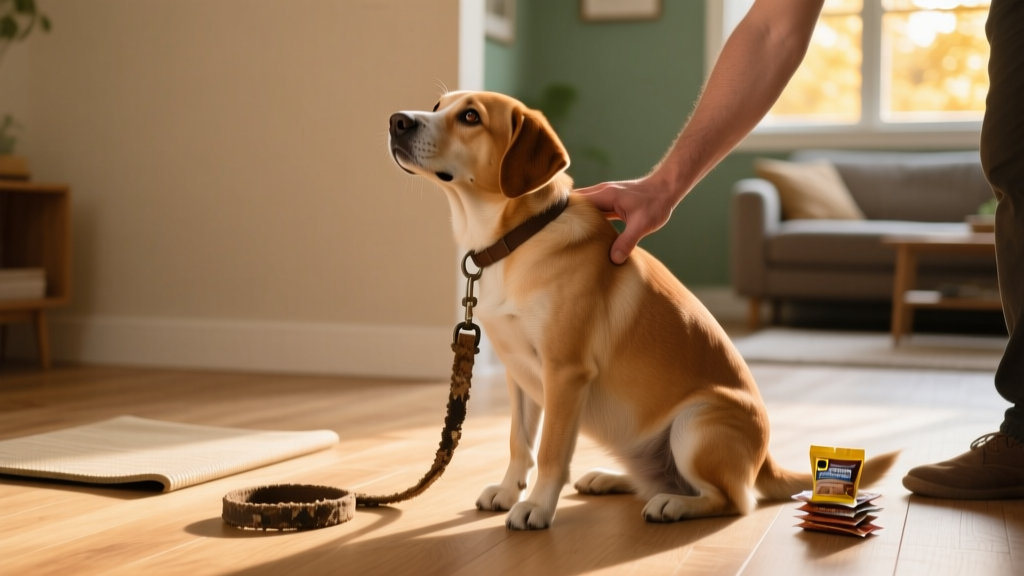
- Choose a designated spot. A dog bed, mat, or specific area of the room works well. Make sure it is somewhere your dog can see the door but is not directly in the entryway.
- Teach the "place" command. Lure your dog to the spot, say "place," and reward them for going there. Gradually increase the duration they must stay before receiving a reward.
- Add the doorbell trigger. Once your dog reliably goes to their place on command, start pairing the doorbell sound with the "place" command. Ring the doorbell, say "place," and reward generously.
- Practice with real scenarios. Have a friend come to the door while you send your dog to their place. Reward your dog for staying on their place while you open the door and greet the guest.
- Release your dog to greet calmly. Once your dog is calm on their place and the guest is settled, release your dog to greet with all four paws on the ground.
This method works beautifully alongside crate training and gives your dog a sense of structure and purpose during what would otherwise be an overstimulating event.
Managing Jumping During Greetings With Guests & Visitors
Training your dog not to jump on you is only half the battle. The real challenge comes when other people enter the picture. Guests, delivery drivers, family members, and strangers on the street all present unique challenges, and not everyone will follow your training protocol. Here is how to manage real-world greeting scenarios successfully.
Set Guests Up for Success
Before guests arrive, communicate your training rules clearly. Ask them to ignore your dog if they jump and to only offer attention when your dog is calm with four paws on the floor. It can be helpful to send a quick text message before visitors arrive explaining the protocol. Most people are happy to help when they understand that consistency is important for your dog's training.
Use a Greeting Ritual
Establish a predictable greeting ritual that your dog can learn to anticipate. For example:
- Doorbell rings → dog goes to their place
- Guest enters → dog stays on their place
- Guest sits down → dog is released to greet calmly
- Dog sits → guest pets the dog
Predictability reduces excitement because your dog knows what to expect and what is expected of them. Over time, this ritual becomes automatic, and your dog will begin performing their part without needing to be cued.
Manage the Environment
During the early stages of training, manage the environment to set your dog up for success. This might mean:
- Keeping your dog on a leash when guests arrive
- Using a baby gate to separate your dog from the entryway
- Putting your dog in another room with a long-lasting chew or puzzle toy until guests are settled
- Scattering treats on the floor to redirect your dog's energy downward instead of upward
Management is not cheating — it is an essential part of any training plan. Every time your dog successfully greets someone without jumping, they are practicing the behavior you want. Every time they jump successfully, they are rehearsing the behavior you are trying to eliminate.
Outdoor Greetings With Strangers
Walks present their own set of challenges. Well-meaning strangers often encourage dogs to jump by patting their legs, using high-pitched voices, and reaching down excitedly. Here is how to handle outdoor encounters:
- Ask your dog to sit before a person approaches
- Politely tell people, "We are training — please only pet if all four paws are on the ground"
- Carry high-value treats on walks to reward calm greetings
- If your dog jumps, calmly lead them away and try again
- Practice with friends and family members before attempting stranger greetings
Not everyone will respect your training rules, and that is okay. Your job is to advocate for your dog and manage the situation as best you can. As your dog's training progresses, they will begin to generalize the "four on the floor" rule even when the person approaching does not follow your protocol.
Common Mistakes That Make Jumping Worse
Even with the best intentions, many dog owners accidentally make jumping worse through well-meaning but counterproductive responses. Avoiding these common mistakes is just as important as implementing the right training techniques.
Mistake #1: Pushing Your Dog Away
When a dog jumps on you, the natural instinct is to push them off. Unfortunately, many dogs interpret pushing as playful wrestling or physical attention. Instead of discouraging the behavior, pushing can actually reinforce it. If you must physically remove your dog, use the leash management technique described above or simply turn away rather than using your hands.
Mistake #2: Inconsistent Responses
This is perhaps the single biggest reason jumping persists. If you allow your dog to jump on you when you are wearing old clothes but scold them when you are dressed up, your dog receives mixed messages. If one family member allows jumping but another does not, the dog becomes confused. Every person, every time, every situation must follow the same rules. Discuss the training plan with everyone in your household and ensure full commitment before you begin.
Mistake #3: Giving Attention During the Jump
Saying "no," "off," or "down" while your dog is jumping still gives them attention. Eye contact, verbal responses, and physical contact — even negative contact — are all forms of attention that can reinforce jumping. The most effective response to jumping is complete withdrawal of all attention: no talking, no touching, no eye contact.
Mistake #4: Punishing After the Fact
Some owners come home to find a muddy paw-printed shirt and scold their dog for jumping earlier. Dogs do not connect past events with present punishment. By the time you react, your dog has no idea what they are being punished for. This creates confusion and anxiety rather than learning. Consequences — whether positive or negative — must happen within seconds of the behavior to be effective.
Mistake #5: Not Providing Enough Exercise & Mental Stimulation
A dog with pent-up energy is far more likely to jump than a dog that has been adequately exercised and mentally stimulated. Ensure your dog is getting appropriate daily exercise for their breed, age, and energy level. Incorporate mental enrichment through training sessions, puzzle toys, scent work, and interactive play. A tired dog is a calm dog, and a calm dog is far less likely to jump.
Mistake #6: Expecting Quick Results
Jumping is often a deeply ingrained habit that your dog has been practicing for months or even years. Changing a habitual behavior takes time, patience, and hundreds of consistent repetitions. Do not get discouraged if progress feels slow. Celebrate small victories — a greeting with only one jump instead of five is progress. A sit that lasts two seconds before breaking is progress. Training is a journey, not a destination.
Frequently Asked Questions About Dogs Jumping on People
How long does it take to stop a dog from jumping on people?
The timeline varies significantly depending on how long the behavior has been practiced, the dog's age, breed, temperament, and — most importantly — the consistency of the training. For puppies that have only been jumping for a few weeks, you may see significant improvement within two to four weeks of consistent training. For adult dogs that have been jumping for years, expect the process to take several months. The key factor is consistency: every person who interacts with your dog must follow the same protocol every single time. Even occasional reinforcement of jumping will dramatically extend the training timeline.
My dog only jumps on guests, not on me. How do I fix this?
This is a very common scenario. Your dog has likely learned that jumping on you does not work (because you have trained them not to), but guests have not learned the same rules. The solution is management and guest education. Before guests arrive, put your dog on a leash or send them to their designated place. Instruct guests to ignore your dog if they jump and to only offer attention when your dog is calm. You can also practice with friends who are willing to follow your training protocol, gradually building up to less cooperative visitors. Over time, your dog will learn that the "four on the floor" rule applies to everyone, not just family members.
Is it okay to knee my dog or grab their paws when they jump?
No. Physical punishment techniques like kneeing a dog in the chest, grabbing their paws, or stepping on their toes are not recommended by modern animal behaviorists and veterinary professionals. These methods can cause physical injury, create fear or aggression, and damage the trust between you and your dog. There are also significant liability concerns — a dog that develops a fear response to being greeted may eventually bite instead of jump. Positive reinforcement-based methods like those described in this guide are safer, more effective, and produce longer-lasting results without the risk of unintended side effects. If you are struggling with persistent jumping despite consistent positive training, consider consulting a certified professional dog trainer for personalized guidance.
My puppy jumps and bites at the same time. Is this normal?
Yes, this is extremely common in puppies and is typically a combination of greeting excitement and teething behavior. Puppies explore the world with their mouths, and when they get excited, mouthing and jumping often happen together. Address both behaviors simultaneously: withdraw all attention when jumping or biting occurs, and redirect to an appropriate chew toy when your puppy is calm. Ensure your puppy is getting plenty of appropriate outlets for their chewing needs. For more detailed advice, read our guide on stopping puppy biting. If the behavior is intense or does not improve with consistent training, a professional trainer can help you develop a customized plan.
Will my dog eventually grow out of jumping on people?
Some dogs do become calmer with age and may jump less as they mature, but many dogs will continue jumping throughout their lives if the behavior is not actively addressed. Relying on your dog to "grow out of it" is risky because the behavior becomes more deeply ingrained over time, making it harder to change later. Additionally, a 60-pound adult dog jumping on people is far more problematic than a 10-pound puppy doing the same thing. Starting training early — ideally when your dog is still a puppy — gives you the best chance of success. However, it is never too late to start. Even senior dogs can learn new greeting behaviors with patience and consistent positive reinforcement training.
Final Thoughts on Stopping Your Dog From Jumping
Jumping on people is one of the most common and most solvable behavioral challenges in dog ownership. The key ingredients for success are understanding why your dog jumps, choosing training methods based on positive reinforcement, maintaining absolute consistency across all family members and situations, managing the environment to prevent rehearsal of unwanted behavior, and having the patience to see the process through.
Remember that every interaction is a training opportunity. Every time you come home, every time a guest arrives, every time you meet someone on a walk — these are all chances to reinforce the polite greeting behavior you want to see. With dedication and the right approach, your dog will learn that keeping all four paws on the ground is the best way to get the love, attention, and connection they are seeking.
For more training tips and breed-specific guidance, explore our full collection of dog training resources and breed guides at Paws & Tales. Whether you are working on leash manners, house training, or advanced obedience, we are here to help you build a stronger, happier relationship with your four-legged companion.
Marcus Aldridge
All our authors care for dogs every day — read more of their work on the authors page.