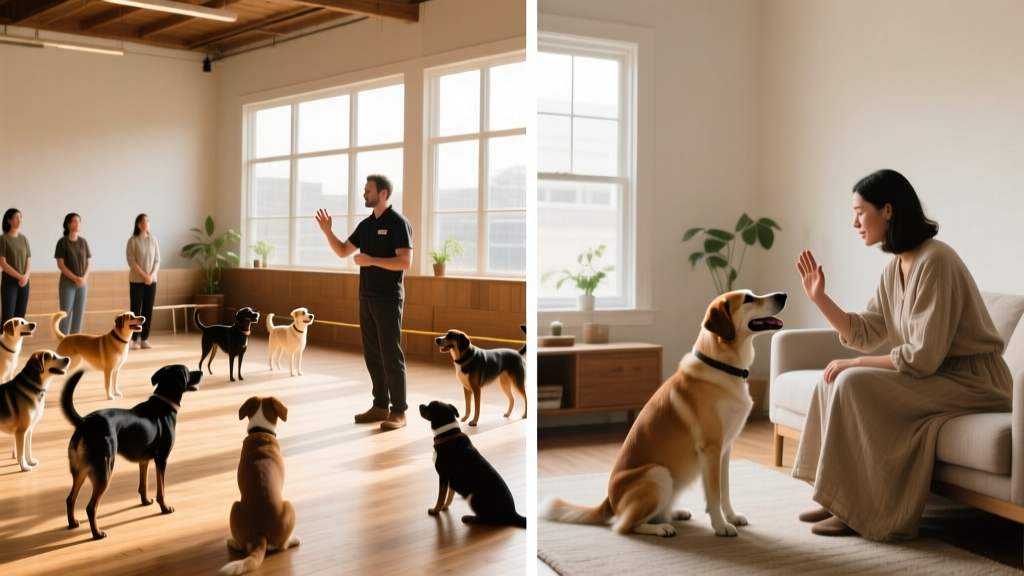
Best Leash for Dogs That Pull: 2026 Buyer's Guide & Top Picks
Find the best leash for dogs that pull with our 2026 guide. Compare top-rated no-pull leashes, harnesses, and training tools with pricing and safety tips.

Why Dogs Pull on Leash: The Science Behind the Behavior
Before exploring products, it helps to understand why dogs pull. Canines naturally walk faster than humans—most dogs cruise at 3-4 mph while humans average 2-3 mph. When your dog surges ahead, they're not being defiant; they're following their natural gait and environmental curiosity. According to the American Kennel Club, pulling is a self-reinforcing behavior: the dog pulls, moves forward, and learns that pulling works.
The right leash equipment doesn't "fix" pulling on its own—it's a management tool that gives you better control while you train loose-leash walking using positive reinforcement. No leash replaces consistent training, but the wrong leash can make pulling worse or cause injury.
Buying Criteria: What Matters When Choosing a Leash for Pullers
Top 8 Leashes and No-Pull Systems for Dogs That Pull (2026)
1. Ruffwear Front Range Harness + Leash Combo
Price: $45-55 (harness) + $30-35 (leash) = $75-90 total
Best for: Medium to large dogs (25-100 lb) with moderate pulling
Key features: Dual attachment points (chest and back), foam-padded straps, 4 adjustment points, reflective trim, 5-foot leash with traffic handle
- Front clip redirects pulling by turning dog toward you
- Durable 420-denier nylon shell withstands daily abuse
- Separate ID tag pocket reduces jingle noise
- Front clip can cause chafing on barrel-chested breeds (Bulldogs, Pugs) if not fitted properly
- Higher price point than basic harnesses
2. Rabbitgoo No-Pull Dog Harness
Price: $22-28
Best for: Budget-conscious owners with dogs 15-80 lb
Key features: Front and back metal D-rings, breathable mesh padding, 4 adjustment straps, reflective strips
- Under $30 with dual-clip functionality
- Wide size range (S through XL)
- Easy on/off with quick-release buckles
- Stitching quality varies—inspect seams on arrival
- Less padding than premium options; may cause friction on long walks
3. Blue-9 Balance Harness
Price: $65-75
Best for: Dogs with unusual body shapes (Greyhounds, Dachshunds, deep-chested breeds)
Key features: 6 adjustment points, custom-fit design, front and back clips, no shoulder restriction
- Veterinary behaviorist-recommended for freedom of movement
- Doesn't alter natural gait like some front-clip harnesses
- Made in USA with lifetime hardware warranty
- Complex fitting process—requires careful measurement
- Limited color options
4. ThunderLeash No-Pull Training Leash
Price: $35-45
Best for: Dogs that pull moderately; owners wanting single-tool simplicity
Key features: Wraps around dog's torso for gentle pressure, converts to standard leash, no harness needed
- Works without separate harness purchase
- Quick application for spontaneous walks
- Machine washable
- Less effective for severe pullers (dogs over 70 lb with high drive)
- Can shift position during vigorous activity
5. Mendota Products Slip Lead
Price: $18-25
Best for: Training sessions, emergency control, dogs that escape harnesses
Key features: Combined collar and leash, 1/2-inch braided nylon, leather stop, 4 or 6-foot lengths
- Instant application—ideal for shelter/rescue work
- Durable braided construction rated for 250+ lb pull force
- Used by professional trainers and animal control
- Can tighten excessively if not monitored—requires active handler attention
- Not recommended for unsupervised tie-out or long-term walking without training
6. Kurgo Tru-Fit Smart Harness
Price: $35-45
Best for: Car travel plus walking; crash-tested safety
Key features: Steel nesting buckles, front and back clips, crash-tested to 75 lb (FMVSS 213), padded chest plate
- Dual-purpose: walking harness and car restraint
- Steel hardware won't fail under sudden load
- Lifetime warranty against manufacturing defects
- Heavier than non-crash-tested harnesses (adds 2-3 oz)
- Bulkier profile may bother heat-sensitive dogs in summer
7. Primal Pet Gear Dual-Handle Leash
Price: $15-20
Best for: Owners wanting extra control without harness change
Key features: Two padded handles (traffic handle near clip + standard handle), 5-foot length, bungee section for shock absorption
- Traffic handle lets you keep dog close in high-distraction areas
- Bungee absorbs sudden pulls, reducing shoulder strain
- Budget-friendly upgrade to any harness
- Bungee section can encourage pulling (dog learns stretching = more room)
- Not ideal for training loose-leash walking—better for management
8. Halti Headcollar (by Company of Animals)
Price: $15-22
Best for: Severe pullers, strong dogs 40+ lb where harnesses haven't worked
Key features: Head halter design (like horse halter), nose loop controls direction, safety clip attaches to regular collar
- Most effective mechanical advantage for strong pullers
- Veterinary behaviorists recommend for dogs over 80 lb with high drive
- Lightweight and minimal gear
- Requires 1-2 week acclimation period (most dogs initially paw at it)
- Not for brachycephalic breeds (Pugs, Bulldogs) due to short muzzles
- Sudden jerks can cause neck injury—must be used with gentle guidance, not force
Product Comparison: Leashes and No-Pull Systems Side by Side
| Product | Price Range | Best For | Dog Size | Training Required | Durability Rating |
|---|---|---|---|---|---|
| Ruffwear Front Range | $75-90 | All-around control | 25-100 lb | Low | Excellent |
| Rabbitgoo No-Pull | $22-28 | Budget buyers | 15-80 lb | Low | Good |
| Blue-9 Balance | $65-75 | Unique body shapes | 15-120 lb | Medium (fitting) | Excellent |
| ThunderLeash | $35-45 | Quick application | 15-70 lb | Low | Good |
| Mendota Slip Lead | $18-25 | Training/escape artists | 20-100 lb | High | Excellent |
| Kurgo Tru-Fit | $35-45 | Car + walking combo | 5-75 lb | Low | Excellent |
| Primal Pet Dual-Handle | $15-20 | Extra control upgrade | All sizes | Low | Good |
| Halti Headcollar | $15-22 | Severe pullers | 40-120 lb | High (acclimation) | Good |
How to Use No-Pull Equipment Safely and Effectively
Step-by-Step Fitting and Training Protocol
- Measure accurately: For harnesses, measure girth (widest part of ribcage behind front legs) and neck base. Add 1-2 inches for comfort. Your dog should be able to fit two fingers between harness and body.
- Fit check: Harness should not restrict shoulder movement or chafe armpits. Watch your dog walk—if they limp or move stiffly, refit or try different style.
- Acclimation period: Let dog wear harness indoors for 10-15 minutes with treats before first walk. For headcollars, start with 2-3 minute sessions, rewarding heavily.
- Front clip technique: When dog pulls, stop walking. Wait for slack, then proceed. The front clip will gently turn dog toward you, breaking forward momentum.
- Reward loose leash: Every 3-5 steps of loose-leash walking, mark with "yes" or clicker and deliver treat at your hip. This builds association that staying close = rewards.
- Gradual duration: Start with 5-minute training walks in low-distraction areas (driveway, quiet street). Add distractions only when dog succeeds at current level.
⚠️ Critical Safety Warnings
- Never use prong collars, choke chains, or shock collars to address pulling. These cause pain and can damage trachea, thyroid, and cervical spine. The American Veterinary Society of Animal Behavior opposes aversive tools.
- Inspect equipment weekly: Check stitching, clip integrity, and strap wear. Replace immediately if you see fraying, rust, or bent hardware.
- Headcollar caution: Never jerk or pull sharply on a headcollar—this can cause cervical injury. Use gentle directional guidance.
- Slip lead supervision: Never leave a slip lead on an unsupervised dog or use it for tie-out. The loop can tighten to strangulation.
- Brachycephalic breeds: Avoid headcollars and tight-fitting harnesses on Bulldogs, Pugs, Boston Terriers—these breeds already have compromised airways.
When to See a Professional Instead of Buying More Gear
Equipment manages pulling but doesn't address underlying causes. Consult a certified professional dog trainer (CPDT-KA) or veterinary behaviorist if:
- Pulling is accompanied by aggression (lunging, snarling, biting at leash or handler)
- Dog shows fear-based reactivity (cowering, tucked tail, whale eye) that escalates on leash
- Pulling causes injury to handler (shoulder/back strain, falls) despite proper equipment
- You've tried multiple tools and consistent training for 4-6 weeks with no improvement
- Dog pulls so hard they cough, gag, or show signs of tracheal damage
A veterinary behaviorist can assess whether anxiety, hyperactivity, or medical issues (thyroid dysfunction, pain) contribute to pulling. In some cases, medication combined with behavior modification is more effective than equipment alone.
Natural Alternatives and Training-First Approaches
Before investing in specialized equipment, consider these force-free training methods that require only a standard 6-foot leash and flat collar or basic harness:
- Red-light/green-light method: Stop every time leash goes tight. Resume only when slack. Teaches dog that pulling = no forward progress.
- Direction changes: Randomly turn 180 degrees when dog pulls ahead. Dog learns to monitor your position rather than forge ahead.
- High-value treats at hip: Walk with treats in hand at your hip level. Deliver treat every few steps for staying in position. Gradually thin rewards as behavior strengthens.
- Pre-walk exercise: 15-20 minutes of sniffing, fetch, or puzzle toys before leash walk reduces pent-up energy that fuels pulling.
These methods take 2-6 weeks of daily practice but build lasting loose-leash behavior without equipment dependency.
Frequently Asked Questions
What is the best leash for dogs that pull?
The best system combines a front-clip harness (like Ruffwear Front Range or Blue-9 Balance) with a 5-foot standard leash. The front attachment point redirects pulling force sideways, giving you mechanical advantage without causing pain. For severe pullers over 60 lb, a headcollar like the Halti provides maximum control when properly acclimated.
How do I choose the right leash for my dog's pulling?
Match equipment to your dog's size, body shape, and pulling intensity. Dogs under 25 lb with moderate pulling do well with basic front-clip harnesses. Dogs 40-80 lb with strong drive benefit from dual-clip harnesses or headcollars. Brachycephalic breeds need harnesses that don't restrict breathing. Always prioritize proper fit over brand name.
How much does a good no-pull leash system cost?
Expect to spend $20-90 total. Budget front-clip harnesses run $22-35; premium options cost $45-75. Add $15-35 for a quality leash. Headcollars are $15-22 but require separate leash purchase. Avoid the cheapest options (under $15)—hardware failure under load is a real risk.
How do I use a no-pull leash safely?
Fit harness so two fingers slide between straps and dog's body. Check for chafing after each walk. Use front clip for training, back clip for casual walks once behavior improves. Never use aversive corrections (jerking, popping) with any equipment. Inspect weekly for wear and replace at first sign of damage.
Are there natural alternatives to no-pull equipment?
Yes—force-free training methods like red-light/green-light (stop when leash tightens), random direction changes, and high-rate treat delivery at your hip can build loose-leash walking without specialized gear. These require 2-6 weeks of daily 5-10 minute sessions but create lasting behavior change. Pre-walk exercise (15-20 minutes of play or sniffing) also reduces pulling intensity.
When should I skip OTC products and see a professional?
Consult a certified trainer (CPDT-KA) or veterinary behaviorist if pulling includes aggression, fear-based reactivity, causes handler injury despite proper equipment, or shows no improvement after 4-6 weeks of consistent training. Dogs that pull to the point of coughing or gagging need veterinary evaluation for tracheal or respiratory issues.
Tom Renshaw
All our authors care for dogs every day — read more of their work on the authors page.