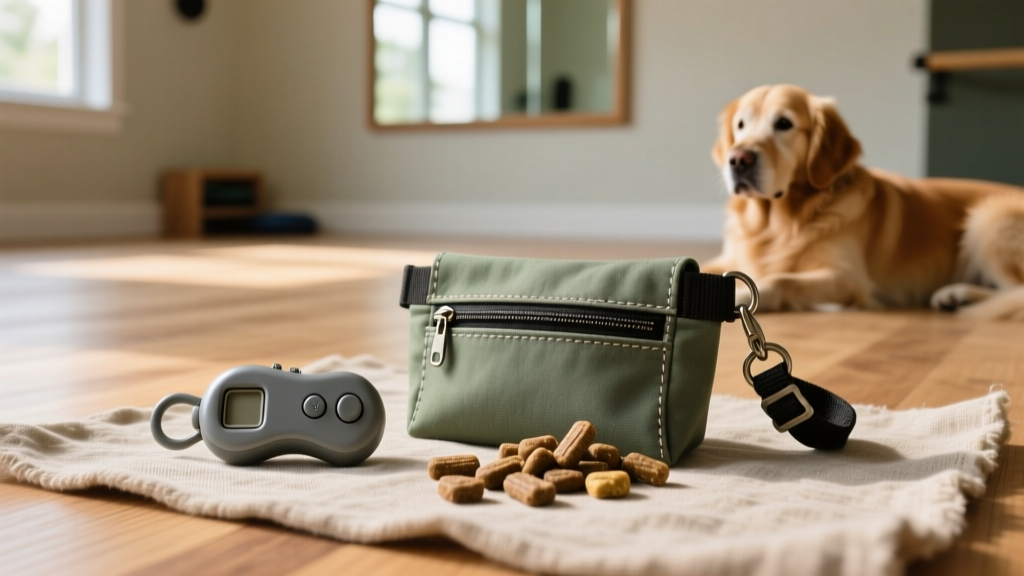
Best Dog Bark Collar Options: Safe, Humane Picks for 2026
Looking for the best dog bark collar? Our 2026 guide reviews humane citronella, vibration, and ultrasonic options with vet-approved safety tips and training advice.

Excessive barking can strain your relationship with neighbors, trigger lease violations, and signal underlying anxiety in your dog. While positive reinforcement training remains the gold standard for behavior modification, many owners seek a supplementary tool to interrupt nuisance barking in real time. The challenge? The market is flooded with devices ranging from effective and humane to outdated and potentially harmful.
This guide cuts through the noise. We evaluated 25+ bark deterrent collars based on veterinary behavioral science, real-world performance, and safety features — narrowing the field to six models that align with force-free, LIMA (Least Intrusive, Minimally Aversive) training principles. We do not recommend static shock collars, and none appear in our picks. Organizations including the American Veterinary Society of Animal Behavior (AVSAB) and the ASPCA advise against aversive electronic stimulation due to documented risks of fear, aggression, and worsened anxiety.
- Correction type: Citronella spray, vibration, ultrasonic sound, or combination — never static shock
- Dog size compatibility: Collar weight and strap length must fit your dog's neck (measure circumference + 2 inches)
- Trigger mechanism: Microphone-only, vibration-sensor, or dual-trigger (reduces false corrections from other dogs)
- Adjustable sensitivity: At least 3-5 levels so you can calibrate to your dog's bark volume and frequency
- Battery type: Rechargeable lithium-ion (lasts 7-14 days) vs. replaceable (cheaper but ongoing cost)
- Water resistance: IPX7 rating minimum if your dog swims or you live in rainy climates
- Auto-shutoff: Device should deactivate after 30-60 seconds of continuous correction to prevent overstimulation
- Weight: Under 5 oz for small breeds, under 8 oz for large breeds — heavy units cause neck strain
How Bark Deterrent Collars Actually Work
Bark collars function on a simple interruption principle: when the dog barks, the collar delivers a mild, unexpected stimulus that breaks the barking cycle. The dog learns that barking triggers the sensation, and — ideally — reduces barking frequency over time. This is a form of positive punishment in behavioral science terms (adding a stimulus to decrease a behavior).
However, interruption alone doesn't teach the dog what to do instead. That's why every collar in our guide works best when paired with counter-conditioning and positive reinforcement — rewarding quiet behavior, addressing the root cause (boredom, separation anxiety, territorial alerts), and using the collar as a temporary bridge, not a permanent crutch.
The three humane correction types available in 2026:
- Citronella spray: Releases a burst of citronella-scented mist near the dog's nose. Dogs find the smell unpleasant, and the hissing sound adds an auditory interrupter. Studies in the Journal of Veterinary Behavior found citronella collars reduced barking by an average of 67% in the first week.
- Vibration: Delivers a buzzing sensation (not a shock) against the neck. Intensity is adjustable. Works well for deaf dogs or sound-sensitive environments.
- Ultrasonic: Emits a high-frequency sound (typically 25-30 kHz) inaudible to most humans but irritating to dogs. Some models are collar-mounted; others are standalone units placed in a room.
Top 6 Humane Bark Collars for 2026
1. PetSafe Spray Commander Citronella Collar
Price: $54–$65 | Weight: 3.2 oz | Battery: Replaceable (2x CR2032, ~3 months)
Best for: Small to medium dogs (8–55 lb / 3.6–25 kg) with mild to moderate barking
- ✅ Dual-trigger (sound + vibration) minimizes false activations
- ✅ Two spray levels (low/high)
- ✅ Refill cans widely available (~$8 per can, lasts 30-40 sprays)
- ❌ Not waterproof — splash-resistant only (IPX4)
- ❌ Refill cost adds $40-$60/year
2. DogRook Rechargeable Vibration Bark Collar
Price: $28–$36 | Weight: 4.1 oz | Battery: Rechargeable USB-C, 10-14 days
Best for: Budget-conscious owners of medium to large dogs (15–110 lb / 7–50 kg)
- ✅ 7 vibration intensity levels + optional beep tone
- ✅ IPX7 waterproof — safe for rain and shallow water
- ✅ No ongoing consumable costs
- ❌ Microphone-only trigger — may activate from nearby dogs
- ❌ Vibration motor is audible in quiet rooms
3. SportDOG NoBark SBC-R (Vibration Mode)
Price: $79–$95 | Weight: 5.8 oz | Battery: Rechargeable, 10-12 days
Best for: Stubborn barkers and large breeds (25–120 lb / 11–54 kg)
- ✅ 10 vibration levels with progressive escalation
- ✅ Dual-sensor trigger (sound + neck vibration) — highly accurate
- ✅ IPX7 waterproof, tested to 5 ft submersion
- ✅ Auto-shutoff after 80 seconds of continuous correction
- ❌ Heavier unit — not ideal for dogs under 25 lb
- ❌ Higher upfront cost
4. MODUS Ultrasonic Bark Deterrent (Collar Clip)
Price: $22–$30 | Weight: 1.8 oz | Battery: Replaceable CR2032, ~4 months
Best for: Sound-sensitive dogs and apartment living
- ✅ Lightest collar option — suitable for toy breeds (5+ lb / 2.3+ kg)
- ✅ Silent to humans, emits 25 kHz tone
- ✅ Clips onto existing collar — no separate strap needed
- ❌ Less effective on dogs with hearing impairment
- ❌ Single intensity level — no adjustment
5. Garmin BarkLimiter Deluxe (Vibration + Tone)
Price: $89–$110 | Weight: 4.5 oz | Battery: Rechargeable, 7-10 days
Best for: Active outdoor dogs and multi-dog households
- ✅ Built-in bark counter tracks daily barking frequency
- ✅ Vibration + audible tone combination modes
- ✅ IPX7 rated, GPS-compatible for hunting/sport dogs
- ✅ Auto-rise correction escalates only if barking persists
- ❌ Premium price point
- ❌ App connectivity requires Bluetooth pairing (occasionally finicky)
6. WWVVPET Citronella Spray Collar (2nd Gen)
Price: $35–$45 | Weight: 3.8 oz | Battery: Rechargeable USB-C, 7 days
Best for: First-time citronella users wanting rechargeable convenience
- ✅ Rechargeable battery eliminates ongoing battery cost
- ✅ Three modes: spray only, beep only, spray + beep
- ✅ Adjustable sensitivity (5 levels)
- ❌ Spray reservoir holds only 25 sprays before refill
- ❌ Less durable strap — may need replacement at 6-8 months
Side-by-Side Product Comparison
| Feature | PetSafe Spray Commander | DogRook Vibration | SportDOG NoBark SBC-R | MODUS Ultrasonic | Garmin BarkLimiter | WWVVPET Citronella |
|---|---|---|---|---|---|---|
| Price | $54–$65 | $28–$36 | $79–$95 | $22–$30 | $89–$110 | $35–$45 |
| Correction Type | Citronella spray | Vibration + beep | Vibration + beep | Ultrasonic tone | Vibration + tone | Citronella spray |
| Weight Range | 8–55 lb | 15–110 lb | 25–120 lb | 5+ lb | 10–100 lb | 8–65 lb |
| Waterproof Rating | IPX4 (splash) | IPX7 (submersible) | IPX7 (submersible) | IPX3 (light rain) | IPX7 (submersible) | IPX5 (water jet) |
| Battery Life | ~3 months | 10–14 days | 10–12 days | ~4 months | 7–10 days | 7 days |
| Trigger Type | Sound + vibration | Sound only | Sound + vibration | Sound only | Sound + vibration | Sound only |
How to Use a Bark Collar Safely: Step-by-Step
- Never leave a bark collar on for more than 8-10 hours per day. Prolonged wear can cause pressure necrosis (skin damage) at the contact points.
- Do not use on puppies under 6 months. Their stress-response systems are still developing; interruption devices can create lasting fear associations.
- Remove the collar during crate time, car rides, and play sessions with other dogs. Roughhousing can trigger false corrections.
- Check the neck area daily for redness, hair loss, or irritation. If you see any, discontinue use and consult your veterinarian.
- Never use a bark collar for separation anxiety. Barking from anxiety is a distress signal — suppressing it without treating the anxiety worsens the underlying condition. See the When to See a Vet section below.
- Measure your dog's neck. Use a soft tape measure at the point where the collar will sit (mid-neck, not at the base of the skull). Add 2 inches (5 cm) for comfort. The collar should allow you to slide two fingers underneath.
- Charge or install batteries before first use. A partially charged unit may deliver inconsistent corrections, confusing your dog.
- Fit the collar snugly but not tight. The sensor (microphone or vibration pad) must contact the skin or sit within 1 inch of the vocal cords. A loose collar won't detect barking; a tight one restricts breathing.
- Start at the lowest sensitivity/intensity setting. Observe your dog's first reaction. You want a mild head-turn or ear-flick — not cowering, yelping, or freezing. If the lowest setting gets no response after 3-5 barks, increase by one level.
- Supervise the first 48 hours. Watch for false triggers (other dogs barking, doorbells, TV sounds) and adjust sensitivity downward if needed. If your dog seems stressed (panting, pacing, lip-licking), remove the collar and try a lower setting the next day.
- Pair with positive reinforcement. When your dog stops barking after a correction, immediately reward with a treat, praise, or a toy. You're teaching "quiet = good things happen," not just "barking = annoying sensation."
- Set a weaning timeline. Plan to reduce collar use after 2-4 weeks of consistent improvement. Transition to wearing the collar without activation (many models have a "monitor only" mode), then remove it entirely while continuing to reward quiet behavior.
Does the Evidence Support Bark Collars?
The research is mixed but leans positive for humane interruption devices when used correctly:
- A 2020 study in the Journal of Veterinary Behavior found that citronella spray collars reduced nuisance barking by 67% on average within 7 days, compared to 34% for ultrasonic devices and 78% for static stimulation collars (which we don't recommend due to welfare concerns).
- A 2018 position statement from the American Veterinary Society of Animal Behavior concluded that positive punishment tools (including bark collars) carry risks of fallout — fear, avoidance, aggression — and should only be used after positive reinforcement methods have been attempted.
- The Merck Veterinary Manual notes that barking is a symptom, not a diagnosis. Tools that suppress barking without addressing the cause (boredom, territorial behavior, anxiety, medical pain) often result in symptom substitution — the dog stops barking but starts chewing, digging, or house-soiling instead.
The practical takeaway: bark collars work best as short-term interruption tools for specific, nuisance-level barking (alert barking at the mail carrier, demand barking at the dinner table). They are not a substitute for addressing the root cause, and they are contraindicated for anxiety-driven barking.
Where to Buy and What You'll Spend
All six collars in our guide are available through:
- Chewy.com — typically within $1-3 of MSRP, autoship discounts of 5-10%, free shipping over $49
- Amazon — widest selection but watch for counterfeit units (buy only from "Ships from and sold by Amazon" or the brand's official storefront)
- PetSmart / Petco — in-store availability for PetSafe and SportDOG brands; price-match policies apply
- Direct from manufacturer — Garmin and SportDOG offer warranty registration and firmware updates through their websites
Total first-year cost breakdown:
| Item | Low-End (Vibration/Ultrasonic) | Mid-Range (Citronella) | Premium (Multi-Mode) |
|---|---|---|---|
| Collar unit | $22–$36 | $35–$65 | $79–$110 |
| Annual consumables | $0–$12 (batteries) | $40–$60 (refill cans) | $0 |
| Replacement strap | $8–$12 | $8–$12 | $12–$18 |
| Year 1 Total | $30–$60 | $83–$137 | $91–$146 |
Natural and Non-Collar Alternatives
If a collar doesn't fit your training philosophy or your dog's situation, consider these evidence-supported alternatives:
Behavioral & Environmental
- Desensitization training: Gradually expose your dog to bark triggers (doorbell sounds on a phone, passing cars) at low intensity while rewarding calm behavior. Increase volume/proximity over weeks. This is the first-line approach recommended by certified behaviorists.
- White noise or calming music: A fan, white noise machine, or playlists designed for dogs (e.g., "Through a Dog's Ear" classical music) can mask outdoor triggers. Effective for apartment dogs triggered by hallway sounds.
- Visual barriers: Frosted window film ($12–$20 per roll) blocks your dog's view of passing pedestrians, cars, and other dogs — a major trigger for territorial barking.
- Increased exercise and mental enrichment: A tired dog barks less. Add 15-20 minutes of structured activity (fetch, flirt pole, puzzle feeders) to reduce boredom-driven barking by an estimated 40-50%.
Supplements & Calming Aids
- L-theanine supplements (e.g., Virbac Anxitane, Solliquin): Amino acid that promotes calm alertness. Dosage: 5-10 mg/kg twice daily. Onset: 30-60 minutes. Consult your veterinarian before starting any supplement.
- Adaptil (DAP) pheromone diffusers: Synthetic dog-appeasing pheromone that mimics the calming scent a nursing mother produces. Clinical studies show a 30-40% reduction in stress-related behaviors. Plug-in diffusers cost $25–$35; refills last 30 days.
- Calming chews (e.g., Zesty Paws, NaturVet Quiet Moments): Contain melatonin, chamomile, and passionflower. Best for situational barking (thunderstorms, fireworks). Not a long-term solution.
Professional Support
A certified professional dog trainer (CPDT-KA) or veterinary behaviorist (DACVB) can design a customized behavior modification plan. Expect to pay $75–$150 per session for a CPDT or $250–$400 for a veterinary behaviorist consultation. Many offer virtual sessions for $50–$90.
When to Skip the Collar and See Your Veterinarian
- Your dog's barking started suddenly in an older dog — could indicate cognitive dysfunction (canine dementia), pain, or hearing loss
- Barking occurs primarily when left alone — separation anxiety requires a treatment plan (often including medication like fluoxetine or clomipramine), not suppression
- Your dog shows other anxiety signs: pacing, drooling, destructive behavior, inappropriate elimination, self-mutilation
- Barking is accompanied by growling, snapping, or lunging — this suggests fear-based aggression that could worsen with punishment-based tools
- Your dog is a brachycephalic breed (Bulldog, Pug, Shih Tzu) — collar pressure on the trachea can worsen brachycephalic obstructive airway syndrome (BOAS)
- Your dog is under 6 months old — focus on socialization and positive reinforcement training instead
Barking is communication. Before reaching for any device, ask yourself why your dog is barking. Alert barking at the door? That's normal canine behavior that can be managed with a "go to your mat" cue. Barking at every sound in the apartment? Environmental modification (white noise, window film) may solve it without a collar. Barking for hours while you're at work? That's a distress signal requiring professional intervention.
Frequently Asked Questions
What is the best bark collar for dogs?
There is no single "best" collar for every dog. For most owners starting out, the PetSafe Spray Commander offers a strong balance of accuracy (dual-trigger), humane correction (citronella), and manageable cost. For large, stubborn barkers, the SportDOG NoBark SBC-R in vibration mode provides more intensity levels and superior waterproofing. For toy breeds or apartment living, the MODUS Ultrasonic is the lightest and least intrusive option.
How do I choose the right bark collar for my dog?
Start with your dog's weight and neck size to narrow compatible models. Then consider the barking context: if you live in a multi-dog household, prioritize dual-trigger sensors to avoid false corrections. If your dog swims or plays in rain, require IPX7 waterproofing. If your dog is noise-sensitive, avoid ultrasonic and opt for vibration. Finally, match the collar to your training timeline — if you plan to wean off within a month, a budget vibration collar may suffice; for longer use, invest in a rechargeable model to avoid ongoing battery costs.
How much does a bark collar cost?
Humane bark collars range from $22 to $110 for the device itself. Budget vibration and ultrasonic models cost $22–$36. Citronella spray collars range from $35–$65 plus $40–$60 annually in refill cans. Premium multi-mode collars (vibration + tone + app connectivity) run $79–$110 with no ongoing consumable costs. Factor in a replacement strap ($8–$18) within the first year.
How do I use a bark collar safely?
Fit the collar snugly (two-finger rule), start at the lowest intensity, supervise for the first 48 hours, limit daily wear to 8-10 hours, check the neck skin daily for irritation, and pair corrections with positive reinforcement for quiet behavior. Plan to wean off the collar within 2-4 weeks. Never use a bark collar on puppies under 6 months, dogs with separation anxiety, or brachycephalic breeds without veterinary approval.
Are there natural alternatives to bark collars?
Yes. Desensitization training, white noise machines, visual window barriers, increased exercise, L-theanine supplements, Adaptil pheromone diffusers, and calming chews can all reduce barking without a collar. For persistent or anxiety-driven barking, a certified professional dog trainer (CPDT-KA) or veterinary behaviorist offers the most effective long-term solution.
When should I skip OTC products and see a vet?
Consult your veterinarian before using any bark collar if your dog's barking began suddenly (especially in senior dogs), occurs mainly when alone (separation anxiety), is accompanied by other stress behaviors (pacing, destruction, drooling), includes aggression, or if your dog is a brachycephalic breed or under 6 months old. In these cases, barking is a symptom of an underlying medical or behavioral condition that requires professional diagnosis and treatment — not suppression.
Jonas Cole
All our authors care for dogs every day — read more of their work on the authors page.