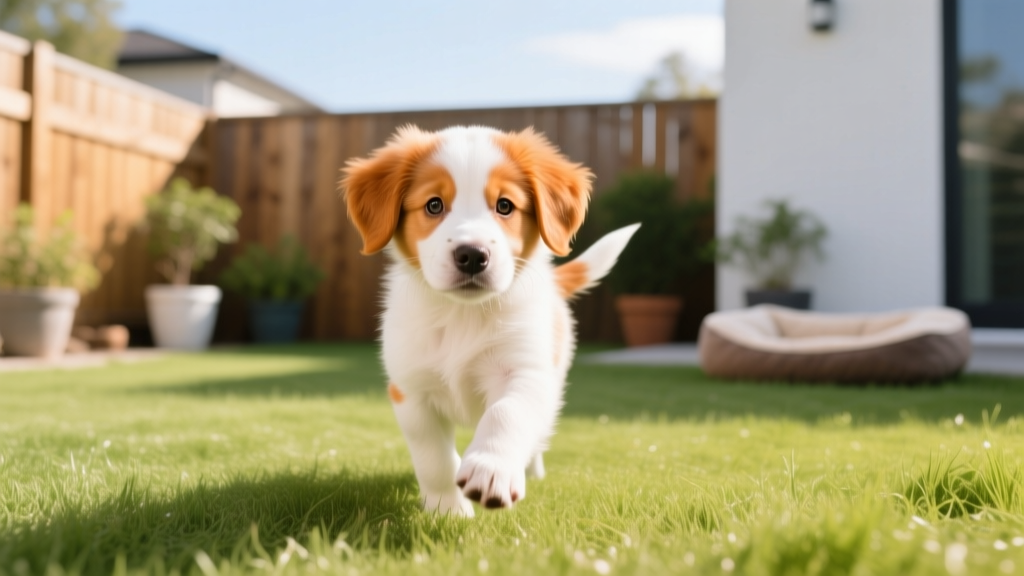
White Yorkie Puppies: Complete Care Guide from 8 Weeks to 1 Year
Everything you need to raise white Yorkie puppies: age milestones, feeding schedules, potty training timelines, vaccination plans, and first-year costs.
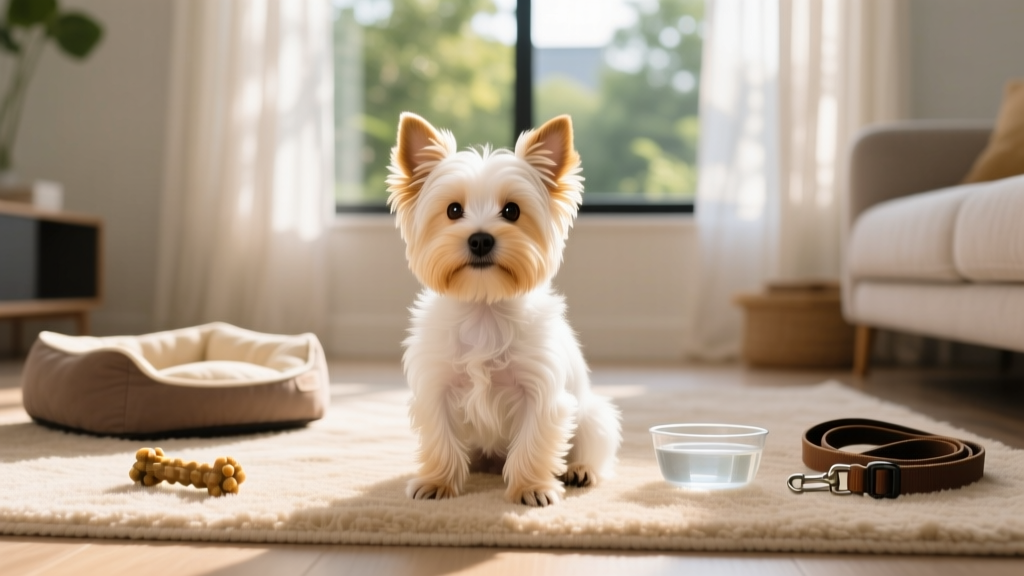
White Yorkshire Terriers—sometimes marketed as "teacup white Yorkies," "parti Yorkies," or "rare white Yorkies"—are a color variation of the standard Yorkshire Terrier recognized by the AKC. While the breed standard calls for a dark steel-blue and tan coat, recessive genes can produce puppies with predominantly white, cream, or very light silver coats. These puppies are still Yorkshire Terriers in every way: bold, affectionate, intelligent, and weighing in at a mere 4–7 pounds (1.8–3.2 kg) at adulthood. Raising one from puppyhood requires understanding their unique vulnerabilities—hypoglycemia risk, fragile bones, tiny bladders, and a critical socialization window that closes faster than you might think.
White Yorkie Puppy Development: Week-by-Week Milestones
Understanding what's normal at each stage prevents unnecessary panic and helps you provide the right support. Yorkies are toy-breed puppies, which means they mature faster physically than large breeds but remain emotionally impressionable longer.
Weeks 4–8: The Litter Phase
During this period, puppies are still with their breeder (or should be). Key developments include:
- Deciduous teeth erupting (incisors first, then canines) — puppies begin transitioning from mother's milk to softened puppy kibble
- Social play with littermates teaches bite inhibition and canine communication
- Eyes and ears fully functional — puppies startle at loud noises and track movement
- Weight milestone: A healthy Yorkie puppy should weigh 12–20 oz (340–570 g) by week 6, gaining roughly 1–2 oz per day
- First deworming typically administered at weeks 2, 4, and 6 by the breeder
Weeks 8–12: Homecoming and Bonding
This is when most white Yorkie puppies join their new families. Expect:
- Weight: 1.5–2.5 lb (0.7–1.1 kg)
- Sleep: 18–20 hours per day — puppies this age are essentially newborns in energy cycles
- Bladder capacity: Approximately 1 hour per month of age, so a 2-month-old puppy needs a potty break every 2 hours maximum
- Fear periods: The first fear period peaks around 8–10 weeks — avoid traumatic experiences (harsh corrections, overwhelming environments, aggressive dogs)
- Attachment: Your puppy will follow you everywhere and cry when left alone — this is developmentally normal, not separation anxiety yet
Weeks 12–16: Confidence Building
- Weight: 2.5–4 lb (1.1–1.8 kg)
- Coordination improves dramatically — puppy can navigate stairs (with supervision) and jump onto low furniture
- Second fear period may emerge around 12–14 weeks — sudden wariness of previously familiar things is normal
- Attention span lengthens to 5–10 minutes — ideal for short training sessions
- Teething discomfort begins as adult teeth start pushing beneath the gums
Weeks 16–24 (4–6 Months): The Teenage Phase
- Weight: 4–6 lb (1.8–2.7 kg), approaching 80% of adult weight
- Adult teeth erupting — expect dropped baby teeth on the floor and increased chewing
- Coat transition: The soft puppy coat begins shifting to the silky adult texture; white Yorkies may show subtle cream or silver shading emerging
- Testing boundaries: "Selective hearing" appears — your previously reliable recall may temporarily regress
- Energy peaks: 20–30 minute play sessions multiple times daily
Months 6–12: Approaching Adulthood
- Weight: Reaches adult weight of 4–7 lb (1.8–3.2 kg) by 10–12 months
- Spay/neuter window: Most veterinarians recommend 6–9 months for toy breeds (consult your veterinarian for individual timing)
- Emotional maturity: Still adolescent — impulse control is developing but unreliable
- Coat: Full adult coat length achievable; white coats require regular bathing to prevent staining from tear marks, food, or outdoor dirt
- Exercise capacity: 30–45 minutes of total daily activity (walks + play)
Feeding Your White Yorkie Puppy: Exact Portions and Schedule
Toy-breed puppies face a genuine risk of hypoglycemia (dangerously low blood sugar) because their tiny bodies have minimal glycogen reserves. Missing even one meal can cause lethargy, tremors, or collapse in a puppy under 4 months. This makes a strict feeding schedule non-negotiable.
| Age | Meals Per Day | Portion Per Meal | Total Daily (approx.) | Food Type |
|---|---|---|---|---|
| 8–12 weeks | 4 meals | 2–3 tablespoons | ¼–⅓ cup | Kibble softened with warm water or puppy-formulated wet food |
| 12–16 weeks | 3–4 meals | 3–4 tablespoons | ⅓–½ cup | Dry kibble (small-breed puppy formula) or wet food |
| 4–6 months | 3 meals | ¼ cup | ½–¾ cup | Dry kibble, transition to adult small-breed formula at 6 mo |
| 6–12 months | 2 meals | ¼–⅓ cup | ½–⅔ cup | Adult small/toy-breed kibble (AAFCO-approved) |
Choose a kibble specifically labeled for small or toy breeds. These formulas have smaller kibble size, higher caloric density per cup, and adjusted calcium-to-phosphorus ratios appropriate for tiny jaws and fast metabolisms. Look for an AAFCO statement of nutritional adequacy for "growth" or "all life stages" on the bag.
Potty Training Timeline: Realistic Expectations for a Tiny Bladder
Yorkies are notoriously challenging to house-train, and this is largely physiological rather than behavioral. A 3-pound puppy has a bladder roughly the size of a teaspoon. Expecting full reliability before 6–8 months is unrealistic, and some white Yorkie puppies don't achieve complete consistency until 10–12 months.
Age-Based Bladder Capacity and Outing Frequency
| Puppy Age | Max Time Between Outings | Nighttime Expectation | Accident Frequency (Normal) |
|---|---|---|---|
| 8–10 weeks | Every 1–2 hours | 1–2 overnight wake-ups needed | Multiple per day |
| 10–14 weeks | Every 2–3 hours | 1 overnight break | 1–3 per day |
| 4–6 months | Every 3–4 hours | Sleeping 6–7 hours overnight | 0–2 per week |
| 6–12 months | Every 4–6 hours | Sleeping through the night (8 hours) | Rare (stress/excitement only) |
Troubleshooting Common Potty Training Setbacks
Submissive urination: If your white Yorkie puppy squats and leaks a small amount when greeted, scolded, or excited, this is involuntary. Crouch to their level, avoid direct eye contact during greetings, and take them outside immediately after calm interactions. Most outgrow this by 8–10 months.
Marking behavior: Intact males may begin lifting a leg as early as 4–5 months. Neuter discussions with your veterinarian at the 6-month checkup can help reduce hormonally driven marking.
Surface preference: Yorkies often develop a texture preference (grass, concrete, pee pads). If you want outdoor-only elimination, avoid introducing indoor pads, as reversing the habit is extremely difficult with this breed.
Use only positive reinforcement: Reward successful outdoor elimination immediately with a high-value treat (tiny bits of freeze-dried chicken work well for toy breeds) and calm verbal praise. Never punish accidents — this increases anxiety and makes puppies hide to eliminate.
Vaccination Schedule for White Yorkie Puppies
Toy breeds receive the same core vaccines as larger dogs, but some veterinarians adjust protocols for puppies under 5 pounds to minimize adverse reactions. Your vet will determine the exact schedule based on your puppy's weight, local disease prevalence, and maternal antibody levels. Below is the standard protocol recommended by the AVMA and the American Animal Hospital Association (AAHA):
| Age | Vaccine | Type | Notes |
|---|---|---|---|
| 6–8 weeks | DHPP (Distemper, Hepatitis, Parainfluenza, Parvovirus) | Core | Often given by breeder; 1st dose |
| 10–12 weeks | DHPP booster + Bordetella | Core + Non-core | 2nd DHPP; Bordetella if attending puppy class or grooming |
| 14–16 weeks | DHPP booster + Rabies | Core | Final DHPP; Rabies required by law in most US states |
| 12–16 months | DHPP + Rabies booster | Core | 1-year booster, then every 3 years per AAHA guidelines |
The Critical Socialization Window: Weeks 3–14
Behavioral research published in the Journal of Veterinary Behavior confirms that puppies have a primary socialization period between approximately 3 and 14 weeks of age. Experiences during this window shape lifelong temperament. For a toy breed like the Yorkshire Terrier—naturally bold but prone to fear-based reactivity if under-socialized—this window is your most important investment.
White Yorkie Puppy Socialization Checklist
Aim for positive, brief exposures (2–5 minutes each) rather than marathon sessions. Watch for stress signals: tucked tail, lip licking, yawning, freezing, or attempting to hide. If you see these, increase distance or end the session.
- People: Men with beards, children (supervised), people wearing hats/sunglasses, delivery workers, people in wheelchairs, tall people, people carrying umbrellas
- Surfaces: Grass, gravel, metal grates, wet pavement, carpet, tile, wooden floors, tarps
- Sounds: Vacuum cleaner (start in another room, gradually closer), doorbell, thunderstorms (use recorded audio at low volume), traffic, sirens, clapping, dropping pots
- Objects: Open umbrellas, balloons, trash cans, bicycles, skateboards, plastic bags blowing in wind
- Handling: Paw touching, ear inspection, mouth opening, nail clipping practice, gentle restraint, being lifted and carried, wearing a harness
- Other animals: Calm, vaccinated adult dogs (one at a time), cats (if household has them), exposure to dog-friendly outdoor environments
- Environments: Car rides (short trips to pleasant destinations), pet-friendly store parking lots, outdoor café patios, friend's houses, groomer's lobby (just to visit, not full groom yet)
Key rule: Until your puppy has completed the full DHPP series (typically at 16 weeks), avoid high-traffic dog areas like dog parks, pet store floors, and group puppy classes where unvaccinated dogs may have been. You can still socialize in controlled environments — carry your puppy in public spaces, invite vaccinated dogs to your home, and set up playdates with known-healthy puppies.
Teething Timeline and Relief Strategies (3–6 Months)
White Yorkie puppies begin losing their 28 deciduous (baby) teeth around 12–16 weeks, with the process typically completing by 6–7 months. The 42 adult teeth push through the gums in this sequence:
- Incisors (front teeth) — weeks 12–16
- Canines (fangs) — weeks 16–20
- Premolars and molars — weeks 20–28
Yorkie-specific concern: Retained deciduous teeth. Toy breeds are predisposed to baby teeth that fail to fall out as adult teeth erupt. This creates crowding, misalignment, and trapped food that accelerates dental disease. Check your puppy's mouth weekly — if you see a baby tooth alongside an emerging adult tooth for more than 2 weeks, your veterinarian may need to extract the retained tooth. This is a common minor procedure in Yorkies.
Safe Chew Recommendations for Tiny Jaws
A Yorkie puppy's jaw is delicate. Avoid hard chews that can fracture teeth — the Merck Veterinary Manual advises that any chew you cannot indent with your fingernail is too hard for a puppy. Safe options include:
- Frozen washcloth: Wet a clean washcloth, twist into a rope, freeze for 2 hours. The cold numbs sore gums. Supervise to prevent swallowing fabric pieces.
- KONG Puppy (XS or S size): Fill with plain pumpkin purée or soaked kibble and freeze. The rubber is soft enough for baby teeth.
- Benebone Puppy (Tiny size): Made from softer nylon designed specifically for puppies under 6 months.
- Bully sticks (thin, 4–6 inch): Fully digestible, appropriate for small mouths. Always supervise and remove when chewed down to 2 inches to prevent choking.
- Carrot sticks (frozen): A low-calorie, natural option. Most Yorkie puppies enjoy the crunch.
Crate Training Progression and Time Limits
Crate training provides a safe den for your white Yorkie puppy and accelerates potty training by leveraging their natural instinct not to soil their sleeping area. For a breed this small, the crate must be appropriately sized — a standard medium crate will be far too large and undermine training.
Recommended crate: An 18×12×14 inch wire or plastic crate (such as the MidWest iCrate XS or Petmate Ultra Vari Kennel Small) fits an adult Yorkie comfortably. Use a divider panel to reduce space while the puppy is small — they should be able to stand, turn around, and lie down, but not have a separate "bathroom corner."
Maximum Crate Time by Age
| Age | Max Crate Time (Daytime) | Nighttime |
|---|---|---|
| 8–10 weeks | 1–2 hours max | 2–3 hours (set alarm for potty break) |
| 10–14 weeks | 2–3 hours max | 3–4 hours |
| 4–6 months | 3–4 hours max | 5–6 hours |
| 6–12 months | 4–5 hours max | 7–8 hours |
Crate training steps:
- Leave the crate door open with a soft blanket and a treat inside. Let the puppy explore voluntarily.
- Feed meals inside the crate (door open) for the first week to build positive association.
- Close the door for 5 minutes while you sit nearby. Gradually increase to 15, 30, then 60 minutes.
- Leave the room for short periods (5 minutes, then 15, then 30). Return before the puppy panics.
- Never use the crate as punishment. It must remain a safe, positive space.
Common White Yorkie Puppy Problems and Solutions
Puppy Biting and Nipping
Yorkie puppies explore the world with their mouths, and their needle-sharp deciduous teeth make this painful. Biting peaks between 8–16 weeks and typically decreases as adult teeth come in, but only if you actively teach bite inhibition.
What to do:
- When teeth touch skin, let out a high-pitched "Ow!" and immediately withdraw attention (stand up, turn away) for 10–15 seconds.
- Redirect to an appropriate chew toy the moment they stop.
- If biting escalates during overstimulation (common in the evening), the puppy likely needs a nap — place them in their crate with a chew.
- Never hold the mouth shut, alpha-roll, or physically punish. These methods increase fear and can trigger defensive biting in adulthood.
Excessive Whining and Crying
Nighttime whining in the first 2–3 weeks home is normal — your puppy has never been alone. Strategies that work:
- Place a warm (not hot) heating pad or a Snuggle Puppy heartbeat toy in the crate
- Keep the crate in your bedroom for the first 2 weeks, then gradually move it to the desired permanent location
- Do not respond to whining by letting the puppy out — this teaches that crying opens the door. Wait for a brief moment of silence, then reward.
- Exception: Always take the puppy out for a potty break if they whine after 2+ hours in the crate, as this likely signals a full bladder.
Destructive Chewing
Between 4–7 months, teething discomfort drives intense chewing. Puppy-proof your home by:
- Removing shoes, remote controls, and charging cables from floor level
- Using bitter apple spray on furniture legs and baseboards
- Providing a rotation of 4–5 approved chews (rotate daily to maintain novelty)
- Supervising 100% of the time outside the crate — use a playpen or baby gates to limit access
First-Year Cost Breakdown for a White Yorkie Puppy
Budgeting realistically prevents financial surprises. The costs below reflect 2026 US averages for a toy-breed puppy in a suburban or urban area. Rural areas may see 10–20% lower veterinary costs; major metro areas can run 15–30% higher.
| Category | Low Estimate | Mid Estimate | High Estimate |
|---|---|---|---|
| Puppy purchase (responsible breeder) | $1,500 | $2,500 | $4,500+ |
| Veterinary care (vaccines, checkups, fecal tests, heartworm prevention) | $400 | $650 | $1,000 |
| Spay/neuter | $300 | $500 | $800 |
| Food (premium small-breed kibble + treats) | $180 | $280 | $420 |
| Supplies (crate, bed, harness, leash, bowls, grooming tools, toys, chews) | $200 | $350 | $550 |
| Grooming (professional bath/trim every 6–8 weeks for long-coat Yorkies) | $300 | $480 | $720 |
| Training (puppy class + private sessions if needed) | $100 | $250 | $600 |
| Pet insurance (optional but recommended for toy breeds) | $360 | $480 | $660 |
| TOTAL FIRST YEAR | $3,340 | $5,490 | $9,250 |
White coat premium: Some breeders charge $500–$2,000 more for white or parti-color Yorkies, marketing them as "rare." Be aware that this coloration is non-standard and that some breeders prioritizing unusual colors may not prioritize health testing. Always verify OFA clearances for patellar luxation, cardiac evaluation, and ophthalmologist evaluation regardless of coat color.
Frequently Asked Questions About White Yorkie Puppies
When should I bring my white Yorkie puppy home?
The ideal age is 8–10 weeks. Reputable breeders will not release a Yorkie puppy before 8 weeks because toy breeds need the extra time with their mother and littermates for proper socialization and physical development. Some breeders of very small Yorkies (projected under 4 lb adult weight) hold puppies until 10–12 weeks to ensure they are eating reliably and past the highest hypoglycemia risk period. Bringing a puppy home before 8 weeks increases the risk of behavioral problems and health complications.
How often should I feed my puppy at each age?
At 8–12 weeks, feed 4 meals per day spaced roughly 4 hours apart during waking hours. At 12–16 weeks, you can reduce to 3–4 meals. At 4–6 months, transition to 3 meals. At 6 months and beyond, 2 meals per day (morning and evening) is standard for the rest of their life. Yorkies should never be fed just once daily — their small stomachs and fast metabolisms require more frequent, smaller meals to maintain stable blood sugar.
When will my puppy be fully potty trained?
Most white Yorkie puppies achieve reliable daytime house training between 6–8 months, with full overnight reliability by 8–12 months. Some individuals, particularly very small females (under 4 lb), may take up to 12–14 months due to extremely limited bladder capacity. Consistency is the single biggest factor — puppies trained with a regular schedule and positive reinforcement achieve reliability 4–6 weeks faster than those with inconsistent routines.
What vaccines does my puppy need and when?
Core vaccines include DHPP (Distemper, Hepatitis, Parainfluenza, Parvovirus) given as a series at 6–8, 10–12, and 14–16 weeks, plus Rabies at 14–16 weeks. Non-core vaccines your veterinarian may recommend based on lifestyle include Bordetella (kennel cough) for puppies attending group classes or visiting groomers, and Leptospirosis for dogs with outdoor exposure. Discuss a tailored protocol with your vet at the first visit.
How do I stop puppy biting and nipping?
Use the redirect-and-withdraw method: when teeth contact skin, say "Ow!" in a high pitch, stand up, and turn away for 10–15 seconds. Then return and offer an appropriate chew toy. Consistency from every family member is critical — if one person allows mouthing, the puppy will continue the behavior. Most biting decreases significantly by 5–6 months as adult teeth come in, provided you've been consistent. If biting intensifies after 6 months or includes growling and hard bites, consult a certified professional dog trainer (CPDT-KA or IAABC credentialed) for a behavior assessment.
When can my puppy go outside and meet other dogs?
Your puppy can explore your own yard immediately if it's fenced and no unknown dogs have access. For public spaces, wait until 7 days after the final DHPP vaccine (typically given at 14–16 weeks), which puts safe outdoor access around 15–17 weeks of age. Before that, you can carry your puppy in public for socialization exposure, visit homes of friends with known-vaccinated dogs, and attend puppy classes that require proof of at least the first two DHPP doses. Avoid dog parks, pet store floors, and areas with high dog traffic until the full vaccine series is complete. Parvovirus can survive in soil for months and is fatal in unvaccinated puppies.
Aaron Whyte
All our authors care for dogs every day — read more of their work on the authors page.