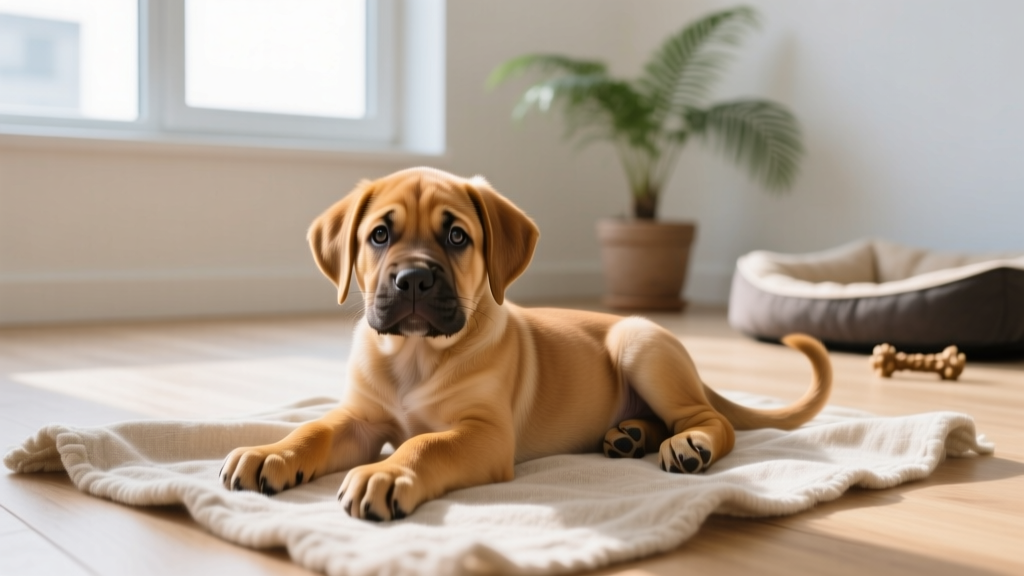
When to Begin Training a Puppy
Learn exactly when to begin training a Labrador Retriever puppy with this week-by-week timeline covering milestones, potty training, feeding, and

When Should You Start Training a Labrador Retriever Puppy?
Labrador Retrievers are among the most trainable breeds in the world — ranked 7th in Stanley Coren's intelligence scale for working and obedience intelligence. But even the smartest Lab pup won't train themselves. The answer to when to begin training a puppy is earlier than most new owners think: structured training starts the moment your Labrador arrives home, typically at 8 weeks of age. Before that, the breeder or rescue has already laid critical groundwork during weeks 4–8.
Labradors present unique training considerations. Their high food motivation makes them exceptionally responsive to treat-based positive reinforcement, but their mouthy nature (they were bred to retrieve game, after all) means nipping and chewing require immediate, consistent management. Their energy and size mean a poorly trained adolescent Lab can become a genuine handling challenge by 6 months.
This guide walks you through every developmental stage with specific timelines, feeding portions, vaccine schedules, and solutions to the problems Labrador owners actually face. All training recommendations follow LIMA (Least Intrusive, Minimally Aversive) and force-free principles endorsed by the American Veterinary Society of Animal Behavior.
Age-Specific Milestones: What to Expect at Every Stage
Weeks 4–8: The Breeder's Window
Before your Lab puppy comes home, they're learning bite inhibition from littermates, beginning to explore solid food, and receiving early neurological stimulation. Reputable breeders introduce crate surfaces, varied textures, and novel sounds during this period. Puppies separated from their mother and littermates before 8 weeks show higher rates of fear-based aggression and separation anxiety, according to research published in the Journal of Veterinary Behavior. Do not bring a Labrador puppy home before 8 weeks unless medically necessary.
Weeks 8–12: Foundation Period
This is when you begin training in earnest. Your Lab puppy can learn: name recognition (within 3–5 days), sit on lure (within 1–2 sessions), crate entry on cue, and basic leash awareness. Expect attention spans of 2–4 minutes per session. Keep sessions to 3–5 minutes, 4–6 times daily. Labs at this age mouth everything — redirect to appropriate chew toys every single time without exception.
Weeks 12–16: Building Reliability
Your Lab should now respond to sit, down, and come in low-distraction environments. Begin adding duration (hold sit for 10 seconds), distance (step away and return), and distraction (practice with mild background noise). Housetraining accidents should decrease to 1–2 per week if you've followed a consistent schedule. The first fear imprint period (8–11 weeks) may be winding down, but watch for sudden skittishness around novel objects.
Weeks 16–24: Adolescent Foundations
This is where Labrador owners often feel their puppy has "forgotten everything." They haven't — they're testing boundaries and experiencing a second fear period (around 6–14 months). Increase training criteria gradually. Introduce place/mat training, loose-leash walking with duration, and impulse control exercises (leave-it, wait at doors). Labs at this age need 45–60 minutes of structured activity daily, split between training, sniffing walks, and controlled play.
Months 6–12: Adolescent Refinement
Your Labrador is approaching physical maturity (adult weight of 55–80 lb / 25–36 kg depending on sex and line). Spaying or neutering typically occurs during this window — consult your veterinarian about optimal timing, as recent research suggests delaying gonadectomy in large breeds until after skeletal maturity may reduce joint disorder risk. Training focus shifts to proofing behaviors in high-distraction environments, recall reliability off-leash (in safe, enclosed areas only), and managing adolescent mouthiness, which often persists in Labs longer than other breeds.
Feeding Schedule: Exact Portions for Your Labrador Puppy
Labradors are notoriously food-motivated and prone to obesity — a genetic mutation in the POMC gene affects approximately 23% of Labs, making them feel perpetually hungry. Controlled feeding from day one is non-negotiable.
| Age | Meals Per Day | Daily Amount (Large-Breed Puppy Kibble) | Calories/Day (Approx.) |
|---|---|---|---|
| 8–12 weeks | 4 meals | 1.5–2 cups total (divided into 4 portions) | 600–800 kcal |
| 12–16 weeks | 3 meals | 2–2.5 cups total | 800–1,000 kcal |
| 4–6 months | 3 meals | 2.5–3.5 cups total | 1,000–1,300 kcal |
| 6–12 months | 2 meals | 3–4 cups total | 1,200–1,500 kcal |
| 12+ months (adult) | 2 meals | 2.5–3.5 cups (maintenance formula) | 1,100–1,400 kcal |
Important: Use a large-breed puppy formula (AAFCO-approved, with calcium content between 1.0–1.8% on a dry matter basis) until 12–15 months. Rapid growth in Labradors increases hip and elbow dysplasia risk. Measure food with a standard 8-oz measuring cup — don't estimate. Adjust portions based on body condition score (BCS): you should feel ribs without pressing hard, and see a visible waist from above.
Potty Training Timeline: Realistic Expectations for Labs
Labrador Retrievers typically achieve reliable housetraining between 4–6 months of age, though some individuals may take until 8 months. "Reliable" means fewer than 1 accident per month. Here's the realistic progression:
- 8–10 weeks: Accidents every 1–2 hours. Take puppy out every 30–45 minutes during active periods, immediately after eating, drinking, playing, and waking.
- 10–14 weeks: Bladder control extends to 1.5–2 hours. Accidents should decrease to 2–4 per week if schedule is consistent.
- 14–20 weeks: 2–3 hour intervals. Puppy begins signaling (sniffing, circling, going to door). 0–2 accidents per week.
- 5–6 months: 3–4 hour intervals during the day. Overnight control of 6–8 hours. Occasional regression during fear periods or routine changes is normal.
Potty Training Log Template (Track for First 4 Weeks)
| Time | Activity | Went Outside? | Accident? (Location) | Reward Given |
|---|---|---|---|---|
| 7:00 AM | Wake up | Yes ✓ | — | Treat + verbal praise |
| 7:45 AM | After breakfast | Yes ✓ | — | Treat + verbal praise |
| 8:30 AM | After play | No | Kitchen rug | Interrupted, carried out |
Tracking reveals patterns. Most Lab puppies have accident-prone windows — identify yours and add an extra outing during those times.
Troubleshooting: If your Lab puppy is having more than 4–5 accidents per week after 12 weeks, evaluate: Are you using an enzymatic cleaner (Nature's Miracle or Rocco & Roxie) to fully eliminate scent? Are you rewarding within 2 seconds of outdoor elimination? Are you supervising 100% of the time (tethered to you or in a playpen)? If yes to all and accidents persist, consult your veterinarian to rule out urinary tract infection.
Socialization Window (Weeks 3–14): Your Lab's Critical Checklist
The American Veterinary Society of Animal Behavior (AVSAB) states that the primary socialization period for puppies closes between 12–14 weeks. Missing this window significantly increases the risk of fear-based behavioral problems later in life. For Labradors — typically a confident, outgoing breed — poor socialization can produce atypical shyness or reactivity that's especially difficult to remediate in a large, powerful dog.
Pre-vaccine safety: You can socialize before your Lab puppy is fully vaccinated. Carry them in a sling or backpack to pet stores, sit on benches outside grocery stores, invite vaccinated dogs to your home. Avoid dog parks, pet store floors, and areas with unknown dog traffic until 1 week after the final puppy vaccine (typically 16–17 weeks).
Vaccination Schedule for Labrador Retriever Puppies
The following schedule follows AVMA and AAHA (American Animal Hospital Association) guidelines. Your veterinarian may adjust based on regional disease prevalence.
| Age | Vaccine(s) | Notes |
|---|---|---|
| 6–8 weeks | DHPP (Distemper, Hepatitis/Adenovirus, Parainfluenza, Parvovirus) — Dose 1 | Often given by breeder. Maternal antibodies may partially interfere. |
| 10–12 weeks | DHPP — Dose 2; Bordetella (optional based on lifestyle) | Required before attending puppy classes at most facilities. |
| 14–16 weeks | DHPP — Dose 3 (final puppy dose); Rabies (12–16 weeks, per state law) | AAHA recommends final DHPP at 16 weeks minimum. Rabies is legally required in all US states. |
| 12 months | DHPP booster; Rabies booster (1-year or 3-year depending on product) | After this, DHPP and Rabies typically move to 3-year intervals. |
Optional/lifestyle vaccines for Labs: Leptospirosis (recommended if your Lab swims in lakes, ponds, or frequents areas with wildlife), Lyme disease (tick-endemic areas), and Canine Influenza (H3N2/H3N8, if boarding or attending doggy daycare). Discuss with your veterinarian based on your specific environment.
Teething Timeline and Relief Strategies
Labrador puppies begin losing deciduous (baby) teeth around 12–16 weeks, with the process typically complete by 6–7 months. Labs are notorious chewers during this period — without appropriate outlets, they will destroy furniture, shoes, and baseboards.
Teething phases:
- 3–4 months: Incisors loosen first. Increased drooling, mild gum bleeding (normal), heightened chewing drive.
- 4–5 months: Canines and premolars erupt. Peak discomfort period. Puppy may eat less or drop food.
- 5–7 months: Adult molars come in. Chewing intensity gradually decreases as teeth fully seat.
Safe chew recommendations by age:
- 8–16 weeks: Kong Classic (puppy rubber, pink/blue), frozen wet washcloth (knotted and soaked in low-sodium chicken broth), Nylabone Puppy Chew (soft formula)
- 4–6 months: Kong Classic (adult red rubber, medium size for Labs), Benebone Wishbone (puppy formula), frozen carrot sticks (supervised), bully sticks (6-inch, supervised, remove when small enough to swallow)
- 6+ months: Kong Extreme (black rubber), West Paw Zogoflex Hurley, Yak cheese chews (supervised)
Crate Training Progression: Time Limits and Steps
Labradors generally adapt well to crates when introduced positively — their den instinct and food motivation work in your favor. The key is never exceeding their bladder capacity or using the crate as punishment.
| Age | Maximum Crate Time (Daytime) | Maximum Overnight | Notes |
|---|---|---|---|
| 8–10 weeks | 1–1.5 hours | 2–3 hours (set alarm) | Crate beside your bed. Expect whining first 3–5 nights. |
| 10–14 weeks | 1.5–2 hours | 3–4 hours | Begin moving crate to permanent location if desired. |
| 14–20 weeks | 2–3 hours | 5–6 hours | Puppy should enter crate willingly for meals and treats. |
| 5–6 months | 3–4 hours | 7–8 hours | Transition to adult-size 42-inch crate (Lab standard). |
| 6+ months | 4–5 hours maximum | 8 hours | Never crate a Lab more than 5 hours during the day. They need movement and mental stimulation. |
Crate training steps for Labs:
- Feed all meals inside the crate with door open for the first week.
- Toss high-value treats (freeze-dried liver, small pieces of chicken) into the crate and let puppy enter and exit freely, 10–15 reps per session.
- Close the door for 30 seconds while puppy eats, then open. Gradually extend to 2 minutes, 5 minutes, 10 minutes over several days.
- Step away from the crate while puppy is inside (start with 30 seconds, build to 5 minutes). Return before puppy shows distress.
- Begin short absences (leaving the room, then the house for 5–10 minutes).
Common Labrador Puppy Problems and Solutions
Mouthing and Nipping
Labs are retrievers — their mouths are their primary tool for exploring the world. Puppy nipping peaks between 8–16 weeks. Solution: Every time teeth touch skin, say "ouch" in a calm, slightly surprised tone, stand up, and redirect to a chew toy. If nipping continues, implement a 30-second timeout (step behind a baby gate, not into the crate — the crate should remain positive). Consistency across all household members is critical. Expect 2–4 weeks of consistent redirection before significant improvement.
Jumping Up
Lab puppies are enthusiastic greeters, and a 40-lb adolescent Lab jumping on guests is no longer cute. Solution: Teach an incompatible behavior — "sit to greet." Practice with family members first: approach puppy, if they sit, reward with attention and treats. If they jump, turn sideways, cross arms, and become boring (no eye contact, no talking). Resume interaction only when all four paws are on the floor. Guests must follow the same protocol.
Counter-Surfing and Food Stealing
That POMC gene mutation means your Lab will be opportunistic about food from day one. Solution: Management first — never leave food within reach, use baby gates to block kitchen access when unsupervised. Train a solid "leave it" cue starting at 10 weeks (place treat in closed fist, mark and reward when puppy stops nosing and looks at you). Practice with increasing difficulty: treat on floor under hand, treat on floor uncovered, treat on low table.
Whining in the Crate
Some whining during the first week is normal — your puppy has never been alone. Solution: Differentiate between protest whining (intermittent, puppy settles if ignored for 5–10 minutes) and distress whining (continuous, escalating, with panting or attempts to escape). For protest whining, wait for 3 seconds of silence before opening the crate or giving attention. For genuine distress, reduce the crate duration, move the crate closer to you, or consult a certified positive-reinforcement trainer.
First-Year Cost Breakdown for a Labrador Retriever
Budgeting realistically prevents surprises. These figures reflect 2026 national averages — costs vary by region.
| Category | Low Estimate | High Estimate | Details |
|---|---|---|---|
| Puppy purchase/adoption | $300 (rescue) | $3,000 (health-tested breeder) | AKC-registered, OFA-tested parents: $1,500–$3,000. Rescue: $200–$500. |
| Veterinary (Year 1) | $800 | $1,800 | 3 puppy vaccine visits, spay/neuter ($400–$900), fecal tests, heartworm prevention, microchip. |
| Food (Year 1) | $500 | $900 | Large-breed puppy formula, transitioning to adult at 12–15 months. Premium brands: $60–$90/bag. |
| Supplies | $300 | $600 | 42-inch crate ($60–$120), leash/harness ($30–$60), food bowls, grooming tools, chew toys, baby gates, enzymatic cleaner. |
| Training | $150 | $600 | Puppy kindergarten ($150–$250 for 6-week course), basic manners class, optional private sessions ($80–$150/session). |
| Preventive medications | $300 | $500 | Monthly heartworm (Heartgard Plus, Interceptor Plus: $60–$120/year), flea/tick (NexGard, Simparica Trio: $180–$300/year). |
| Pet insurance (optional) | $480 | $960 | $40–$80/month for accident/illness coverage. Labs are prone to hip/elbow dysplasia — insurance can offset $3,000–$7,000 surgical costs. |
Total first-year range: $2,830–$8,360, depending on acquisition source, veterinary needs, and insurance choice. Budget at least $4,000 for a responsibly bred Labrador puppy's first year.
Frequently Asked Questions
When should I bring my Labrador puppy home?
Between 8–10 weeks of age. Eight weeks is the widely accepted minimum by the AKC and veterinary behaviorists. Puppies benefit from remaining with littermates through week 8 for bite inhibition and social development. Some breeders of larger breeds like Labs prefer to keep puppies until 9–10 weeks for additional socialization, which is also acceptable.
How often should I feed my Lab puppy at each age?
Four meals daily from 8–12 weeks, three meals from 12 weeks to 6 months, then two meals from 6 months onward. Feed at consistent times (e.g., 7 AM, 12 PM, 5 PM for three meals). Remove uneaten food after 15–20 minutes — this establishes a feeding routine that also aids potty training predictability.
When will my Labrador puppy be fully potty trained?
Most Labs achieve reliable housetraining between 4–6 months, with occasional accidents possible until 8–10 months. "Fully trained" means fewer than one accident per month. Males may take slightly longer than females. Consistency in schedule, supervision, and reward timing matters more than breed intelligence here.
What vaccines does my Lab puppy need and when?
Core vaccines: DHPP at 6–8, 10–12, and 14–16 weeks, with Rabies at 12–16 weeks (timing varies by state law). Lifestyle vaccines your vet may recommend include Bordetella (for classes/boarding), Leptospirosis (outdoor/swimming Labs), and Lyme (tick-endemic regions). Always consult your veterinarian for a schedule tailored to your puppy's risk profile.
How do I stop my Lab puppy from biting and nipping?
Use the redirect-and-timeout method consistently: when teeth touch skin, say "ouch," stand up, offer a chew toy. If nipping persists, take a 30-second timeout behind a baby gate. Never hit, hold the mouth shut, or use alpha rolls — these methods increase fear and can escalate biting. Most Lab puppies show significant improvement within 2–4 weeks of consistent redirection. Puppy kindergarten classes also accelerate bite inhibition through structured play with other puppies.
When can my Lab puppy go outside and meet other dogs?
Your puppy can go outside in controlled, low-risk environments immediately (your yard, carried in a sling to public spaces). Structured play dates with known, fully vaccinated adult dogs are safe from 8 weeks. Puppy classes can begin 7–10 days after the second DHPP vaccine (typically around 12 weeks), per AVSAB guidelines. Avoid dog parks, pet store floors, and high-traffic dog areas until 7 days after the final DHPP at 14–16 weeks. The socialization window closes around 14 weeks — the risk of under-socialization outweighs disease risk in controlled settings.
Always consult your veterinarian for personalized health, vaccination, and nutrition advice for your Labrador Retriever puppy. This guide provides general educational information and does not replace professional veterinary care.
Priya Sutaria
All our authors care for dogs every day — read more of their work on the authors page.