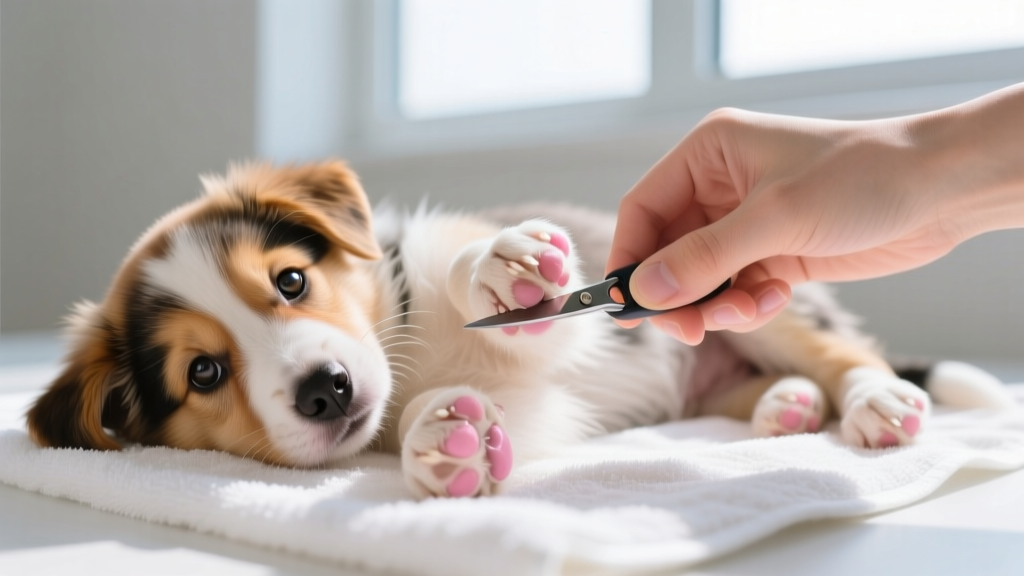
How Often to Feed a Puppy: Complete Week-by-Week Feeding & Care Guide
Learn how often to feed a puppy at every age from 4 weeks to 12 months, plus potty training, vaccination, socialization, and crate schedules.

Bringing Your Puppy Home: When and What to Expect
Most reputable breeders and rescue organizations release puppies between 8 and 10 weeks of age. The American Kennel Club recommends that puppies stay with their littermates and dam until at least 8 weeks — and for smaller breeds like Chihuahuas or Yorkshire Terriers, many responsible breeders wait until 10–12 weeks to ensure stable blood sugar and social development.
Before your puppy crosses your threshold, you should have a feeding station set up with the same food the breeder or foster was using. Sudden diet changes trigger gastrointestinal upset in roughly 60% of puppies, so plan a 7–10 day transition if you're switching brands. Keep a digital kitchen scale on hand — weighing your puppy weekly (same time, same scale) gives you the most reliable growth data and directly informs how often to feed your puppy at each stage.
First-Week Home Checklist:
- Same kibble/food the breeder used (minimum 2 lb bag)
- Shallow stainless-steel bowls (4–6 oz capacity for small breeds, 12–16 oz for large breeds)
- Enzymatic cleaner (Nature's Miracle or Rocco & Roxie — $12–$18 per bottle)
- Crate sized to adult dimensions with a divider panel ($45–$90, MidWest iCrate or Frisco)
- Vet appointment booked within 48 hours of pickup
How Often to Feed a Puppy: Age-by-Age Feeding Schedule
The question of how often to feed a puppy changes as their digestive system matures. Young puppies have tiny stomachs and fast metabolisms — they physically cannot hold enough calories in a single meal to sustain themselves for more than a few hours. Here's the breakdown by developmental stage, based on Merck Veterinary Manual nutrient guidelines and AAFCO growth-stage feeding standards.
Weeks 4–8: Weaning Transition (Breeder/Foster Stage)
At 4 weeks, puppies begin the weaning process. The breeder introduces gruel — a mixture of high-quality puppy kibble soaked in warm water or canine milk replacer (Esbilac, ~$18/can) — offered 4 times daily. By 6 weeks, most puppies are eating moistened kibble independently and nursing less. By 7–8 weeks, they should be fully weaned onto solid puppy food, eating 3–4 measured meals per day.
Weeks 8–12: The 4-Meal Window
This is when most puppies come home, and feeding frequency is at its peak. Offer 4 meals per day, spaced roughly 4 hours apart (e.g., 7 AM, 11 AM, 3 PM, 7 PM). Toy and small breeds (under 15 lb expected adult weight) are at risk of hypoglycemia and may need an additional mid-afternoon snack or a scheduled 5th micro-meal.
| Expected Adult Weight | Daily Food (cups)* | Meals/Day | Calories/Day (approx.) |
|---|---|---|---|
| 5–15 lb (toy/small) | ½ – 1 cup | 4 | 200–400 kcal |
| 15–40 lb (medium) | 1 – 1¾ cups | 4 | 400–650 kcal |
| 40–75 lb (large) | 1¾ – 3 cups | 4 | 650–1,000 kcal |
| 75–120+ lb (giant) | 3 – 4½ cups | 4 | 1,000–1,400 kcal |
*Cup measurements assume a standard puppy kibble at ~400 kcal/cup (e.g., Purina Pro Plan Puppy, Royal Canin Puppy, Hill's Science Diet Puppy). Always check your specific food's caloric density and adjust. The guaranteed analysis on the bag and AAFCO statement should confirm "formulated for growth/all life stages."
Weeks 12–16: Dropping to 3 Meals
At 12 weeks, you can consolidate to 3 meals per day (morning, midday, early evening). This aligns with improved stomach capacity and more predictable energy patterns. Total daily volume increases slightly, but each meal becomes larger. If your puppy seems sluggish between meals or leaves food uneaten at dinner, they may not be ready — push the transition back by a week or two.
| Expected Adult Weight | Daily Food (cups) | Meals/Day | Calories/Day (approx.) |
|---|---|---|---|
| 5–15 lb | ¾ – 1¼ cups | 3 | 250–500 kcal |
| 15–40 lb | 1¼ – 2¼ cups | 3 | 500–800 kcal |
| 40–75 lb | 2¼ – 3¾ cups | 3 | 800–1,250 kcal |
| 75–120+ lb | 3¾ – 5½ cups | 3 | 1,250–1,700 kcal |
Weeks 16–24 (4–6 Months): Transitioning to 2 Meals
Between 16 and 24 weeks, most puppies can shift to 2 meals per day — typically breakfast around 7 AM and dinner around 6 PM. Large and giant breeds (Great Danes, Mastiffs, Saint Bernards) benefit from staying on 3 meals slightly longer to reduce bloat risk and maintain steady growth rates. The goal is to keep growth curves gradual, not explosive.
| Expected Adult Weight | Daily Food (cups) | Meals/Day | Calories/Day (approx.) |
|---|---|---|---|
| 5–15 lb | ¾ – 1½ cups | 2 | 300–550 kcal |
| 15–40 lb | 1½ – 3 cups | 2 | 600–1,000 kcal |
| 40–75 lb | 2¾ – 4½ cups | 2–3 | 1,000–1,500 kcal |
| 75–120+ lb | 4½ – 7 cups | 2–3 | 1,500–2,200 kcal |
6–12 Months: Approaching Adult Portions
By 6 months, your puppy is eating 2 meals daily and will remain on this schedule for life. Small breeds reach near-adult caloric needs by 8–9 months; large breeds continue growing (and eating) until 12–18 months. Transition from puppy food to adult food typically occurs at 10–12 months for small breeds and 14–18 months for large/giant breeds. Always transition over 7–10 days, mixing increasing ratios of the new food.
Vaccination Schedule: Protecting Your Puppy Week by Week
Your puppy's immune system is immature at birth. Maternal antibodies from colostrum provide temporary protection, but they wane unpredictably between 6 and 16 weeks. The vaccination protocol below, aligned with AAHA/AVMA canine vaccination guidelines, closes that immunity gap.
| Age | Vaccine(s) | Notes |
|---|---|---|
| 6–8 weeks | DHPP (Distemper, Hepatitis/Adenovirus, Parainfluenza, Parvovirus) — 1st dose | Often given by breeder/shelter before pickup |
| 10–12 weeks | DHPP — 2nd dose; Bordetella (kennel cough); Leptospirosis (risk-area dependent) | First vet visit if not done at 6–8 wks |
| 14–16 weeks | DHPP — 3rd (final) dose; Rabies (required by law in all US states) | Maternal antibodies should be cleared by this point |
| 12–16 months | DHPP booster; Rabies booster; Bordetella booster (if boarding/grooming) | Establishes long-term immunity |
Non-core vaccines your vet may recommend based on lifestyle and geography: Lyme disease (tick-endemic areas, Northeast/Upper Midwest), Canine Influenza H3N2/H3N8 (boarding/daycare dogs), Leptospirosis (urban and rural dogs with wildlife exposure). Each non-core vaccine adds $25–$45 per dose to your vet bill.
Mild lethargy and soreness for 24–48 hours is normal. Contact your vet immediately if you observe: facial swelling, hives, vomiting/diarrhea within 2 hours of vaccination, collapse, or difficulty breathing. Anaphylactic reactions are rare (approximately 1 in 15,000 doses per AVMA data) but require emergency treatment.
The Critical Socialization Window: Weeks 3–14
Canine behavioral research consistently identifies weeks 3 through 14 as the primary socialization period — a neurological window during which novel experiences are filed as "normal" rather than "threatening." After 14 weeks, puppies become increasingly cautious, and desensitization to missed stimuli takes significantly more time and effort.
This creates a tension with the vaccination schedule: your puppy is most socially receptive before they're fully vaccinated. The American Veterinary Society of Animal Behavior (AVSAB) recommends structured, low-risk socialization beginning as early as 7–8 weeks — carried environments, controlled exposures, and avoiding high-risk areas like dog park grounds until the final DHPP dose at 14–16 weeks.
Socialization Exposure Checklist
- ☐ Different flooring surfaces: tile, hardwood, gravel, grass, metal grate
- ☐ Hat-wearing humans, bearded humans, humans in sunglasses
- ☐ Children (supervised, calm) — at least 5 different children by week 10
- ☐ Household sounds: vacuum, blender, doorbell, thunderstorm recordings (start at low volume)
- ☐ Car rides — minimum 3 short trips (5–10 min) to pleasant destinations
- ☐ Handling exercises: paw touching, ear inspection, mouth opening, tail lifting
- ☐ Fully vaccinated adult dogs in known-clean environments (friends' homes)
- ☐ Puppy kindergarten class (requires at least 1st DHPP; verify class hygiene protocol)
- ☐ Different dog breeds/sizes seen at a distance (positive reinforcement for calm looking)
- ☐ Umbrellas opening, balloons, plastic bags blowing — novel moving objects
- ☐ Sitting on a bench watching traffic (cars, buses, bicycles, skateboards)
- ☐ Outdoor café/patio visit (leashed, mat training)
- ☐ Pet-friendly store walk-through (Home Depot, Lowe's — check store policy)
- ☐ Grooming table exposure (stand on elevated surface, accept handling)
- ☐ Meet at least 20 unique people total by end of week 14
- ☐ Brief separation practice (leave puppy with trusted person for 15–30 min)
For each exposure, pair the novel stimulus with high-value treats (boiled chicken, freeze-dried liver, cheese). If your puppy shows fear — tucked tail, whale eye, freezing, or trying to flee — increase distance immediately and let them observe from a comfortable range. Never force interaction. The goal is positive emotional associations, not "flooding."
Potty Training Timeline: Realistic Expectations and Troubleshooting
Let's set expectations clearly: most puppies are not reliably house-trained until 4–6 months of age, and some small breeds (Chihuahuas, Dachshunds, Pomeranians) take 8–12 months due to smaller bladder capacity and higher metabolic rates. Any program promising full potty training in days is misleading.
The physiological rule of thumb: a puppy can hold their bladder for approximately one hour per month of age, plus one. So a 3-month-old puppy can hold for roughly 4 hours — but that's a maximum, not a comfortable target. During active training, take them out far more frequently.
| Age | Outdoor Trip Frequency | Key Cues to Watch |
|---|---|---|
| 8–10 weeks | Every 30–60 minutes during waking hours; after every meal, nap, and play session | Circling, sniffing floor, sudden stillness, whining near door |
| 10–14 weeks | Every 1–2 hours; always after meals (within 15–30 min) | Going to the door, scratching, pacing |
| 14–20 weeks | Every 2–3 hours; overnight stretch of 4–5 hours possible | Reliable door signaling developing |
| 5–6 months | Every 3–4 hours; overnight stretch of 6–8 hours | Self-initiation should be consistent |
| 6–12 months | Every 4–6 hours (adult schedule) | Full reliability expected by 6–8 months for most breeds |
Troubleshooting Common Potty Training Setbacks
Regression at 4–5 months: Extremely common. Hormonal changes, teething discomfort, and testing boundaries all contribute. Return to higher-frequency outdoor trips and reinforce heavily with treats. Do not punish — punishment creates fear of eliminating in front of you, which makes the problem worse.
Submissive/excitement urination: This is not a house-training failure. It's an involuntary response to social stimulation, common in puppies under 12 months. Greet your puppy calmly, crouch sideways rather than looming over them, and take them outside immediately after arrivals. Most outgrow this by 12–18 months.
Marking behavior (6–12 months): As puppies approach sexual maturity, leg-lifting and scent-marking can emerge even in house-trained dogs. Spaying/neuter reduces marking in approximately 60–70% of dogs (per AVMA behavioral data). Consistent redirection to outdoor elimination and management (belly bands for males indoors during the training phase) help bridge the gap.
Crate Training Progression: Building Positive Associations
A crate is your puppy's den — a safe, enclosed space that leverages their natural instinct to keep a sleeping area clean. When introduced correctly, most puppies accept the crate within 1–2 weeks. The key is gradual progression and never using the crate as punishment.
| Age | Max Daytime Crate Time | Max Overnight Crate Time |
|---|---|---|
| 8–10 weeks | 1–2 hours | 3–4 hours (set alarm for potty break) |
| 10–14 weeks | 2–3 hours | 4–5 hours |
| 14–20 weeks | 3–4 hours | 5–6 hours |
| 5–6 months | 4–5 hours | 7–8 hours |
| 6+ months | 5–6 hours (with midday break) | 8 hours |
Week 1 protocol: Leave the crate door open. Toss high-value treats (Kong stuffed with frozen peanut butter and kibble, ~$12–$15 for a small Kong Classic) inside. Feed meals inside the crate with the door open. Let your puppy nap inside voluntarily.
Week 2: Close the door during meals, open immediately after. Begin 5-minute closed-door sessions while you're in the room. Gradually extend to 15 minutes, then 30 minutes, then leave the room for brief periods.
Whining protocol: If your puppy whines in the crate at night, take them out on leash for a boring, no-play potty trip. If they eliminate, reward calmly and return to crate. If they don't eliminate within 3–5 minutes, return to crate — they were seeking attention, not a bathroom break. Consistency here is everything.
Teething Timeline and Relief Strategies (3–6 Months)
Puppies have 28 deciduous (baby) teeth that begin erupting at 3–4 weeks and are fully in by 6–8 weeks. Starting around 12–16 weeks, those baby teeth begin loosening as 42 permanent adult teeth push through. The teething process peaks between 4 and 6 months and is usually complete by 7 months.
Signs your puppy is teething: increased chewing, drooling, mild gum bleeding, reluctance to eat hard kibble, finding small teeth on the floor (many puppies swallow them — this is harmless).
Safe Chew Recommendations by Stage
- 12–16 weeks (early teething): Frozen damp washcloth twisted into a rope; rubber puppy teething rings (Nylabone Puppy Chew, ~$6–$8); chilled (not frozen solid) carrot sticks
- 16–24 weeks (peak chewing): Kong Classic (frozen with yogurt/kibble mixture); Benebone Puppy (wishbone shape, ~$13–$16); bully sticks (6-inch, ~$4–$6 each — supervise to prevent choking on small end pieces)
- 5–7 months (final eruption): Introduce harder chews gradually — Earth Animal No-Hide chews, yak cheese chews (Himalayan Dog Chew, ~$12–$18 for a multi-pack). Avoid antlers, hooves, and cooked bones at any age — these fracture puppy teeth and adult teeth alike.
Common Puppy Problems and How to Solve Them
Puppy Biting and Nipping
Mouthing is normal canine behavior — puppies explore the world with their mouths, and littermates teach bite inhibition through yelping feedback. When your puppy bites your hand, the most effective strategy is redirect and reward:
- When teeth touch skin, say "ouch" in a calm, flat tone (not a high-pitched yelp, which can excite some puppies further).
- Immediately offer an appropriate chew toy.
- When they bite the toy instead, praise and continue play.
- If biting continues after 2–3 redirections, end the play session — stand up, cross your arms, and ignore for 15–30 seconds. This teaches that biting ends fun.
Bite inhibition typically improves significantly by 16–20 weeks if you're consistent. Never use physical punishment, alpha rolls, or muzzle-holding — these methods increase fear-based aggression and damage your relationship with your puppy.
Destructive Chewing
Puppies chew for three reasons: teething pain, boredom, and environmental exploration. Management is more effective than correction:
- Puppy-proof your home: shoes in closets, cords behind furniture, remote controls off coffee tables
- Provide a rotation of 5–7 approved chew toys — novelty prevents boredom
- Use bitter apple spray (Grannick's Bitter Apple, ~$9–$12) on furniture legs and baseboards as a deterrent
- Ensure adequate physical exercise (age-appropriate: 5 minutes of structured walk per month of age, twice daily) and mental enrichment (snuffle mats, food puzzles, training sessions)
Nighttime Whining and Separation Anxiety
The first 2–3 nights home are typically the hardest. Your puppy has been separated from their litter for the first time. Place the crate near your bed initially so they can hear and smell you. A Snuggle Puppy with heartbeat simulator (~$30–$40) and a warm blanket can ease the transition.
Gradually move the crate to its permanent location over 1–2 weeks. Practice short departures (5 minutes, 15 minutes, 30 minutes) during the day so your puppy learns that you always return. If whining escalates to panic-level distress (non-stop vocalization for 30+ minutes, self-injury, excessive drooling), consult your veterinarian — early intervention with a certified trainer or veterinary behaviorist prevents chronic separation anxiety.
First-Year Cost Breakdown: Budgeting for Your Puppy
New puppy owners consistently underestimate first-year costs. Here's a realistic breakdown based on 2026 pricing across US metropolitan and suburban areas:
| Category | Low Estimate | Mid Estimate | High Estimate |
|---|---|---|---|
| Puppy purchase/adoption fee | $200 (shelter) | $1,500 (responsible breeder) | $3,500+ (specialty breed) |
| Veterinary (vaccines, spay/neuter, wellness exams, fecal tests) | $600 | $1,200 | $2,000 (complications/illness) |
| Food (puppy formula, 12 months) | $300 | $600 | $1,000 (large/giant breed) |
| Supplies (crate, bed, bowls, leash/harness, toys, gates) | $250 | $450 | $700 |
| Training (puppy kindergarten, basic obedience) | $150 (group class) | $400 (group + private) | $1,200 (board-and-train) |
| Grooming (if applicable — Poodles, Doodles, long-coat breeds) | $0 (home care) | $500 (monthly pro groom) | $1,000+ (every 4–6 weeks) |
| Pet insurance (optional but recommended) | $360 ($30/mo) | $600 ($50/mo) | $960 ($80/mo) |
| Emergency fund reserve | $300 | $500 | $1,500+ |
| Total First-Year Range | $2,160 | $5,750 | $11,860+ |
These numbers don't include the puppy purchase price for breeder-sourced dogs in the total, as that varies enormously. A well-bred Labrador Retriever from health-tested parents typically costs $1,500–$3,000; a French Bulldog from a reputable breeder can range from $3,000–$6,000+. Shelter adoption fees ($150–$400) typically include initial vaccines, spay/neuter, and microchip — a significant value.
When Can My Puppy Go Outside and Meet Other Dogs?
This is one of the most common questions new puppy owners ask, and the answer balances disease risk against socialization urgency:
- Immediately (8+ weeks): Carry your puppy outside in your arms, in a sling, or in a stroller. Let them observe the world from a safe, elevated position. Your backyard (if fenced and not frequented by unknown dogs) is safe for ground exploration.
- After 1st DHPP (typically 7–8 weeks): Puppy kindergarten classes with verified vaccination requirements are generally considered safe by veterinary behaviorists. Avoid dog parks entirely.
- After 2nd DHPP (10–12 weeks): Brief, controlled playdates with fully vaccinated, known-healthy adult dogs in clean environments.
- After final DHPP (14–16 weeks + 2 weeks): Full outdoor access, dog parks (though many trainers recommend avoiding dog parks due to unpredictable dog behavior), hiking trails, and public spaces.
The 2-week buffer after the final vaccine allows the immune system to mount full protective antibody levels. Until then, the parvovirus risk is real — parvo survives in soil for up to 7 years and has a mortality rate of 80–100% in unvaccinated puppies without aggressive treatment.
Frequently Asked Questions
How often should I feed my puppy at 8 weeks old?
At 8 weeks, feed your puppy 4 meals per day, spaced approximately 4 hours apart. Toy and small breeds may need a 5th micro-meal to prevent hypoglycemia. Total daily food volume depends on the kibble's caloric density and your puppy's expected adult size — refer to the feeding tables above and your food's package guidelines as a starting point, then adjust based on body condition score.
When will my puppy sleep through the night?
Most puppies can sleep 6–8 hours overnight by 14–16 weeks (3.5–4 months). Before that, expect at least one overnight potty break. Set an alarm rather than waiting for whining — proactive trips prevent the whining-to-attention association. Keep overnight potty trips boring: leash on, outside, eliminate, back to crate, no play.
How do I stop my puppy from biting everything?
Combine management with redirection. Puppy-proof your home to limit access to tempting items. Provide 5–7 rotating chew toys of different textures. When your puppy mouths inappropriate items, redirect to an approved chew and praise the correct choice. Ensure adequate exercise and mental stimulation — an under-stimulated puppy chews more. Teething-related chewing peaks at 4–5 months and declines as adult teeth fully erupt by 7 months.
Should I free-feed my puppy?
No. Free-feeding (leaving food out all day) makes it impossible to monitor appetite changes — often the first sign of illness — and contributes to rapid growth in large breeds, increasing the risk of developmental orthopedic diseases like hip dysplasia. Measured meals at scheduled times also support potty training, since puppies typically need to eliminate 15–30 minutes after eating.
My puppy won't eat — should I be worried?
A single skipped meal in an otherwise active, playful puppy is usually not an emergency. However, if your puppy refuses 2+ consecutive meals, shows lethargy, vomiting, or diarrhea, contact your veterinarian promptly. Puppies — especially toy breeds — have limited glycogen reserves and can develop hypoglycemia within 12–24 hours of not eating. Stress from a new environment, recent vaccination, or food change can temporarily suppress appetite.
Disclaimer: This guide provides general educational information. Every puppy is an individual with unique health needs. Always consult your veterinarian for personalized feeding, vaccination, and care recommendations specific to your puppy's breed, size, and health status.
Tom Renshaw
All our authors care for dogs every day — read more of their work on the authors page.