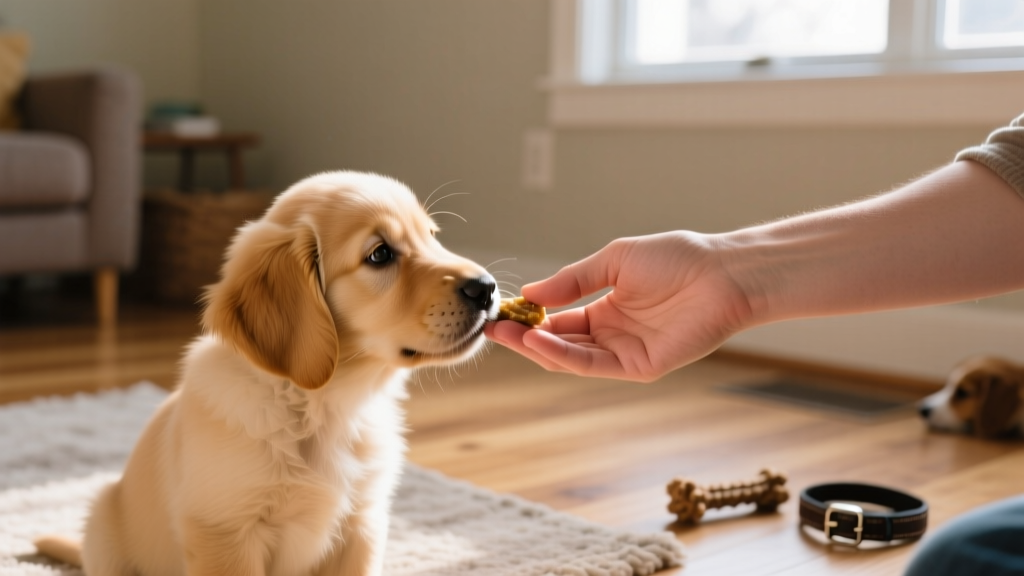
Westmoreland Terrier Puppies: Complete First-Year Care & Milestone Guide
Everything you need to raise Westmoreland Terrier puppies: age-specific milestones, feeding schedules, potty training timelines, vaccination plans, and first-year costs.

If you've just committed to bringing home one of the Westmoreland Terrier puppies from a breeder or rescue, congratulations are in order — and so is a serious preparation checklist. This compact but spirited terrier cross (typically a blend of Jack Russell Terrier and West Highland White Terrier lineage) packs a surprising amount of energy, intelligence, and stubbornness into a 12-to-18-pound frame. Raising one successfully means understanding not just general puppy development, but the specific quirks that terrier genetics bring to every stage of growth.
This guide walks you through the first twelve months with your Westmoreland Terrier puppy — week by week, month by month — with concrete feeding amounts, training timelines, vaccination schedules, and the real costs you should budget for. Every recommendation here reflects current veterinary guidance from sources like the AVMA and the AKC, combined with practical insights from terrier-experienced owners and trainers.
When Should You Bring Your Westmoreland Terrier Puppy Home?
The ideal window for bringing your puppy home is between 8 and 10 weeks of age. While some breeders may release puppies at 7 weeks, the AKC recommends waiting until at least 8 weeks so the puppy has completed critical litter-socialization — learning bite inhibition, canine communication signals, and basic hierarchy from their mother and littermates.
For Westmoreland Terrier puppies specifically, waiting until 9 or 10 weeks can actually be advantageous. Terrier breeds tend to develop independence and confidence early, and the extra week or two with littermates helps moderate the bold, sometimes overly assertive temperament that can make terrier puppies challenging for first-time owners.
- Weight: approximately 3–5 lb (1.4–2.3 kg)
- Should have received at least one DHPP vaccination
- Should have been dewormed at minimum twice (at 2, 4, and often 6 weeks)
- Should be eating solid kibble (3–4 meals per day)
- Should show curiosity and willingness to approach people
Westmoreland Terrier Puppy Milestones: Weeks 4 Through 12 Months
Understanding what's developmentally normal at each stage prevents unnecessary panic and helps you set realistic expectations. Terrier breeds mature slightly faster in terms of alertness and independence, but slower in impulse control — a combination that makes the timeline below essential reading.
Weeks 4–8: The Litter Phase (Breeder's Care)
During this period, your puppy is still with their breeder. Eyes and ears are fully open, baby teeth are erupting, and the puppy is learning to eat solid food. Social play with littermates peaks around week 6. The breeder should be introducing novel surfaces, sounds, and gentle human handling. This is also when the first DHPP vaccine is typically administered (around week 6).
Weeks 8–12: The Adjustment Window
This is your puppy's transition into your home. Expect significant sleep (18–20 hours per day is normal), frequent potty accidents, and intense mouthing behavior. Your Westmoreland Terrier puppy will begin to bond strongly with family members and may show early signs of the breed's characteristic wariness toward strangers. Keep visitors calm and low-key during the first two weeks.
Weeks 12–16: Confidence and Testing
Energy levels surge. Your puppy will start testing boundaries — ignoring recall, stealing items, and escalating playful biting. This is the ideal window to begin structured positive-reinforcement training sessions (5 minutes, 2–3 times daily). Fear periods may occur around weeks 12–14; your puppy may suddenly seem startled by previously familiar objects or sounds. Respond with calm reassurance, never force exposure.
Weeks 16–24: The Adolescent Shift
Adult teeth begin replacing baby teeth around 16 weeks. Your puppy's adult personality starts to emerge — Westmoreland Terrier puppies typically become noticeably more vocal (alert barking) and may develop strong opinions about other dogs. Prey drive intensifies; squirrels, cats, and even blowing leaves become fascinating targets. Spay/neuter is typically discussed with your vet during this window.
Months 6–12: Approaching Maturity
Physical growth slows but doesn't stop. Most Westmoreland Terriers reach their full adult height by 9–10 months, though they continue filling out until 12–14 months. Behavioral maturity lags behind physical maturity — expect continued impulsivity and occasional regression in training. Consistency during this phase pays enormous dividends in adulthood.
Feeding Schedule: Exact Portions by Age and Weight
Westmoreland Terrier puppies are small but high-energy, requiring calorie-dense, AAFCO-certified puppy food formulated for small breeds. Look for a product where a named animal protein (chicken, lamb, or salmon) is the first ingredient and the guaranteed analysis shows a minimum of 22% protein and 8% fat for growth.
| Age | Estimated Weight | Meals Per Day | Total Daily Amount | Per-Meal Portion |
|---|---|---|---|---|
| 8–12 weeks | 3–5 lb (1.4–2.3 kg) | 4 | ¾ to 1 cup | ~3–4 Tbsp per meal |
| 12–16 weeks | 5–8 lb (2.3–3.6 kg) | 3 | 1 to 1¼ cups | ~⅓ to ½ cup per meal |
| 16–24 weeks | 8–12 lb (3.6–5.4 kg) | 3 | 1¼ to 1½ cups | ~½ cup per meal |
| 6–9 months | 12–15 lb (5.4–6.8 kg) | 2 | 1 to 1¼ cups | ½ to ⅝ cup per meal |
| 9–12 months | 14–18 lb (6.4–8.2 kg) | 2 | ¾ to 1 cup (transition to adult food) | ⅜ to ½ cup per meal |
Transitioning foods: When switching from the breeder's food to your chosen brand, mix 25% new / 75% old on day 1, increasing the new food by 25% every 2–3 days over 7–10 days. Sudden transitions commonly cause diarrhea in terrier puppies, whose digestive systems tend to be sensitive.
Water: Fresh water should be available at all times. A general guideline is approximately 1 ounce of water per pound of body weight per day, but active puppies and those eating dry kibble will drink more. Remove water 2 hours before bedtime to support overnight potty training.
Vaccination Schedule for Westmoreland Terrier Puppies
Your puppy's immune system is immature at 8 weeks, making a precise vaccination timeline critical. The AVMA and the American Animal Hospital Association (AAHA) recommend the following core vaccine protocol for puppies:
| Age | Vaccine | Notes |
|---|---|---|
| 6–8 weeks | DHPP (Distemper, Hepatitis/Adenovirus, Parainfluenza, Parvovirus) — 1st dose | Usually administered by the breeder or rescue before pickup |
| 10–12 weeks | DHPP — 2nd dose; Bordetella (optional but recommended) | First vet visit after coming home; Bordetella protects against kennel cough |
| 14–16 weeks | DHPP — 3rd (final puppy) dose; Rabies (required by law) | Full immunity against core diseases is not established until 2 weeks after this final dose |
| 12–16 months | DHPP booster; Rabies booster | Establishes long-term immunity; subsequent boosters every 1–3 years per local regulations |
Your puppy is NOT fully protected until approximately 2 weeks after the final DHPP dose at 14–16 weeks — meaning roughly 16–18 weeks of age. Until then:
- Avoid dog parks, pet store floors, and any area where unknown dogs have been
- Socialization walks should be in low-traffic, controlled environments
- Puppy playdates with fully vaccinated, known-healthy dogs in private yards are acceptable
- Carrying your puppy through public areas for exposure is safe and encouraged
Non-core vaccines to discuss with your vet: Depending on your region and lifestyle, your veterinarian may recommend Leptospirosis, Lyme disease, or Canine Influenza vaccines. Terrier breeds that spend significant time outdoors in wooded or rural areas are higher-candidates for Lyme vaccination.
Socialization Window: Weeks 3–14 Exposure Checklist
The primary socialization window for puppies closes around 14 weeks — earlier than many owners realize. The Merck Veterinary Manual describes this period as the time when puppies form lasting associations with novel stimuli. Miss it, and your Westmoreland Terrier's natural terrier wariness can harden into genuine fear-based reactivity.
Because your puppy won't be fully vaccinated during much of this window, you must balance exposure with disease risk. Carry your puppy, use a stroller or sling, and socialize in controlled environments.
- Surfaces: Grass, gravel, sand, wet pavement, metal grates, stairs (carpet and wood)
- Sounds: Vacuum cleaner, doorbell, thunder (use recordings at low volume), traffic, children yelling, clapping
- People: Men with beards, people wearing hats/sunglasses, children under 10, tall individuals, people using mobility aids
- Handling: Paw touching, ear inspection, mouth opening, tail handling, nail clipping practice, being held on side
- Objects: Umbrellas opening, plastic bags rustling, bicycles, skateboards, trash cans, car engines starting
- Other animals: Fully vaccinated adult dogs (calm temperament), cats (supervised), livestock if rural
- Environments: Car rides, veterinary waiting room (carry in), friend's house, outdoor café patio, elevator
Rule of thumb: Pair every new experience with high-value treats (small pieces of boiled chicken or freeze-dried liver). If your puppy shows fear, increase distance and let them observe without pressure. Never force interaction.
Potty Training Timeline and Troubleshooting
Westmoreland Terrier puppies are intelligent but can be willful — a combination that makes potty training a test of your consistency more than their ability. Here's what a realistic timeline looks like:
| Age | Expected Progress | Accident Frequency |
|---|---|---|
| 8–10 weeks | Learning the concept of "outside = potty" | Multiple accidents daily are normal |
| 10–14 weeks | Beginning to signal (sniffing, circling, heading to door) | 1–2 accidents per day |
| 14–20 weeks | Reliable signaling; longer bladder control developing | 1–2 accidents per week |
| 20–28 weeks | Mostly reliable with scheduled outings | Occasional accident (illness, excitement, schedule disruption) |
| 6–12 months | Fully trained if consistency maintained | Rare; regressions possible during adolescence |
Key strategies that work for terrier puppies:
- Take your puppy out on a strict schedule: immediately after waking, after every meal, after play sessions, and before bedtime. For an 8–12 week old puppy, that means outings every 1–2 hours during the day.
- Use a consistent cue word: Say "go potty" or your chosen phrase while they're in the act. Terriers respond well to verbal markers paired with treats.
- Supervise or confine: When you cannot watch your puppy, they should be in their crate or a small puppy-proofed pen. Unsupervised roaming is the #1 cause of prolonged potty training.
- Clean accidents with enzymatic cleaner: Standard household cleaners leave urine proteins that attract repeat soiling. Use a product specifically labeled as enzymatic (e.g., Nature's Miracle or Rocco & Roxie).
When to be concerned: If your puppy is having accidents more frequently than the timeline above suggests, or seems to strain, cry, or produce very small amounts of urine frequently, consult your veterinarian. Urinary tract infections are relatively common in small-breed puppies and require antibiotic treatment.
Crate Training Progression and Time Limits
Crate training serves dual purposes for Westmoreland Terrier puppies: it accelerates potty training (dogs instinctively avoid soiling their sleeping space) and provides a safe retreat when the household gets chaotic — something a terrier genuinely needs given their sensitivity to overstimulation.
| Age | Maximum Daytime Crate Time | Overnight Expectation |
|---|---|---|
| 8–10 weeks | 1–2 hours | 3–4 hours (set an alarm for a nighttime potty break) |
| 10–14 weeks | 2–3 hours | 4–5 hours |
| 14–18 weeks | 3–4 hours | 5–6 hours |
| 18–24 weeks | 4–5 hours | 6–7 hours |
| 6–12 months | 5–6 hours | 7–8 hours |
Crate size: Choose a crate sized for your puppy's expected adult dimensions (approximately 24 inches long for most Westmoreland Terriers) with a divider panel to adjust the interior space as they grow. The puppy should be able to stand, turn around, and lie down comfortably — but excess space allows them to designate one corner as a bathroom.
Building positive associations: Feed meals in the crate with the door open. Provide a stuffed Kong or long-lasting chew toy only when crated. Never use the crate as punishment. If your puppy whines, wait for a brief pause in vocalization before opening the door — opening during active whining reinforces the behavior.
Teething Timeline and Relief Strategies
Westmoreland Terrier puppies begin losing their 28 baby teeth around 14–16 weeks, with the process continuing through approximately 6 months as 42 adult teeth erupt. During this period, expect increased chewing, drooling, mild gum bleeding (pink-tinged chew toys are normal), and occasional reluctance to eat hard kibble.
Safe relief options:
- Frozen wet washcloth: Soak a clean washcloth in water, twist, freeze, and offer under supervision. The cold numbs gums and the texture satisfies chewing urges.
- Rubber teething toys: Products like the KONG Puppy (pink or blue rubber, sized Small) can be stuffed with a smear of puppy-safe peanut butter (xylitol-free — always check the label) and frozen.
- Chilled carrot sticks: A safe, edible option that provides crunch and cold. Supervise to prevent choking on large pieces.
- Nylabone Puppy Chew (flexible formula): Designed specifically for baby teeth; avoid adult-formula Nylabones which are too hard for developing jaws.
- Rawhide (choking and intestinal blockage risk)
- Antlers, hooves, or weight-bearing bones (tooth fracture risk in small breeds)
- Cooked bones of any kind (splintering hazard)
- Children's toys or shoes (teaches that personal items are acceptable chew targets)
Common Westmoreland Terrier Puppy Problems and Solutions
Every breed has its characteristic puppy challenges. Terrier genetics bring a specific set of behaviors that, while normal, require targeted management.
Puppy Biting and Nipping
Westmoreland Terrier puppies are notoriously mouthy — more so than many breeds. Their terrier heritage means they were literally bred to grab and hold prey, so mouthing is deeply ingrained. Expect this behavior to peak between 10 and 16 weeks.
What works:
- When teeth touch skin, say "ouch" in a calm, firm tone and immediately withdraw attention for 10–15 seconds (stand up, cross arms, look away).
- Redirect to an appropriate chew toy the moment you re-engage.
- Ensure your puppy is getting adequate physical exercise (15–20 minutes of structured play, twice daily) and mental stimulation (snuffle mats, training sessions). Overtired and understimulated puppies bite more.
- Enforce mandatory nap times in the crate — puppies who are awake for more than 2 hours straight become dysregulated and bite harder.
What does NOT work: Holding the muzzle shut, yelping loudly (often excites terriers further), alpha rolls, or any physical punishment. These methods damage trust and can escalate aggression. Positive reinforcement and time-outs are the evidence-based standard.
Excessive Whining and Crying
Newly homed Westmoreland Terrier puppies commonly vocalize, especially at night and when crated. This is normal separation distress and typically improves significantly within 7–14 days if handled consistently.
Strategy: Place the crate near your bed for the first 1–2 weeks so your puppy can hear and smell you. A Snuggle Puppy (a plush toy with a heartbeat simulator) can ease the transition. If whining occurs after a recent potty break and you're confident they're not in distress, wait for a 5–10 second pause before offering quiet reassurance. Reward silence, not noise.
Destructive Chewing
Terrier puppies explore the world with their mouths, and their powerful jaws can do surprising damage. Puppy-proof your home by removing accessible shoes, cords, remote controls, and small objects. Provide a rotating selection of 4–5 approved chew toys so novelty doesn't wear off. If you catch your puppy chewing something inappropriate, redirect calmly to an approved toy and praise enthusiastically when they accept it.
First-Year Cost Breakdown for Westmoreland Terrier Puppies
Budgeting accurately prevents unpleasant surprises. The costs below reflect 2026 national averages for a small-breed puppy in the United States. Regional variation can shift these figures by 20–30% in either direction.
| Category | Estimated Cost | Details |
|---|---|---|
| Puppy purchase/adoption | $800–$2,500 (breeder) or $200–$500 (rescue) | Responsible breeders health-test parents and provide early socialization; rescues often include initial vetting |
| Veterinary care (first year) | $500–$900 | Includes 3 wellness visits, DHPP series, rabies vaccine, fecal tests, deworming, heartworm prevention, spay/neuter ($300–$600) |
| Food | $300–$480 | High-quality small-breed puppy food ($25–$40/month); transition to adult food around 10–12 months |
| Supplies (initial) | $200–$350 | Crate ($40–$70), bed, leash/harness, bowls, puppy gate, enzymatic cleaner, toys, grooming tools |
| Training | $150–$400 | Group puppy class ($150–$250 for 6-week course); private sessions if needed ($75–$150/session) |
| Pet insurance | $360–$600/year | $30–$50/month; recommended for terrier breeds prone to hereditary conditions |
| Grooming | $200–$500 | Professional grooming every 6–8 weeks ($35–$60/session) if coat is maintained in a longer clip |
| Flea/tick/heartworm prevention | $150–$250 | Year-round prevention recommended in most U.S. regions |
Total estimated first-year cost: $2,660–$5,980 (including puppy purchase from a breeder). Ongoing annual costs after the first year typically range from $1,200–$2,200 for food, preventive care, insurance, and grooming.
Frequently Asked Questions About Westmoreland Terrier Puppies
How often should I feed my Westmoreland Terrier puppy at 10 weeks old?
At 10 weeks, feed 4 meals per day, spaced approximately 4–5 hours apart during waking hours. A typical schedule: 7:00 AM, 11:30 AM, 4:00 PM, and 7:30 PM. Total daily food should be approximately ¾ to 1 cup of high-quality small-breed puppy kibble, divided equally across meals.
When will my Westmoreland Terrier puppy be fully potty trained?
Most Westmoreland Terrier puppies achieve reliable house training between 5 and 7 months of age, assuming consistent scheduling and supervision. Some individuals — particularly males — may take until 8–9 months. If your puppy is not showing steady improvement by 5 months, consult your veterinarian to rule out medical causes and consider working with a certified positive-reinforcement trainer.
How do I stop my Westmoreland Terrier puppy from biting my hands?
Redirect every instance of skin contact to an appropriate toy. When teeth touch skin, calmly say "ouch," withdraw attention for 10–15 seconds, then re-engage with a toy. Ensure your puppy is getting 2 short training sessions daily and adequate nap time (puppies need 18–20 hours of sleep). Biting that breaks skin or persists beyond 6 months warrants a professional trainer consultation.
When can my puppy go to the dog park?
Not until at least 2 weeks after the final DHPP vaccination — typically around 16–18 weeks of age. Even then, dog parks carry behavioral risks for young terriers, who may be overwhelmed by larger dogs or develop reactive habits. Structured puppy playgroups with size-matched, vaccinated peers are a safer socialization option through the first year.
What vaccines does my Westmoreland Terrier puppy need?
Core vaccines include the DHPP series (3 doses at 6–8, 10–12, and 14–16 weeks) and Rabies (at 14–16 weeks). Non-core vaccines your vet may recommend based on lifestyle and geography include Bordetella, Leptospirosis, Lyme disease, and Canine Influenza. See the vaccination table above for the complete schedule.
My puppy won't stop whining in the crate at night — what should I do?
Move the crate to your bedroom if it isn't already. Take your puppy out for a potty break right before bed and set one alarm for 3–4 hours later for a second nighttime outing. If whining continues after a potty break, wait for a pause in vocalization before offering calm verbal reassurance. Most puppies adjust within 7–14 nights. Persistent distress beyond 3 weeks may indicate separation anxiety — consult your veterinarian.
- ASPCA Animal Poison Control: (888) 426-4435 (24/7, consultation fee applies) — call immediately if your puppy ingests anything potentially toxic
- Pet Poison Helpline: (855) 764-7661
- Your emergency vet clinic: Save the number and address in your phone before bringing your puppy home
Beth Carrasco
All our authors care for dogs every day — read more of their work on the authors page.