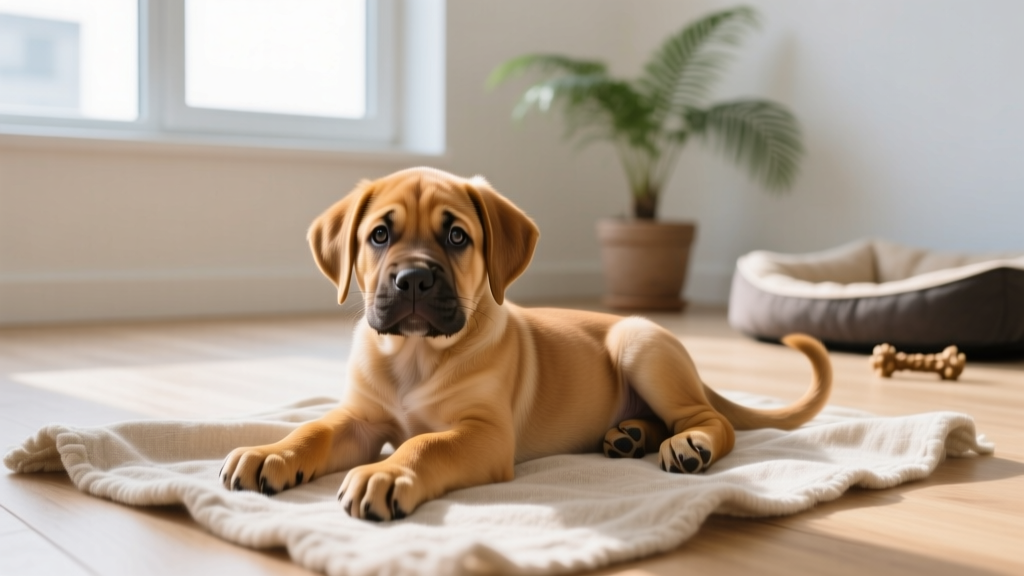
Swiss Mountain Puppy: Week-by-Week Care & Training Guide
Complete Swiss Mountain puppy guide covering feeding schedules, vaccination timelines, potty training, socialization, and first-year costs for Greater Swiss Mountain Dogs.

Bringing Your Swiss Mountain Puppy Home: What to Expect
The Greater Swiss Mountain Dog — affectionately called the "Swissy" — is a large, slow-maturing working breed that demands a carefully structured puppyhood. Unlike smaller breeds that reach adulthood by 12 months, a Swiss Mountain puppy won't fully mature until 2 to 3 years of age. That extended puppy phase means you'll spend more time managing rapid growth phases, joint-protection protocols, and large-breed nutritional requirements than you would with most dogs.
If you're searching for a Swiss Mountain puppy, you're likely looking at spending $1,800 to $3,500 from a reputable AKC-registered breeder who performs OFA hip, elbow, and shoulder evaluations, plus screening for gastric dilatation-volvulus (GDV) risk and epilepsy. Adoption through Greater Swiss Mountain Dog Rescue or similar breed-specific organizations typically costs $400 to $700 and may place you with an older puppy or young adult.
This guide walks you through every developmental stage — from the moment you pick up your 8-week-old Swissy to the end of their first year — with specific feeding portions, vaccination timing, training benchmarks, and cost projections.
Age-Specific Milestones: Your Swiss Mountain Puppy Timeline
Swiss Mountain Dogs grow rapidly in their first six months, gaining roughly 3 to 5 pounds per week during peak growth spurts. Here's what to expect at each stage:
Weeks 4–8: The Breeder's Window
At 4 weeks, your Swiss Mountain puppy should be transitioning from mother's milk to a gruel of large-breed puppy kibble soaked in warm water (approximately 1 part kibble to 2 parts water). By 6 weeks, puppies are eating soft food independently and beginning early socialization with littermates. A responsible breeder will introduce novel surfaces (tarps, wobble boards, metal grates), household sounds, and gentle handling exercises during this period.
Expected weight at 8 weeks: 15–22 lb (7–10 kg). Puppies should receive their first DHPP vaccine at 6–8 weeks before leaving the breeder.
Weeks 8–12: The Transition Home
This is when you bring your Swiss Mountain puppy home. Expect 14–18 hours of sleep per day, frequent potty breaks (every 1–2 hours while awake), and the beginning of bite inhibition training. Your puppy's brain is highly receptive to new experiences, but their immune system is still developing — avoid public dog areas until vaccinations are complete.
Expected weight at 12 weeks: 30–45 lb (14–20 kg). You'll notice significant leg lengthening and occasional clumsiness as growth plates remain open.
Weeks 12–16: Confidence Building
Your Swissy will start showing breed-typical traits: alertness to strangers, a tendency to lean against family members, and early guarding instincts (watching the door, barking at deliveries). This is the prime window for structured puppy kindergarten classes and continued socialization. Teething discomfort begins around 14–16 weeks as baby incisors loosen.
Expected weight at 16 weeks: 45–65 lb (20–29 kg).
Weeks 16–24: The Adolescent Growth Spurt
This is the most physically dramatic phase. Your Swiss Mountain puppy will gain 5–8 pounds per month and may experience growing pains (panosteitis), which presents as shifting-leg lameness lasting 2–5 days. Males typically begin lifting their leg to urinate around 5–6 months. Energy levels increase, but structured exercise should remain limited to protect developing joints.
Expected weight at 6 months: 65–90 lb (29–41 kg) for males, 55–75 lb (25–34 kg) for females.
Months 6–12: The Teenage Phase
Growth slows but doesn't stop — your Swissy will continue filling out in chest and muscle mass through 24–30 months. Behavioral regression is common around 8–10 months: previously reliable recall may deteriorate, and counter-surfing becomes a serious concern given the breed's height and food motivation. Spaying or neutering is typically discussed with your vet around 6–9 months, though many Swissy breeders recommend waiting until 12–18 months to allow growth plate closure.
Expected weight at 12 months: 85–115 lb (39–52 kg) for males, 70–95 lb (32–43 kg) for females.
Feeding Your Swiss Mountain Puppy: Schedule and Portions
Large-breed puppy nutrition is non-negotiable for Swiss Mountain Dogs. You must feed a food specifically labeled as "large breed puppy" formula — these contain controlled calcium (1.0–1.8% on a dry matter basis) and phosphorus ratios that prevent developmental orthopedic diseases like hypertrophic osteodystrophy (HOD) and osteochondritis dissecans (OCD). The AKC recommends foods meeting AAFCO guidelines for large-breed growth.
Look for a large-breed puppy food where the first ingredient is a named animal protein (chicken, lamb, or salmon), with guaranteed analysis showing 22–26% protein and 12–16% fat on a dry matter basis. Caloric density should be moderate — approximately 350–400 kcal per cup — to prevent excessive growth rate.
| Age | Weight Range | Meals/Day | Approx. Cups/Day (Large-Breed Puppy Formula) | Notes |
|---|---|---|---|---|
| 8–12 weeks | 15–45 lb (7–20 kg) | 3–4 | 2.5–4 cups | Soften kibble with warm water through 10 weeks |
| 12–16 weeks | 30–65 lb (14–29 kg) | 3 | 3.5–5 cups | Transition to dry kibble; monitor body condition score |
| 4–6 months | 45–90 lb (20–41 kg) | 2–3 | 4–6 cups | Reduce to 2 meals by 6 months |
| 6–9 months | 65–110 lb (29–50 kg) | 2 | 5–7 cups | Ribs should be easily felt but not visible |
| 9–12 months | 75–120 lb (34–54 kg) | 2 | 5–8 cups | Begin transition to adult large-breed formula at 12 months |
How often should I feed my puppy at each age? At 8–12 weeks, feed 3–4 meals per day spaced evenly (e.g., 7 AM, 12 PM, 5 PM, 9 PM). At 12–16 weeks, reduce to 3 meals. By 6 months, most Swiss Mountain puppies do well on 2 meals daily — morning and evening. Never free-feed a Swissy; this breed will overeat, and excess weight accelerates joint damage during growth.
Recommended brands for large-breed puppies (2026): Purina Pro Plan Large Breed Puppy, Royal Canin Giant Puppy, Hill's Science Diet Large Breed Puppy, and Fromm Gold Large Breed Puppy. Expect to spend $55–$90 per 30-lb bag, which lasts approximately 2–3 weeks during peak growth months.
Vaccination Schedule for Your Swiss Mountain Puppy
The AVMA and the American Animal Hospital Association (AAHA) recommend the following core vaccination protocol for puppies. Your Swiss Mountain puppy's large size does not change vaccine timing, but your vet may discuss titer testing as an alternative to booster doses later in life.
| Age | Vaccine | Details |
|---|---|---|
| 6–8 weeks | DHPP (Distemper, Hepatitis/Adenovirus, Parainfluenza, Parvovirus) — 1st dose | Typically given by the breeder before pickup |
| 10–12 weeks | DHPP — 2nd dose; Bordetella (optional based on lifestyle) | Bordetella recommended if attending puppy classes or boarding |
| 14–16 weeks | DHPP — 3rd dose; Rabies (required by law in most US states) | Final DHPP dose must be given at or after 16 weeks for adequate immunity |
| 12–16 months | DHPP booster; Rabies booster (1-year or 3-year depending on local law) | After this, DHPP is typically boostered every 3 years |
Non-core vaccines to discuss with your vet: Leptospirosis (recommended if you hike or live near standing water), Lyme disease (tick-endemic areas), and Canine Influenza (H3N2/H3N8, recommended for dogs in boarding or daycare). These are typically started at 12 weeks with a booster 2–4 weeks later.
When can my puppy go outside and meet other dogs? Your Swiss Mountain puppy should avoid high-traffic dog areas (dog parks, pet store floors, public trails with heavy dog traffic) until 7 days after the final DHPP dose at 14–16 weeks — typically around 17 weeks of age. However, controlled exposure to fully vaccinated, healthy adult dogs in private yards is safe and beneficial starting at 8–10 weeks. Puppy kindergarten classes that require proof of at least one DHPP dose and Bordetella vaccination are generally considered safe from 10 weeks onward, per the American Veterinary Society of Animal Behavior position statement on early socialization.
The Socialization Window: Weeks 3–14
The primary socialization period for all puppies closes between 12 and 14 weeks of age. For a large working breed like the Greater Swiss Mountain Dog — which can weigh over 100 lb as an adult — early socialization is critical. An under-socialized Swissy can become difficult to manage on leash, reactive to strangers, or anxious in novel environments. You have a narrow window to build a confident, well-adjusted dog.
When should I bring my puppy home? The ideal age is 8 to 10 weeks. Puppies removed before 8 weeks miss essential littermate bite-inhibition learning. Puppies kept by breeders past 12 weeks without a robust socialization program may enter the fear imprinting period (8–11 weeks) without adequate novel exposure, which can have lasting behavioral consequences.
Your Swiss Mountain Puppy Socialization Checklist
Aim to expose your puppy to at least 5–10 new experiences per week during the 8–14 week window. Keep every exposure positive — pair new stimuli with high-value treats (boiled chicken, cheese, commercial training treats). If your puppy shows fear, increase distance and let them observe before approaching.
- Surfaces: Grass, gravel, metal grates, wet pavement, sand, tarps, wobble boards, stairs (carpeted and hardwood)
- People: Children (supervised), people wearing hats/sunglasses, people using umbrellas, delivery workers, people in wheelchairs or using crutches, people of different ethnicities and body types
- Animals: Fully vaccinated adult dogs (calm temperament), cats (if household has them), livestock (if accessible — Swissies were originally farm dogs)
- Sounds: Thunderstorm recordings (played at low volume, gradually increased), vacuum cleaner, doorbell, car horns, construction noise, fireworks recordings
- Handling: Nail trims (introduce grinder or clippers without cutting first), ear inspection, mouth opening, paw handling, being lifted and placed on grooming tables, wearing a harness and collar
- Environments: Car rides (start with 5-minute trips), veterinary clinic (happy visits with treats, no procedures), outdoor café patios, parking lots, schoolyards (observing from a distance)
- Objects: Bicycles, skateboards, strollers, trash cans, automatic doors, elevators
Potty Training Your Swiss Mountain Puppy
When will my puppy be fully potty trained? Most Swiss Mountain puppies achieve reliable house training between 4 and 6 months of age, though some males take until 8 months. The breed's large bladder capacity is actually an advantage — they can physically hold longer than small breeds — but their adolescent stubbornness can slow consistency. Here's a realistic timeline:
| Age | Maximum Hold Time (Awake) | Maximum Hold Time (Crate/Sleep) | Expected Accidents/Week |
|---|---|---|---|
| 8–10 weeks | 30–45 minutes | 2–3 hours overnight | 3–5 |
| 10–14 weeks | 1–1.5 hours | 3–4 hours overnight | 1–3 |
| 14–20 weeks | 2–3 hours | 5–6 hours overnight | 0–2 |
| 5–6 months | 3–4 hours | 7–8 hours overnight | 0–1 |
| 7–12 months | 5–6 hours | 8–10 hours overnight | 0 (occasional marking in intact males) |
Potty training troubleshooting for Swiss Mountain Dogs:
- Submissive/excited urination: Common in Swissy puppies when greeting. Turn sideways, avoid direct eye contact, and greet calmly. Do not punish — this is involuntary.
- Regression at 6–8 months: Adolescent males may begin scent-marking indoors. Increase supervision, interrupt with a neutral "oops" and redirect outside. Neutering discussion with your vet is appropriate at this point if marking persists.
- Not signaling to go out: Teach a door bell ring. Hang a bell at nose height, reward any bell contact with immediate outdoor access. Most Swissies learn this in 5–10 days.
Crate Training, Teething, and Common Puppy Problems
Crate Training Progression
Use a 48-inch or 54-inch wire crate for an adult Swiss Mountain Dog, but use the included divider panel to limit space during puppyhood — the crate should be just large enough for your puppy to stand, turn around, and lie down. Excess space encourages soiling one end and sleeping in the other.
| Age | Maximum Daytime Crate Time | Overight Crate Time |
|---|---|---|
| 8–10 weeks | 30–60 minutes | 2–3 hours (expect overnight potty break) |
| 10–14 weeks | 1–2 hours | 3–4 hours |
| 14–20 weeks | 2–3 hours | 5–6 hours |
| 5–8 months | 3–4 hours | 7–8 hours |
| 9–12 months | 4–5 hours | 8–10 hours |
Feed meals in the crate with the door open, provide a stuffed Kong or chew item, and never use the crate as punishment. Swiss Mountain Dogs are velcro dogs — they want to be near you. Place the crate in a common area so they don't feel isolated.
Teething Timeline (3–6 Months)
Your Swiss Mountain puppy will begin losing baby teeth around 12–16 weeks, starting with incisors. Canines and premolars follow between 4–6 months. By 6–7 months, all 42 adult teeth should be in place. During this period, expect increased chewing, drooling, and occasional blood on chew toys.
Safe chew recommendations for teething Swissy puppies:
- Benebone Wishbone (puppy formula, medium or large) — $14–$18
- Kong Classic (large, red rubber) stuffed with frozen peanut butter and banana — $15–$20
- Nylabone Power Chew (large, textured) — $8–$12
- Frozen washcloth twisted into a rope (supervised only, remove if pieces tear off)
- Carrots (whole, raw, chilled) — inexpensive and safe
Avoid: Rawhide (choking and blockage risk), cooked bones (splintering), antlers (tooth fractures in young dogs with softer developing teeth), and any chew smaller than your puppy's muzzle width.
Common Swiss Mountain Puppy Problems and Solutions
How do I stop puppy biting and nipping? Swiss Mountain puppies are mouthy — the breed was developed for draft work and herding, and they use their mouths to interact. Nipping peaks between 8 and 16 weeks. Use these force-free strategies:
- Redirect: When teeth touch skin, say "oops" calmly, withdraw attention for 5–10 seconds, then offer a chew toy. Resume play when they chew the toy.
- Reverse time-out: If nipping continues after 2 redirects, YOU leave the area for 30 seconds. The puppy learns that biting ends fun.
- Satisfy the need: Provide 2–3 structured chew sessions per day with approved items. A puppy with adequate chewing outlets nips less.
- Never hold the mouth shut, alpha roll, or use physical punishment. These methods increase fear-based biting and damage trust.
Whining in the crate: Distinguish between protest whining (stops when you ignore it for 5–10 minutes) and potty whining (escalating, restless). If you suspect a potty need, take them out on leash, allow 5 minutes, then return to crate. Avoid letting them out while actively whining, which reinforces the behavior.
Destructive chewing: A bored Swiss Mountain puppy will destroy baseboards, shoes, and furniture. Provide a minimum of 3 approved chew items rotated daily, ensure 30–45 minutes of structured exercise per day (short walks, training sessions, puzzle toys), and puppy-proof rooms with bitter apple spray on tempting surfaces.
First-Year Cost Breakdown for a Swiss Mountain Puppy
Budgeting realistically prevents sticker shock. Swiss Mountain Dogs are expensive to raise due to their size — everything from food to medication to supplies costs more for a 100-lb dog than a 30-lb dog.
| Category | Low Estimate | Mid Estimate | High Estimate |
|---|---|---|---|
| Puppy purchase (breeder) or adoption fee | $400 (rescue) | $2,500 | $3,500 |
| Veterinary care (vaccines, spay/neuter, wellness exams, fecal tests, heartworm prevention) | $800 | $1,200 | $2,000 |
| Food (large-breed puppy formula, 12 months) | $700 | $1,000 | $1,400 |
| Supplies (crate, bed, harness, leash, bowls, gates, toys) | $300 | $500 | $800 |
| Training (puppy kindergarten + basic obedience) | $200 | $400 | $800 |
| Pet insurance (annual premium, accident + illness) | $600 | $900 | $1,400 |
| Grooming (Swissies are low-maintenance but need nail trims, occasional baths) | $100 | $200 | $400 |
| Emergency fund / unexpected vet visits | $0 | $500 | $2,000 |
| Total First Year | $3,100 | $7,200 | $12,300 |
Where costs vary most: Spaying a large-breed female at a specialty hospital can cost $600–$1,200 compared to $300–$500 at a general practice. Pet insurance premiums for a Swiss Mountain puppy in 2026 range from $50–$120/month depending on deductible, reimbursement level, and location. Given the breed's predisposition to hip dysplasia, elbow dysplasia, and GDV (bloat), insurance purchased during puppyhood — before any pre-existing conditions develop — is financially prudent.
Frequently Asked Questions About Swiss Mountain Puppies
When should I bring my Swiss Mountain puppy home?
The ideal age is 8 to 10 weeks. This allows the puppy to complete critical littermate socialization and receive at least one DHPP vaccine while still entering your home early enough to maximize the socialization window (which closes around 14 weeks). Some breeders keep puppies until 10–12 weeks for additional evaluation — this is fine if the breeder has a structured socialization and enrichment program.
How much exercise does a Swiss Mountain puppy need?
Follow the 5-minutes-per-month-of-age rule for structured walks: a 4-month-old gets roughly 20 minutes of leash walking per day, split into two sessions. Free play in a fenced yard is unlimited. Avoid forced running, jogging, or repetitive jumping (agility, fetch on hard surfaces) until growth plates close at 18–24 months. The Merck Veterinary Manual notes that excessive exercise during growth increases osteochondrosis risk in large breeds.
Are Swiss Mountain puppies good with children?
Yes, with supervision. Swissies are generally gentle and patient, but a 50-lb puppy can accidentally knock over a toddler during play. Teach children not to pull ears or tail, not to approach the puppy while eating, and to participate in training sessions (treat delivery, basic cues). Always supervise interactions between puppies and children under 10.
When will my Swiss Mountain puppy stop growing?
Height growth typically slows significantly by 12–15 months, but Swissies continue filling out in chest width, muscle mass, and head breadth until 24–30 months. Males are noticeably slower to mature than females. Final adult weight for males is typically 105–140 lb (48–64 kg) and for females 85–110 lb (39–50 kg), per the AKC breed standard.
What health screenings should the breeder have done?
Responsible Greater Swiss Mountain Dog breeders perform OFA or PennHIP hip evaluations, OFA elbow evaluations, and OFA shoulder evaluations on both parents. They should also screen for epilepsy (family history review) and discuss GDV risk. Ask for documentation of all health clearances before committing to a puppy. The Greater Swiss Mountain Dog Club of America maintains a list of recommended health tests.
How do I handle puppy biting that breaks skin?
If a puppy bite breaks skin, clean the wound immediately with soap and water. This is normal puppy behavior, not aggression, but it signals that your puppy needs more structured bite inhibition work. Increase redirect frequency, ensure adequate chew outlets, and consider a force-free puppy training class. If biting escalates to growling or snapping with intent (not just mouthing), consult a certified professional dog trainer (CPDT-KA) or veterinary behaviorist promptly.
Anouk Beaumont
All our authors care for dogs every day — read more of their work on the authors page.