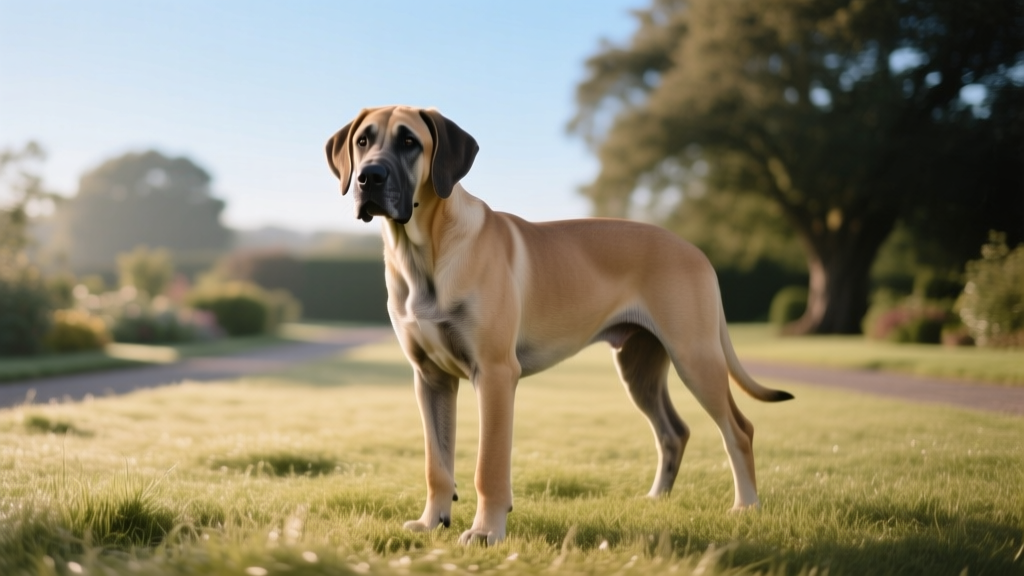
Treeing Tennessee Brindle Puppy: Complete Growth & Care Guide
Raising a Treeing Tennessee Brindle puppy? This guide covers milestones, feeding, potty training, vaccines, socialization, and first-year costs.

The Treeing Tennessee Brindle is a rugged, versatile coonhound with a nose for game and a heart for family life. Raising a Treeing Tennessee Brindle puppy means preparing for a high-energy, scent-driven dog that matures slowly and demands patient, consistent guidance. This guide maps every critical stage from the moment you bring your puppy home through adolescence, giving you the exact timelines, portions, and strategies you need.
Adult Weight: 30–50 lb (14–23 kg)
Adult Height: 18–24 in (46–61 cm) at the shoulder
Lifespan: 10–12 years
Coat: Short, brindle-patterned, low-maintenance
Energy Level: High (60–90 minutes structured exercise daily as an adult)
AKC Status: Foundation Stock Service (not yet fully recognized)
Primary Registry: United Kennel Club (UKC)
When Should I Bring My Treeing Tennessee Brindle Puppy Home?
Responsible Treeing Tennessee Brindle breeders typically release puppies between 8 and 10 weeks of age. While some working-dog breeders hold puppies until 10–12 weeks to begin early scent exposure, most pet homes receive their puppy at 8 weeks. Do not accept a puppy younger than 8 weeks — the litter-mate socialization period (weeks 5–8) is critical for bite inhibition and canine communication skills.
Before pickup, confirm the breeder has completed:
- First deworming (typically at 2, 4, and 6 weeks)
- Initial DHPP vaccine at 6–8 weeks
- Introduction to crate or confined sleeping area
- Early neurological stimulation (ENS) or Puppy Culture protocols
- Health guarantee covering congenital conditions for at least 12 months
Age-Specific Milestones: What to Expect Each Stage
Weeks 4–8 (Still With Breeder)
Your puppy is learning bite inhibition from littermates, beginning to eat gruel/kibble softened with water, and developing coordination. The breeder should expose the puppy to varied surfaces (grass, gravel, tile), novel sounds, and gentle handling by multiple people. Eyes and ears are fully open; deciduous (baby) teeth are erupted.
Weeks 8–12 (Home Transition)
This is the primary socialization window and a fear-imprint-sensitive period. Your puppy will bond rapidly with your household but may startle easily at loud noises or unfamiliar objects. Expect 18–20 hours of sleep per day. House-training begins immediately. Crate tolerance is built in short increments. Baby teeth are sharp — nipping peaks during this stage.
Weeks 12–16 (Foundation Training)
Attention span lengthens to 5–10 minutes per session. Your Treeing Tennessee Brindle puppy can learn sit, down, recall (in low-distraction settings), and leash walking basics. Bladder capacity increases to roughly 2–3 hours during the day. The second and third DHPP boosters are administered. Fear periods may occur around 12–14 weeks — avoid forcing interactions the puppy resists.
Weeks 16–24 (Adolescent Onset)
Teething begins around 16 weeks and continues through 6 months. Chewing intensity surges. Your puppy's scent-drive instincts emerge — you may notice nose-to-ground tracking on walks, interest in wildlife, and vocalization (baying). Recall becomes harder as environmental distractions increase. Spay/neuter is typically scheduled around 6 months for this medium-sized breed (consult your veterinarian for individual timing).
Months 6–12 (Adolescence)
Expect testing of boundaries, selective hearing, and continued physical growth. Most Treeing Tennessee Brindles reach near-adult height by 10–12 months but continue filling out musically until 18–24 months. Energy is high; structured outlets (scent work, barn hunt introductions, long-line hiking) prevent destructive boredom. Potty training should be reliable by 6–7 months if consistency was maintained.
Feeding Schedule: Portions by Age and Weight
Treeing Tennessee Brindles are athletic, lean dogs. Overfeeding during growth can stress developing joints. Feed a large-breed puppy formula (AAFCO-approved for growth/all life stages) to moderate growth rate. Target a body condition score (BCS) of 4–5/9 where ribs are easily felt but not visible.
| Age | Meals Per Day | Daily Amount (Estimated Puppy Weight) | Notes |
|---|---|---|---|
| 8–12 weeks | 4 meals | 1.5–2 cups/day (8–15 lb / 4–7 kg) | Soften kibble with warm water if needed |
| 12–16 weeks | 3 meals | 2–2.5 cups/day (15–25 lb / 7–11 kg) | Transition to dry kibble |
| 4–6 months | 3 meals | 2.5–3.5 cups/day (25–35 lb / 11–16 kg) | Monitor BCS; adjust ±0.5 cup as needed |
| 6–12 months | 2 meals | 3–4 cups/day (35–50 lb / 16–23 kg) | Transition to adult food at 10–12 months |
Portions are estimates based on a typical 3,500–4,000 kcal/kg large-breed puppy kibble (e.g., Purina Pro Plan Large Breed Puppy, Royal Canin Large Puppy). Always adjust based on your individual puppy's body condition and activity level. Consult your veterinarian if you are unsure about portion sizing.
Vaccination Schedule for Your Treeing Tennessee Brindle Puppy
Follow the AVMA-recommended core vaccination protocol. Your breeder should provide documentation of the first DHPP given at 6–8 weeks.
| Age | Vaccine(s) | Notes |
|---|---|---|
| 6–8 weeks | DHPP (Distemper, Hepatitis/Adenovirus, Parainfluenza, Parvovirus) | Typically given by breeder |
| 10–12 weeks | DHPP booster, Bordetella (optional, recommended if attending puppy class) | Bordetella can be intranasal or injectable |
| 14–16 weeks | DHPP final booster, Rabies (required by law in most US states) | Rabies given at 12–16 weeks depending on state law |
| 12–16 months | DHPP booster, Rabies booster (1-year or 3-year depending on product) | Discuss Lyme and Leptospirosis with your vet based on local risk |
Until your puppy has received the final DHPP booster at 14–16 weeks plus 5–7 days for immune response, avoid high-traffic dog areas (dog parks, pet stores, communal grass areas). You can carry your puppy in a sling or stroller for environmental exposure, and arrange playdates with known, fully-vaccinated adult dogs in private yards. Puppy kindergarten classes that require proof of vaccination are generally considered safe per the American Veterinary Society of Animal Behavior (AVSAB) position statement on early socialization.
Socialization Window (Weeks 3–14): Exposure Checklist
The primary socialization period closes around 14 weeks of age. For a scent-hound breed like the Treeing Tennessee Brindle, early exposure to diverse stimuli prevents the hyper-focus and reactivity that under-socialized hounds often develop.
- ☐ Walked on 5+ surfaces (grass, gravel, sand, tile, metal grate)
- ☐ Met 10+ unfamiliar people (different ages, genders, clothing styles, hats, uniforms)
- ☐ Heard 10+ novel sounds (vacuum, thunderstorm recording, doorbell, traffic, power tools) — at low volume first, paired with treats
- ☐ Seen 5+ other animal species at a distance (cats, horses, livestock, wildlife) — reward calm observation, never chase
- ☐ Handled: paws touched, ears examined, mouth opened, tail gently lifted — daily
- ☐ Ridden in a car (minimum 5 short trips, not just to the vet)
- ☐ Played with 3+ known, vaccinated, dog-friendly dogs
- ☐ Experienced being gently restrained (for grooming, nail trims, vet exams)
- ☐ Encountered children (supervised, calm interactions only — never unsupervised)
- ☐ Explored a wooded or field environment on a long line (breed-relevant scent exposure)
Potty Training Timeline and Realistic Expectations
Treeing Tennessee Brindles are intelligent but easily distracted by scent. Potty training takes longer than with biddable breeds like Border Collies. Set realistic milestones:
| Age | Bladder Capacity | Outing Frequency | Accident Expectation |
|---|---|---|---|
| 8–12 weeks | 30–60 minutes | Every 30–60 min during the day; every 2–3 hours overnight | Multiple daily accidents are normal |
| 12–16 weeks | 1.5–2 hours | Every 1–2 hours; after every meal, nap, and play session | 1–2 accidents per week is typical |
| 4–6 months | 3–4 hours | Every 2–3 hours during the day; overnight stretch of 6–7 hours | Rare accidents; signal (door-scratching, whining) emerges |
| 6–8 months | 5–6 hours | Every 3–4 hours; overnight stretch of 8 hours | Reliable with consistent routine; regression possible during adolescence |
When will my puppy be fully potty trained? Most Treeing Tennessee Brindle puppies achieve reliable house training between 6 and 7 months with strict consistency. Some individuals, particularly males, may take until 9–10 months. If accidents increase suddenly after a period of success, rule out a urinary tract infection with your veterinarian before assuming a training setback.
Troubleshooting tips:
- Use an enzymatic cleaner (Nature's Miracle or Rocco & Roxie) on every accident — ammonia-based cleaners attract re-soiling.
- Never punish accidents found after the fact; your puppy cannot connect the punishment to the event.
- If your puppy sniffs and circles indoors without eliminating outside first, interrupt calmly with "oops" and carry outside immediately.
- For scent-driven puppies that get distracted outside, take them to the same "potty spot" on leash each time and use a consistent cue word.
Crate Training Progression and Time Limits
A crate is essential for house training and safe confinement. Choose a wire or plastic crate sized for your puppy's expected adult dimensions (36-inch crate with a divider panel works well for most Treeing Tennessee Brindles).
| Age | Maximum Crate Time (Daytime) | Overnight Crate Time |
|---|---|---|
| 8–10 weeks | 30–60 minutes | 2–3 hours (set alarm for potty break) |
| 10–14 weeks | 1–2 hours | 3–4 hours |
| 14–16 weeks | 2–3 hours | 5–6 hours |
| 4–6 months | 3–4 hours | 7–8 hours |
| 6+ months | 4–5 hours max | 8–9 hours |
Whining in the crate: Distinguish between protest whining (brief, intermittent — ignore) and distress/potty whining (escalating, frantic — take out immediately on leash, no play). To reduce protest whining, feed meals in the crate, provide a frozen Kong stuffed with peanut butter (xylitol-free), and practice short departures without fanfare.
Teething Timeline and Safe Chew Strategies
Deciduous teeth begin shedding around 14–16 weeks and adult teeth are fully erupted by 6–7 months. Your Treeing Tennessee Brindle puppy will chew intensely during this window, and their powerful hound jaws can destroy inappropriate items quickly.
Safe chew recommendations by stage:
- 8–16 weeks: Soft rubber toys (Kong Puppy, Nylabone Puppy), frozen wet washcloths (twist and freeze), bully sticks (supervised, remove when small enough to swallow).
- 16 weeks–6 months: Medium-density rubber (Kong Classic, GoughNuts Ring), dental chews sized appropriately (Whimzees Teenies for puppies under 20 lb, regular for larger), frozen carrot sticks.
- Avoid: Rawhide (choking/intestinal blockage risk), cooked bones (splinter hazard), antlers and weight-bearing bones from large animals (tooth fracture risk in young dogs), any toy smaller than your puppy's fist.
Common Puppy Problems and Breed-Specific Solutions
Puppy Biting and Nipping
How do I stop puppy biting/nipping? Treeing Tennessee Brindle puppies use their mouths to explore, and their game-drive instincts make them mouthy. Use this protocol:
- Redirect: When teeth touch skin, say "oops" calmly and offer an appropriate chew toy. Reward chewing the toy with praise.
- Time-out: If biting continues after 2 redirects, stand up and leave the play area for 15–30 seconds (removing attention). Return and resume.
- Bite inhibition: Allow gentle mouthing (no pressure). If you feel pressure, yelp or say "ouch" and freeze — most puppies will release. Reward the release.
- Manage arousal: Biting spikes when puppies are overtired. If your puppy won't stop biting, they likely need a nap — crate them with a chew for enforced rest.
Never hold the muzzle shut, alpha-roll, or use physical punishment. These methods increase fear and can escalate to defensive biting.
Destructive Chewing
Hound puppies left unsupervised will follow their noses into trouble. Puppy-proof your home: use baby gates, remove shoes and cords from floor level, and provide a rotation of 4–5 approved chew toys to maintain novelty. A tired puppy is a well-behaved puppy — ensure 30–45 minutes of structured activity (training, sniffing games, leash walks) spread across the day for puppies under 6 months.
Vocalization and Baying
Treeing Tennessee Brindles are vocal by nature — baying, howling, and "talking" are breed traits, not problems to eliminate. However, demand-barking for attention can be shaped. Ignore demand vocalization entirely (no eye contact, no verbal response). Reward quiet moments with treats dropped silently. Teach a "quiet" cue by marking and rewarding the pause between barks.
Leash Pulling
Scent hounds pull toward interesting smells. Start leash training early with a front-clip harness (Rabbitgoo No-Pull or similar). When the leash goes tight, stop walking. Resume only when the leash is slack. Pair this with high-value treats (freeze-dried liver, boiled chicken) delivered at your leg to reinforce the "sweet spot" position. Consistency over weeks — not days — produces results with this breed.
First-Year Cost Breakdown
| Category | Estimated Cost (Low) | Estimated Cost (High) | Details |
|---|---|---|---|
| Puppy purchase / adoption | $300 | $1,200 | Rescue: $300–500; Breeder: $800–1,200 |
| Veterinary (vaccines, spay/neuter, wellness) | $600 | $1,200 | Includes 3 vet visits, DHPP series, rabies, heartworm test, spay/neuter |
| Food (12 months) | $350 | $600 | Large-breed puppy then adult formula; varies by brand |
| Preventive medications | $200 | $400 | Heartworm + flea/tick (e.g., Simparica Trio, Interceptor Plus) |
| Supplies (crate, bed, leash, harness, bowls, toys) | $200 | $450 | 36" crate: $50–80; harness: $25–40; chew toys: $50–100 |
| Training (puppy class + basic obedience) | $150 | $400 | Group class: $150–200; Private sessions: $75–125/hour |
| Pet insurance (annual premium) | $350 | $700 | Varies by provider, deductible, and coverage level |
| TOTAL FIRST YEAR | $2,150 | $4,950 | Excluding emergency veterinary care |
Emergency veterinary care (foreign body ingestion, parvovirus treatment, bloat) can add $1,500–$7,000+ in a single incident. Pet insurance or a dedicated emergency fund is strongly recommended for any puppy owner.
Frequently Asked Questions
How often should I feed my Treeing Tennessee Brindle puppy at each age?
At 8–12 weeks, feed 4 meals per day. From 12 weeks to 6 months, reduce to 3 meals. After 6 months, transition to 2 meals per day. Always divide the total daily portion across meals rather than free-feeding, as hounds tend to overeat when food is available.
When can my puppy go to the dog park?
Wait until at least one week after the final DHPP booster at 14–16 weeks (so roughly 15–17 weeks of age). Even then, dog parks carry risks of disease exposure and rough play that can injure a young puppy. Structured playdates with known, vaccinated dogs in controlled environments are safer until 6+ months.
My puppy cries in the crate at night — what do I do?
Place the crate in or near your bedroom for the first 2–3 weeks so your puppy can hear and smell you. Set an alarm for a mid-night potty break (around 2–3 AM for an 8–10 week old). If crying persists after a potty break and a brief settling period, it is likely protest crying — ignore it. Covering the crate with a breathable blanket can create a den-like feeling that reduces stimulation.
Should I enroll in puppy kindergarten?
Yes. Puppy kindergarten (typically for puppies 10–20 weeks) provides critical socialization with other puppies and people in a controlled setting. Look for classes that require proof of at least one DHPP vaccine, use positive reinforcement methods only, and limit class size to 6–8 puppies. The AVSAB recommends starting socialization classes as early as 7–8 weeks if the first vaccine has been administered.
When should I start scent-work or hunting training?
You can introduce scent games (hiding treats, using a snuffle mat) from 8 weeks. Formal treeing or tracking training should wait until 6–12 months when your puppy has reliable basic obedience. Introduce drag lines (a scent trail using a rabbit or coon scent) around 6 months in short, fun sessions. Never force a young puppy to chase or tree — let their natural drive develop with positive exposure.
Priya Sutaria
All our authors care for dogs every day — read more of their work on the authors page.