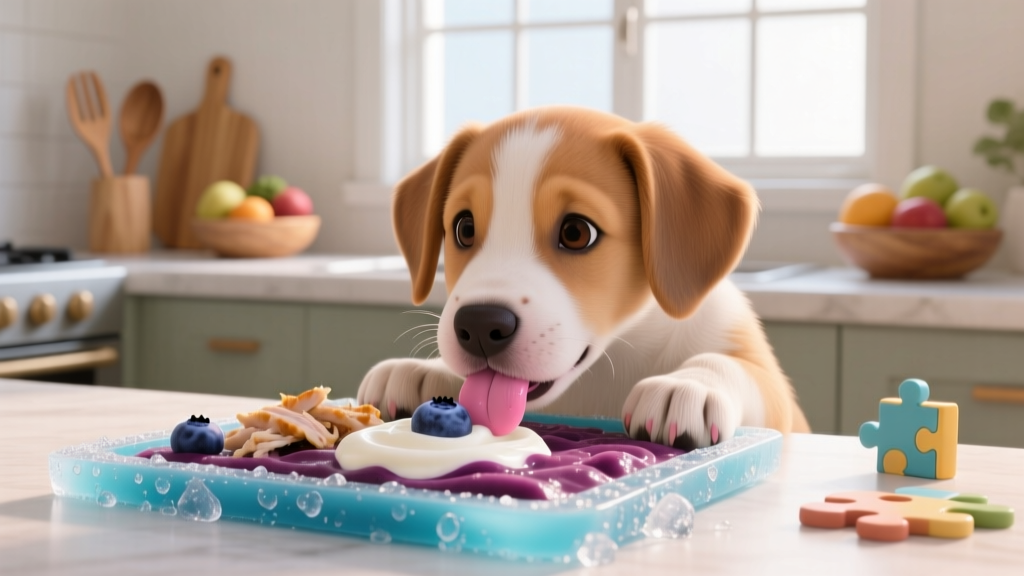
Shichi Puppies: The Complete Week-by-Week Growth and Care Guide
Everything you need to raise Shichi puppies — week-by-week milestones, feeding portions, potty training timelines, vaccination schedules, and first-year costs.

The Shichi — a cross between the Shih Tzu and Chihuahua — produces puppies that are small in stature but big in personality. Weighing just 5 to 12 pounds (2.3 to 5.4 kg) at maturity, these compact companions inherit the Shih Tzu's affectionate warmth and the Chihuahua's spirited alertness. But their tiny size makes the puppy stage uniquely demanding: Shichi puppies are more vulnerable to hypoglycemia, harder to potty train due to small bladders, and require carefully calibrated socialization to prevent the fearfulness that Chihuahua lines can pass down.
This guide walks you through every developmental stage from week 4 through month 12, with exact feeding portions, vaccine timelines, and realistic training expectations specific to Shichi puppies. Whether you're bringing one home for the first time or preparing for a new litter, you'll find breed-specific numbers here — not generic toy-breed advice.
When Should You Bring Your Shichi Puppy Home?
The responsible answer is no earlier than 10 weeks of age, with 12 weeks being ideal for Shichi puppies specifically. Here's why the extra time matters:
Small and toy breeds mature more slowly in the first weeks than medium or large breeds. A Shichi puppy at 8 weeks may weigh only 1 to 2 pounds (0.45 to 0.9 kg) and still be developing critical bite inhibition and stress-coping skills from littermates. The American Kennel Club recommends that toy breeds stay with their mother until at least 10 to 12 weeks to reduce the risk of behavioral problems later.
Bringing a Shichi puppy home at 8 weeks increases the likelihood of:
- Hypoglycemic episodes — tiny puppies who haven't learned to self-regulate feeding can experience dangerous blood sugar drops
- Excessive fear responses — puppies removed before the litter socialization window closes (around 10 weeks) are statistically more likely to develop fear-based reactivity
- Bite inhibition deficits — littermates teach each other how hard is too hard; puppies separated early tend to mouth and nip humans more intensely
If your breeder insists on releasing puppies at 8 weeks, ask whether they implement a structured early socialization program (such as Puppy Culture or ENS protocols) to compensate for the shortened litter period.
Shichi Puppy Development Milestones: Week by Week
Understanding what's normal at each stage helps you distinguish between typical puppy behavior and genuine concerns that warrant a vet visit.
Weeks 4–8: The Litter Learning Phase (Breeder's Care)
Weight: 0.5 to 1.5 lb (0.23 to 0.68 kg)
What's happening: Eyes and ears fully functional. Puppies begin eating gruel (puppy food soaked in warm water or puppy milk replacer). Deciduous (baby) teeth erupting. First socialization with littermates — learning bite inhibition, submission, and play signals.
Key milestones: Walking steadily, wagging tail, beginning to bark, able to lap from a shallow bowl.
What the breeder should be doing: Introducing novel surfaces (tunnels, wobble boards), starting name recognition, beginning handling exercises (ear touching, paw holding), first deworming at 2 and 4 weeks.
Weeks 8–12: The Home Transition Window
Weight: 1.5 to 3 lb (0.68 to 1.36 kg)
What's happening: This is the peak of the primary socialization window. Your Shichi puppy is highly impressionable — positive experiences now shape lifelong behavior. Fear periods can occur around 8–10 weeks, making traumatic events especially impactful.
Key milestones: Recognizes their name, follows simple hand lures, can hold bladder for approximately 1 hour per month of age (so roughly 2 hours at 8 weeks), begins to show preference for specific humans.
Sleep needs: 18–20 hours per day. Yes, really. Overtired puppies bite more and learn less.
Weeks 12–16: The Confidence Building Stage
Weight: 3 to 5 lb (1.36 to 2.27 kg)
What's happening: Socialization window begins closing around 14–16 weeks. This is your last chance to introduce novel experiences before your puppy's natural wariness increases. Second fear period may occur around 12–14 weeks.
Key milestones: Can learn sit, down, and come reliably with food rewards. Begins to generalize commands across different rooms. Bladder control extends to 3–4 hours during the day.
Training focus: Leash introduction (harness, not collar — Shichi puppies have delicate tracheas), handling for grooming, meeting vaccinated adult dogs.
Weeks 16–24: The Adolescent Transition
Weight: 5 to 8 lb (2.27 to 3.63 kg) — approaching 75% of adult weight
What's happening: Teething peaks between 4–6 months. Deciduous teeth fall out and adult teeth erupt, causing significant oral discomfort. Your Shichi puppy will chew everything. Energy levels increase, and you may see regression in previously learned behaviors.
Key milestones: Can hold bladder 4–6 hours during the day. Begins to show adult temperament traits. Spay/neuter is typically performed during this window (your vet will advise on optimal timing).
Watch for: Retained baby teeth (common in toy breeds) — if adult teeth are erupting beside baby teeth rather than pushing them out, your vet may need to extract the retained teeth.
Months 6–12: The Teen Phase
Weight: 7 to 12 lb (3.18 to 5.44 kg) — reaching adult size
What's happening: Sexual maturity (if not yet spayed/neutered). Increased independence and testing of boundaries. Some Shichi puppies become more vocal during this period — the Chihuahua tendency to alert-bark may emerge strongly.
Key milestones: Potty training should be mostly reliable (occasional accidents are still normal). Can handle 20–30 minute structured walks. Adult coat may begin replacing puppy coat.
Training focus: Proofing commands with distractions, settling on a mat, polite greeting behavior (Shichi adolescents love to jump).
Feeding Schedule: Exact Portions for Shichi Puppies
Shichi puppies need calorie-dense, small-breed puppy food because their tiny stomachs can't hold enough volume to meet their energy needs from standard formulas. Look for an AAFCO-certified small-breed puppy formula with a minimum of 22% protein and 8% fat on a dry matter basis.
| Age | Meals/Day | Daily Total (Dry Kibble) | Notes |
|---|---|---|---|
| 8–12 weeks | 4 meals | ¼ to ⅓ cup (moistened) | Add warm water to soften; never free-feed at this age due to hypoglycemia risk |
| 12–16 weeks | 3–4 meals | ⅓ to ½ cup | Can transition to dry kibble if puppy shows interest in chewing |
| 4–6 months | 3 meals | ½ to ⅔ cup | Monitor body condition score — ribs should be palpable but not visible |
| 6–12 months | 2 meals | ½ to ¾ cup | Gradually transition to adult small-breed formula around 10–12 months |
Hypoglycemia warning: Shichi puppies under 4 months can develop dangerously low blood sugar if they skip a meal. If your puppy becomes lethargic, wobbly, or unresponsive, rub a small amount of Karo syrup or honey on their gums and call your vet immediately. This is a medical emergency in toy breeds.
Vaccination Schedule for Shichi Puppies
Your Shichi puppy's vaccination timeline follows standard protocols, but their small size means your vet may adjust timing or split combination vaccines across separate visits to reduce the risk of adverse reactions — a known concern in toy breeds according to the American Veterinary Medical Association.
| Age (Weeks) | Vaccine | Type |
|---|---|---|
| 6–8 weeks | DHPP (Distemper, Hepatitis/Adenovirus, Parainfluenza, Parvovirus) — 1st dose | Core |
| 8–10 weeks | Bordetella (Kennel Cough) — optional, if attending puppy classes | Non-core |
| 10–12 weeks | DHPP — 2nd dose; Bordetella booster if applicable | Core |
| 12–14 weeks | Leptospirosis — 1st dose (recommended if in urban/suburban areas with wildlife) | Non-core |
| 14–16 weeks | DHPP — 3rd (final puppy) dose; Leptospirosis 2nd dose | Core |
| 12–16 weeks | Rabies — single dose (timing varies by state law; typically 12–16 weeks) | Core (legally required) |
When can your Shichi puppy go outside and meet other dogs? Until your puppy has received their final DHPP booster at 14–16 weeks (plus 5–7 days for immunity to develop), avoid dog parks, pet store floors, and areas with unknown dog traffic. However, socialization shouldn't wait — you can safely carry your puppy in public spaces, visit homes of known-vaccinated adult dogs, and attend puppy classes that require proof of at least the first DHPP dose.
The Critical Socialization Window: Weeks 3–14
The primary socialization period for puppies closes between 12 and 14 weeks of age. For Shichi puppies — who inherit the Chihuahua's tendency toward wariness with strangers and the Shih Tzu's potential for separation anxiety — this window is arguably the most important developmental period of their lives.
The goal isn't to overwhelm your puppy. It's to provide positive, controlled exposure to the sights, sounds, surfaces, and social situations they'll encounter throughout life. Every experience should end with your puppy feeling safe. Use high-value treats (small pieces of boiled chicken, cheese, or commercial training treats) to create positive associations.
Shichi Puppy Socialization Checklist
Surfaces:
- Grass, gravel, sand, wet pavement, metal grates, carpet, tile, hardwood
- Wobble board or unstable surface (builds body awareness and confidence)
People:
- Children (supervised, calm interaction — Shichi puppies are fragile and can be injured by rough handling)
- Men with hats, beards, sunglasses
- People in uniforms, carrying umbrellas, using walkers or wheelchairs
- People of different heights, builds, and skin tones
Sounds:
- Vacuum cleaner (start at distance, pair with treats)
- Doorbell, knocking, thunderstorms (use recorded audio at low volume)
- Traffic, sirens, construction noise
- Fireworks recordings (critical for July 4th preparation)
Handling and Grooming:
- Ear inspection and cleaning
- Paw handling (prepare for nail trims — Shichi nails grow fast)
- Tooth inspection with finger, then toothbrush
- Being held in different positions (on back, side, cradled)
- Gentle restraint (simulate vet exam holds)
Environments:
- Car rides (start with engine off, then short trips to fun destinations)
- Outdoor café patios (once vaccinated enough for public areas)
- Elevator or automatic doors
- Veterinary clinic (schedule a "happy visit" — just treats and praise, no procedures)
Important for Shichi owners: Because Chihuahuas are prone to fear-based aggression and Shih Tzus to clinginess, pay special attention to building independence. Practice short separations (step out of the room for 30 seconds, return calmly) starting in the first week home. This prevents the separation distress that plagues many Shichi adults.
Potty Training Your Shichi Puppy: Timeline and Troubleshooting
Let's set realistic expectations: Shichi puppies are among the more challenging breeds to potty train. Their bladders are physically tiny (a 3-pound puppy's bladder holds roughly 1–2 ounces of urine), and Chihuahua lineage often comes with a stubborn streak. Most Shichi puppies are reliably house-trained between 5 and 8 months of age — not the 3 to 4 months you might see promised online.
Realistic Potty Training Timeline
| Age | Bladder Hold Time (Daytime) | Expected Accident Frequency |
|---|---|---|
| 8–10 weeks | 30–60 minutes | Multiple per day — this is normal |
| 10–14 weeks | 1–2 hours | 1–3 per day if on a schedule |
| 4–6 months | 3–4 hours | 0–1 per day with consistent routine |
| 6–12 months | 4–6 hours | Rare (regression possible during adolescence) |
Shichi-Specific Potty Training Protocol
- Take your puppy out on a consistent schedule: immediately after waking, after every meal, after play sessions, and before bedtime. For an 8–12 week old, that's roughly every 45–60 minutes during active hours.
- Use a verbal cue: Say "go potty" (or your chosen phrase) while they eliminate, then reward with a treat and praise immediately after they finish — not when they come back inside.
- Supervise or confine: When you can't watch your puppy, they should be in their crate or a small exercise pen. Unsupervised freedom is the #1 cause of potty training setbacks.
- Clean accidents with enzymatic cleaner: Standard household cleaners don't break down uric acid crystals. Use a product like Nature's Miracle or Rocco & Roxie to eliminate the scent marker that draws puppies back to the same spot.
Crate Training Progression and Time Limits
Crate training is essential for Shichi puppies because it supports potty training, prevents destructive chewing during teething, and gives your puppy a safe den. But their small size means you must be precise about crate dimensions and time limits.
Crate size: Choose a crate that allows your puppy to stand up, turn around, and lie down comfortably — no larger. For a Shichi, a 22-inch (56 cm) wire or soft-sided crate typically fits the adult size. If you buy a larger crate for growth, use the included divider panel to limit space to the puppy-sized area. Too much room allows them to eliminate in one corner and sleep in another, undermining potty training.
| Puppy Age | Maximum Crate Time (Daytime) | Maximum Crate Time (Nighttime) |
|---|---|---|
| 8–10 weeks | 30–60 minutes | 2–3 hours (set an alarm for a potty break) |
| 11–14 weeks | 1–2 hours | 3–4 hours |
| 4–6 months | 2–3 hours | 5–6 hours |
| 6–12 months | 3–4 hours | 7–8 hours (adult capacity) |
Crate training steps:
- Leave the crate door open with a soft blanket and a treat-dispensing toy inside. Let your puppy explore voluntarily.
- Feed all meals inside the crate with the door open, then gradually closed, then latched.
- Practice short absences: close the door, step out of sight for 10 seconds, return before your puppy whines. Gradually extend duration over days.
- If your puppy whines after being settled for a reasonable period, wait 2–3 minutes before responding. If they continue, take them directly outside to eliminate (no play), then return to the crate. This teaches that whining leads to potty breaks, not freedom.
Teething Timeline and Relief Strategies (3–6 Months)
Shichi puppies begin losing their 28 deciduous teeth around 12–16 weeks, with all 42 adult teeth typically in place by 6–7 months. During this window, your puppy will chew compulsively to relieve gum pressure and help dislodge baby teeth.
What's Normal vs. Concerning
- Normal: Increased chewing, mild drooling, small spots of blood on toys, temporary decrease in appetite, swallowing baby teeth (harmless — they pass through digestion)
- Call your vet: Retained baby teeth (adult tooth visible beside a baby tooth that hasn't fallen out), swollen or bleeding gums that don't resolve, refusal to eat for more than one meal, foul breath beyond typical puppy odor
Safe chew options for Shichi puppies:
- Frozen washcloth: Wet a clean washcloth, twist it into a rope, freeze for 2 hours. The cold numbs gums and the texture massages them. Supervise to prevent swallowing fabric pieces.
- KONG Puppy (size XS or S): Fill with a mix of plain pumpkin purée and xylitol-free peanut butter, then freeze. The rubber is gentle on emerging teeth.
- Benebone Puppy Wishbone: The smallest size suits Shichi jaws. The nylon is softer than adult versions and infused with real bacon flavor.
- Carrot sticks (frozen): A low-calorie, edible option. Watch for choking — remove when the piece gets small enough to swallow whole.
Avoid: Rawhide (choking and intestinal blockage risk), antlers or hooves (too hard — can fracture puppy teeth), and any chew larger than your puppy's head (they'll try to break off dangerous chunks).
Common Shichi Puppy Problems and Solutions
Puppy Biting and Nipping
Shichi puppies mouth and nip, especially during play and teething. The Chihuahua side can make this more intense because the breed tends to use its mouth to communicate excitement and frustration.
How to stop puppy biting:
- When teeth touch skin, say "ouch" in a calm, flat tone and immediately withdraw attention (stand up, turn away, or step behind a baby gate for 10–15 seconds).
- Return and redirect to an appropriate chew toy. Praise when they chew the toy.
- If biting escalates (common when puppies are overtired), enforce a nap in the crate. Most Shichi puppies under 16 weeks who are biting intensely are simply exhausted.
- Never hold your puppy's mouth shut, yank their collar, or use physical corrections. These methods increase fear-based biting — especially counterproductive in a breed already prone to wariness.
Excessive Whining and Crying
Shichi puppies are vocal. The Shih Tzu was bred as a companion who stayed close to its owner, and the Chihuahua is one of the most alert and communicative breeds. Combined, you get a puppy who tells you about every minor inconvenience.
Solutions: Ensure your puppy's basic needs are met (potty, food, exercise, mental stimulation) before assuming whining is attention-seeking. For crate whining at night, place the crate near your bed for the first 2–3 weeks so your puppy can hear you breathing — this reduces isolation distress. Gradually move the crate to its permanent location over subsequent weeks.
Destructive Chewing
Beyond teething, Shichi puppies chew when bored or anxious. Provide at least 15 minutes of structured mental enrichment daily: food puzzles, snuffle mats, short training sessions, or hide-and-seek with treats. A mentally tired Shichi puppy is significantly less destructive than one who only gets physical exercise.
First-Year Cost Breakdown for Shichi Puppies
Budgeting accurately prevents surprises. These estimates reflect 2026 US pricing ranges based on veterinary cost surveys and retail product pricing.
| Category | Low Estimate | High Estimate | Details |
|---|---|---|---|
| Puppy purchase price | $500 | $1,500 | From a responsible breeder; adoption fees $150–$400 |
| Veterinary (wellness visits + vaccines) | $400 | $700 | 3–4 puppy visits, fecal tests, deworming, spay/neuter |
| Food (12 months) | $180 | $360 | Small-breed puppy formula; Shichi eats relatively little |
| Supplies (crate, harness, bowls, toys, bed) | $150 | $350 | One-time purchases; replace chew toys regularly |
| Grooming | $200 | $600 | If coat is Shih Tzu-dominant, professional grooming every 6–8 weeks at $40–$75 per session |
| Training classes | $100 | $300 | Puppy kindergarten (6–8 week group class) |
| Pet insurance (annual premium) | $300 | $600 | Recommended for toy breeds due to dental and patellar luxation risks |
| Heartworm/flea/tick prevention | $120 | $240 | Monthly preventive; weight-based dosing keeps cost low for small dogs |
| TOTAL First Year | $1,950 | $4,650 | Excluding emergency vet visits |
Emergency fund recommendation: Set aside an additional $500–$1,000 for unexpected issues. Shichi puppies are at higher-than-average risk for emergency visits due to hypoglycemia, foreign body ingestion (their small intestines are easily blocked by swallowed objects), and patellar luxation injuries from jumping off furniture.
Frequently Asked Questions About Shichi Puppies
How often should I feed my Shichi puppy at each age?
At 8–12 weeks, feed 4 meals per day (¼ to ⅓ cup total daily, divided evenly). At 12–16 weeks, reduce to 3–4 meals (⅓ to ½ cup total). At 4–6 months, feed 3 meals (½ to ⅔ cup total). At 6–12 months, transition to 2 meals (½ to ¾ cup total). Never skip a meal for a puppy under 4 months — hypoglycemia is a genuine risk in this size range.
When will my Shichi puppy be fully potty trained?
Realistically, expect reliable house training between 5 and 8 months of age. Some Shichi puppies with strong Chihuahua genetics may take closer to 9–12 months, particularly for overnight control. Consistency in schedule and supervision matters more than breed — puppies who are crated or supervised 100% of the time train faster than those given free roam.
What vaccines does my Shichi puppy need and when?
Core vaccines include DHPP (given at 6–8, 10–12, and 14–16 weeks) and Rabies (12–16 weeks, timing dictated by state law). Non-core vaccines your vet may recommend include Bordetella (8–10 weeks, especially for puppy classes) and Leptospirosis (12–14 weeks with a booster at 14–16 weeks). Discuss your puppy's specific risk factors with your veterinarian at the first visit.
How do I stop my Shichi puppy from biting and nipping?
Use a consistent "ouch and withdraw" method: when teeth contact skin, say "ouch" calmly, remove your attention for 10–15 seconds, then return and redirect to an appropriate chew toy. Enforce naps when biting intensifies (overtired puppies bite more). Provide ample legal chewing outlets during the 3–6 month teething window. Never use physical punishment — it increases fear-based aggression, which is counterproductive for a breed already predisposed to wariness.
When can my Shichi puppy go outside and meet other dogs?
You can carry your puppy in public spaces (parks, outdoor cafés, friends' homes) immediately for socialization purposes. For ground-level exposure in areas with unknown dog traffic (dog parks, pet stores, hiking trails), wait until 5–7 days after the final DHPP booster at 14–16 weeks — so approximately 15–17 weeks of age. Puppy classes that require proof of first DHPP vaccination are generally safe and highly recommended for socialization.
Are Shichi puppies good with children?
Shichi puppies can coexist well with gentle, supervised children aged 8 and up. However, their small size (often under 3 pounds as young puppies) makes them fragile — a toddler can accidentally injure a Shichi puppy by dropping them or squeezing too hard. Always supervise interactions, teach children to sit on the floor when holding the puppy, and provide the puppy with a child-free retreat space (their crate).
Anouk Beaumont
All our authors care for dogs every day — read more of their work on the authors page.