Bichon Frise Puppies: The Complete Week-by-Week Care Guide
Everything you need to raise Bichon Frise puppies — week-by-week milestones, feeding schedules, potty training, vaccinations, socialization, and first-year costs.

Bichon Frise puppies are among the most charming companions you can bring into your home — but their cloud-like coats and cheerful personalities come with specific developmental needs that differ meaningfully from larger or less sensitive breeds. Weighing just 10 to 18 pounds (4.5 to 8.2 kg) as adults, Bichon Frise puppies are fragile during their early weeks, prone to separation anxiety if socialization is mishandled, and susceptible to a handful of breed-specific health concerns that responsible owners should anticipate.
This guide walks you through every critical stage of your Bichon Frise puppy's first year, with concrete timelines, feeding portions, vaccine schedules, and cost expectations so you can plan with confidence rather than guesswork.
When Should I Bring My Bichon Frise Puppy Home?
The ideal age to bring a Bichon Frise puppy home is between 8 and 10 weeks. While some breeders release puppies at 8 weeks, many reputable Bichon Frise breeders prefer to hold puppies until 10 to 12 weeks. This breed matures slowly compared to larger dogs, and the extra time with littermates teaches critical bite inhibition and social skills that you cannot replicate at home.
Bringing a Bichon home before 8 weeks is strongly discouraged. Puppies separated from their mothers before this threshold show significantly higher rates of fear-based behaviors, resource guarding, and difficulty settling — problems that are especially pronounced in companion breeds wired for close human bonding.
Bichon Frise Puppy Milestones: Week by Week
Understanding what's developmentally normal at each stage prevents unnecessary panic and helps you provide the right support at the right time.
Weeks 4–8: The Littermate Phase (Still With Breeder)
- Weight: 1.0–2.5 lb (0.45–1.1 kg)
- Teeth: Deciduous (baby) teeth fully erupted — 28 teeth total
- Senses: Eyes and ears fully functional; startle reflexes still prominent
- Behavior: Learning bite inhibition from siblings, beginning to play-bow and initiate games, first fear period may begin around week 8
- Your role: If visiting, handle gently for 5–10 minutes at a time. Let the breeder manage primary socialization during this window.
Weeks 8–12: The Adjustment Period (Coming Home)
- Weight: 2.5–5.0 lb (1.1–2.3 kg)
- Sleep: 18–20 hours per day — expect long naps between short bursts of energy
- Bladder capacity: Approximately 1 hour per month of age (a 2-month-old Bichon can hold it roughly 2 hours maximum)
- Behavior: Crying at night is normal for the first 5–7 nights; follow-and-bite behavior peaks as puppy explores through mouthing
- Key risk: Hypoglycemia — Bichon Frise puppies under 4 months can experience dangerous blood sugar drops if meals are missed or delayed. Keep Nutri-Cal or Karo syrup on hand and consult your veterinarian if your puppy becomes lethargic or unresponsive.
Weeks 12–16: The Confidence Window
- Weight: 5.0–8.0 lb (2.3–3.6 kg)
- Behavior: Second fear period may occur around 12–14 weeks — previously confident puppies may suddenly spook at familiar objects or sounds
- Training: Can now learn sit, down, and recall reliably with food motivation; attention span is 3–5 minutes per session
- Socialization: This is the closing window of the primary socialization period — every positive exposure now has an outsized impact on adult temperament
Weeks 16–24: The Adolescent Transition
- Weight: 8.0–14.0 lb (3.6–6.4 kg), approaching 80% of adult weight
- Teeth: Baby teeth begin falling out around 16 weeks; full adult dentition (42 teeth) by 24 weeks
- Coat: Puppy coat begins transitioning — you'll notice matting near the skin as the softer undercoat develops; grooming appointments should start now
- Behavior: Testing boundaries, selective hearing on recall, increased independence — all normal adolescent behavior, not regression
Months 6–12: The Young Adult Phase
- Weight: 12–18 lb (5.4–8.2 kg) — final adult weight typically reached by 10–12 months
- Coat: Adult double coat fully in; professional grooming every 4–6 weeks is now essential to prevent matting
- Spay/neuter: Most veterinarians recommend between 6–9 months for small breeds (Bichons reach skeletal maturity earlier than large breeds)
- Energy: Still playful but capable of settling for longer periods; daily exercise needs stabilize at 30–45 minutes of structured activity
Feeding Schedule: Exact Portions by Age
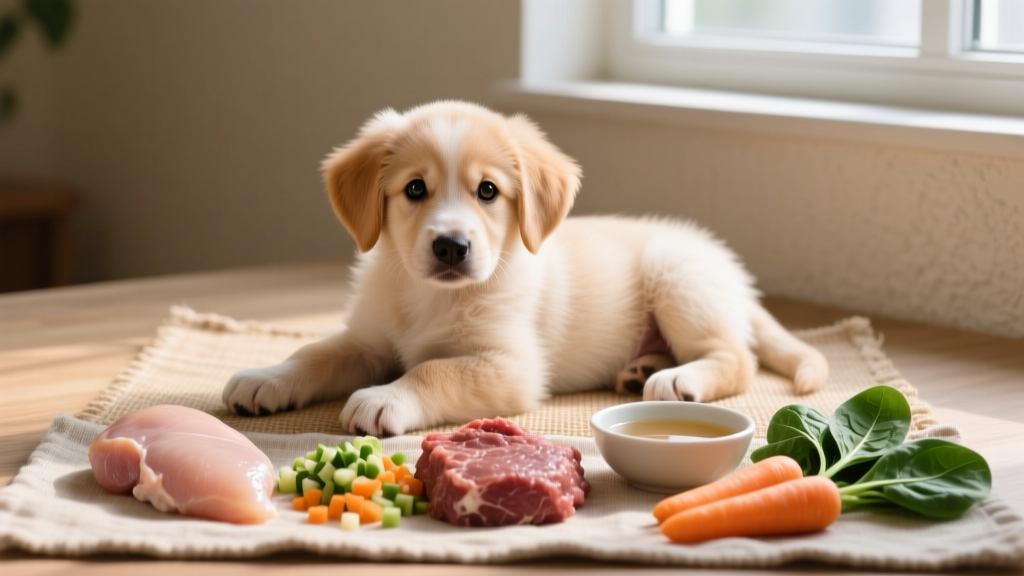
Bichon Frise puppies need small, frequent meals to maintain stable blood sugar and support steady growth without obesity. Use a high-quality small-breed puppy formula that meets AAFCO nutritional standards for growth. Look for a named protein source (chicken, lamb, or salmon) as the first ingredient and a guaranteed analysis of at least 22% protein and 8% fat for puppy maintenance.
| Age | Meals Per Day | Total Daily Amount (Dry Kibble) | Notes |
|---|---|---|---|
| 8–12 weeks | 4 | ⅓ – ½ cup (35–55 g) | Moisten kibble with warm water for first 2 weeks home |
| 12–16 weeks | 3–4 | ½ – ⅔ cup (55–70 g) | Transition to dry kibble; monitor stool consistency |
| 4–6 months | 3 | ⅔ – ¾ cup (70–80 g) | Appetite may fluctuate during teething — this is normal |
| 6–12 months | 2 | ¾ – 1 cup (80–110 g) | Begin transitioning to adult formula at 10–12 months |
These amounts are starting points. Adjust based on your puppy's body condition score (BCS): you should be able to feel ribs without pressing hard, and your Bichon should have a visible waist when viewed from above. Treats should not exceed 10% of daily caloric intake.
Vaccination Schedule for Bichon Frise Puppies
Your veterinarian will tailor this schedule to your area's disease prevalence, but the following represents the AVMA-recommended core vaccination protocol for small-breed puppies. Bichon Frise puppies can be more sensitive to vaccine reactions due to their small size — your vet may choose to split combination vaccines across two visits to reduce risk.
| Age | Vaccines | Estimated Cost |
|---|---|---|
| 6–8 weeks | DHPP (Distemper, Hepatitis, Parainfluenza, Parvovirus) — Dose 1 | $25–$40 |
| 10–12 weeks | DHPP — Dose 2; Bordetella (intranasal or injectable) | $40–$65 |
| 14–16 weeks | DHPP — Dose 3; Rabies (required by law in most US states) | $45–$75 |
| 12–16 months | DHPP booster; Rabies booster; Bordetella booster (if attending daycare/grooming) | $60–$100 |
The Socialization Window: Weeks 3–14
The primary socialization period — when a puppy's brain is most receptive to forming positive associations with novel stimuli — closes between 12 and 14 weeks of age. For Bichon Frise puppies, this window is especially important because the breed is prone to developing separation anxiety and fear-based barking if under-socialized.
The American Kennel Club outlines socialization best practices that emphasize quality over quantity: brief, positive exposures are far more valuable than overwhelming a puppy with too much at once.
Bichon Frise Puppy Socialization Checklist
Aim for at least 3–5 new positive experiences per day during weeks 8–14. Keep sessions short (2–5 minutes) and always pair new experiences with high-value treats (small pieces of boiled chicken or commercial training treats like Zuke's Mini Naturals).
| Category | Specific Exposures to Provide | Target Completion |
|---|---|---|
| People | Men with beards, children (supervised), people wearing hats/sunglasses, tall people, people using mobility aids, delivery workers | 12+ different people by week 14 |
| Surfaces | Gravel, wet grass, metal grates, stairs (carpeted and wood), tile floors, wobble boards | 8+ surfaces by week 12 |
| Sounds | Vacuum cleaner (at distance first), doorbell, thunderstorm recordings (low volume), clapping, car engines, hair dryer | 10+ sounds by week 14 |
| Handling | Paw touching, ear inspection, mouth opening, nail clipping simulation, being held on back, towel wrapping | Daily handling from week 8 — critical for grooming tolerance |
| Environments | Car rides (short trips to pleasant destinations), pet-friendly stores, outdoor seating areas, friend's homes | 5+ locations by week 14 |
Critical note for Bichon owners: Grooming handling must begin in this window. Bichons require professional grooming for life, and dogs that were not accustomed to having their paws, ears, and face handled as puppies often require sedation for routine grooming as adults. Practice 2-minute "pretend grooming" sessions daily with a soft brush and treat rewards.
Potty Training: Realistic Timeline and Troubleshooting
Bichon Frise puppies are notoriously challenging to house train. Their small bladders, combined with a breed tendency toward submissive urination, means you should expect a longer training arc than you'd see with a Labrador or Border Collie. Most Bichon Frise puppies are reliably house trained between 5 and 7 months of age — some take up to 9 months.
Potty Training Progression
| Age | Outdoor Trips Per Day | Expected Accidents Per Week | Strategy |
|---|---|---|---|
| 8–10 weeks | 8–12 | 3–6 | Take out every 1–2 hours, immediately after meals/naps/play. Use a consistent cue word. Reward with treats within 2 seconds of elimination. |
| 10–14 weeks | 6–8 | 1–3 | Begin extending intervals by 15–30 minutes. Crate between outings. Clean accidents with enzymatic cleaner (Nature's Miracle or Rocco & Roxie). |
| 3–5 months | 5–6 | 0–2 | Puppy may begin signaling (whining, circling). Introduce a bell on the door. Still expect occasional overnight accidents. |
| 5–7 months | 4–5 | 0–1 | Reliable signaling should be established. If accidents persist beyond 7 months, rule out urinary tract infection with your vet. |
Common Potty Training Setbacks
- Submissive urination: Bichon puppies may leak small amounts when greeting people or being scolded. This is involuntary, not a training failure. Solution: ignore the puppy for the first 60 seconds when arriving home, greet calmly at their level, never punish.
- Regression at 4–6 months: Hormonal changes and adolescent brain development can cause temporary setbacks. Return to more frequent outings and tighter supervision for 1–2 weeks.
- Winter reluctance: Bichons dislike cold, wet paws. Consider a sheltered potty area or indoor grass pad (like Fresh Patch) for extreme weather months.
Teething Timeline and Relief Strategies
Bichon Frise puppies begin losing their 28 deciduous teeth around 14–16 weeks, with the process completing by approximately 6 months. During this period, your puppy will chew relentlessly, may eat less, and you may find small teeth on the floor or in their bedding (though many puppies swallow them — this is harmless).
Teething Phases
- Weeks 14–18: Incisors (front teeth) loosen first. Puppy may paw at mouth and drool more than usual.
- Weeks 18–22: Canines and premolars shed. This is peak chewing intensity — protect baseboards, shoes, and electrical cords.
- Weeks 22–26: Molars erupt and final dentition settles. Chewing urgency decreases significantly.
Safe Chew Recommendations
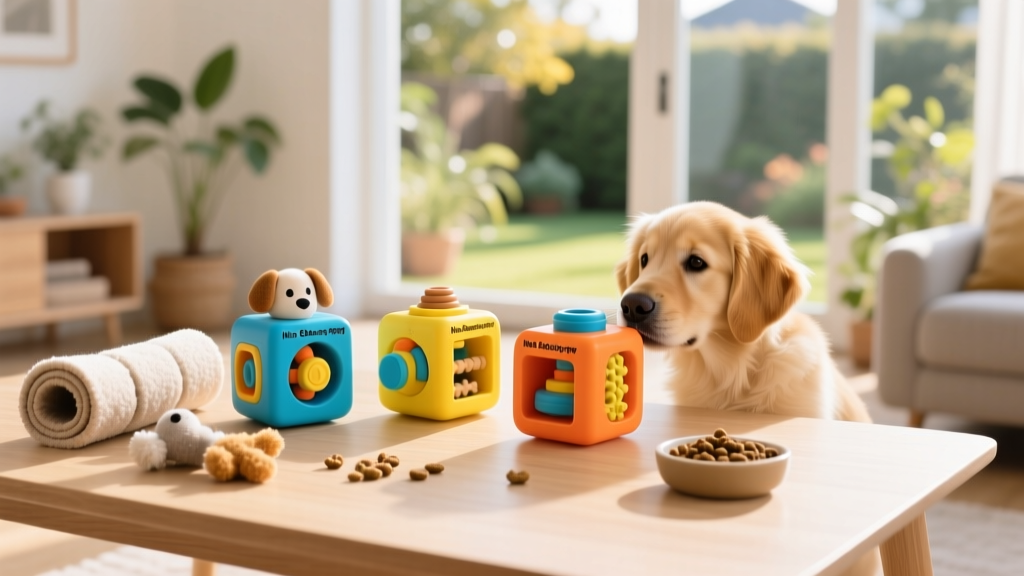
- Kong Classic (XS or Small): Fill with frozen plain yogurt mixed with mashed banana. The cold numbs sore gums and the texture satisfies the chewing urge. ($8–$12)
- Benebone Puppy Wishbone: Designed specifically for puppies under 30 lb; softer nylon formula won't damage developing adult teeth. ($12–$16)
- Frozen washcloth: Wet a clean washcloth, twist into a rope, and freeze. Supervise use and discard once shredded. (Under $1)
- Whimzees Puppy Chews: Edible, digestible dental chews sized for small breeds. Appropriate for puppies 3 months and older. ($10–$15 per bag)
Crate Training Progression
Crate training is essential for Bichon Frise puppies — it supports potty training, prevents destructive chewing, and gives your puppy a safe retreat. However, Bichons are a companion breed that bonds intensely with their people, so crate training must be done gradually to avoid triggering separation distress.
| Age | Maximum Crate Time (Daytime) | Maximum Crate Time (Overnight) | Training Focus |
|---|---|---|---|
| 8–10 weeks | 1–1.5 hours | 3–4 hours (set alarm for potty break) | Crate = good things. Feed meals in crate, provide stuffed Kong, keep crate in bedroom overnight. |
| 10–14 weeks | 2–2.5 hours | 4–5 hours | Practice short absences from the room while puppy is crated. Return before whining starts. |
| 4–6 months | 3–4 hours | 6–7 hours | Begin transitioning crate to a permanent location. Puppy should enter voluntarily for naps. |
| 6–12 months | 4–5 hours | 7–8 hours | Crate door can be left open during the day. Puppy uses it as a bed voluntarily. |
Recommended crate size: A 24-inch crate (like the MidWest iCrate or Frisco Double Door) fits an adult Bichon Frise. Use the included divider panel to reduce space while your puppy is small — a crate that's too large defeats the potty training benefit, as puppies will eliminate in one corner and sleep in another.
Common Bichon Frise Puppy Problems and Solutions
Puppy Biting and Nipping
Bichon Frise puppies use their mouths to explore, and their needle-sharp baby teeth can make this painful. Biting typically peaks between 8 and 14 weeks and decreases as bite inhibition develops.
Solution: When teeth touch skin, say "ouch" in a calm, slightly surprised tone and immediately redirect to an appropriate chew toy. If biting continues, stand up and walk away for 10–15 seconds (removing attention is the consequence). Never hold the puppy's mouth shut, slap, or use physical punishment — these methods increase fear-based biting and damage the trust your Bichon needs to thrive. Consistent redirection using positive reinforcement typically resolves nipping by 16–20 weeks.
Excessive Whining and Crying
Bichon Frise puppies are vocal, and new owners often report 1–2 weeks of nighttime crying. This is normal adjustment behavior, not a sign something is wrong.
Solution: Place the crate in your bedroom for the first 2–3 weeks so your puppy can hear and smell you. Use a Snuggle Puppy (a plush toy with a heartbeat simulator and heat pack — approximately $35–$45) to provide comfort. Take the puppy out for a potty break if crying persists beyond 20 minutes, then return to crate without play or extended attention. Most Bichon puppies settle within 7–14 nights with consistent routine.
Destructive Chewing
Beyond teething, Bichon puppies chew when bored or anxious. Their small size means they can access tight spaces and damage items you might not expect.
Solution: Puppy-proof at Bichon height (6–12 inches off the floor). Provide 4–5 rotating chew toys so novelty is maintained. Ensure your puppy gets at least 2 structured play sessions per day (10–15 minutes each) in addition to training sessions. A tired puppy is a well-behaved puppy.
First-Year Cost Breakdown
Budgeting realistically for a Bichon Frise puppy prevents financial stress and ensures your dog receives consistent care. The following estimates reflect 2025–2026 US pricing from veterinary clinics, pet supply retailers, and professional grooming services.
| Category | Items | Estimated Cost |
|---|---|---|
| Puppy Purchase | Responsible breeder (health-tested parents, AKC registration) | $1,500–$3,500 |
| Veterinary Care | Wellness visits (3–4), vaccinations, deworming, fecal tests, spay/neuter | $600–$1,200 |
| Food & Treats | Small-breed puppy formula, training treats, dental chews | $300–$500 |
| Grooming | Professional grooming every 4–6 weeks (starting at 12–16 weeks), brushes, shampoo | $450–$900 |
| Supplies | Crate, bed, leash, harness, bowls, toys, puppy pads, enzymatic cleaner, gate | $250–$500 |
| Training | Puppy kindergarten class (6–8 weeks), positive reinforcement group classes | $150–$350 |
| Preventive Medications | Heartworm preventive (Heartgard Plus), flea/tick (NexGard or Bravecto) | $150–$300 |
| Total First Year | $3,400–$7,250 |
After the first year, expect annual costs of $1,200–$2,500 for food, grooming, preventive medications, and routine veterinary care. Pet insurance for a Bichon Frise puppy (enrolled at 8–12 weeks, before any pre-existing conditions) typically costs $30–$55 per month and can significantly offset unexpected costs like allergy management or patellar luxation surgery, both of which are more common in this breed.
Frequently Asked Questions
When can my Bichon Frise puppy go outside and meet other dogs?
Your puppy can explore your own yard immediately after coming home, provided it's a private, fenced area not frequented by unknown dogs. Public areas (parks, sidewalks, pet stores) should wait until 7 days after the final DHPP vaccine at 14–16 weeks. However, socialization shouldn't wait — carry your puppy in a sling or blanket to public places for exposure to sights and sounds before full vaccination is complete. Supervised playdates with fully vaccinated, healthy adult dogs in private homes are safe from 8 weeks onward.
How do I stop my Bichon Frise puppy from biting?
Redirect every bite to an appropriate chew toy and withdraw attention for 10–15 seconds when teeth contact skin. Ensure your puppy gets adequate physical exercise (two 10–15 minute play sessions daily) and mental stimulation (5-minute training sessions, food puzzles like the Kong Wobbler). Biting that intensifies after week 16 or causes injury warrants consultation with a certified positive-reinforcement trainer (look for CPDT-KA or KPA-CTP credentials).
How often should I feed my 10-week-old Bichon Frise puppy?
At 10 weeks, feed 4 meals per day, spaced approximately 4 hours apart during waking hours (for example: 7 AM, 11 AM, 3 PM, 7 PM). Each meal should be approximately 2 tablespoons (about 14 g) of small-breed puppy kibble. Never skip meals in puppies under 4 months — Bichon Frise puppies are at risk for hypoglycemia when fasting too long.
When will my Bichon Frise puppy be fully potty trained?
Most Bichon Frise puppies achieve reliable house training between 5 and 7 months, though some take up to 9 months. "Fully trained" means zero accidents for 4 consecutive weeks with a normal routine. If your puppy is still having frequent accidents after 7 months, schedule a veterinary exam to rule out urinary tract infection, diabetes, or other medical causes before assuming it's a behavioral issue.
What vaccines does my Bichon Frise puppy need and when?
Core vaccines include DHPP (Distemper, Hepatitis, Parainfluenza, Parvovirus) given at 6–8 weeks, 10–12 weeks, and 14–16 weeks, plus Rabies at 14–16 weeks. Bordetella is strongly recommended if your puppy will attend group training, daycare, or grooming salons — typically given at 10–12 weeks. Your veterinarian may also recommend Leptospirosis vaccination depending on your geographic area and your dog's lifestyle.
Beth Carrasco
All our authors care for dogs every day — read more of their work on the authors page.