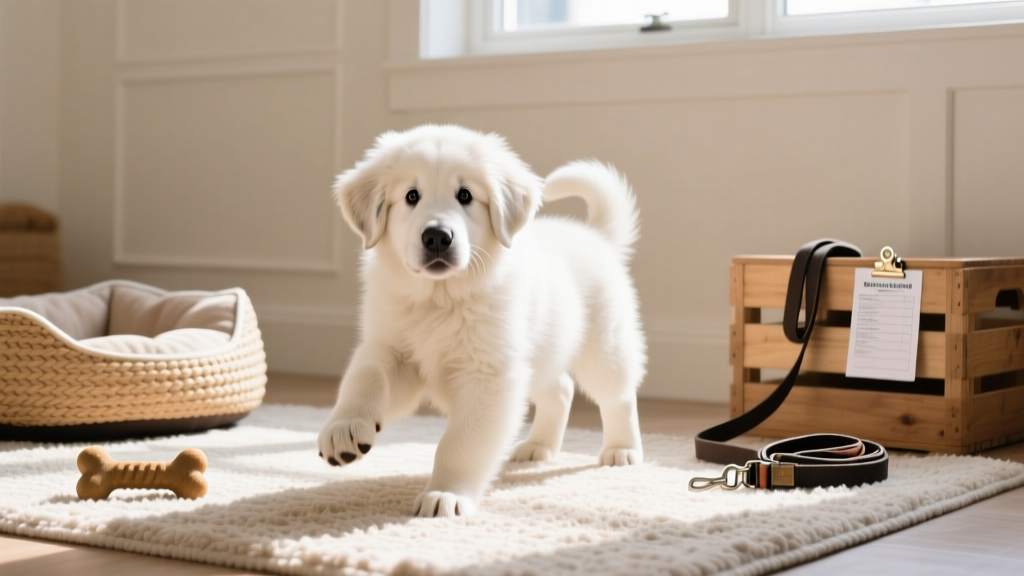
Rottweiler Puppies for $250: The Real Cost & Complete Puppy Care Guide
Found Rottweiler puppies for $250? Learn what that price really means, first-year costs, feeding schedules, vaccination timelines, and breed-specific puppy care.

Why Are Some Rottweiler Puppies Priced at $250 — And What That Really Means
If you've been searching for a Rottweiler puppy and stumbled on listings advertising Rottweiler puppies for $250, your first reaction might be excitement — followed quickly by suspicion. You're right to ask questions. The typical price range for a Rottweiler puppy from a responsible, health-testing breeder in the United States falls between $1,500 and $4,000, with show-line and imported German-bloodline puppies often exceeding $5,000.
A $250 price tag doesn't automatically mean a scam, but it does demand careful investigation. Here's what that price point usually signals:
- Backyard breeders who haven't performed OFA hip/elbow evaluations, cardiac screenings, or JLPP (Juvenile Laryngeal Paralysis and Polyneuropathy) DNA testing on the parent dogs
- Accidental litters from intact pets — these puppies may be healthy but come with no genetic health history or temperament guarantees
- Rescue organizations that place Rottweiler puppies at adoption fees around $200–$400, which often include initial vaccinations, deworming, and spay/neuter deposits — this is the best-case scenario at this price
- Puppy brokers or online scams that use low prices as bait, then request wire transfers or shipping fees and never deliver a puppy
- Seller won't allow an in-person visit to see the dam and litter environment
- No documentation of health clearances (OFA, PennHIP, or genetic panel results)
- Payment requested via wire transfer, gift cards, or cryptocurrency
- Puppies advertised as "rare colors" (blue, white, or "red") — these are not AKC-recognized and often indicate irresponsible breeding
- Multiple litters available year-round from the same seller
Whether you're adopting from a rescue at this price point or considering a budget-priced breeder, the care your Rottweiler puppy needs from day one remains the same. This guide covers every milestone, cost, and breed-specific challenge you'll face in the first year.
Rottweiler Puppy Development: Week-by-Week Milestone Timeline
Rottweilers mature more slowly than many breeds — both physically and mentally. Don't expect adult temperament until 2–3 years of age. Here's what to expect at each stage:
Weeks 4–8: The Litter Phase (With Breeder or Foster)
At this stage, puppies are still with their mother and littermates. This is when critical bite inhibition learning happens through sibling play. A responsible breeder or foster will begin:
- Introduction to solid food (gruel consistency, 3–4 meals daily)
- Early neurological stimulation (ENS) protocols — gentle handling exercises developed by the military's Bio Sensor Program
- First deworming at 2, 4, 6, and 8 weeks (pyrantel pamoate is standard)
- Exposure to varied surfaces, sounds, and gentle human handling
When should you bring your puppy home? The American Kennel Club and most veterinary behaviorists recommend waiting until at least 8 weeks, and for Rottweilers, 9–10 weeks is often preferable. The extra week or two with littermates significantly improves bite inhibition and social confidence in guardian breeds.
Weeks 8–12: The Homecoming and Bonding Window
This is your puppy's most impressionable period. Rottweiler puppies at this age are bold, curious, and eager to explore — but they're also watching you closely to learn what's safe. Expect:
- Sleep: 18–20 hours per day (enforce crate naps — overtired Rottweiler puppies become land sharks)
- Potty breaks: Every 1–2 hours during the day, plus 2–3 overnight trips
- Weight: Typically 15–25 lb (7–11 kg) at 8 weeks, gaining roughly 2–3 lb per week
- Behavior: Mouthing and nipping intensify — this is normal developmental exploration, not aggression
Weeks 12–16: The Fear Impact Period and Rule-Setting
Around 12–14 weeks, many Rottweiler puppies enter a fear impact period where previously confident behavior may suddenly shift. A trash can that was ignored at 10 weeks might now trigger barking or retreating. This is normal and temporary — don't force exposure, but don't coddle either. Offer calm encouragement and high-value treats (small pieces of boiled chicken or freeze-dried liver).
Weeks 16–24: Adolescence Begins
Your Rottweiler will hit 40–60 lb (18–27 kg) during this window. Energy levels surge, teething peaks, and selective hearing emerges. This is when most owners first consider professional training — and it's the right time. Look for a certified professional dog trainer (CPDT-KA or IAABC-certified) who uses positive reinforcement methods.
Months 6–12: The Teenage Phase
Rottweilers at 6–12 months are physically powerful (60–90 lb / 27–41 kg) but mentally still puppies. Impulse control is underdeveloped. Same-sex dog aggression may begin to surface, particularly in males. Continue structured training, controlled socialization, and avoid off-leash dog parks until at least 12–18 months when temperament is more predictable.
Feeding Schedule: Exact Portions for Your Growing Rottweiler
Rottweilers are a large/giant breed, which means their growth rate must be carefully managed. Feeding too much or too fast increases the risk of hip dysplasia and osteochondritis dissecans (OCD), both of which have documented prevalence in the breed. According to the Merck Veterinary Manual, large-breed puppies should grow at a steady, moderate pace — aiming for a body condition score (BCS) of 4–5 out of 9.
Choose a food specifically labeled "large breed puppy" that meets AAFCO standards for growth. These formulas contain controlled calcium (1.0–1.8% dry matter basis) and phosphorus levels that protect developing joints.
| Age | Meals/Day | Daily Amount (Large Breed Puppy Kibble) | Expected Weight Range |
|---|---|---|---|
| 8–12 weeks | 3–4 | 1.5–2.5 cups/day | 15–25 lb (7–11 kg) |
| 3–4 months | 3 | 2.5–3.5 cups/day | 25–40 lb (11–18 kg) |
| 4–6 months | 2–3 | 3.5–5 cups/day | 40–60 lb (18–27 kg) |
| 6–9 months | 2 | 4–6 cups/day | 60–80 lb (27–36 kg) |
| 9–12 months | 2 | 5–7 cups/day | 75–100 lb (34–45 kg) |
Important: These are starting guidelines. Individual metabolism varies significantly. The best indicator is body condition — you should be able to feel (but not prominently see) your puppy's ribs, and they should have a visible waist when viewed from above. Consult your veterinarian to adjust portions at each wellness visit.
How often should I feed my puppy at each age? Three to four meals daily until 12 weeks, three meals until 4–5 months, then transition to two meals per day for life. Free-feeding (leaving food out all day) is strongly discouraged with Rottweilers due to bloat (gastric dilatation-volvulus) risk — always feed measured meals and remove the bowl after 15–20 minutes.
Vaccination Schedule: What Your Rottweiler Puppy Needs and When
Rottweiler puppies follow the standard core vaccination protocol, but there's a breed-specific consideration: Rottweilers have been documented to have poorer antibody responses to parvovirus vaccines compared to some breeds, according to research published in the Journal of the American Veterinary Medical Association. This means completing the full series — not stopping early — is especially critical.
| Age | Vaccines Administered | Notes |
|---|---|---|
| 6–8 weeks | DHPP (Distemper, Hepatitis/Adenovirus, Parainfluenza, Parvovirus) | Often given by breeder/rescue; verify records |
| 10–12 weeks | DHPP booster + Bordetella (optional, recommended if attending puppy classes) | Leptospirosis vaccine may be started based on regional risk |
| 14–16 weeks | DHPP final booster + Rabies (legally required, timing varies by state) | Do NOT consider puppy "fully protected" until 1–2 weeks after this visit |
| 12–16 months | DHPP booster + Rabies booster | After this, DHPP typically moves to 3-year intervals |
When can my puppy go outside or meet other dogs? Until your Rottweiler puppy has received their final DHPP booster at 14–16 weeks (plus a 1–2 week buffer for immunity to develop), avoid high-risk areas like dog parks, pet store floors, and unknown dogs' yards. However, controlled exposure is essential: carry your puppy to new environments, arrange supervised playdates with known, fully-vaccinated adult dogs, and attend puppy socialization classes that require proof of vaccination for all attendees. The AVMA emphasizes that the risk of behavioral problems from inadequate socialization outweighs the disease risk of controlled, safe exposure.
Socialization Window (Weeks 3–14): Your Rottweiler's Most Critical Period
The primary socialization window closes between 12 and 14 weeks of age. For a guardian breed like the Rottweiler, what happens during this window shapes lifelong responses to strangers, novel environments, other animals, and unexpected stimuli. A poorly socialized Rottweiler is at dramatically higher risk for fear-based reactivity and territorial aggression later in life.
Socialization Checklist — Aim for positive exposure to as many of these as possible before 14 weeks:
- ☐ Men with beards, hats, sunglasses
- ☐ Children of various ages (supervised, calm interactions)
- ☐ People in uniforms, carrying bags, using wheelchairs or walkers
- ☐ People of different ethnicities, heights, and body types
- ☐ People who approach directly vs. indirectly
- ☐ Car rides (short, positive — end at a fun destination)
- ☐ Various floor surfaces: tile, gravel, grass, metal grates, wet pavement
- ☐ Stairs (carry puppy down if under 12 weeks to protect joints)
- ☐ Elevators, automatic doors, revolving doors
- ☐ Busy streets (from a safe distance, paired with treats)
- ☐ Friendly, vaccinated adult dogs (1-on-1 playdates, not dog parks)
- ☐ Cats (if household has them — supervised, reward calm behavior)
- ☐ Livestock or farm animals if accessible (visual exposure counts)
- ☐ Paw handling, nail trimming practice (just touching, no cutting yet)
- ☐ Ear inspection, mouth opening, tooth touching
- ☐ Being held in various positions, gentle restraint
- ☐ Brushing, blow dryer (low, distant), bath introduction
Every exposure should end on a positive note. If your puppy shows fear, increase distance from the stimulus and offer high-value treats. Never force interaction — flooding (forcing exposure to feared stimuli) creates lasting negative associations, especially in sensitive guardian breeds.
Potty Training Your Rottweiler: Timeline, Log, and Troubleshooting
When will my puppy be fully potty trained? Most Rottweiler puppies achieve reliable house training between 4 and 6 months of age, though some males take until 8–9 months. Rottweilers are intelligent and generally pick up routines quickly, but their large bladder capacity can sometimes work against you — they may not signal urgency the way smaller breeds do.
Realistic timeline expectations:
- 8–12 weeks: Accidents every 1–3 days. You're managing, not training. Take puppy out every 1–2 hours, after every meal, after every nap, and after every play session.
- 12–16 weeks: Accidents drop to 1–2 per week. Puppy begins to go to the door or show pre-potty behaviors (circling, sniffing).
- 4–6 months: Occasional accidents (1–2 per month), usually related to excitement, schedule changes, or illness.
- 6+ months: Reliable with consistent routine. If accidents persist past 6 months, consult your veterinarian to rule out urinary tract infection or anatomical issues.
Potty Training Log Template — Track this for the first 4 weeks to identify your puppy's natural rhythm:
| Time | Activity | Went Potty? | Accident? (Location) | Notes |
|---|---|---|---|---|
| 7:00 AM | Wake up → outside | Yes ✓ | — | Pee + poop, treat reward |
| 7:30 AM | Breakfast | — | — | 2 cups kibble, ate in 8 min |
| 7:45 AM | Outside (post-meal) | Yes ✓ | — | Poop, big reward + praise |
Common potty training troubleshooting for Rottweilers:
- Submissive urination: Common in young Rottweilers when greeting. Don't scold — ignore the puppy for the first 30 seconds of greeting, crouch sideways, and let them approach calmly.
- Marking behavior (males, 5+ months): Begin interrupting and redirecting immediately. Neutering before 6–7 months may reduce but won't eliminate marking if the habit is established.
- Crate accidents overnight: If your puppy soils the crate, the crate may be too large (they'll eliminate in one corner and sleep in another). Use a divider to size it so they can stand, turn, and lie down — no more.
Crate Training Progression and Teething Survival Guide
Crate Training Time Limits by Age:
The general rule for maximum crate time during the day is your puppy's age in months plus one, in hours — but this is a maximum, not a goal. Rottweilers are social dogs and excessive crating leads to frustration, barrier reactivity, and anxiety.
- 8–10 weeks: 30–60 minutes maximum during the day; overnight: expect 2–3 hour stretches between potty breaks
- 10–14 weeks: 1–2 hours during the day; overnight: 3–4 hour stretches
- 3–4 months: 2–3 hours during the day; overnight: 4–5 hours
- 4–6 months: 3–4 hours during the day; overnight: 6–8 hours (many puppies sleep through the night by this age)
- 6+ months: 4–5 hours during the day; overnight: 8+ hours
Invest in a 48-inch or 54-inch wire crate (such as the MidWest iCrate or Frisco Ultimate Double Door) with a divider panel. Your Rottweiler will eventually need the full space as an adult — males reach 24–27 inches at the shoulder and 95–135 lb (43–61 kg).
Teething Timeline (3–6 Months): Relief Strategies
Rottweiler puppies begin losing deciduous (baby) teeth around 12–16 weeks, with the process typically complete by 6–7 months. During this window, chewing intensity increases dramatically. Your puppy isn't being destructive — they're managing gum pain.
Safe chew recommendations for Rottweiler puppies:
- KONG Classic (puppy rubber, pink/blue): Fill with a mixture of plain yogurt and mashed banana, then freeze for 2–4 hours. The cold numbs sore gums.
- Nylabone Puppy Chew (Power Chew size appropriate for expected adult weight): Designed for aggressive chewers; replace when worn down to the size of a large marble.
- Frozen wet washcloth: Wet a clean washcloth, twist into a rope, freeze, and supervise chewing. Remove once thawed.
- Benebone Wishbone (puppy formula): The angled design lets Rottweiler puppies grip with their paws while chewing.
Avoid: Rawhide (choking and blockage risk), antlers and weight-bearing bones (tooth fracture risk in powerful chewers), and any chew smaller than your puppy's fist.
Stopping Puppy Biting: Breed-Specific Strategies for Rottweilers
How do I stop my Rottweiler puppy from biting and nipping? This is the single most common question from new Rottweiler owners, and it's important to understand: mouthing is not aggression. Rottweiler puppies explore the world with their mouths, and as a breed originally developed for herding and driving cattle, they have a strong oral fixation.
That said, a Rottweiler puppy's bite at 12 weeks can already break skin, and by 5 months, their jaw pressure is genuinely painful. Here's a progressive, force-free protocol:
- Redirect (8–12 weeks): Every time teeth touch skin, immediately offer an appropriate chew toy. When puppy bites the toy, praise enthusiastically and continue play. This teaches "teeth go on toys, not people."
- Reverse time-out (12–16 weeks): If redirecting isn't working, the moment teeth touch skin, stand up, cross your arms, and turn away for 10–15 seconds. No talking, no eye contact. Then re-engage with a toy. This mimics how littermates respond to hard bites — play stops.
- Structured play rules (4+ months): Implement a "sit to start play" and "all four paws on the floor" rule. If jumping and biting escalate, play ends for 30 seconds. Resume only when puppy is calm. Consistency from every household member is essential.
- Enrichment over exercise (all ages): Overtired and under-stimulated Rottweiler puppies bite more. Provide 15–20 minutes of mental enrichment (snuffle mats, frozen KONGs, training sessions) for every 30 minutes of physical exercise.
Never use physical punishment, alpha rolls, muzzle grabbing, or shock/prong collars. These methods increase fear and can trigger defensive aggression — the exact opposite of what you want in a powerful guardian breed. If biting intensifies or seems driven by fear rather than play, consult a certified veterinary behaviorist (DACVB) or an IAABC-certified behavior consultant.
First-Year Cost Breakdown: Budgeting for Your Rottweiler Puppy
Even if you found Rottweiler puppies for $250, the first year of responsible ownership is a significant financial commitment. Here's a realistic breakdown based on 2026 U.S. averages:
| Category | Items | Estimated Cost Range |
|---|---|---|
| Veterinary | 3–4 wellness visits, DHPP series, rabies, fecal tests, heartworm prevention (12 months), spay/neuter | $800–$1,600 |
| Food | Large breed puppy formula (approx. 150–200 lb of kibble over the year), treats for training | $600–$1,200 |
| Supplies | 48–54" crate, bed, leash/harness (will need 2–3 sizes), bowls, grooming tools, chew toys, baby gates, enzymatic cleaner | $400–$800 |
| Training | Puppy socialization class ($150–$300), basic obedience group class ($150–$300), optional private sessions ($80–$150/session) | $300–$1,000 |
| Insurance / Emergency Fund | Pet insurance premiums ($40–$80/month for a Rottweiler) OR self-funded emergency reserve | $480–$960/yr (insurance) or $2,000+ recommended reserve |
| Miscellaneous | Licensing, microchip (if not included), AKC registration, pet sitting/boarding | $100–$300 |
| TOTAL (excluding puppy purchase) | $2,680–$5,860 |
When you factor in a $250 puppy price against $2,680–$5,860 in first-year care costs, the initial purchase price represents less than 10% of your total investment. This is why the health and temperament of the puppy you choose matters far more than the upfront price — a puppy from untested parents with undetected hip dysplasia could cost $3,000–$7,000 in surgical treatment alone before age three.
Frequently Asked Questions About Rottweiler Puppies
When should I bring my Rottweiler puppy home?
Ideally between 8 and 10 weeks of age. Bringing a puppy home before 8 weeks can result in poor bite inhibition and social deficits. Waiting past 12 weeks without active socialization in the breeder's home means you'll miss critical portions of the socialization window.
How often should I feed my Rottweiler puppy?
Three to four meals daily from 8–12 weeks, three meals from 3–4 months, and two meals per day from 5 months onward. Always use a large-breed puppy formula and follow the portion guidelines in the feeding table above, adjusting based on body condition score.
When will my Rottweiler be fully potty trained?
Most Rottweilers are reliably house trained by 4–6 months with a consistent schedule and crate training protocol. Some males take until 8–9 months. If accidents continue past 6 months despite consistent training, consult your veterinarian to rule out medical causes such as a urinary tract infection or ectopic ureters (a congenital condition with higher prevalence in large breeds).
What vaccines does my Rottweiler puppy need and when?
The core protocol is DHPP at 6–8, 10–12, and 14–16 weeks, plus rabies at 14–16 weeks (timing varies by state law). Non-core vaccines like Bordetella and Leptospirosis depend on your puppy's lifestyle and regional disease risk. Your veterinarian will tailor the protocol to your area and your puppy's exposure level.
How do I stop my Rottweiler puppy from biting me?
Use a progressive force-free approach: redirect to appropriate chew toys for puppies under 12 weeks, implement reverse time-outs (withdrawing attention) from 12–16 weeks, and establish structured play rules from 4 months onward. Consistency from all household members is essential. Never use physical punishment — it damages trust and can trigger defensive aggression in a powerful breed.
When can my Rottweiler puppy go to dog parks or meet other dogs?
After the final DHPP booster at 14–16 weeks plus a 1–2 week immunity window, your puppy can begin meeting other known, vaccinated dogs in controlled settings. Avoid public dog parks until at least 6 months of age — the combination of unknown vaccination status, overwhelming stimulation, and your Rottweiler's developing social skills creates a high risk for negative experiences that can shape lifelong reactivity.
Disclaimer: This guide provides general educational information. Always consult your veterinarian for advice specific to your puppy's health, vaccination needs, diet, and behavioral concerns. Individual puppies may require modified protocols based on breed line, health status, and environmental factors.
Beth Carrasco
All our authors care for dogs every day — read more of their work on the authors page.