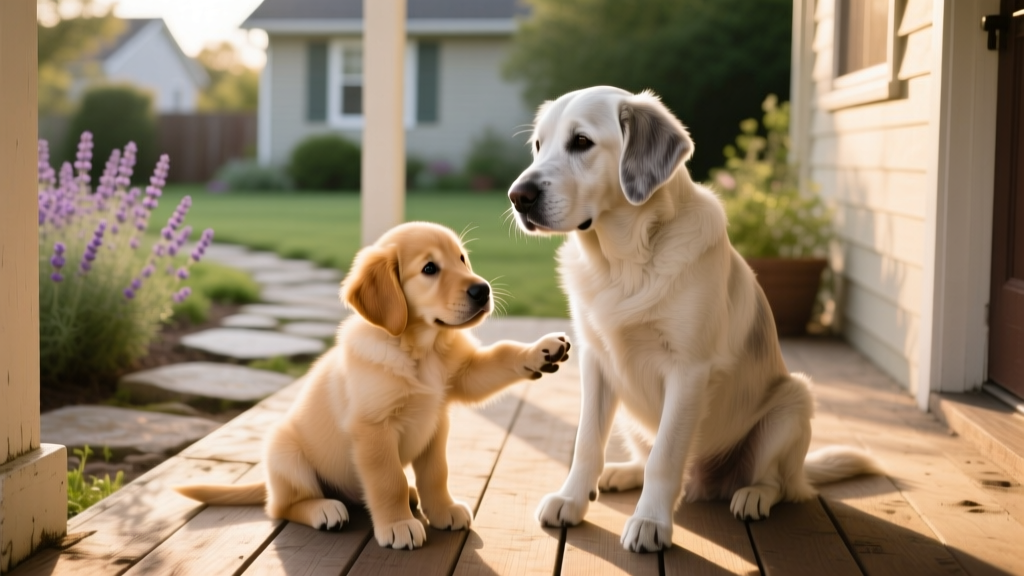
American Pit Bull Terrier Puppy Guide: Milestones, Feeding & Training
Complete American Pit Bull Terrier puppy guide covering age milestones, feeding schedules, potty training, vaccinations, and first-year costs.

Bringing Your American Pit Bull Terrier Puppy Home
The American Pit Bull Terrier (APBT) is a loyal, athletic, and people-oriented breed that demands thoughtful early care. If you've just committed to an American Pit Bull Terrier puppy — or you're preparing to — the decisions you make between 8 weeks and 12 months will shape your dog's behavior, health, and temperament for life.
This guide walks you through every developmental stage with breed-specific expectations. Pit bulls mature physically faster than many breeds but can retain puppy-level energy and mouthiness well past their first birthday. They're also exceptionally sensitive dogs that respond poorly to harsh correction — positive reinforcement and structured socialization are non-negotiable.
Before pickup day, prepare a crate (36-inch wire crate for most APBTs — they'll grow into it with a divider panel), puppy-proof your home by removing electrical cords and toxic houseplants, and stock up on the supplies listed in the cost breakdown below.
Age-Specific Milestones for Your APBT Puppy
American Pit Bull Terrier puppies develop rapidly in the first year. Here's what to expect at each stage, with concrete benchmarks so you know whether your puppy is on track.
Weeks 4–8 (With the Breeder)
- Weight: 4–10 lb (1.8–4.5 kg)
- Teeth: Deciduous (baby) teeth fully erupted — 28 sharp milk teeth
- Behavior: Littermate play teaches bite inhibition; puppies begin exploring solid food
- Senses: Eyes and ears fully functional; startle responses to loud noises are normal
- Your role: If visiting the litter, handle your puppy gently for short sessions (5–10 min) to build human bonding
Weeks 8–12 (Home Adjustment)
- Weight: 10–20 lb (4.5–9 kg)
- Sleep: 18–20 hours per day — expect frequent naps between bursts of energy
- Behavior: Fear imprint period begins around week 8; avoid overwhelming experiences
- Training: Can learn name recognition, sit, and basic crate entry with food luring
- Chewing: Early teething discomfort begins; provide frozen washcloths and rubber puppy toys (Kong Classic Puppy, size Small)
Weeks 12–16 (Growing Confidence)
- Weight: 20–30 lb (9–14 kg)
- Bladder control: Improving — can hold 2–3 hours during the day
- Behavior: Testing boundaries; may start jumping, mouthing harder, and ignoring recall
- Training: Ideal window for leash introduction, impulse control games (wait for food), and handling exercises (paw, ear, mouth touching)
- Socialization: Critical period closes around 14–16 weeks — maximize positive exposures now
Weeks 16–24 (The Adolescent Shift)
- Weight: 30–45 lb (14–20 kg)
- Teeth: Adult teeth erupting; baby teeth shed between 4–6 months
- Behavior: Second fear period may occur around 6 months; previously confident puppy may suddenly spook at familiar objects
- Training: Increase difficulty gradually; practice recall with a long line (15–30 ft) in safe areas
- Exercise: Structured walks (not forced running) — 5 minutes per month of age, twice daily
Months 6–12 (Young Adult Transition)
- Weight: 35–60 lb (16–27 kg) — males typically 35–60 lb, females 30–50 lb per the AKC breed profile (note: the APBT is registered through UKC, not AKC, but weight ranges align)
- Behavior: Energy remains high; many APBTs retain adolescent mouthiness and playfulness until 18–24 months
- Spay/neuter: Discuss timing with your veterinarian — current evidence supports waiting until 6–12 months for medium breeds to allow growth plate closure
- Training: Advance to Canine Good Citizen prep; consider agility or weight-pull foundations for mental stimulation
Feeding Schedule: Portions by Age and Weight
APBT puppies are muscular, high-energy dogs that need a diet formulated for medium-breed growth. Look for an AAFCO-approved puppy food with the statement "formulated for growth" or "all life stages." Avoid large-breed puppy formulas — those are designed for dogs over 70 lb adult weight and restrict calories too much for an APBT.
Aim for a food with minimum 22% protein and 8% fat (dry matter basis), with a named animal protein (chicken, lamb, salmon) as the first ingredient. Popular options that meet these criteria include Purina Pro Plan Puppy, Royal Canin Medium Puppy, and Taste of the Wild High Prairie Puppy.
| Age | Meals Per Day | Daily Amount (Dry Kibble) | Notes |
|---|---|---|---|
| 8–12 weeks | 3–4 meals | ¾ to 1 cup total per day | Moisten kibble with warm water if puppy struggles to chew |
| 12–16 weeks | 3 meals | 1 to 1½ cups total per day | Transition to dry kibble; reduce meal frequency |
| 4–6 months | 2–3 meals | 1½ to 2 cups total per day | Monitor body condition score (BCS) — ribs should be palpable with light pressure |
| 6–12 months | 2 meals | 1¾ to 2½ cups total per day | Transition to adult food around 10–12 months (gradually over 7–10 days) |
How often should I feed my puppy at each age? At 8–12 weeks, feed 3–4 times daily to prevent hypoglycemia (small puppies burn through glucose fast). Drop to 3 meals at 12 weeks, then 2 meals by 6 months. Always feed measured portions rather than free-feeding — APBTs are food-motivated and prone to overeating, which stresses developing joints.
Vaccination Schedule for Your APBT Puppy
Your puppy's vaccination protocol protects against life-threatening diseases. The core vaccine series for APBT puppies follows the same schedule recommended by the American Veterinary Medical Association (AVMA). Here's exactly what your vet will administer:
| Age | Vaccine | What It Protects Against | Typical Cost |
|---|---|---|---|
| 6–8 weeks | DHPP (1st dose) | Distemper, Hepatitis (Adenovirus), Parainfluenza, Parvovirus | $20–$40 |
| 10–12 weeks | DHPP (2nd dose), Bordetella (optional) | Same as above + Kennel Cough (Bordetella) | $25–$50 |
| 14–16 weeks | DHPP (3rd dose), Rabies | Full DHPP coverage + Rabies (legally required in most states) | $30–$60 |
| 12–16 months | DHPP booster, Rabies booster | Long-term immunity maintenance | $40–$75 |
What vaccines does my puppy need and when? The DHPP combination vaccine is the backbone of puppy immunization. Maternal antibodies interfere with early vaccines, which is why boosters are given every 2–4 weeks until 16 weeks of age. The rabies vaccine is typically given at 14–16 weeks and is required by law in nearly all U.S. states.
Your vet may also recommend leptospirosis, Lyme, or canine influenza vaccines depending on your region and lifestyle. Consult your veterinarian about which non-core vaccines make sense for your puppy's exposure risk.
The Socialization Window: Weeks 3–14
The primary socialization window for puppies closes between 12 and 14 weeks of age. For an American Pit Bull Terrier puppy — a breed that faces public stigma and breed-specific legislation in some jurisdictions — early, positive socialization is arguably the most important investment you can make. A well-socialized APBT is a confident, stable ambassador for the breed.
When can my puppy go outside and meet other dogs? You can carry your puppy outside immediately for environmental exposure (sights, sounds, surfaces). However, for direct contact with other dogs, wait until at least 7 days after the second DHPP vaccine (around 12 weeks). Arrange playdates with known, fully vaccinated adult dogs in private yards rather than visiting dog parks.
Use the "one new thing per day" rule as a baseline. If your puppy shows fear (cowering, tucked tail, refusal to take treats), increase distance from the stimulus and toss treats to create positive association — never force interaction. This is counter-conditioning in action.
Potty Training Timeline and Troubleshooting
When will my puppy be fully potty trained? Most APBT puppies achieve reliable house training between 4 and 6 months of age, though some take until 8 months. "Fully trained" means fewer than one accident per month with consistent routine. This is realistic — anyone promising 3-day potty training is selling fantasy.
APBT puppies are intelligent and respond well to schedule-based training. Here's a realistic progression:
| Age | Bladder Hold Time | Outing Frequency | Expected Accidents/Week |
|---|---|---|---|
| 8–10 weeks | 30–60 minutes | Every 30–45 min while awake, plus after every meal, nap, and play session | 5–10 (normal) |
| 10–14 weeks | 1–2 hours | Every 1–1.5 hours | 2–5 |
| 3–4 months | 2–3 hours | Every 2 hours + after meals/naps | 1–3 |
| 4–6 months | 3–4 hours | Every 3–4 hours | 0–2 |
| 6+ months | 4–6 hours | Every 4–5 hours, morning and night | 0–1 |
Troubleshooting common issues:
- Submissive urination when greeting: Common in APBT puppies — they're an eager-to-please breed. Ignore the puppy for the first 30 seconds when you enter, greet calmly at their level, and never punish (it makes it worse). Most outgrow this by 6–8 months.
- Nighttime accidents: Set an alarm for one nighttime bathroom break (around 2–3 AM) until 12 weeks. Most APBT puppies sleep through the night by 14–16 weeks if crated near your bedroom.
- Regression at 4–5 months: Hormonal changes and increased independence can cause temporary setbacks. Return to more frequent outings and higher-value outdoor rewards (real chicken, not just kibble).
Crate Training Progression and Time Limits
APBTs generally take to crates well because they're den-oriented and seek cozy, enclosed spaces. The crate is your management tool for potty training, preventing destructive chewing, and giving your puppy a safe retreat.
Crate time limits by age:
- 8–10 weeks: 30–45 minutes maximum during the day (except overnight with a bathroom break)
- 10–14 weeks: 1–2 hours maximum during the day
- 3–4 months: 2–3 hours maximum
- 4–6 months: 3–4 hours maximum
- 6+ months: 4–5 hours maximum during the day
No puppy or adult dog should be crated for more than 5–6 consecutive hours during the day. APBTs are social dogs — excessive crating leads to frustration, anxiety, and barrier reactivity.
Crate training steps:
- Leave the crate door open with a soft blanket and a stuffed Kong inside. Let your puppy explore freely for 2–3 days.
- Feed all meals inside the crate with the door open, then gradually close the door during meals and open it immediately after.
- Close the door for 1-minute intervals while you sit nearby, gradually extending to 5, then 10, then 30 minutes.
- Leave the room briefly while puppy is crated, returning before they become distressed. Build absence duration in 5-minute increments.
If your puppy whines, wait for a 3-second pause in vocalization before opening the door — this teaches that quiet earns freedom, not noise. Never use the crate as punishment.
Teething Timeline and Relief Strategies
APBT puppies have powerful jaws, and teething makes them want to chew everything. Here's the eruption timeline:
- 3–4 weeks: Deciduous incisors emerge
- 4–6 weeks: Deciduous canines and premolars fully in (28 baby teeth total)
- 3–4 months: Baby incisors shed; adult incisors erupt
- 4–5 months: Adult canines emerge — you may find baby teeth on the floor or in food bowls
- 5–6 months: Adult premolars and molars complete eruption (42 adult teeth total)
- 6–7 months: All adult teeth should be in; if baby canines haven't fallen out, your vet may need to extract them (retained deciduous teeth can misalign the bite)
Safe chew recommendations by age:
- 8–12 weeks: Frozen damp washcloth (knot it first), Kong Classic Puppy (size Small, filled with soaked kibble and peanut butter — xylitol-free only), Nylabone Puppy Chew (soft formula)
- 3–4 months: Bully sticks (supervised — remove when small enough to swallow), frozen carrots, Benebone Puppy (size Small)
- 4–6 months: Kong Classic (size Medium, red rubber), Goughnuts Medium ring, yak cheese chews (supervised)
Avoid: Raw bones (splinter risk), antlers (too hard — can fracture developing teeth), tennis balls (abrasive felt wears enamel), and any chew smaller than your puppy's muzzle width.
Common APBT Puppy Problems and Solutions
How do I stop puppy biting and nipping? APBT puppies are notoriously mouthy — this breed communicates through their mouth more than many others. Puppy biting peaks between 10 and 16 weeks and should gradually decline by 5–6 months with consistent management.
What Works
- Redirect to a toy: When teeth touch skin, say "oops" calmly, withdraw attention for 5 seconds, then offer an appropriate chew
- Reverse time-out: Stand up and leave the room for 10–15 seconds after a hard bite. This mimics littermate behavior (puppies who bite too hard get ignored)
- Teach "leave it" and "drop": Start with low-value items, build to high-value — impulse control reduces mouthing
- Satisfy the chew drive: Provide 3–5 approved chews rotated daily to maintain novelty
What Doesn't Work (and Causes Harm)
- Yelling or physical punishment: Increases fear and can trigger defensive biting — APBTs are sensitive dogs
- Holding the mouth shut: Creates hand-shyness and damages trust
- Bitter sprays on hands: Confuses the puppy — hands should be associated with positive touch, not aversive tastes
- Alpha rolls or scruffing: Debunked dominance methods that increase anxiety and aggression risk
Other breed-specific puppy challenges:
- Jumping up: APBTs are physically enthusiastic. Teach "four on the floor" by rewarding all four paws on the ground and turning your back when they jump. Consistency from every family member is critical.
- Leash pulling: These dogs are strong pullers even as puppies. Use a front-clip harness (Rabbitgoo or 2 Hounds Design Freedom Harness) and reward loose-leash walking with direction changes — when the leash goes tight, you stop and change direction.
- Whining in the crate: Differentiate between protest whining (ignore until quiet) and distress (panting, drooling, self-injury — your puppy needs a slower crate training progression).
- Destructive chewing: APBT puppies have extraordinary jaw strength. Puppy-proof every room by removing shoes, remotes, and baseboard edges. Provide heavy-duty approved chews and rotate them to maintain interest.
First-Year Cost Breakdown
Budgeting realistically prevents surrender — APBTs are one of the most commonly surrendered breeds in U.S. shelters, often because owners underestimate the time and financial commitment. Here's a detailed first-year cost estimate for 2025–2026:
| Category | Items | Estimated Cost |
|---|---|---|
| Puppy Acquisition | Responsible breeder (health-tested parents, UKC registration) OR rescue adoption fee | $500–$2,000 (breeder) / $150–$400 (rescue) |
| Veterinary Care | Initial exam, 3 DHPP vaccines, rabies, deworming (2–3 rounds), fecal tests, heartworm prevention (monthly), spay/neuter | $600–$1,200 |
| Food | Puppy formula kibble (10–12 months supply), treats for training | $350–$600 |
| Supplies | Crate (36" with divider), front-clip harness, leash, collar, ID tags, bowls, bedding, chew toys, grooming supplies, enzymatic cleaner | $250–$500 |
| Training | Group puppy class (6–8 weeks), optional private sessions for specific issues | $150–$400 (group) / $100–$200/session (private) |
| Insurance/Emergency Fund | Pet insurance (monthly premium) OR emergency savings buffer | $350–$600/year (insurance) / $1,000+ recommended (emergency fund) |
| Total Estimated First-Year Cost | $2,200–$5,300 | |
Pet insurance premiums for an APBT puppy typically range from $30–$50/month with major providers like Trupanion, Healthy Paws, or Nationwide. Enrolling before any conditions develop ensures pre-existing condition exclusions don't limit your coverage later. APBTs can be prone to skin allergies and joint issues — both expensive to treat without insurance.
Frequently Asked Questions
When should I bring my APBT puppy home?
Between 8 and 10 weeks of age. Puppies need the weeks 6–8 period with their littermates to learn bite inhibition and canine social skills. Taking a puppy earlier increases behavioral risk. If you're working with a rescue, some puppies are available at 8 weeks after veterinary clearance and first vaccinations.
How often should I feed my puppy at 10 weeks old?
At 10 weeks, feed 3–4 meals per day, totaling approximately ¾ to 1 cup of high-quality puppy kibble daily. Split the daily amount evenly across meals. Consistent meal timing also helps predict potty timing — most puppies need to eliminate 15–30 minutes after eating.
When will my puppy be fully potty trained?
Expect reliable house training between 4 and 6 months with a consistent schedule. "Reliable" means one or fewer accidents per month. Some APBT puppies take until 8 months, especially males. If accidents increase suddenly or your puppy strains to urinate, consult your veterinarian to rule out a urinary tract infection.
What vaccines does my puppy need and when?
Core vaccines: DHPP at 6–8 weeks, 10–12 weeks, and 14–16 weeks. Rabies at 14–16 weeks. Your vet may also recommend Bordetella (kennel cough) if your puppy will attend group classes or boarding. Boosters are given at 12–16 months, then DHPP every 3 years and rabies per local law (every 1–3 years).
How do I stop my APBT puppy from biting?
Redirect every bite to an appropriate chew toy. When teeth contact skin, say "oops" and withdraw attention for 5–10 seconds (stand up, turn away). Resume play with a toy. Provide 3–5 rotated chew options daily. Never hit, yell, or hold the mouth shut — these methods damage trust and can escalate biting. Most APBT puppies significantly reduce mouthing by 5–6 months with consistent redirection.
When can my puppy go outside and meet other dogs?
Carry your puppy outside for environmental exposure from day one. For ground-level walks in low-traffic areas (your yard, quiet sidewalks), wait until 5–7 days after the second DHPP vaccine (around 12 weeks). For playdates with known, vaccinated dogs, the same timeline applies. Avoid dog parks, pet store floors, and high-traffic areas until 7 days after the final DHPP booster at 16 weeks.
Tom Renshaw
All our authors care for dogs every day — read more of their work on the authors page.