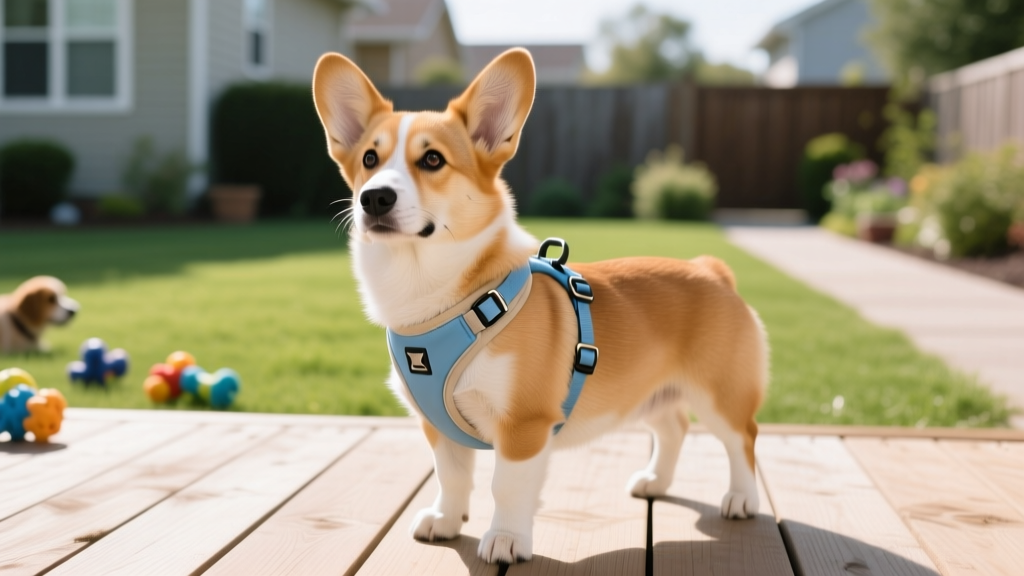
Puppy Rabies Shot Schedule & First-Year Care
When should your puppy get a rabies shot? This breed-specific guide covers the full puppy rabies shot timeline, vaccinations, feeding, potty training, &...

Why the Puppy Rabies Shot Matters More Than You Think
If you've just brought home a new puppy — or are about to — you've probably heard the phrase "puppy rabies shot" tossed around at the vet's office. But understanding exactly when this vaccine fits into your puppy's first-year timeline, why it can't be given too early, and what other vaccines need to happen alongside it is the difference between a protected dog and a vulnerable one.
Rabies is a fatal viral disease with no cure once clinical signs appear. According to the American Veterinary Medical Association (AVMA), rabies kills tens of thousands of animals annually in the U.S. alone, and it remains a serious public health concern. The puppy rabies shot is not optional — it's required by law in every U.S. state, though specific timing and booster intervals vary by jurisdiction. Always check your local regulations.
This guide walks you through the entire first year of puppy ownership with the rabies vaccine as an anchor point. We'll cover breed-specific milestones, feeding portions by weight, potty training realities, the critical socialization window, and what your wallet should expect. Whether you have a Labrador Retriever, a German Shepherd, or a mixed-breed rescue, these frameworks apply — with notes on where large, medium, and small breeds diverge.
The Puppy Rabies Shot: Timing, Dosage, and Legal Requirements
The rabies vaccine is typically administered between 12 and 16 weeks of age, with 14–16 weeks being the most common window recommended by veterinarians. Here's why timing is non-negotiable:
- Maternal antibody interference: Before 12 weeks, antibodies passed from the mother through colostrum can neutralize the vaccine, rendering it ineffective.
- Immune system maturity: By 12–16 weeks, a puppy's adaptive immune system can mount a reliable antibody response.
- Legal compliance: Most states require the first rabies vaccination by 16 weeks (some allow up to 24 weeks), administered by a licensed veterinarian.
Rabies Vaccine Types and Boosters
Two categories of rabies vaccines exist for dogs: 1-year and 3-year formulations. Puppies almost universally receive the 1-year vaccine for their first dose. The booster given one year later can then be the 3-year formulation, depending on your vet's protocol and local law.
| Age | Vaccines Administered | Notes |
|---|---|---|
| 6–8 weeks | DHPP (Distemper, Hepatitis/Adenovirus, Parainfluenza, Parvovirus) — 1st dose | Often given by breeder/rescue before pickup |
| 10–12 weeks | DHPP — 2nd dose; Bordetella (optional, recommended for social dogs); Leptospirosis (risk-dependent) | Begin socialization classes after this visit |
| 14–16 weeks | DHPP — 3rd dose; Rabies (1-year); Leptospirosis 2nd dose if started | Rabies legally required; DHPP final puppy dose |
| 12–16 months | DHPP booster; Rabies (3-year); Bordetella booster if needed | Transition to adult vaccine schedule |
The American Kennel Club (AKC) recommends that non-core vaccines like Bordetella, Leptospirosis, and Lyme disease be based on your puppy's lifestyle and regional risk. Discuss these with your vet during the 10–12 week visit.
Age-Specific Milestones: What to Expect Week by Week
Weeks 4–8: The Breeder/Rescue Phase
During this period, your puppy is still with the breeder or rescue organization. Key developments include:
- Weaning: Transition from mother's milk to softened puppy kibble (puppy mush) begins around week 4 and is usually complete by week 7.
- First DHPP vaccine: Administered at 6–8 weeks.
- Early socialization with littermates: Bite inhibition learning begins. Puppies removed before week 8 often show higher rates of resource guarding and fear-based aggression later in life, according to a study published in the Journal of Veterinary Behavior.
- Deworming: Typically at 2, 4, 6, and 8 weeks (pyrantel pamoate or fenbendazole).
Weeks 8–12: Homecoming and Adjustment
This is when most puppies join their new families. Expect:
- Sleep: 18–20 hours per day is normal. Puppies this age need frequent naps between short play sessions.
- Crate introduction: Begin immediately with positive associations (meals in crate, treat scatter, covered crate for den feeling).
- First vet visit: Within 48–72 hours of homecoming for a full physical exam, fecal parasite test, and DHPP booster.
- Weight tracking: Weigh your puppy weekly. Large breeds (German Shepherds, Labs, Golden Retrievers) should gain approximately 2–2.5 lb per week during this phase. Small breeds (Chihuahuas, Yorkies) gain 0.5–1 lb per week.
Weeks 12–16: The Puppy Rabies Shot Window
This is the critical vaccination milestone. Alongside the rabies vaccine:
- Final DHPP dose is given at 14–16 weeks.
- Teething begins: Deciduous (baby) teeth start loosening around 12–16 weeks. Expect increased chewing and drooling.
- Fear period: Many puppies experience a developmental fear period between 8–11 weeks and again around 6–14 months. Avoid overwhelming experiences; use counter-conditioning with high-value treats.
- Leash introduction: Short 5-minute walks on a flat harness (not a collar for puppies under 6 months to protect the trachea).
Weeks 16–24: Adolescence Approaches
- Adult teeth emerge: All 42 permanent teeth should be in by 6–7 months. If baby teeth haven't fallen out by 7 months, your vet may need to extract them (common in small breeds).
- Spay/neuter discussion: For large breeds, the AVMA and recent research suggest delaying gonadectomy until 12–18 months to reduce orthopedic risks like hip dysplasia and cranial cruciate ligament tears. Small breeds can typically be spayed/neutered at 6 months.
- Training escalation: Impulse control exercises (wait, leave-it, settle on mat) become the priority over basic obedience.
6–12 Months: The Teenage Phase
- Energy spike: Adolescent dogs need 45–90 minutes of structured exercise daily (breed-dependent). Mental stimulation (puzzle feeders, scent work, training sessions) tires them more effectively than physical exercise alone.
- Regression: Previously reliable commands may temporarily break down. This is normal developmental behavior, not a training failure. Maintain consistency.
- 12–16 month vet visit: Rabies booster (now 3-year), DHPP booster, heartworm test, and transition to adult food for small/medium breeds. Large breeds should stay on large-breed puppy food until 12–18 months.
Feeding Schedule: Exact Portions by Age and Weight
Feeding is one of the most common sources of owner confusion. The table below provides baseline portions for a high-quality AAFCO-approved puppy kibble (minimum 22% protein, 8.5% fat for growth). Adjust based on your puppy's body condition score (BCS) — you should be able to feel ribs without pressing hard, and see a visible waist from above.
| Age | Meals/Day | Small Breed (under 25 lb adult) | Medium Breed (25–60 lb adult) | Large Breed (60–100+ lb adult) |
|---|---|---|---|---|
| 8–12 weeks | 4 meals | ¼–½ cup/day total | ½–¾ cup/day total | 1–1½ cups/day total |
| 12–16 weeks | 3–4 meals | ⅓–⅔ cup/day | ¾–1¼ cups/day | 1½–2½ cups/day |
| 4–6 months | 3 meals | ½–¾ cup/day | 1–2 cups/day | 2–3½ cups/day |
| 6–12 months | 2 meals | ½–1 cup/day (may transition to adult food at 9–12 mo) | 1½–2½ cups/day | 2½–4 cups/day (stay on large-breed puppy formula) |
Large-breed puppy food is essential for dogs projected to exceed 70 lb as adults. These formulas contain controlled calcium (1.0–1.5% dry matter) and phosphorus ratios to prevent developmental orthopedic diseases like osteochondritis dissecans (OCD) and hip dysplasia. Feeding a standard puppy formula to a Great Dane or Mastiff puppy significantly increases skeletal abnormality risk.
Potty Training Timeline: Realistic Expectations
Let's address the biggest myth in puppy ownership: potty training does not happen in a weekend. A reliable house-training timeline looks like this:
- 8–10 weeks: Accidents every 1–2 hours. Take puppy out immediately after waking, eating, drinking, and playing. Use a consistent door and verbal cue ("go potty").
- 10–14 weeks: Bladder control improves to 2–3 hours. Crate training accelerates progress because dogs avoid soiling their sleeping area.
- 4–6 months: Most puppies can hold 4–5 hours during the day. Nighttime holding reaches 6–7 hours for medium/large breeds; small breeds may still need one overnight break.
- 6–9 months: Generally reliable indoors with occasional lapses during excitement or schedule changes. This is when most owners consider their puppy "fully trained."
- 9–12 months: Consistent reliability for 8+ hours (adult workday) in medium/large breeds. Small breeds (under 15 lb) may always need a midday break due to smaller bladder capacity.
Troubleshooting Common Potty Training Issues
Submissive/excitement urination: Common in puppies under 6 months. Avoid leaning over or making intense eye contact during greetings. Greet calmly, take puppy outside immediately upon entering the house.
Regression at 4–5 months: Often coincides with teething discomfort and increased independence. Return to more frequent outdoor trips and reinforce with high-value treats (freeze-dried liver, small cheese pieces).
Marking behavior (6–12 months): Intact males may begin lifting a leg and marking indoors. Spaying/neutering reduces but doesn't always eliminate this behavior. Interrupt marking with a neutral "oops" and redirect outside.
The Critical Socialization Window: Weeks 3–14
The Merck Veterinary Manual identifies the primary socialization period as 3 to 14 weeks of age. During this window, puppies form lasting associations with novel stimuli. What they experience positively during this period becomes "normal" for life; what they don't encounter becomes potentially frightening.
This creates a tension: your puppy isn't fully vaccinated until 16 weeks, but the socialization window closes at 14 weeks. The AVMA and the American Veterinary Society of Animal Behavior (AVSAB) recommend controlled socialization before full vaccination rather than waiting, because behavioral euthanasia kills more dogs than parvovirus in the U.S.
Socialization Exposure Checklist
Aim for 2–3 positive novel experiences per day during weeks 8–14. Here's your checklist:
- Surfaces: Grass, gravel, metal grates, tile, carpet, wet pavement, sand — at least 8 different surfaces
- People: Children (supervised), tall people, people wearing hats/sunglasses/masks, people using wheelchairs or crutches, people of different skin tones and ages
- Animals: Vaccinated adult dogs (known health status), cats (if household has them), livestock if accessible
- Sounds: Vacuum cleaner, thunderstorm recordings (start at low volume), doorbell, traffic, construction noise, fireworks recordings
- Handling: Paw touching, ear inspection, mouth opening, nail trimming practice, collar/harness manipulation, being gently restrained
- Environments: Car rides, pet store (carried if unvaccinated), outdoor café patio, friend's house, veterinary waiting room (positive visit, no procedures)
- Objects: Umbrellas opening, balloons, trash cans, bicycles, skateboards, plastic bags blowing in wind
Rule of thumb: If your puppy shows fear (cowering, tail tucking, freezing), increase distance from the stimulus and offer high-value treats. Never force interaction. The goal is exposure with positive association, not flooding.
Teething Timeline and Relief Strategies (3–6 Months)
Puppies have 28 deciduous teeth that begin erupting at 3–4 weeks and are fully in by 6–8 weeks. The replacement process begins around 12–16 weeks:
- 12–16 weeks: Incisors shed first. You may find tiny teeth in bedding or toys — but many puppies swallow them (harmless).
- 16–20 weeks: Canine teeth (fangs) are replaced. This is peak chewing intensity.
- 20–24 weeks: Premolars and molars emerge. Some puppies develop "puppy breath" odor during this phase.
- 24–28 weeks: All 42 adult teeth should be in place. Retained deciduous teeth (especially upper canines) are common in small breeds and may require veterinary extraction.
Safe Chew Recommendations by Stage
3–4 months (early teething): Frozen washcloths soaked in low-sodium chicken broth, rubber KONG Classic (puppy size) stuffed with softened kibble and frozen, Nylabone Puppy Chew (softer formulation).
4–5 months (peak chewing): Benebone Wishbone (size-appropriate), frozen carrot sticks, West Paw Zogoflex Hurley, bully sticks (supervised, remove when small enough to choke).
5–6 months (molars emerging): Yak cheese chews, Goughnuts Ring (indestructible option for power chewers), frozen apple slices (core and seeds removed).
Crate Training Progression and Time Limits
Crate training protects your puppy from household hazards and accelerates potty training. But crating for excessive periods causes anxiety and undermines the process. Follow these age-based limits:
| Puppy Age | Max Daytime Crate Duration | Max Nighttime Duration | Notes |
|---|---|---|---|
| 8–10 weeks | 30–60 minutes | 3–4 hours (set alarm for potty break) | Crate must be in bedroom; whining expected |
| 10–14 weeks | 1–2 hours | 4–5 hours | Begin moving crate to desired permanent location |
| 14–16 weeks | 2–3 hours | 5–6 hours | Can begin short absences from home |
| 4–6 months | 3–4 hours | 7–8 hours | Most puppies sleep through the night now |
| 6–12 months | 4–5 hours | 8–9 hours | Transition to exercise pen or dog-proofed room for longer absences |
Crate sizing rule: The crate should allow your puppy to stand, turn around, and lie down — but not so large that they can eliminate in one corner and sleep in another. Use a divider panel in a full-size crate and adjust as your puppy grows.
Common Puppy Problems and Solutions
Puppy Biting and Nipping
Mouthing is normal canine behavior — puppies explore the world with their mouths and are learning bite inhibition. However, puppy teeth are razor-sharp, and the behavior must be redirected, not punished.
What works (positive reinforcement approach):
- Redirect to appropriate chew: When teeth touch skin, say "oops" in a neutral tone, withdraw attention for 5 seconds, then offer a toy. Resume play when puppy mouths the toy.
- Reverse time-out: If biting persists, you leave the room for 10–15 seconds. This teaches that biting ends play — the opposite of what the puppy wants.
- Enforced naps: Overtired puppies bite more. If your puppy is biting frantically, they likely need sleep. Place them in the crate with a chew toy; most will fall asleep within 5 minutes.
- Hand-feeding: Feed kibble by hand during training sessions. If teeth touch skin, close your fist and pause. This builds gentle mouth habits.
What doesn't work: Holding the muzzle shut, yelping loudly (can escalate arousal in some puppies), alpha rolls, or any physical punishment. These damage trust and can create fear-based aggression.
Whining in the Crate
Distinguish between protest whining (demand-based) and distress whining (panic). Protest whining typically starts immediately upon crating and stops within 5–15 minutes. Distress whining escalates, includes panting, drooling, and attempts to escape.
For protest whining: Wait for 3–5 seconds of silence before opening the crate or giving attention. Reward quiet behavior with treats dropped through the crate.
For distress whining: Your puppy may need a slower introduction. Feed all meals in the open crate for a week before closing the door. Practice 30-second crating sessions while you're home before attempting longer absences.
Destructive Chewing
Puppies chew for three reasons: teething pain, boredom, and exploration. Solutions include:
- Rotate toys weekly to maintain novelty (4–5 toys available at a time, swap with a stored set).
- Provide 15–20 minutes of mental stimulation daily (snuffle mats, frozen KONG, training sessions).
- Dog-proof at puppy eye level: remove shoes, cords, remotes, and houseplants (many are toxic — lilies, sago palm, pothos).
First-Year Cost Breakdown
Budgeting for a puppy is where many new owners get blindsided. Here's a realistic first-year cost breakdown based on 2025–2026 pricing from veterinary clinics and pet supply retailers across the U.S.
| Category | Low End | Average | High End |
|---|---|---|---|
| Puppy purchase/adoption | $200 (rescue) | $1,500 (responsible breeder) | $3,500+ (popular breeds) |
| Veterinary care (vaccines, exams, spay/neuter, heartworm prevention) | $600 | $1,200 | $2,000 |
| Food (quality puppy kibble) | $300 | $500 | $900 (large breed, premium brand) |
| Supplies (crate, bed, harness, leash, bowls, toys, gates) | $200 | $400 | $700 |
| Training (group classes + optional private sessions) | $150 | $400 | $1,200 |
| Pet insurance (annual premium) | $350 | $600 | $900 |
| Emergency fund (recommended reserve) | $500 | $1,000 | $2,000+ |
| TOTAL (excluding purchase price) | $2,100 | $4,100 | $7,700+ |
Money-saving tip: Enroll in pet insurance before your puppy's first vet visit. Pre-existing conditions are excluded by every major insurer, so enrolling at 8 weeks ensures the broadest coverage. Companies like Trupanion, Healthy Paws, and Nationwide offer puppy-specific plans starting at $30–$50/month.
Frequently Asked Questions
When should I bring my puppy home?
The ideal age is 8 to 10 weeks. Puppies removed before 8 weeks miss critical littermate socialization that teaches bite inhibition and canine communication. Some breeders of large, slow-maturing breeds (Bernese Mountain Dogs, Great Pyrenees) keep puppies until 10–12 weeks for additional socialization in a structured program. Avoid breeders who release puppies at 6 weeks — this is a red flag for irresponsible practices.
How often should I feed my puppy at each age?
At 8–12 weeks: 4 meals per day, spaced roughly 4 hours apart during waking hours (e.g., 7 AM, 11 AM, 3 PM, 7 PM). At 12–16 weeks: 3–4 meals per day. At 4–6 months: 3 meals per day. At 6+ months: 2 meals per day for life. Avoid free-feeding (leaving food out constantly) — it makes potty training unpredictable and increases obesity risk.
When will my puppy be fully potty trained?
Most puppies achieve reliable house training between 4 and 6 months of age, with some small breeds taking until 8–9 months due to smaller bladder capacity. "Fully trained" means fewer than one accident per month under normal conditions. If your puppy is still having daily accidents past 6 months, consult your veterinarian to rule out urinary tract infections, anatomical issues like ectopic ureters (common in female Labrador Retrievers and Siberian Huskies), or diabetes.
What vaccines does my puppy need and when?
Core vaccines for all puppies: DHPP (a combination covering distemper, adenovirus/hepatitis, parainfluenza, and parvovirus) at 6–8, 10–12, and 14–16 weeks. Rabies at 12–16 weeks (the puppy rabies shot). Non-core vaccines based on lifestyle and region: Bordetella (kennel cough), Leptospirosis, Lyme disease, and canine influenza. Your veterinarian will customize this schedule based on your puppy's risk profile.
How do I stop puppy biting and nipping?
Redirect biting to appropriate chew toys, use reverse time-outs (you leave when teeth touch skin), enforce naps when your puppy becomes mouthy from overtiredness, and hand-feed meals to build gentle mouth habits. Expect biting to peak around 12–16 weeks during early teething and improve significantly by 5–6 months as adult teeth come in. Consistency from every household member is essential — mixed messages (sometimes allowing mouthing, sometimes punishing it) prolong the behavior.
When can my puppy go outside and meet other dogs?
Your puppy can go on controlled outings immediately — carried in your arms, placed in a stroller, or set on a blanket in low-traffic areas. For walking on public ground where unknown dogs have been, wait until 7 days after the second DHPP vaccine (typically around 11–13 weeks of age). Dog-to-dog socialization should only occur with dogs you know are fully vaccinated and healthy. Puppy socialization classes (which require proof of at least the first DHPP dose) are generally safe and strongly recommended by veterinary behaviorists. Avoid dog parks until your puppy has completed the full vaccine series at 16+ weeks and is at least 5–6 months old for safety reasons.
Is the puppy rabies shot safe?
Yes. The rabies vaccine has an excellent safety profile. Mild side effects include lethargy, soreness at the injection site, and mild fever lasting 24–48 hours. Serious adverse reactions (facial swelling, hives, vomiting, collapse) occur in fewer than 1% of dogs and typically appear within 30 minutes to a few hours. Your vet may recommend pre-treating with an antihistamine for dogs with a history of vaccine reactions. Small breeds (under 10 kg / 22 lb) have a slightly higher reaction rate, and some veterinarians separate the rabies vaccine from other shots by 2–3 weeks to reduce cumulative immune stimulation.
Priya Sutaria
All our authors care for dogs every day — read more of their work on the authors page.