Omega-3 For Puppies In 2026: Top DHA Supplements & Dosage Guide
Discover the best Omega-3 DHA supplements for puppies in 2026. Learn exact dosages, brain development benefits, and top fish oil picks for your growing pup.
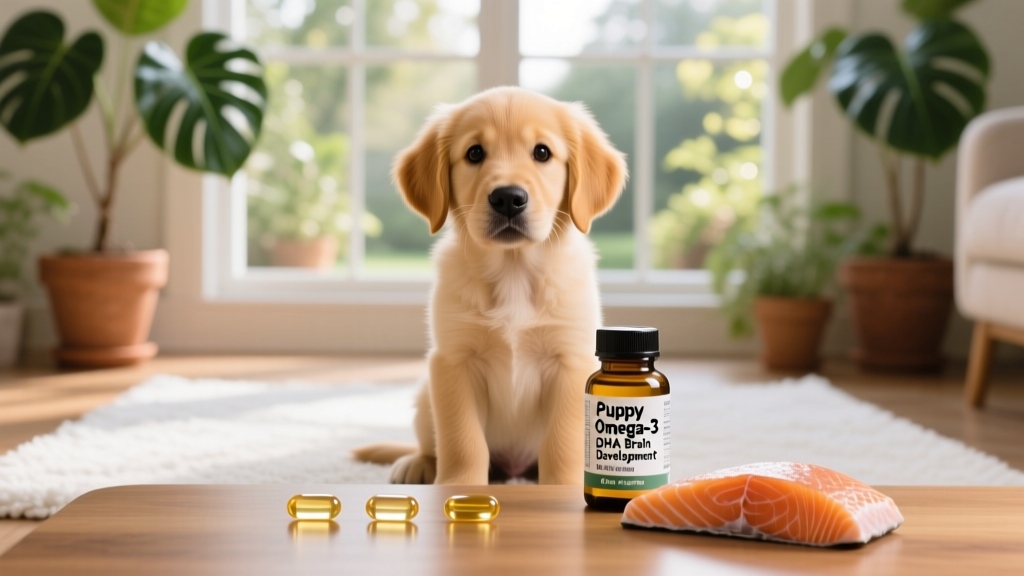
Understanding DHA for Puppies: Benefits, Dosage, and Brain Development
- DHA is crucial for puppy brain development.
- The recommended dosage is 20 mg per kg of body weight daily.
- Choose high-quality supplements or foods rich in DHA.
DHA (Docosahexaenoic Acid) is an omega-3 fatty acid that plays a vital role in the brain development of puppies. It is essential for cognitive function, vision, and overall neurological health. The American Kennel Club (AKC) recommends DHA supplementation for pregnant and nursing dogs, as well as for puppies up to 12 months of age. The optimal dosage for puppies is 20 mg per kg of body weight daily.
Table of Contents
What is DHA?
DHA (Docosahexaenoic Acid) is a long-chain omega-3 fatty acid found in fish oil, algae, and certain types of seafood. It is a primary structural component of the brain and retina, making it essential for proper neural and visual development. In puppies, DHA supports the formation of new neurons and synapses, enhancing cognitive function and learning abilities.
Benefits of DHA for Puppies
Incorporating DHA into a puppy's diet offers several key benefits:
- Brain Development: DHA is critical for the development of the central nervous system, promoting better memory, focus, and problem-solving skills.
- Visual Acuity: DHA supports the development of the retina, improving visual acuity and depth perception.
- Heart Health: Omega-3 fatty acids, including DHA, help maintain a healthy heart by reducing inflammation and supporting cardiovascular function.
- Immune System: DHA has anti-inflammatory properties that can boost the immune system, helping puppies fight off infections and diseases.
DHA Dosage Guidelines
The recommended dosage of DHA for puppies is 20 mg per kg of body weight daily. For example, a 10 kg puppy would need 200 mg of DHA each day. It is important to consult with a veterinarian to determine the appropriate dosage based on your puppy's specific needs and health condition.

How to Calculate DHA Dosage
To calculate the correct DHA dosage for your puppy, use the following formula:
DHA Dosage (mg) = Puppy's Weight (kg) × 20 mg/kg
Sources of DHA
DHA can be obtained from various sources, including:
- Fish Oil: Rich in DHA and EPA, fish oil is a popular supplement for both humans and dogs. Look for high-quality, purified fish oil to ensure safety and efficacy.
- Algal Oil: A vegan alternative to fish oil, algal oil is derived from algae and provides a sustainable source of DHA. It is ideal for puppies with fish allergies.
- Commercial Dog Foods: Many premium dog food brands include DHA in their formulas. Check the ingredient list to ensure the product contains adequate levels of DHA.
Choosing the Right DHA Supplement
When selecting a DHA supplement for your puppy, consider the following factors:
- Purity: Ensure the supplement is free from contaminants such as mercury and PCBs. Look for products that are third-party tested for purity and potency.
- Formulation: Choose a formulation that is easy to administer, such as liquid, capsules, or chewable tablets. Some puppies may prefer one form over another.
- Brand Reputation: Opt for reputable brands with positive reviews and a history of producing high-quality pet supplements.
FAQs
What are the signs of DHA deficiency in puppies?
Signs of DHA deficiency in puppies may include poor cognitive function, delayed learning, and reduced visual acuity. If you suspect a deficiency, consult your veterinarian for a proper diagnosis and treatment plan.
Can I give my puppy too much DHA?
Yes, excessive DHA intake can lead to digestive issues such as diarrhea and vomiting. Always follow the recommended dosage and consult with a veterinarian if you have concerns.
Are there any side effects of DHA supplements?
Common side effects of DHA supplements include mild digestive upset, such as gas and loose stools. These side effects are usually temporary and resolve on their own. If your puppy experiences severe or persistent symptoms, discontinue use and contact your veterinarian.
Conclusion
DHA is a crucial nutrient for the brain development and overall health of puppies. By providing the right dosage through high-quality supplements or DHA-rich foods, you can support your puppy's cognitive, visual, and immune functions. Consult with your veterinarian to determine the best DHA regimen for your furry friend and ensure they grow up healthy and happy.
aaron-whyte
All our authors care for dogs every day — read more of their work on the authors page.


