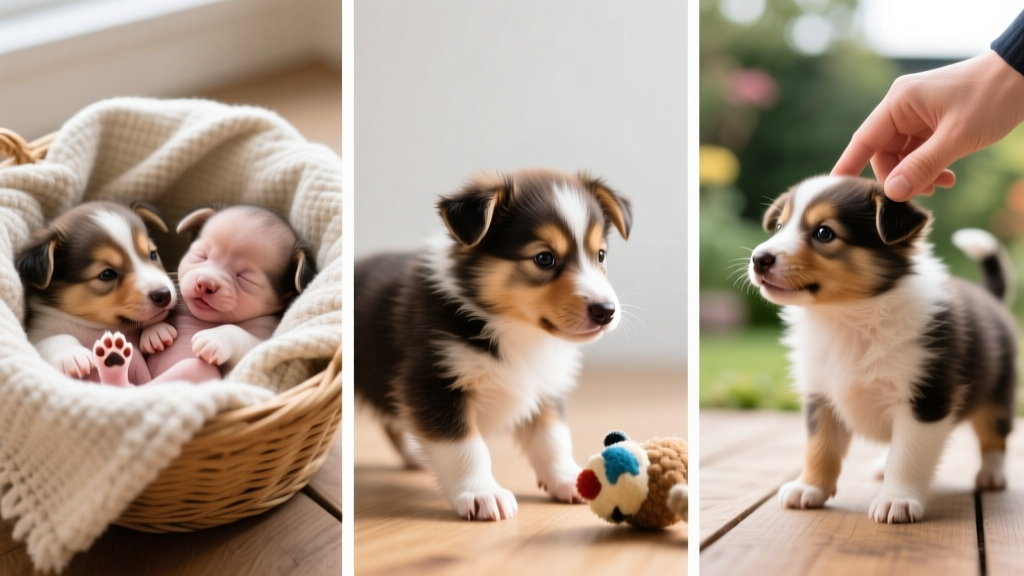
Puppy Door Gate Setup Guide: Managing Your Puppy's Space by Age
Learn how to use a puppy door gate effectively at every developmental stage.

Why a Puppy Door Gate Is the Most Important Tool You'll Buy
A puppy door gate isn't just a barrier — it's a management system that prevents accidents, protects your belongings, and teaches your puppy boundaries without constant supervision. Unlike a crate, a gate creates a flexible pen area that grows with your puppy, giving them room to move while keeping them safe. In my years helping new puppy owners, the households that install a proper gate system from day one report significantly fewer destructive chewing incidents and faster potty training outcomes.
The key is matching your gate setup to your puppy's developmental stage. A 10-week-old puppy needs a much smaller gated area than a 6-month-old adolescent. This guide walks you through exactly how to configure your puppy door gate at every milestone, what to expect behaviorally, and how to layer in feeding, potty training, and socialization so your puppy thrives.
Bringing Your Puppy Home: When and How to Set Up the Gate Area
The American Kennel Club and most veterinary behaviorists agree: puppies should remain with their littermates and mother until at least 8 weeks of age. For smaller breeds like Chihuahuas or Yorkshire Terriers, many responsible breeders keep puppies until 10-12 weeks due to their vulnerability to hypoglycemia and stress.
Before your puppy arrives, set up a gated area that includes:
- A crate (sized so the puppy can stand, turn around, and lie down — typically 24-inch crate for puppies under 20 lb / 9 kg, upgrading as they grow)
- A water bowl secured to prevent tipping
- A potty area (pee pads or a grass patch like the Fresh Patch disposable grass pad, ~$30-$35 for a standard size)
- Two to three safe chew toys
- A washable bed or blanket
The total gated space for an 8-12 week puppy should be roughly 4 feet by 6 feet (1.2m x 1.8m) — enough room for the crate, potty area, and a small play zone. As your puppy grows and demonstrates reliable potty habits, you can expand the gated area using additional panels or relocating the gate to a wider room.
Puppy Development Milestones: What to Expect Week by Week
Age-Specific Milestone Timeline
| Age Range | Developmental Stage | Gate Area Setup | Key Expectations |
|---|---|---|---|
| 4-8 weeks | Socialization period begins; weaning; littermate play | N/A — puppy still with breeder | Learning bite inhibition from siblings; first deworming; eyes/ears fully functional |
| 8-12 weeks | Fear imprint period; rapid bonding; bladder control minimal | Small gated pen (4'x6'); crate inside; potty pads adjacent to crate | Sleeps 18-20 hours/day; potty every 1-2 hours; nipping peaks; separation anxiety common at night |
| 12-16 weeks | Socialization window closing; baby teeth loosening; confidence building | Expand pen to 6'x8'; begin gating off single rooms for short supervised exploration | Potty intervals extend to 2-3 hours; chewing intensifies; responds to name and basic cues |
| 16-24 weeks | Teething peak; adolescent energy surge; testing boundaries | Gate off kitchen/hazardous rooms; allow access to 2-3 puppy-proofed rooms when home | Potty every 3-4 hours; may regress temporarily during teething; leash walking improves |
| 6-12 months | Sexual maturity; adolescent fear periods; adult teeth fully in | Gate used selectively (e.g., blocking stairs, keeping puppy out during guests); crate at night | Bladder control 4-6 hours; may test house rules; spay/neuter typically occurs in this window |
Feeding Schedule: Exact Portions by Age and Weight
Your puppy's feeding schedule directly impacts potty training success when using a door gate system. Predictable mealtimes create predictable bathroom breaks. Here's a feeding framework based on projected adult weight, using AAFCO-compliant puppy food (look for the statement "formulated to meet AAFCO nutrient profiles for growth" on the label).
| Projected Adult Weight | 8-12 Weeks | 12-24 Weeks | 6-12 Months |
|---|---|---|---|
| Small (under 20 lb / 9 kg) | ¼ - ½ cup, 3-4x/day | ½ - ¾ cup, 3x/day | ¾ - 1 cup, 2x/day |
| Medium (20-50 lb / 9-23 kg) | ½ - 1 cup, 3x/day | 1 - 1½ cups, 3x/day | 1½ - 2½ cups, 2x/day |
| Large (50-90 lb / 23-41 kg) | 1 - 1½ cups, 3x/day | 1½ - 2½ cups, 3x/day | 2½ - 4 cups, 2x/day |
| Giant (90+ lb / 41+ kg) | 1½ - 2 cups, 3x/day | 2 - 3½ cups, 3x/day | 3½ - 5+ cups, 2x/day |
Critical note for large/giant breeds: Use a large-breed puppy formula (calcium restricted to 1.0-1.5% on a dry matter basis) to reduce the risk of developmental orthopedic diseases like hip dysplasia and osteochondrosis. The Merck Veterinary Manual outlines why rapid growth in large breeds stresses developing joints.
Potty timing tip: Take your puppy to their potty spot (or outside) within 15-20 minutes after each meal. This is when the gastrocolic reflex triggers the urge to eliminate. Consistency here is what makes the gated-area potty training method work.
Potty Training Timeline: Realistic Expectations and Troubleshooting
One of the most common questions I hear is "When will my puppy be fully potty trained?" The honest answer: most puppies achieve reliable house training between 4-6 months of age, but some breeds (particularly small breeds with tiny bladders and toy breeds prone to excitement urination) may take 8-12 months. Here's a realistic progression:
Potty Training Log Template
| Age | Bladder Hold Time (Max) | Expected Accidents/Week | Milestone |
|---|---|---|---|
| 8-10 weeks | 1-1.5 hours | 3-5 | Learning potty spot location |
| 10-12 weeks | 2 hours | 2-4 | Beginning to signal (sniffing, circling) |
| 12-16 weeks | 2-3 hours | 1-3 | Going to door/gate when needing out |
| 16-24 weeks | 3-4 hours | 0-2 | Reliable with scheduled outings; occasional regression during teething |
| 6-12 months | 4-6 hours | 0-1 | Fully reliable; may mark if intact past sexual maturity |
Troubleshooting common issues:
- Submissive urination at the gate: Don't scold — this is an involuntary response. Greet your puppy calmly, avoid direct eye contact initially, and take them outside immediately.
- Nighttime accidents in the gated pen: If your 10-week-old is having overnight accidents, set an alarm for a 2 AM potty break. Remove water 1.5 hours before bedtime (but always provide water during the day).
- Regression at 16-20 weeks: This often coincides with teething and is temporary. Maintain your schedule and reward successes generously.
- Diarrhea or frequent urination: If your puppy is eliminating more than expected or stool is loose, consult your veterinarian — this could indicate parasites (giardia, coccidia) or dietary issues, not a training failure.
Vaccination Schedule: Protecting Your Puppy Before Gate-Free Access
Your puppy door gate serves a critical health function: it limits exposure to unvaccinated environments while your puppy builds immunity. The American Veterinary Medical Association recommends the following core vaccination protocol:
| Age | Vaccine | What It Protects Against | Typical Cost |
|---|---|---|---|
| 6-8 weeks | DHPP (1st dose) | Distemper, Hepatitis (Adenovirus), Parainfluenza, Parvovirus | $20-$40 |
| 10-12 weeks | DHPP (2nd dose) + Bordetella (optional) | Same as above + Kennel Cough | $25-$50 |
| 14-16 weeks | DHPP (3rd dose) + Rabies | Full DHPP booster + Rabies (legally required in most US states) | $35-$65 |
| 12-16 months | DHPP booster + Rabies booster | Maintenance immunity | $40-$70 |
When can your puppy go outside or meet other dogs? After the final DHPP dose at 14-16 weeks, wait approximately 2 weeks for full immune response (around 16-18 weeks of age). Before that, you can carry your puppy in a sling or carrier for socialization exposure to sights and sounds, but avoid placing them on public ground where unvaccinated dogs may have been. Parvovirus can survive in soil for months and is often fatal in unvaccinated puppies.
Always consult your veterinarian about your puppy's specific vaccination needs — your vet may recommend additional vaccines (Leptospirosis, Lyme, Canine Influenza) based on your geographic area and lifestyle.
The Socialization Window: Weeks 3-14 Exposure Checklist
The AKC identifies the primary socialization window as weeks 3-14 — meaning much of this critical period happens before you even bring your puppy home. Your breeder should be handling early neurological stimulation (ENS) and exposing the litter to varied surfaces, sounds, and gentle human handling. Once your puppy is home (8 weeks), you have roughly 6 weeks to maximize positive exposures.
Socialization Exposure Checklist (Weeks 8-14)
Aim for 2-3 new positive experiences per day. All exposures should be paired with treats and praise. Never force your puppy — let them approach at their own pace.
- ☐ Different floor surfaces: tile, hardwood, gravel, grass, wet pavement, metal grate
- ☐ People: children (supervised), elderly individuals, people wearing hats/sunglasses/masks, tall/short individuals, different skin tones
- ☐ Sounds: vacuum cleaner (start at distance), doorbell, car horns, thunderstorm recordings (low volume), clapping, pots banging
- ☐ Objects: umbrella opening, plastic bags rustling, broom, skateboard, bicycle passing
- ☐ Handling: paw touching, ear inspection, mouth opening, nail clipping practice (just holding clippers near paws), being lifted and set down
- ☐ Other vaccinated dogs: arrange playdates with known, healthy, fully vaccinated adult dogs who are gentle with puppies
- ☐ Environments: car rides (start with 5 minutes), pet store (carry in), outdoor café (on a blanket), friend's house
- ☐ Alone time: leave puppy in gated area for 5-10 minutes while you're in another room, gradually increasing duration
Important gate-related note: Your puppy door gate area should be a positive space, not a punishment zone. Feed meals inside the gated area, scatter treats, and practice short separations so the gate becomes associated with safety, not confinement anxiety.
Teething, Crate Training, and Managing Common Puppy Problems
Teething Timeline (3-6 Months)
Your puppy's 28 baby teeth begin falling out around 12-16 weeks, replaced by 42 adult teeth by approximately 6-7 months. During this window, chewing intensifies dramatically — and your puppy door gate becomes essential for protecting baseboards, electrical cords, and furniture legs.
Safe chew recommendations by stage:
- 8-12 weeks: Soft rubber toys (Kong Classic Puppy, ~$12-$15), frozen wet washcloth (supervised), Nylabone Puppy Chew (soft variety)
- 12-16 weeks: Frozen Kong stuffed with plain yogurt or pumpkin purée, Benebone Puppy (~$15-$20), carrot sticks (supervised)
- 16-24 weeks: Standard Kong Classic (red, ~$14-$18), bully sticks (supervised, limit to 10-15 minutes to prevent calorie overload), yak cheese chews
- 6+ months: Kong Extreme (black, for power chewers), antlers (split, not whole — reduced fracture risk), dental chews approved by the Veterinary Oral Health Council (VOHC)
Crate Training Progression with Time Limits
Your crate should live inside the gated area so your puppy can choose to enter it. Here are maximum crate durations by age (during the day — overnight can be slightly longer since puppies sleep):
- 8-10 weeks: 30-60 minutes maximum, with potty breaks between
- 10-12 weeks: 1-2 hours maximum
- 12-16 weeks: 2-3 hours maximum
- 16-24 weeks: 3-4 hours maximum
- 6+ months: 4-5 hours maximum during the day
No puppy or dog should be crated for more than 5-6 hours during waking hours. Longer confinement leads to stress, muscle stiffness, and can actually undermine potty training by forcing the puppy to eliminate in the crate.
Stopping Puppy Biting and Nipping
Mouthing is normal puppy behavior — they explore the world with their mouths and are learning bite inhibition. Here's a force-free approach:
- Redirect: When teeth touch skin, immediately offer an appropriate chew toy. Praise enthusiastically when they bite the toy instead.
- Withdraw attention: If biting continues, stand up and step behind the puppy gate for 10-15 seconds. Return calmly. This teaches that biting ends play.
- Avoid yelping if it escalates arousal: Some puppies get more excited by high-pitched sounds. If yelping makes biting worse, use the withdrawal method instead.
- Provide adequate exercise: An overtired or under-exercised puppy bites more. Aim for 5 minutes of structured play per month of age, twice daily (e.g., a 12-week-old gets ~15 minutes of active play per session).
Never use physical punishment, alpha rolls, or muzzle grabbing. These methods increase fear and can escalate aggression. Positive reinforcement and management (using your gate to create breaks) are the only methods recommended by veterinary behaviorists.
First-Year Cost Breakdown: What to Budget
Here's a realistic first-year cost breakdown for a medium-sized puppy (30-50 lb / 14-23 kg adult weight). Costs vary by region — urban areas tend to be 20-40% higher than rural areas for veterinary services.
| Category | Items | Low Estimate | High Estimate |
|---|---|---|---|
| Veterinary | 3 puppy visits, DHPP series, rabies, fecal tests, deworming, spay/neuter | $400 | $900 |
| Food | Puppy formula kibble, treats for training | $300 | $600 |
| Supplies | Crate, puppy door gate, bowls, leash, collar, harness, bed, toys, potty pads | $200 | $500 |
| Training | Puppy kindergarten class (6-8 weeks) | $100 | $300 |
| Preventive Medications | Flea/tick prevention, heartworm prevention | $150 | $350 |
| Pet Insurance (Optional) | Monthly premium, accident + illness plan | $360/yr ($30/mo) | $720/yr ($60/mo) |
| TOTAL (without insurance) | $1,150 | $2,650 |
Hidden costs to anticipate: Emergency vet visits ($500-$3,000 for common puppy emergencies like foreign body ingestion), puppy-proofing supplies (cord protectors, cabinet locks), and potential damage to carpets or furniture before training is complete.
Frequently Asked Questions
When should I bring my puppy home?
Most puppies are ready to go home at 8 weeks of age. Small and toy breeds may benefit from staying with the breeder until 10-12 weeks for additional stability. Never bring home a puppy younger than 7 weeks — the behavioral consequences of early separation (increased fear, poor bite inhibition, attachment issues) are well-documented in veterinary behavioral literature.
How often should I feed my puppy at each age?
Feed 3-4 meals per day from 8-12 weeks, transition to 3 meals per day from 12-24 weeks, then 2 meals per day from 6 months onward. Small breeds under 10 lb (4.5 kg) may need 3 meals per day through adulthood to prevent hypoglycemia. Always follow the feeding guidelines on your specific food's packaging and adjust based on your puppy's body condition score (you should feel but not see ribs).
When will my puppy be fully potty trained?
Most puppies are reliably house trained by 4-6 months, though small breeds and some individuals may take up to 12 months. Consistency with scheduled potty breaks (especially after meals, naps, and play sessions) is the single biggest factor in how quickly your puppy learns. Using your puppy door gate to limit unsupervised roaming prevents accidents from happening in the first place.
What vaccines does my puppy need and when?
Core vaccines include DHPP (Distemper, Hepatitis, Parainfluenza, Parvovirus) given at 6-8, 10-12, and 14-16 weeks, plus Rabies at 14-16 weeks. Non-core vaccines like Bordetella, Leptospirosis, Lyme, and Canine Influenza depend on your area and lifestyle. Your veterinarian will tailor a protocol to your puppy's risk factors.
How do I stop puppy biting and nipping?
Redirect biting to appropriate chew toys, withdraw attention briefly when teeth touch skin, and ensure your puppy gets adequate exercise and mental stimulation. Puppy biting typically peaks around 12-16 weeks and decreases as adult teeth come in by 6-7 months. Consistency from all household members is essential — if one person allows mouthing and another doesn't, the puppy will be confused and the behavior will persist longer.
When can my puppy go outside or meet other dogs?
After the final DHPP vaccine at 14-16 weeks plus a 2-week waiting period (approximately 16-18 weeks of age), your puppy can safely walk on public ground and interact with other vaccinated dogs. Before that, carry your puppy in public spaces for socialization exposure and arrange playdates only with known, fully vaccinated, puppy-friendly dogs in private yards.
How long should the puppy gate stay up?
Most dogs can transition to gate-free access in the home between 12-18 months, once they've demonstrated reliable potty habits, stopped destructive chewing, and respond to basic cues. Some owners keep gates permanently to block access to hazardous areas like kitchens or staircases. The decision depends on your dog's individual maturity and trustworthiness, not a fixed age.
Dr. Hannah Wickes
All our authors care for dogs every day — read more of their work on the authors page.