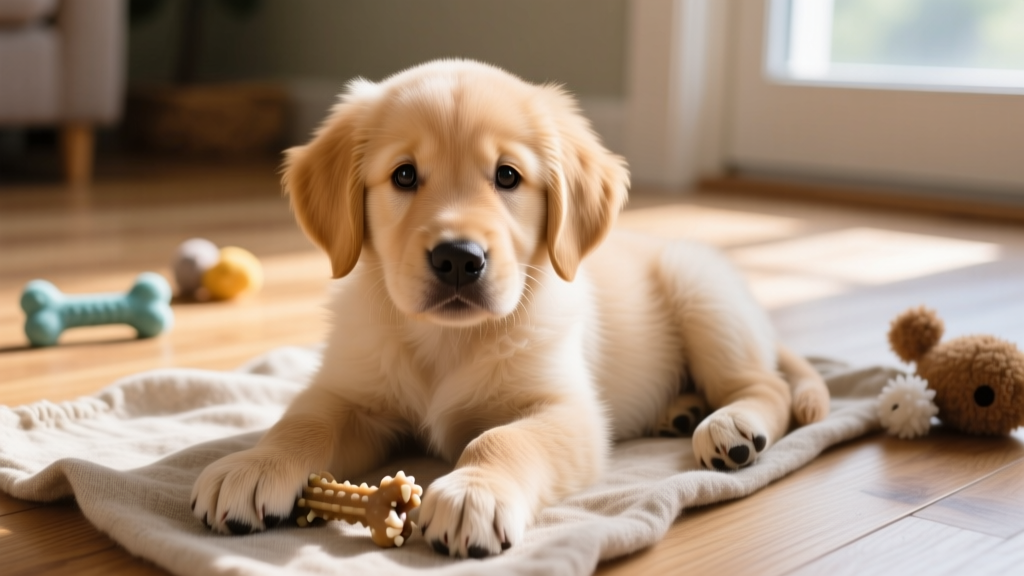
Pitbull Bull Terrier Puppies: Complete Week-by-Week Care Guide
Raising pitbull bull terrier puppies? This week-by-week guide covers feeding schedules, vaccination timelines, potty training, socialization, and first-year costs.

When Should You Bring Your Pitbull Bull Terrier Puppy Home?
The ideal age to bring home pitbull bull terrier puppies is 8 to 10 weeks. Reputable breeders and rescues keep littermates together through at least 8 weeks because this is when puppies learn bite inhibition, social cues, and basic canine communication from their mother and siblings. Taking a puppy home before 8 weeks often leads to heightened separation anxiety, poor impulse control, and difficulty reading other dogs' body language later in life.
For Bull Terrier-type breeds — including the American Pit Bull Terrier, Staffordshire Bull Terrier, and related bull breeds — the 8-10 week window is especially important. These dogs are physically robust and socially intense, meaning early littermate lessons in "how hard is too hard" during play directly affect how they interact with humans and other animals as adults.
When evaluating a breeder or rescue, look for puppies that have been:
- Raised in a home environment (not isolated in kennels or outdoor runs)
- Handled daily by multiple people, including children if possible
- Exposed to household sounds — vacuum cleaners, doorbells, TV noise
- Dewormed at minimum at 2, 4, and 6 weeks of age
- Evaluated for temperament using protocols like the Volhard Puppy Aptitude Test or Avidog's evaluation
Week-by-Week Milestones for Pitbull Bull Terrier Puppies
Bull-type breeds mature at a slightly different pace than many other breeds. They tend to be stocky and muscular early, but their emotional maturity lags behind their physical growth. Here's what to expect at each stage.
Weeks 4–8 (Still With Breeder/Rescue)
During this period, your puppy is still learning from the litter. By week 4, they should be transitioning to softened kibble and exploring solid food. By week 6, they should be eating fully weaned meals and playing actively with siblings. The fear imprint period begins around week 8 — traumatic experiences during this window can create lasting phobias. A good breeder introduces novel surfaces (tarps, wobble boards, different flooring textures) during weeks 5-7.
Weeks 8–12 (Home Adjustment & Bonding)
Expect 3-5 days of adjustment behaviors: whining at night, clinginess, and possibly loose stools from diet or environmental change. Pitbull-type puppies at this age are typically bold and curious — they explore by mouthing everything. Your puppy should weigh roughly 8-15 lb (3.6-6.8 kg) depending on their expected adult size. Begin crate training immediately, naming routines, and short 5-minute training sessions using food lures.
Weeks 12–16 (Confidence Building & First Commands)
By now, your puppy should recognize their name, respond to a recall cue in low-distraction settings, and understand "sit" with a food lure. This is the prime window for handling exercises: touching paws, ears, mouth, and tail so grooming and veterinary exams become routine. Bull terrier puppies at this stage often test boundaries with persistent jumping and mouthing — consistent redirection (never physical punishment) is critical.
Weeks 16–24 (Fear Periods & Adolescence Begins)
A second fear period often hits between 16-20 weeks. Your previously confident puppy may suddenly bark at garbage cans or refuse to walk past familiar objects. This is normal. Don't force exposure — let them observe from a distance and reward calm behavior. Teething intensifies around 16 weeks. By 24 weeks, most baby teeth have been replaced, and your puppy's adult weight should be roughly 60-70% of their expected final weight.
6–12 Months (Adolescence & Continued Training)
Pitbull bull terrier puppies enter full adolescence around 6-7 months. Energy levels spike, impulse control drops, and previously reliable commands may seem forgotten. This is the most common age for dogs to be surrendered to shelters. Maintain training consistency, increase physical exercise to 45-60 minutes daily (split into sessions), and consider enrolling in a structured group class. If you haven't already, schedule spay/neuter with your veterinarian — many vets recommend 6-9 months for medium-sized bull breeds, though some orthopedic specialists advocate waiting until 12 months for joint development. Always consult your veterinarian to determine the best timing for your individual dog.
Feeding Schedule: Exact Portions by Age and Weight
Pitbull bull terrier puppies are muscular, high-energy dogs that need a diet formulated for medium-breed puppies. Look for an AAFCO statement confirming the food is "complete and balanced for growth" or "for all life stages." Avoid large-breed puppy formulas unless your dog's expected adult weight exceeds 70 lb (32 kg), as these restrict calcium and phosphorus in ways that aren't necessary for most bull breeds.
| Age | Meals Per Day | Approximate Daily Amount | Puppy Weight Range |
|---|---|---|---|
| 8–12 weeks | 4 meals | 1 to 1.5 cups (split into 4 portions of ¼–⅜ cup each) | 8–15 lb / 3.6–6.8 kg |
| 3–4 months | 3 meals | 1.25 to 2 cups (split into 3 portions of ~⅔ cup each) | 15–25 lb / 6.8–11.3 kg |
| 5–6 months | 3 meals | 1.75 to 2.5 cups (split into 3 portions) | 25–38 lb / 11.3–17.2 kg |
| 7–12 months | 2 meals | 2 to 3 cups (split into 2 portions of 1–1.5 cups each) | 35–55 lb / 15.9–24.9 kg |
Important: These amounts assume a medium-breed puppy kibble with approximately 350-400 kcal per cup. Adjust up or down 10-15% based on your puppy's body condition score (BCS). You should be able to feel — but not prominently see — their ribs. A visible waist when viewed from above indicates proper condition. Overfeeding bull breeds accelerates growth and stresses developing joints, increasing the risk of hip dysplasia later in life.
Transition to adult food between 10-14 months, when growth rate has substantially slowed. Discuss timing with your veterinarian.
Vaccination Schedule: What Your Puppy Needs and When
Pitbull bull terrier puppies follow the standard core vaccination protocol established by the American Veterinary Medical Association (AVMA) and the American Animal Hospital Association (AAHA) canine vaccination guidelines. Your veterinarian may adjust timing slightly based on local disease prevalence and maternal antibody levels.
| Age | Vaccines Administered | Notes |
|---|---|---|
| 6–8 weeks | DHPP (Distemper, Hepatitis/Adenovirus, Parainfluenza, Parvovirus) — Dose 1 | Often given by breeder/rescue before you bring puppy home |
| 10–12 weeks | DHPP — Dose 2; Bordetella (optional, recommended if attending group classes or boarding) | Maternal antibodies may still partially interfere; booster is essential |
| 14–16 weeks | DHPP — Dose 3 (final puppy booster); Rabies (required by law in most states, typically given at 12-16 weeks) | This final DHPP dose is critical — without it, parvovirus protection may be incomplete |
| 12 months | DHPP booster; Rabies booster (1-year or 3-year depending on local law); Bordetella booster if applicable | After this, DHPP is typically boosted every 3 years |
Lifestyle vaccines to discuss with your veterinarian:
- Leptospirosis: Recommended if you live in an area with wildlife exposure or standing water. Given as a 2-dose series starting at 12+ weeks.
- Lyme disease: Relevant in tick-endemic regions (Northeast, Upper Midwest, Pacific Coast). 2-dose series starting at 12+ weeks.
- Canine influenza (H3N2/H3N8): Consider if your dog will be boarded, attend daycare, or visit dog parks frequently.
Until your puppy has received their final DHPP booster at 14-16 weeks (plus 1-2 weeks for immunity to develop), avoid high-traffic dog areas like dog parks, pet store floors, and unvaccinated dog gatherings. However, controlled socialization is still critical — carry your puppy to outdoor environments, let them observe from a blanket or stroller, and arrange playdates with fully vaccinated, known-healthy adult dogs in private yards. The AKC recommends balancing disease risk against the closing socialization window.
The Critical Socialization Window: Weeks 3–14
The primary socialization period for all puppies closes around 12-14 weeks of age. For pitbull bull terrier puppies — breeds that carry stigma and may face housing or insurance restrictions if behavioral issues develop — thorough socialization isn't optional. It's an investment in your dog's future quality of life.
During this window, your puppy's brain is primed to form positive associations with new experiences. After it closes, unfamiliar things trigger caution or fear by default. According to the Merck Veterinary Manual, inadequate socialization is a leading contributor to fear-based aggression and reactivity in adult dogs.
Pro tip for bull breeds: Prioritize positive interactions with other dogs of all sizes. Pitbull-type dogs are often strong and confident, and negative early experiences with smaller dogs can create lasting reactivity. Arrange structured, supervised playdates rather than relying on dog park introductions during this window.
Potty Training Timeline: Realistic Expectations
Let's set realistic expectations: pitbull bull terrier puppies are not potty trained in a weekend. Most puppies develop reliable bladder control between 4 and 6 months of age, with full reliability (including overnight) typically achieved by 6-8 months. Bull breeds are intelligent and respond well to consistent routines, but their physical maturity drives the timeline more than their willingness to learn.
The Bladder Capacity Rule
A general guideline: puppies can hold their bladder for approximately one hour per month of age, plus one additional hour. So a 3-month-old puppy can hold it for roughly 4 hours during the day — but this is a maximum, not a target. Take them out far more frequently than this to prevent accidents.
Recommended Potty Schedule by Age
- 8-12 weeks: Every 1-2 hours during the day, plus 2-3 overnight wake-ups (set an alarm for 2 and 4 hours after bedtime)
- 3-4 months: Every 2-3 hours during the day, plus 1 overnight wake-up
- 4-6 months: Every 3-4 hours during the day, overnight wake-ups may be eliminated if no accidents occur
- 6+ months: Every 4-6 hours during the day, sleeping through the night (8-10 hours)
Always take your puppy outside immediately after: waking up, eating, drinking, playing, and training sessions. Use a consistent verbal cue ("go potty" or "do your business") while they're eliminating, and reward with a high-value treat within 2 seconds of finishing — not after they come back inside.
Troubleshooting Common Potty Problems
Submissive/excitement urination: Common in bull breed puppies when greeting people. Don't scold — this is involuntary. Greet calmly, ignore the puppy for the first 30 seconds, and take them outside immediately after they settle.
Regression at 4-5 months: Often coincides with teething and developmental leaps. Return to a more frequent schedule temporarily and increase supervision.
Marking behavior (males, sometimes females): Typically begins around 6-9 months. Spay/neuter reduces but doesn't always eliminate marking. Interrupt with a neutral "let's go" and redirect outside.
Crate Training Progression and Teething Relief
Crate Training: Time Limits by Age
A properly crate-trained pitbull bull terrier puppy sees the crate as a safe den — not a punishment. Start crate training on day one. Choose a crate sized for your dog's expected adult dimensions (typically a 36-inch or 42-inch crate for most bull breeds) with a divider panel to adjust the space as they grow. The puppy should be able to stand, turn around, and lie down comfortably — excess space invites elimination in one corner.
| Puppy Age | Maximum Crate Time (Daytime) | Overnight |
|---|---|---|
| 8–10 weeks | 30–60 minutes | 2–3 hours (with potty breaks) |
| 11–14 weeks | 1–2 hours | 3–4 hours (with potty break) |
| 15–16 weeks | 2–3 hours | 5–6 hours |
| 4–6 months | 3–4 hours | 7–8 hours |
| 6+ months | 4–5 hours | 8–10 hours |
Never use the crate as punishment. Feed meals inside the crate with the door open, provide stuffed Kongs or safe chew toys, and gradually increase closed-door time while you're present before leaving the room.
Teething Timeline: 3–6 Months
Pitbull bull terrier puppies begin losing baby teeth around 12-16 weeks, and the process continues until approximately 6 months when all 42 adult teeth should be in place. During this period, expect increased chewing, drooling, and occasional blood on toys — all normal.
Safe teething relief options:
- Frozen Kong Classic (black rubber, puppy size): Stuff with plain yogurt or pumpkin puree and freeze for 2-4 hours. The cold soothes inflamed gums.
- Benebone Puppy Wishbone: Made from softer nylon designed for developing teeth. Replace when significant wear appears.
- Frozen carrot sticks: A low-calorie, natural option. Supervise to prevent choking on large pieces.
- Wet washcloth (frozen): Soak a clean washcloth in water, twist into a rope, freeze, and let puppy chew under supervision. Discard if threads come loose.
Common Pitbull Bull Terrier Puppy Problems and Solutions
Puppy Biting and Nipping
Bull breeds are mouthy by nature — they were historically bred for gripping and holding. Your puppy will mouth your hands, ankles, and clothing. This is not aggression; it's normal exploration and play behavior. Here's how to manage it using positive reinforcement methods:
- Redirect: When teeth touch skin, immediately offer an appropriate chew toy. Praise and reward when they bite the toy instead.
- Withdraw attention: If redirecting doesn't work, stand up, cross your arms, and ignore the puppy for 10-15 seconds. Resume interaction only when all four paws are on the floor and the mouth is off you.
- Teach "leave it": Start with low-value items on the floor, reward for looking away. Progress to higher-value items and eventually to hands/clothing.
- Ensure adequate exercise: Overtired and under-exercised puppies bite more. A 10-15 minute training session or structured play can reduce mouthing significantly.
Never hit, hold the mouth shut, or perform "alpha rolls." These methods damage trust and can create fear-based defensive biting — exactly the outcome you want to prevent in a breed already facing public scrutiny.
Destructive Chewing
Bull terrier puppies have powerful jaws and a strong drive to chew. Until approximately 18-24 months, assume nothing is safe unsupervised. Management is key: puppy-proof rooms by removing shoes, cords, and small objects. Provide a rotation of 5-7 approved chew toys (rotating keeps novelty high). Confine to a puppy-proofed area or crate when you cannot supervise directly.
Whining and Separation Distress
Nighttime whining during the first 1-2 weeks is normal — your puppy has never slept alone. Place the crate near your bed initially, then gradually move it to the desired permanent location over 2-3 weeks. For daytime separation, practice departures in increments: leave the room for 5 seconds, return calmly, gradually increase duration. If whining escalates to panic (panting, drooling, self-injury), consult a certified professional dog trainer or veterinary behaviorist — early intervention prevents full separation anxiety from developing.
First-Year Cost Breakdown for Pitbull Bull Terrier Puppies
Budgeting realistically prevents financial stress and ensures your puppy receives proper care. Here's a detailed first-year cost estimate based on 2025-2026 pricing data from veterinary industry sources.
| Expense Category | Low Estimate | High Estimate | Details |
|---|---|---|---|
| Puppy Acquisition | $200 (rescue adoption) | $2,500 (responsible breeder) | Reputable breeders health-test parents (OFA hips, cardiac, patella); rescue fees often include initial vetting |
| Veterinary Care | $500 | $1,200 | Includes puppy vaccine series, spay/neuter ($200-$600), fecal tests, heartworm prevention, microchip |
| Food & Treats | $400 | $800 | Quality puppy kibble ($45-$75 per 30-lb bag, lasting ~6-8 weeks); training treats |
| Supplies | $250 | $500 | Crate ($60-$120), bed, leash/harness, bowls, toys, grooming tools, baby gates, enzymatic cleaner |
| Training | $150 | $600 | Group puppy class ($150-$250 for 6-8 sessions); private sessions ($75-$150/hour) if needed |
| Pet Insurance | $360 | $720 | $30-$60/month; enroll before pre-existing conditions develop |
| Emergency Fund | $0 | $2,000+ | Puppies ingest foreign objects, develop infections, or suffer injuries; set aside $500-$1,000 minimum |
| Total First Year | $1,860 | $8,320+ | Varies significantly based on acquisition source, location, and unexpected health events |
Ongoing annual costs after the first year typically range from $1,200 to $2,500 for food, routine veterinary care, preventives, insurance, and supplies.
Frequently Asked Questions
How often should I feed my pitbull bull terrier puppy at 10 weeks old?
At 10 weeks, feed 4 meals per day, spaced roughly 4-5 hours apart during waking hours. A typical portion is about ¼ to ⅓ cup of medium-breed puppy kibble per meal, depending on the food's caloric density and your puppy's current weight. Always follow the feeding guide on your specific food's packaging as a starting point and adjust based on body condition.
When will my pitbull bull terrier puppy be fully potty trained?
Most pitbull bull terrier puppies achieve daytime reliability between 4 and 6 months with consistent scheduling and supervision. Overnight reliability (sleeping 8+ hours without accidents) typically follows by 6-8 months. Some individuals take longer — males occasionally take until 8-10 months. If you're still having frequent accidents past 6 months, consult your veterinarian to rule out urinary tract infections or anatomical issues.
How do I stop my pitbull bull terrier puppy from biting my hands?
Use a combination of redirection to appropriate chew toys and attention withdrawal. When teeth contact skin, say a neutral marker word ("oops" or "too bad"), immediately offer a toy, and praise when they bite it. If they persist, stand up and leave the area for 10-15 seconds. Consistency from every family member is essential — mixed signals (sometimes allowing mouthing, sometimes not) prolong the behavior. Most puppies significantly reduce biting by 5-6 months as adult teeth come in and impulse control develops.
What vaccines does my pitbull bull terrier puppy need?
Core vaccines include the DHPP combination (protecting against distemper, adenovirus/hepatitis, parainfluenza, and parvovirus) given at 6-8 weeks, 10-12 weeks, and 14-16 weeks, plus rabies at 12-16 weeks. Lifestyle vaccines such as Bordetella, leptospirosis, Lyme, and canine influenza may be recommended based on your location and your dog's activities. Your veterinarian will customize the protocol for your puppy.
When can my puppy go to the dog park?
Wait until at least 1-2 weeks after the final DHPP booster, which is typically given at 14-16 weeks. This means dog park visits are generally safe starting around 17-18 weeks. However, many trainers and behaviorists recommend avoiding dog parks entirely during the first 6 months and instead arranging controlled playdates with known, vaccinated, temperament-tested dogs. Dog parks are unpredictable environments where a single negative encounter during a fear period can create lasting reactivity — a particular concern for bull breeds.
Should I get pet insurance for my pitbull bull terrier puppy?
Yes, enrolling while your puppy is young and healthy is strongly recommended. Pet insurance premiums are lowest for puppies (typically $30-$60/month) and increase with age. Most importantly, any condition diagnosed before enrollment becomes a pre-existing exclusion. Pitbull-type breeds are predisposed to hip dysplasia, skin allergies, and cruciate ligament injuries — conditions that can cost $2,000-$5,000+ to treat. Companies like Trupanion, Healthy Paws, and Lemonade offer breed-neutral policies, though some insurers still apply breed-specific exclusions or surcharges, so read policy terms carefully.
Marcus Aldridge
All our authors care for dogs every day — read more of their work on the authors page.