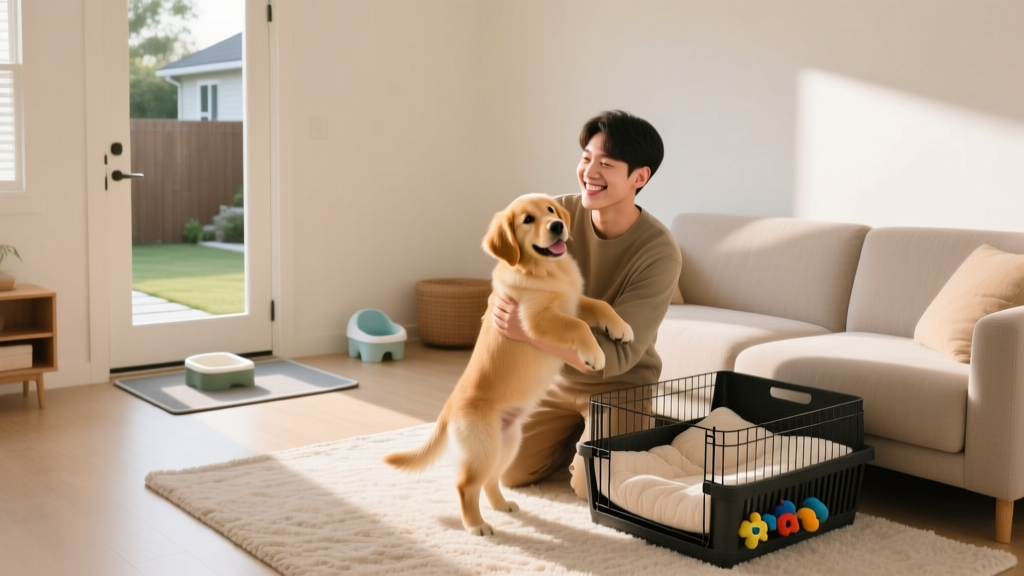
Best Toy Puppy Toy Picks & Complete Early Care Guide
Expert guide to choosing the right toy puppy toy for small breeds, plus age-specific milestones, feeding schedules, potty training, and first-year care.

Why the Right Toy Puppy Toy Matters for Small-Breed Development
Small and toy-breed puppies — Chihuahuas, Pomeranians, Yorkshire Terriers, Toy Poodles, Maltese, and similar dogs under 20 lb (9 kg) at maturity — have unique developmental needs that directly affect which toy puppy toy is safe, engaging, and beneficial. Their tiny jaws, rapid metabolism, and heightened sensitivity to environmental stress mean that a one-size-fits-all approach to puppy supplies simply doesn't work. In this guide, we walk through every critical stage of your toy-breed puppy's first year, pairing milestone expectations with specific toy puppy toy recommendations, feeding data, vaccination timelines, and real cost breakdowns so you can plan with confidence.
When Should I Bring My Toy-Breed Puppy Home?
For toy and small breeds, the consensus among veterinary behaviorists is 10 to 12 weeks — not the 8 weeks common for larger breeds. The American Kennel Club notes that toy breeds mature more slowly in terms of emotional regulation and benefit from extra time with their littermates and dam to learn bite inhibition and social cues. Bringing a 4-lb Chihuah puppy home at 8 weeks often results in heightened fear responses, difficulty with house training, and excessive nipping because the puppy missed the tail end of the litter socialization period.
If a breeder insists on releasing a toy-breed puppy at 8 weeks, ask about their reasoning. Responsible breeders of toy breeds typically retain puppies until 10-12 weeks, during which time they begin basic crate exposure, introduce varied textures and sounds, and administer the first two rounds of vaccinations.
Age-Specific Milestones: What to Expect Week by Week
Toy-breed puppies develop on a compressed timeline compared to giant breeds, but their small size makes each developmental window more fragile. Here's what to expect at each stage:
Weeks 4–8 (Still With Breeder)
- Weight: 0.5–2 lb (0.2–0.9 kg) depending on breed
- Deciduous (baby) teeth fully erupted — 28 teeth
- Social play with littermates peaks; bite inhibition learning begins
- Starts sampling solid food (gruel/kibble softened with warm water)
- Toy puppy toy focus: Soft, lightweight plush toys no larger than a tennis ball; knotted fleece tugs for gentle jaw exercise
Weeks 8–12 (Home Transition)
- Weight gain: approximately 0.5–1 lb per week depending on breed target
- Fear imprint period (8–11 weeks) — negative experiences can create lasting phobias
- Bonding with new family; separation anxiety risk is highest
- Attention span: 2–5 minutes per training session maximum
- Toy puppy toy focus: Puzzle feeders sized for small paws (e.g., Kong Puppy XS, Outward Hound Hide-A-Squirrel Junior); soft rubber chew toys to soothe emerging adult teeth
Weeks 12–16 (Confidence Building)
- Primary socialization window closing — exposure to novel stimuli is critical
- Starts testing boundaries; nipping and mouthing increase
- Bladder capacity: roughly 1 hour per month of age (3–4 hours max at this stage)
- Toy puppy toy focus: Snuffle mats for scent work; crinkle toys for auditory stimulation; interactive tug toys with handles sized for small hands
Weeks 16–24 (Teething & Adolescence Onset)
- Adult teeth erupting — 42 permanent teeth by ~6 months
- Chewing intensity peaks; destructive chewing risk highest
- Second fear period may occur (around 6–10 months)
- Toy puppy toy focus: Freezable rubber toys (Kong Classic XS stuffed with xylitol-free peanut butter and frozen); nylon chew bones rated for puppies under 15 lb (e.g., Nylabone Puppy Chew Petite); avoid hard antlers or cooked bones that risk tooth fracture
Months 6–12 (Young Adult Transition)
- Approaching adult weight: most toy breeds reach 90% of mature size by 8–10 months
- Energy levels stabilize; breed-specific behaviors (terrier digging, companion velcro tendencies) emerge
- Spay/neuter typically performed during this window
- Toy puppy toy focus: Transition to adult-rated toys; durable rubber fetch toys (Chuckit! Ultra Ball XS); treat-dispensing balls for mental enrichment during alone time
Feeding Schedule: Exact Portions by Age and Weight
Toy-breed puppies have extraordinarily high metabolic rates relative to body size. Hypoglycemia (dangerously low blood sugar) is a genuine risk in puppies under 4 lb (1.8 kg), especially if meals are missed. The Merck Veterinary Manual recommends feeding toy-breed puppies more frequently than larger breeds during the first four months.
| Age | Meals Per Day | Approximate Daily Amount (Dry Kibble) | Notes |
|---|---|---|---|
| 8–12 weeks | 4 meals | ¼ – ½ cup (30–60 g) total daily | Moisten kibble with warm water; offer free-choice if hypoglycemia risk |
| 12–16 weeks | 3–4 meals | ⅓ – ⅔ cup (40–80 g) total daily | Begin transitioning to dry kibble; monitor body condition score |
| 4–6 months | 3 meals | ½ – ¾ cup (60–90 g) total daily | Switch to "puppy" or "all life stages" formula; AAFCO statement required |
| 6–9 months | 2–3 meals | ½ – 1 cup (60–120 g) total daily | Gradual transition to 2 meals/day by 9 months |
| 9–12 months | 2 meals | ½ – 1 cup (60–120 g) total daily | Begin transition to adult small-breed formula if desired |
Key specifics: Choose a kibble with an AAFCO statement confirming "complete and balanced for growth" or "all life stages." Look for a named animal protein as the first ingredient (chicken, lamb, salmon — not "meat meal") and a guaranteed analysis showing minimum 22% crude protein and 8% crude fat for puppy growth. Brands formulated specifically for small/toy breeds (Royal Canin X-Small Puppy, Hill's Science Diet Small Paws Puppy, Purina Pro Plan Toy Breed Puppy) offer smaller kibble size and adjusted caloric density.
Vaccination Schedule for Toy-Breed Puppies
The American Veterinary Medical Association endorses the WSAVA (World Small Animal Veterinary Association) vaccination guidelines, which recommend core vaccines starting at 6–8 weeks with boosters every 2–4 weeks until at least 16 weeks of age. Toy breeds receive the same vaccines as larger dogs, though some veterinarians split the combination vaccine into separate visits to reduce the risk of adverse reactions, which are slightly more common in small dogs.
| Age | Vaccine(s) | Core/Non-Core | Notes |
|---|---|---|---|
| 6–8 weeks | DHPP (Distemper, Hepatitis/Adenovirus, Parainfluenza, Parvovirus) | Core | Often administered by breeder before pickup |
| 10–12 weeks | DHPP booster; Bordetella (kennel cough) | Core + Non-Core | Bordetella recommended if attending puppy classes or grooming |
| 14–16 weeks | DHPP final booster; Rabies (at 12–16 weeks per state law) | Core | Final DHPP is critical — maternal antibodies may block earlier doses |
| 12 months | DHPP booster; Rabies booster | Core | After this, DHPP typically moves to 3-year intervals |
Cost range (2026 estimates): Individual puppy vaccines run $20–$45 each at a general practice; a full puppy vaccine series (3 visits) typically costs $150–$350 depending on your region. Low-cost clinic options (Petco Vet Clinics, local shelters) may offer packages for $80–$150.
Socialization Window: The Critical Weeks 3–14 Period
The American Veterinary Society of Animal Behavior (AVSAB) emphasizes that the primary socialization period for puppies closes between 12 and 14 weeks. For toy breeds, which are genetically predisposed to higher fearfulness and reactivity, structured positive exposure during this window is arguably the single most important investment you can make in your dog's long-term temperament.
Toy-Breed Puppy Socialization Checklist (Weeks 8–14)
- Surfaces: Walk on grass, tile, carpet, gravel, metal grates, wet pavement (carry puppy if unvaccinated — use a sling or carrier)
- People: Meet at least 10–15 different people — tall, short, wearing hats, sunglasses, uniforms, children (supervised), elderly individuals with canes/walkers
- Sounds: Exposure to vacuum cleaner, doorbell, thunderstorm audio (play at low volume, pair with treats), traffic noise, clapping
- Handling: Daily gentle handling of paws, ears, mouth, tail base — pair with treats to build positive associations for grooming and vet exams
- Other animals: Observe calm adult dogs from a safe distance; attend a well-managed puppy class (vaccination required) with size-matched playgroups
- Objects: Umbrellas opening, bicycles rolling past, plastic bags rustling, wheeled carts
- Environments: Car rides (short, positive — end with a fun destination), outdoor café patios, quiet park benches, friend's homes
Rule of thumb: Every novel experience should be paired with high-value treats (boiled chicken, small cheese pieces). If the puppy shows fear, increase distance or reduce intensity — never force exposure.
Potty Training Timeline: Realistic Expectations for Toy Breeds
Toy-breed puppies are notoriously more challenging to house train than larger breeds, and this is physiological, not stubbornness. A 3-lb (1.4 kg) puppy has a bladder capacity of approximately 1–2 tablespoons and a metabolic rate that processes food and water rapidly. Expect the following timeline:
- 8–12 weeks: Accidents every 1–2 hours are normal. Take puppy out every 30–60 minutes during active hours.
- 3–4 months: Bladder control extends to 2–3 hours. Accidents still occur, especially after play or naps.
- 4–6 months: Most toy breeds begin signaling (circling, sniffing, heading to door). Accidents reduce to 1–2 per week.
- 6–9 months: Reliable indoor control for 4–6 hours during the day. Nighttime control (7–8 hours) typically established.
- 9–12 months: Fully house trained in most cases, with rare exceptions during excitement or illness.
- Regression after vaccination: Stress and immune response can temporarily disrupt training. Maintain schedule without punishment.
- Submissive/excitement urination: Common in toy breeds. Avoid direct eye contact and high-pitched greetings; crouch sideways and let puppy approach.
- Crate soiling overnight: If puppy soils the crate, the crate may be too large (use a divider) or the overnight interval exceeds bladder capacity. Set a 3 AM alarm for puppies under 4 months.
- Surface preference: Some toy breeds develop a preference for soft surfaces (rugs, laundry). Restrict access until training is solid, or introduce a designated indoor potty pad station if apartment living requires it.
Teething Timeline and Safe Chew Recommendations
Toy-breed puppies begin losing their 28 deciduous teeth around 3–4 months, with all 42 adult teeth typically in place by 6–7 months. Because their jaws are small, retained baby teeth (especially canines) are common in toy breeds and may require veterinary extraction if they don't fall out naturally by 7 months.
Safe teething relief strategies:
- Freeze a damp, twisted washcloth — the cold numbs gums and the texture satisfies chewing urges
- Kong Puppy XS stuffed with plain canned pumpkin (not pie filling) or mashed banana, then frozen for 2 hours
- Nylabone Puppy Chew Petite — specifically designed for puppies under 15 lb with softer nylon that won't fracture developing teeth
- Benebone Puppy (Small) — made from softer rubber; the wishbone shape allows small paws to grip
- Avoid: rawhide (choking and intestinal blockage risk for small dogs), cooked bones (splintering), ice cubes (too hard for puppy teeth — use crushed ice instead)
Red flag: If your puppy stops eating, paws at the mouth excessively, or you notice bleeding or a foul odor, consult your veterinarian — these may signal an impacted tooth or oral infection.
Crate Training Progression and Time Limits
Crate training is especially valuable for toy breeds because it provides a safe den that prevents accidental stepping, protects from household hazards, and supports house training. However, toy-breed puppies cannot hold their bladders as long as larger breeds, so crate time must be managed carefully.
| Age | Maximum Daytime Crate Duration | Overnight Maximum | Notes |
|---|---|---|---|
| 8–10 weeks | 1–1.5 hours | 3 hours (expect 1–2 overnight breaks) | Crate should be in your bedroom for reassurance |
| 10–14 weeks | 2 hours | 4–5 hours | Begin moving crate to permanent location gradually |
| 4–6 months | 3–4 hours | 6–7 hours | Midday potty break still needed if you're away longer |
| 6–12 months | 4–5 hours | 7–8 hours | Consider a dog walker for workdays exceeding 5 hours |
Crate sizing: For toy breeds, a crate measuring approximately 18" x 12" x 14" (e.g., MidWest iCrate 18-inch) fits most puppies under 10 lb. The puppy should be able to stand, turn around, and lie down comfortably — but not so much space that they can eliminate in one corner and sleep in another. Use an adjustable divider panel for crates intended to grow with the puppy.
Common Toy-Breed Puppy Problems and Solutions
Puppy Biting and Nipping
Toy-breed puppies often receive less bite-inhibition training from owners because their bites don't hurt as much as a Labrador puppy's. This is a mistake — a 5-lb adult Chihuahua with no bite inhibition can still break skin and create liability issues. How to stop nipping:
- When teeth touch skin, let out a calm "ouch" or yelp and immediately withdraw attention (stand up, turn away) for 10–15 seconds.
- Redirect to an appropriate toy puppy toy — a small fleece tug or rubber chew — and praise enthusiastically when they bite the toy instead.
- If nipping persists, end the play session and place puppy in a brief (1–2 minute) quiet time in their pen or crate.
- Never hold the puppy's mouth shut, slap, or use physical punishment — these methods increase fear and aggression, particularly in sensitive toy breeds.
Excessive Whining and Crying
Toy breeds are companion dogs bred for close human contact. Whining in the first weeks home is typically separation distress. Solutions include:
- Keep the crate in your bedroom for the first 2–3 weeks; gradually move it to the desired location over subsequent weeks
- Place a warm Snuggle Puppy (a plush toy with a simulated heartbeat and heat pack) in the crate
- Practice short departures (1–5 minutes) during the day to build tolerance — return before the puppy escalates to panic
- Avoid reinforcing demand-whining by waiting for 3–5 seconds of silence before opening the crate or giving attention
Destructive Chewing
When a toy-breed puppy chews baseboards, shoes, or cords, it's typically due to insufficient appropriate chew options and inadequate supervision. Puppy-proof one or two rooms completely, provide 4–5 rotating toy puppy toy options (store extras out of sight and swap every 2–3 days to maintain novelty), and supervise or confine when you can't watch closely.
First-Year Cost Breakdown for a Toy-Breed Puppy
Budgeting accurately prevents surprises. Below are 2026 estimated costs for a toy-breed puppy's first year in the United States:
| Category | Low Estimate | High Estimate | Details |
|---|---|---|---|
| Purchase/Adoption | $300 (rescue) | $3,500 (AKC breeder) | Toy breeds from reputable breeders average $1,500–$3,000 |
| Veterinary (vaccines, exams, spay/neuter) | $500 | $1,200 | Includes initial series, rabies, microchip, spay/neuter ($300–$600) |
| Food (premium small-breed puppy) | $180 | $360 | Based on $15–$30/month for high-quality kibble |
| Supplies (crate, bed, harness, bowls, gates) | $150 | $400 | Includes toy puppy toy assortment ($40–$80) |
| Training (group puppy class) | $100 | $350 | 6–8 week group class; private sessions $75–$150/hour |
| Preventive medications (flea/tick, heartworm) | $120 | $300 | Monthly preventives; toy-breed dosing is lowest tier |
| Pet insurance (optional but recommended) | $300 | $600 | $25–$50/month; toy breeds are prone to dental and patellar issues |
| Grooming (breed-dependent) | $0 (smooth coat) | $600 (long coat, monthly) | Poodles, Maltese, Shih Tzus need professional grooming every 4–6 weeks |
| Total Estimated First Year | $1,650 | $7,310 | Varies significantly by acquisition source and coat type |
Frequently Asked Questions
When can my toy-breed puppy go outside and meet other dogs?
Your puppy can explore your own yard (if private and not frequented by unknown dogs) immediately. However, the AKC recommends avoiding public areas — dog parks, pet stores, sidewalks with heavy dog traffic — until 1–2 weeks after the final DHPP booster at 14–16 weeks. Puppy socialization classes that verify vaccination status of all attendees are generally considered safe from 10 weeks onward, per AVSAB position statements.
How do I stop my toy puppy from biting my hands and ankles?
Consistent redirection to an appropriate toy puppy toy combined with attention withdrawal is the most effective force-free method. Carry a small tug toy in your pocket during the first weeks; when teeth touch skin, immediately offer the toy. Reward with praise and continued play when the puppy bites the toy. For ankle-biting specifically, stop walking (become a "tree") and wait for the puppy to release before redirecting. Most toy breeds outgrow intense mouthing by 5–6 months with consistent management.
How often should I feed my 10-week-old toy-breed puppy?
Four meals per day, spaced approximately 4 hours apart during waking hours (e.g., 7 AM, 11 AM, 3 PM, 7 PM). Toy-breed puppies under 3 lb (1.4 kg) are at risk for hypoglycemia; if your puppy seems lethargic, wobbly, or unresponsive, rub a small amount of Karo syrup or honey on their gums and contact your veterinarian immediately.
When will my toy-breed puppy be fully potty trained?
Realistically, most toy breeds achieve reliable house training between 6 and 9 months, with some individuals taking up to 12 months. This is longer than larger breeds due to smaller bladder capacity and higher metabolism. Consistency — same outdoor spot, same schedule, immediate rewards — is the single biggest factor in reducing the timeline.
What vaccines does my toy-breed puppy need and when?
Core vaccines include DHPP (Distemper, Hepatitis, Parainfluenza, Parvovirus) at 6–8 weeks, 10–12 weeks, and 14–16 weeks, plus Rabies at 12–16 weeks (timing varies by state law). Non-core vaccines your vet may recommend include Bordetella (kennel cough) for puppies attending classes or boarding, and Leptospirosis for dogs in areas with wildlife exposure. Your veterinarian will tailor the protocol to your puppy's risk profile.
Is it safe to leave my toy puppy alone with a toy?
Only with toys specifically rated for unsupervised play and sized appropriately — meaning the toy cannot be swallowed whole or broken into ingestible pieces. For toy breeds, this means any toy smaller than 2 inches (5 cm) in diameter is a choking hazard. Supervise all plush toy play (puppies can tear out stuffing and squeakers), and inspect rubber toys weekly for cracks or worn-down edges that could be bitten off and swallowed. If your puppy ingests a foreign object, contact your vet or the ASPCA Animal Poison Control at (888) 426-4435 (24/7, consultation fee applies) for guidance.
Jonas Cole
All our authors care for dogs every day — read more of their work on the authors page.