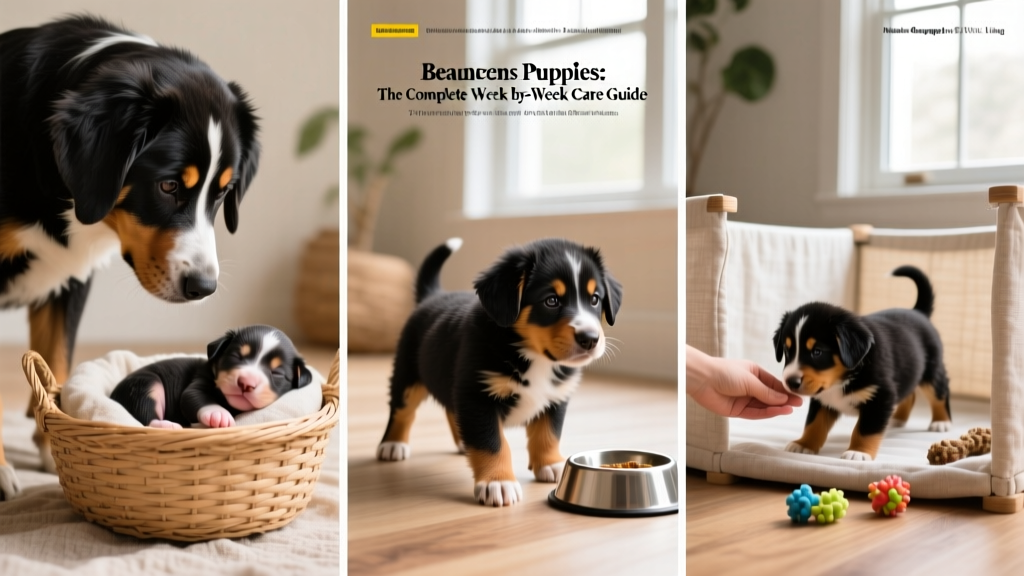
Miniature Pinscher Puppy: Complete Week-by-Week Care Guide
Your complete miniature pinscher puppy guide covering feeding schedules, potty training timelines, vaccination milestones, socialization checklists, &...

Bringing Home a Miniature Pinscher Puppy: What Makes This Breed Different
Miniature Pinschers — affectionately called Min Pins — are not small dogs with small personalities. These 8-to-12.5-pound dynamos carry themselves like dogs three times their size, and raising a Miniature Pinscher puppy requires a specific playbook that accounts for their toy-breed physiology, fearless temperament, and notoriously stubborn streak. Unlike a Labrador Retriever puppy that will eagerly comply with training, a Min Pin puppy will negotiate. Understanding this breed's developmental quirks from week four through month twelve is the difference between a confident, well-adjusted companion and a fearful, reactive adult dog.
The AKC breed standard describes the Min Pin as "fearless, fun, and proud" — traits that emerge early in puppyhood and need careful channeling. Their tiny bladders, sensitivity to cold, and vulnerability to hypoglycemia as young puppies make the first months particularly demanding for new owners.
The optimal age is 10 to 12 weeks for toy breeds like the Miniature Pinscher. While some breeders release puppies at 8 weeks, Min Pins mature slowly in terms of blood sugar regulation and stress resilience. An extra 2-4 weeks with the litter allows for better bite inhibition learning from siblings and more stable glucose metabolism. Never accept a Min Pin puppy younger than 8 weeks — the risk of hypoglycemia and poor socialization is too high.
Miniature Pinscher Puppy Growth Milestones: Week 4 Through Month 12
Miniature Pinschers follow a compressed growth curve compared to larger breeds. Most reach their full height by 9-10 months and fill out to adult weight by 12-14 months. Here is what to expect at each developmental stage.
Weeks 4–8: The Transitional Period (Still with Breeder)
During this window, puppies transition from mother's milk to solid food, begin exploring their environment, and learn critical bite inhibition from littermates. Eyes and ears are fully functional, and the social hierarchy within the litter becomes apparent. A responsible breeder introduces novel textures, sounds, and gentle human handling during this period. Weight at week 8 typically ranges from 1.5 to 3 pounds (0.7–1.4 kg).
Weeks 8–12: The Homecoming and Bonding Phase
This is prime attachment time. Your Min Pin puppy will shadow you constantly and is highly receptive to learning house rules. However, this is also the fear imprint period (weeks 8-11), meaning traumatic experiences — a rough vet visit, an aggressive dog encounter, harsh punishment — can create lasting phobias. Keep experiences positive and controlled. Expect 2-3 pound body weight and 5-7 inches at the shoulder by week 12.
Weeks 12–16: Confidence Building and First Rebellion
Your puppy's coordination sharpens dramatically. Min Pins at this age begin testing boundaries — ignoring recalls they previously followed, stealing forbidden items, and asserting independence. This is normal developmental behavior, not a sign of a "bad" dog. Consistency with positive reinforcement training pays enormous dividends here. Weight approaches 4-6 pounds (1.8–2.7 kg).
Weeks 16–24: The Adolescent Energy Surge
Miniature Pinschers enter what trainers call the "second fear period" around 6-8 months, where previously confident puppies may suddenly react fearfully to familiar stimuli. Simultaneously, adolescent hormones (if not yet spayed/neutered) drive roaming impulses and territorial marking. Energy levels peak — expect 45-60 minutes of structured activity daily to prevent destructive outlets. Weight reaches 7-10 pounds (3.2–4.5 kg).
Months 6–12: Toward Adulthood
Growth slows significantly after month 8. Mental maturity lags behind physical maturity — your Min Pin may look adult but still exhibit puppy impulsiveness until 14-18 months. This is the ideal window to introduce canine sports like rally obedience or agility (with low-impact jumps appropriate for toy breeds). Final adult weight settles between 8-12.5 pounds (3.6–5.7 kg) per the AKC standard.
Feeding Your Miniature Pinscher Puppy: Schedules and Portions
Toy breed puppies face a unique metabolic challenge: their small stomachs hold very little food, but their metabolisms burn energy rapidly. Hypoglycemia (dangerously low blood sugar) is a real risk in Min Pin puppies under 12 weeks, especially if they skip a meal or experience stress. The Merck Veterinary Manual notes that toy breed puppies can develop hypoglycemia within hours of their last meal during stress or illness.
| Age | Meals Per Day | Portion Per Meal (approx.) | Daily Total | Key Notes |
|---|---|---|---|---|
| 8–12 weeks | 4 meals | ⅛ – ¼ cup kibble | ½ – 1 cup | Space meals 4-5 hours apart; keep a glucose supplement (Nutri-Cal) on hand |
| 3–4 months | 3 meals | ¼ – ⅓ cup kibble | ¾ – 1 cup | Monitor body condition score; adjust if ribs become visible or buried |
| 5–6 months | 3 meals | ⅓ – ½ cup kibble | 1 – 1.5 cups | Transition to two meals if puppy consistently leaves food at midday |
| 7–12 months | 2 meals | ½ – ⅔ cup kibble | 1 – 1.3 cups | Switch to adult formula around 10-12 months; toy breeds mature faster |
Food selection matters: Choose an AAFCO-certified small-breed puppy formula with kibble sized for tiny mouths. Brands like Royal Canin Miniature Pinscher Puppy, Purina Pro Plan Toy Breed Puppy, and Hill's Science Diet Small Paws Puppy are formulated for the specific caloric density and calcium-phosphorus ratios toy breeds require. Always provide fresh water and never free-feed — Min Pins are prone to becoming overweight adults if portion control isn't established early.
If your puppy becomes lethargic, wobbly, unresponsive, or has a seizure, rub a small amount of Karo syrup or honey on their gums immediately and contact your veterinarian or an emergency clinic. This can be life-threatening in puppies under 16 weeks.
Vaccination Schedule for Your Miniature Pinscher Puppy
Miniature Pinschers follow the standard AVMA-recommended core vaccination protocol, but their small size means some veterinarians opt to split vaccine doses or space them out to reduce the risk of adverse reactions, which toy breeds experience at slightly higher rates than larger dogs.
| Age | Vaccine | Type | Notes |
|---|---|---|---|
| 6–8 weeks | DHPP (1st dose) | Core — Distemper, Hepatitis (Adenovirus), Parainfluenza, Parvovirus | Often administered by breeder before pickup |
| 10–12 weeks | DHPP (2nd dose) | Core | Maternal antibodies still partially active; puppy NOT fully protected yet |
| 10–12 weeks | Bordetella | Non-core (recommended if attending puppy classes) | Intranasal or injectable; protects against kennel cough |
| 14–16 weeks | DHPP (3rd dose) | Core | Full immunity typically achieved 1-2 weeks after this dose |
| 14–16 weeks | Rabies | Core (legally required) | Given separately from DHPP to reduce reaction risk in toy breeds |
| 12–16 weeks | Leptospirosis (optional) | Non-core | Discuss with your vet based on local prevalence and lifestyle |
Important for Min Pin owners: Vaccine reactions in toy breeds can include facial swelling, hives, vomiting, or in rare cases anaphylaxis. Schedule morning appointments so you can monitor your puppy throughout the day, and ask your vet about pre-medicating with diphenhydramine (Benadryl) if your puppy had a prior reaction. Always consult your veterinarian to tailor this schedule to your puppy's specific health profile and local disease risk.
Potty Training a Miniature Pinscher Puppy: A Realistic Timeline
Let's be direct: Miniature Pinschers are among the more challenging breeds to house-train. Their tiny bladders (holding roughly 1 tablespoon of urine per pound of body weight) mean an 8-week-old, 2-pound puppy can physically hold urine for only about 2 hours. Combined with their independent temperament and sensitivity to cold/wet weather — many Min Pins refuse to go outside in rain or temperatures below 50°F (10°C) — potty training requires patience and strategic planning.
Realistic Potty Training Milestones
- 8–12 weeks: Accidents every 1-3 days are normal. Take puppy outside every 1-2 hours, immediately after meals, after naps, and after play sessions. You are building a habit, not expecting reliability.
- 3–4 months: Bladder capacity increases to roughly 3-4 hours. Accidents should decrease to 1-2 per week if you maintain a consistent schedule.
- 5–6 months: Most Min Pins can hold for 4-5 hours during the day. Overnight holding reaches 6-7 hours for some puppies, but many still need one middle-of-night bathroom break.
- 7–9 months: This is when most Miniature Pinschers achieve reliable house training — meaning fewer than one accident per month. Males may begin marking territory, which requires separate management.
- 10–12 months: Full reliability for most individuals, though some Min Pins (particularly intact males and females in heat) may regress temporarily.
Expect reliable house training between 7 and 9 months for most Min Pins, with full consistency by 10-12 months. This is later than larger breeds due to bladder size and the breed's willful nature. If your puppy is still having daily accidents past 6 months, consult your veterinarian to rule out urinary tract infections or anatomical issues before assuming it's a training problem.
Troubleshooting Common Potty Training Problems
Refuses to go outside in cold/rain: This is extremely common in Min Pins. Solutions include a fitted dog sweater, booties for wet paws, and a covered potty area (porch, carport, or even an indoor grass patch like Fresh Patch for severe weather days). Never force a shivering puppy to stand outside — they'll associate pottying with misery.
Submissive/excitement urination: Min Pin puppies often leak small amounts when greeting. This is involuntary and typically resolves by 6-8 months. Greet calmly, avoid looming over the puppy, and crouch to their level to reduce excitement intensity.
Crate accidents overnight: If your puppy soils the crate, the crate may be too large (allowing a bathroom corner), or you're exceeding their bladder capacity. A 10-week-old Min Pin should not be crated longer than 2-3 hours overnight without a bathroom break.
Socialization: The Critical Window for Miniature Pinschers
The primary socialization window closes around 14 weeks of age, according to the AVMA's position statement on puppy socialization. For Miniature Pinschers — a breed genetically predisposed to wariness of strangers, reactivity toward other dogs, and territorial guarding — this window is arguably the most important developmental period of their entire lives. An under-socialized Min Pin becomes a reactive, barking, ankle-nipping adult that is difficult to manage and stressful to live with.
Min Pin Puppy Socialization Checklist (Weeks 3–14)
Each exposure should be positive — pair new experiences with high-value treats (small bits of boiled chicken, cheese, or commercial training treats). Never force interaction; let the puppy approach at their own pace.
| Category | Specific Exposures (aim for 5+ per category) | Priority Level |
|---|---|---|
| People | Men with beards, children (supervised), people in hats/sunglasses, delivery workers, people using mobility aids, tall people, people of different ethnicities | Critical — Min Pins tend to be one-person dogs without broad exposure |
| Other Animals | Vaccinated adult dogs (known health status), cats (if household has them), dogs of different sizes, dogs with floppy vs. erect ears | Critical — prevent same-sex aggression and small-dog reactivity |
| Surfaces & Environments | Gravel, wet grass, metal grates, stairs, car rides, elevator, automatic doors, slippery floors | High — Min Pins can develop surface phobias |
| Sounds | Vacuum cleaner, thunderstorm recordings (low volume), doorbell, clapping, traffic, fireworks recordings, children screaming | High — toy breeds are prone to noise sensitivity |
| Handling | Paw touching, ear inspection, mouth opening, nail trimming practice, being held on their back, gentle restraint | Critical — Min Pins are notoriously foot-sensitive and vet-visit resistant |
| Objects | Umbrellas opening, plastic bags rustling, bicycles, skateboards, strollers, lawn equipment | Moderate — builds general confidence |
When Can My Puppy Go Outside and Meet Other Dogs? Your puppy can explore your own yard and meet fully vaccinated, healthy adult dogs in controlled settings (private homes) immediately after coming home. Public areas like dog parks, pet stores, and high-traffic sidewalks should be avoided until 1-2 weeks after the final DHPP vaccine at 14-16 weeks. However, the American Veterinary Society of Animal Behavior (AVSAB) recommends that socialization begin before full vaccination — the behavioral risk of under-socialization outweighs the disease risk when exposures are managed carefully. Enroll in a puppy kindergarten class that requires at least one DHPP dose and verifies all participants' vaccination status.
Crate Training Progression and Teething Relief for Min Pin Puppies
Crate Training: Age-Appropriate Time Limits
Miniature Pinschers generally adapt to crates well because they are den-oriented dogs that seek enclosed, warm spaces. However, their small bladders dictate strict time limits. Use a crate sized for a toy breed — approximately 18×12×14 inches (the MidWest iCrate 18" or similar) — with a divider panel if you purchase a crate meant to grow with them.
| Age | Maximum Daytime Crate Time | Maximum Overnight Crate Time |
|---|---|---|
| 8–10 weeks | 1–1.5 hours | 2–3 hours (set an alarm) |
| 11–14 weeks | 2 hours | 3–4 hours |
| 15–20 weeks | 2.5–3 hours | 5–6 hours |
| 5–6 months | 3–4 hours | 6–7 hours |
| 7–12 months | 4–5 hours | 7–8 hours |
Make the crate inviting with a soft blanket (Min Pins love to burrow — provide a snuggle-safe heating pad for young puppies), a stuffed Kong, and quiet praise when they enter voluntarily. Never use the crate as punishment.
Teething Timeline and Relief Strategies (3–6 Months)
Miniature Pinscher puppies begin losing their 28 deciduous (baby) teeth around 12-14 weeks, with the full set of 42 adult teeth typically erupted by 6-7 months. Because Min Pins have compact jaws, retained baby teeth are common — your veterinarian should check for retained deciduous canines and premolars at the 6-month exam, as these can cause crowding and dental disease.
Safe teething relief options for Min Pin puppies:
- Frozen washcloth: Wet a clean washcloth, twist it into a rope, freeze for 2 hours, and let puppy chew under supervision. The cold numbs sore gums.
- Nylabone Puppy Chew (XS size): Specifically the puppy formula, which is softer than adult Nylabones and sized for toy breed mouths.
- Benebone Puppy (Tiny size): The wishbone shape works well for small jaws; choose the puppy version with softer nylon.
- Carrot sticks (frozen): A low-calorie, natural option. Supervise to prevent choking on large pieces.
- Kong Classic (XS): Fill with a mixture of plain yogurt and mashed banana, then freeze for a long-lasting soothing chew.
Avoid: Rawhide (choking and blockage risk in toy breeds), hard antlers or hooves (can fracture puppy teeth), and any chew toy larger than your puppy's head.
Common Miniature Pinscher Puppy Problems and Solutions
Puppy Biting and Nipping
Min Pin puppies are mouthy — more so than many toy breeds. Their terrier ancestry drives a strong prey-bite instinct, and their tiny needle teeth can surprisingly hurt. This behavior peaks between 8-16 weeks and should diminish with consistent management.
How to stop puppy biting:
- When teeth touch skin, immediately stop all interaction — stand up, turn away, and remain still for 10-15 seconds (negative punishment: removing attention).
- Redirect to an appropriate chew toy. Praise calmly when they chew the toy instead.
- If nipping persists, end the play session entirely by leaving the room for 30 seconds.
- Provide structured bite-inhibition practice: allow gentle mouthing but yelp and withdraw at any hard bite, mimicking littermate feedback.
- Ensure your puppy gets adequate sleep — overtired Min Pin puppies bite significantly more. Puppies this age need 18-20 hours of sleep per day.
Never hold the puppy's mouth shut, tap their nose, or use physical punishment. These methods increase fear-based biting in a breed already predisposed to defensive reactivity.
Excessive Whining and Barking
Min Pins are vocal dogs. Puppy whining typically stems from one of four causes: needing to potty, being cold, seeking attention, or being overtired. Address the underlying need rather than trying to suppress the vocalization. For crate whining at night, a Snuggle Puppy (a plush toy with a simulated heartbeat and heat pack) reduces anxiety-driven whining in many toy breed puppies. For attention-demanding barking in older puppies, use the "quiet" cue paired with a treat reward for silence, and consistently ignore demand barking until it extinguishes.
Destructive Chewing
Adolescent Min Pins (4-8 months) chew with surprising intensity for their size. Puppy-proof your home at their level — electrical cords, shoes, remote controls, and children's toys are all targets. Provide a rotating selection of 4-5 appropriate chews and rotate them every 2-3 days to maintain novelty. A tired Min Pin puppy is a well-behaved one: ensure adequate physical exercise (20-30 minute walks twice daily by 5 months) and mental stimulation (puzzle feeders, training sessions, scent games).
First-Year Cost Breakdown for a Miniature Pinscher Puppy
Budgeting accurately prevents sticker shock and ensures you can provide proper care. Below is a realistic first-year cost range based on 2025-2026 pricing from veterinary clinics, pet supply retailers, and training facilities across the United States.
| Category | Items Included | Low Estimate | High Estimate |
|---|---|---|---|
| Purchase/Adoption | Responsible breeder ($800-$2,500) or rescue ($200-$500) | $200 | $2,500 |
| Veterinary Care | Wellness exams (3-4), DHPP + rabies vaccines, fecal tests, deworming, spay/neuter, heartworm test | $600 | $1,200 |
| Preventive Medications | Heartworm preventive (e.g., Heartgard Plus), flea/tick (e.g., NexGard or Bravecto), 12-month supply | $250 | $450 |
| Food & Treats | Small-breed puppy kibble, training treats, occasional toppers | $200 | $400 |
| Supplies & Gear | Crate, bed, leash/harness, bowls, grooming tools, toys, puppy pads, sweater, booties | $200 | $500 |
| Training | Puppy kindergarten class, optional private sessions for reactivity prevention | $100 | $600 |
| Pet Insurance | Monthly premium for toy breed puppy ($30-$55/month) | $360 | $660 |
| Emergency Fund | Set aside for unexpected illness/injury (hypoglycemia, patellar luxation, ingestion) | $200 | $1,500 |
| TOTAL | $2,110 | $7,810 |
The wide range reflects variables like breeder vs. rescue sourcing, geographic cost-of-living differences, and whether complications arise. Pet insurance is strongly recommended for Min Pins due to their predisposition to patellar luxation, Legg-Calvé-Perthes disease, and mitral valve disease — conditions that can require expensive surgical or long-term medical intervention.
Frequently Asked Questions About Miniature Pinscher Puppies
How often should I feed my 10-week-old Miniature Pinscher puppy?
Four meals per day, spaced approximately 4-5 hours apart during waking hours. A typical schedule might be 7 AM, 11 AM, 3 PM, and 7 PM. Each meal should be roughly ⅛ to ¼ cup of small-breed puppy kibble. Keep a tube of Nutri-Cal (glucose supplement) in your home — if your puppy refuses a meal or seems lethargic, apply a pea-sized amount to their gums to prevent hypoglycemia while you assess the situation.
Are Miniature Pinschers good with children?
Min Pins can coexist well with respectful, older children (8+ years) who understand how to interact gently with small dogs. However, their fragile build makes them unsuitable for households with toddlers or rough-playing young children. A Min Pin puppy dropped from a child's arms can suffer serious fractures. Supervision is non-negotiable, and children must be taught to never pick up the puppy without adult assistance.
Do Miniature Pinscher puppies need sweaters?
Yes, in many climates. Min Pins have a single, short coat with virtually no undercoat and very low body fat. They become uncomfortable in temperatures below 55-60°F (13-15°C) and are at genuine risk of hypothermia below 40°F (4°C). Invest in at least two fitted puppy sweaters and a waterproof jacket for wet weather. This isn't fashion — it's a welfare necessity for the breed.
My Min Pin puppy keeps escaping the crate. Is this normal?
Miniature Pinschers are legendary escape artists. Their slim build allows them to squeeze through gaps that seem impossibly small, and their clever paws can manipulate simple latches. Use a crate with secure double-latch mechanisms, and check that the spacing between bars is narrow enough (no more than 1.5 inches for a young Min Pin puppy). Some owners add a small carabiner clip to the crate door as extra security. If your puppy is injuring themselves trying to escape, consult a certified positive-reinforcement trainer to address separation anxiety or confinement distress.
When should I start training classes?
Enroll in a puppy kindergarten class as soon as your Min Pin has received at least one DHPP vaccine (typically by 8-10 weeks) and has been in your home for one week to settle in. Early classes focus on socialization and basic manners during the critical developmental window. Look for classes that use positive reinforcement methods exclusively — avoid any trainer who recommends choke chains, prong collars, or alpha rolls, as these methods cause lasting damage to a sensitive toy breed's trust and confidence.
Anouk Beaumont
All our authors care for dogs every day — read more of their work on the authors page.