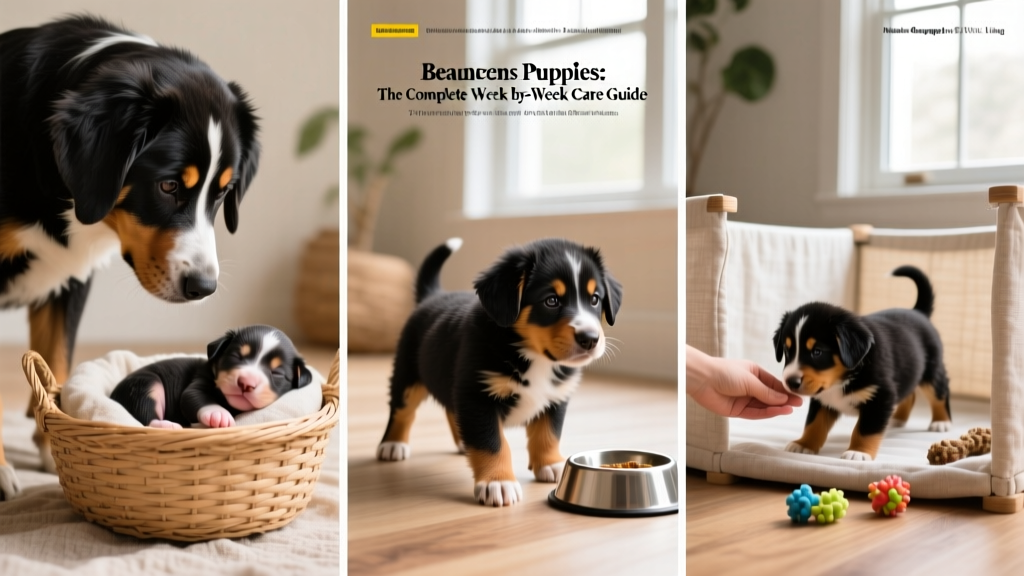
Beauceron Puppies: The Complete Week-by-Week Care Guide
Everything you need to raise Beauceron puppies: week-by-week milestones, feeding schedules, vaccination timelines, potty training, and first-year costs.
Bringing Home a Beauceron Puppy: What Makes This Breed Different
Beauceron puppies aren't your average companion pups. Bred for centuries as French herding and guard dogs, these athletic, intelligent working dogs arrive in your home with a drive and sensitivity that demands a structured approach from day one. Standing 24–27.5 inches (61–70 cm) at the shoulder and weighing 70–110 lb (32–50 kg) as adults, a Beauceron puppy will grow rapidly and test boundaries with the same determination they'd use to move a flock of sheep across the Beauce plains.
If you've committed to raising one of these remarkable dogs — whether through a responsible breeder registered with the AKC or a breed rescue — this guide maps every critical milestone from the moment you bring them home through their first year. The Beauceron's combination of high intelligence, physical power, and deep bonding instinct means that early missteps compound quickly, but get the foundation right and you'll have an extraordinarily capable partner.
When Should I Bring My Beauceron Puppy Home?
The ideal age to bring a Beauceron puppy home is 8 to 10 weeks. While some breeders of working breeds hold puppies until 10–12 weeks to complete additional socialization and temperament testing, most Beauceron breeders release puppies at 8 weeks after the first DHPP vaccination and initial deworming.
Bringing a Beauceron home before 8 weeks risks missing critical littermate socialization — the period where puppies learn bite inhibition, canine communication signals, and resilience through play with siblings. The AVMA recommends that puppies remain with their mother and littermates through at least the first 7 weeks for optimal behavioral development.
For the Beauceron specifically, the 8–10 week window aligns with a natural fear period (approximately 8–11 weeks), meaning your puppy will be especially impressionable during the transition. Plan a quiet, predictable first week: limit visitors, establish a consistent potty area, and keep the crate near your sleeping area at night.
Beauceron Puppy Milestones: Week-by-Week Timeline
The Beauceron matures more slowly than many breeds — mentally, they often don't reach full emotional stability until 2.5 to 3 years. However, the first year sets every foundation. Here's what to expect at each stage.
Feeding Your Beauceron Puppy: Schedule and Portions
Beauceron puppies grow to be large-breed adults, which means their nutrition must support steady — not rapid — growth to protect developing joints. Feed a food specifically formulated for large-breed puppies that meets AAFCO growth standards with controlled calcium (1.0–1.8% on a dry matter basis) and caloric density.
Feeding Schedule by Age
| Age | Meals per Day | Approximate Daily Amount | Notes |
|---|---|---|---|
| 8–12 weeks | 4 meals/day | 2–3 cups/day (split into 4 portions of ~0.5–0.75 cups) | Soak kibble in warm water for easier digestion. Puppy weight: 15–25 lb. |
| 12–16 weeks | 3 meals/day | 3–4 cups/day (split into 3 portions of ~1–1.3 cups) | Transition to dry kibble. Weight: 25–40 lb. |
| 4–6 months | 3 meals/day | 3.5–5 cups/day (split into 3 portions of ~1.2–1.7 cups) | Growth spurts increase appetite. Weight: 40–60 lb. |
| 6–12 months | 2 meals/day | 4–6 cups/day (split into 2 portions of ~2–3 cups) | Transition to large-breed adult food at 10–12 months. Weight: 60–90 lb. |
Important: These are starting estimates. Adjust based on body condition score (BCS) — you should be able to feel ribs without pressing hard, and your puppy should have a visible waist when viewed from above. Rapid growth increases hip dysplasia risk; a lean puppy is a healthier puppy. Consult your veterinarian to calibrate portions for your specific dog.
Vaccination Schedule for Beauceron Puppies
Your Beauceron puppy's immune system needs a series of vaccinations to build protection against life-threatening diseases. The maternal antibodies from colostrum gradually wane between 6 and 16 weeks, which is why boosters are given at specific intervals. Below is the standard schedule recommended by the AVMA and consistent with AAHA canine vaccination guidelines.
| Age | Vaccines | What It Protects Against | Estimated Cost |
|---|---|---|---|
| 6–8 weeks | DHPP (1st dose) | Distemper, Hepatitis (Adenovirus-2), Parainfluenza, Parvovirus | $25–$45 |
| 10–12 weeks | DHPP (2nd dose) + Bordetella (optional, recommended for puppy classes) | Same as above + Kennel Cough (Bordetella bronchiseptica) | $40–$70 |
| 14–16 weeks | DHPP (3rd dose) + Rabies | Full DHPP protection + Rabies (legally required in most US jurisdictions) | $50–$85 |
| 12–16 months | DHPP booster + Rabies booster (1-year or 3-year depending on local law) | Continued immunity; transition to adult vaccination protocol | $55–$95 |
Leptospirosis and Lyme vaccines may be recommended based on your geographic area and your Beauceron's outdoor exposure. Discuss with your vet at the 12-week visit. The Lyme vaccine is particularly relevant if you live in the Northeast or Upper Midwest and plan to hike with your Beauceron.
Socialization Window: The Critical Weeks 3–14
For Beauceron puppies, the socialization window (approximately 3–14 weeks) is arguably the most consequential period of their lives. Beaucerons are naturally reserved with strangers and possess strong guarding instincts — without deliberate, positive exposure during this window, those traits can harden into fear-based reactivity or over-protectiveness that is extremely difficult to modify later.
Beauceron-Specific Socialization Checklist
Use this checklist between weeks 8–14. Every exposure should be positive — pair new experiences with high-value treats (boiled chicken, small cheese pieces). If your puppy shows fear, increase distance and let them observe without pressure. Never force interaction.
- ☐ Surfaces: Gravel, grass, metal grates, wet pavement, carpet, tile, wood floors, tarps
- ☐ People (minimum 20 individuals): Children (supervised), elderly, people in hats/sunglasses/hoodies, people with canes or wheelchairs, delivery workers, people of different ethnicities and heights
- ☐ Other animals: Vaccinated adult dogs (calm, known temperament), cats (controlled introduction), livestock (if accessible — Beaucerons need early positive stock exposure)
- ☐ Sounds: Vacuum cleaner, thunderstorm recordings (start at low volume), traffic, construction noise, doorbell, fireworks recordings, children yelling
- ☐ Handling: Paw touching, ear inspection, mouth opening, nail clipping simulation, being held gently, collar/harness grab (pair with treat — critical for emergency handling)
- ☐ Environments: Car rides, parking lots, outdoor café patios, pet-friendly stores, friend's houses, grooming table (just standing on it), vet exam room (happy visits only)
- ☐ Objects: Umbrellas opening, balloons, plastic bags blowing, bicycles, skateboards, strollers, flags
- ☐ Separation: Brief alone time in crate (starting at 5 minutes, building to 30 minutes), being in a different room from owner
When can my puppy go outside and meet other dogs? Your puppy can explore your own yard immediately. For public spaces and dog-to-dog introductions, wait until at least 7 days after the second DHPP vaccine (typically around 12–13 weeks). Puppy kindergarten classes that require proof of first vaccination and maintain sanitized environments are generally safe starting at 10–12 weeks — the AVMA supports early socialization in controlled settings, noting that the behavioral risks of under-socialization outweigh the disease risk in managed environments.
Potty Training Your Beauceron: Timeline and Troubleshooting
When will my Beauceron puppy be fully potty trained? Most Beauceron puppies achieve reliable house training between 4 and 6 months of age, though some may take up to 8 months. Beaucerons are intelligent and pick up routines quickly, but their bladder capacity is physically limited in early months regardless of cognitive understanding.
Realistic Potty Training Timeline
| Age | Bladder Capacity | Outing Frequency | What to Expect |
|---|---|---|---|
| 8–10 weeks | ~2 hours max | Every 1–2 hours + after every meal, nap, and play session | Multiple accidents daily are normal. Reward heavily for outdoor elimination. |
| 10–14 weeks | ~2–3 hours | Every 2 hours during day, 1–2 night outings | Accidents decrease to 1–3/week. Puppy begins going to door or signaling. |
| 14–20 weeks | ~3–4 hours | Every 3 hours, may sleep 5–6 hours overnight | Accidents rare (1–2/month). Consistent signaling behavior established. |
| 5–8 months | ~5–7 hours | Every 4–5 hours, sleeping through night (8+ hours) | Reliably house trained. Occasional regression during adolescence is normal. |
Troubleshooting Common Potty Training Problems
Submissive urination: Common in young Beaucerons when greeting. Don't punish — it worsens the problem. Ignore the puppy for the first 30 seconds when arriving home, greet calmly at their level, and take them outside immediately after.
Marking behavior (typically 6+ months, especially intact males): Supervise closely indoors. Interrupt with a neutral "oops" and redirect outside. Spay/neuter reduces but doesn't always eliminate marking.
Regression during adolescence: Around 6–9 months, your previously reliable Beauceron may have accidents again. This is hormonally and developmentally driven. Return to more frequent outings and reward-based reinforcement temporarily.
Crate Training, Teething, and Common Puppy Challenges
Crate Training Progression
A crate is essential for a Beauceron puppy — it aids potty training, prevents destructive behavior when unsupervised, and provides a safe den. Use a 42-inch wire crate (MidWest iCrate or similar) with a divider panel to adjust space as your puppy grows. The crate should be large enough to stand, turn around, and lie down — no larger, or they may eliminate in one corner.
| Age | Max Crate Time (Daytime) | Overnight |
|---|---|---|
| 8–10 weeks | 30–60 minutes | 3–4 hours (set alarm for potty break) |
| 10–14 weeks | 1–2 hours | 4–5 hours |
| 14–20 weeks | 2–3 hours | 6–7 hours |
| 6–12 months | 3–4 hours | 8 hours (overnight) |
Important: Beaucerons are not a breed suited to long crating periods. An adult Beauceron crated for 8+ hours daily while owners work will almost certainly develop behavioral problems. Plan for a dog walker, daycare, or a secure exercise pen if you work full-time.
Teething Timeline (3–6 Months)
Beauceron puppies begin losing their 28 deciduous teeth around 12–16 weeks, with all 42 adult teeth typically in place by 6–7 months. During this period, chewing intensity peaks and your puppy will seek relief on whatever is available — including your hands, baseboards, and shoes.
Safe teething relief strategies:
- Kong Classic (size Medium for 8–16 weeks, Large after): Stuff with soaked kibble and freeze for 2–4 hours. Provides 20–40 minutes of soothing chewing.
- Benebone Wishbone or Nylabone Dura Chew: Choose the appropriate size for your puppy's current weight. Inspect daily for wear and replace when pieces begin breaking off.
- Frozen washcloth: Wet a clean washcloth, twist into a rope, and freeze. Supervise use — remove if puppy begins tearing and ingesting fabric.
- Whimzees Puppy Chews or Earth Animal No-Hide Chews: Digestible options for supervised chewing sessions. Avoid rawhide and pig ears until adult teeth are fully set due to choking and intestinal blockage risk.
Stopping Puppy Biting and Nipping
How do I stop my Beauceron puppy from biting? Nipping is normal canine behavior — Beaucerons, as herding dogs, have an especially strong instinct to use their mouths to control movement. The goal is not to eliminate mouthing entirely in the first weeks, but to teach bite inhibition (soft mouth) and then redirect to appropriate objects.
Step-by-step protocol:
- Weeks 8–12 (bite inhibition): When teeth touch skin, say "ouch" in a calm, firm tone and immediately stop interaction for 10–15 seconds (stand up, turn away, or step behind a baby gate). Resume play. Repeat consistently. This mimics littermate feedback.
- Weeks 12–16 (redirect): Before the puppy mouths, offer a chew toy. When they bite skin, say "ouch," withdraw, then return with the toy. Reward enthusiastically when they chew the toy instead.
- 16+ weeks (incompatible behavior): Teach "sit" or "go to mat" as a greeting behavior. A dog sitting cannot simultaneously be nipping. Reward calm greetings with attention and treats.
Never hold the puppy's mouth shut, shake them, or use physical punishment. These methods damage the trust bond and can escalate defensive biting. If nipping persists intensely past 5 months or involves hard biting that breaks skin, consult a certified professional dog trainer (CPDT-KA) or veterinary behaviorist (DACVB).
First-Year Cost Breakdown for a Beauceron
Beaucerons are large dogs, and everything costs more — food, medications, crates, and veterinary care. Here's a realistic budget for the first year based on 2025–2026 US pricing.
| Category | Items | Estimated Cost Range |
|---|---|---|
| Purchase/Adoption | Breeder (health-tested parents, AKC registered) OR breed rescue | $1,500–$2,800 (breeder) / $300–$600 (rescue) |
| Veterinary (First Year) | 3 puppy vaccine visits, rabies, fecal tests, heartworm test, spay/neuter (if done at 6–12 months), microchip | $600–$1,200 |
| Food & Treats | Large-breed puppy food (~$60–$90/bag, 25–30 lb), training treats, chews | $800–$1,400 |
| Supplies | 42" crate, bed, harness (Ruffwear Front Range or similar), leash, bowls, grooming tools, baby gates, exercise pen, toys | $350–$600 |
| Preventive Medications | Heartworm (Heartgard Plus or Simparica Trio), flea/tick (NexGard or Bravecto), dewormer | $300–$550 |
| Training | Puppy kindergarten ($150–$250), basic obedience ($200–$400), possible private sessions | $300–$800 |
| Pet Insurance (Optional) | Enroll at 8 weeks for best rates and pre-existing condition coverage | $40–$80/month ($480–$960/year) |
| TOTAL FIRST YEAR | $4,330–$8,310 |
Ongoing annual costs after the first year typically range from $2,000–$3,500 for food, preventives, annual vet exams, and insurance. Budget an additional $1,000–$3,000 emergency fund — Beaucerons are active dogs prone to orthopedic injuries, and gastric dilatation-volvulus surgery alone can exceed $5,000.
Frequently Asked Questions About Beauceron Puppies
How often should I feed my Beauceron puppy at each age?
Feed 4 meals per day from 8–12 weeks, reduce to 3 meals per day from 12 weeks to 6 months, and transition to 2 meals per day at 6 months. Never feed a single daily meal to a deep-chested breed due to bloat risk.
Are Beauceron puppies good with children?
Well-socialized Beaucerons can be excellent family dogs, but their herding instinct means they may try to nip at running children's heels. Supervise all interactions with children under 12, and teach children to respect the puppy's crate and sleep time. The Beauceron's size (a 6-month-old can weigh 50+ lb) means they can accidentally knock over toddlers during play.
How much exercise does a Beauceron puppy need?
Follow the "5 minutes per month of age" guideline for structured walks: a 4-month-old gets roughly 20 minutes of leash walking per day, split into two sessions. Free play in a fenced yard is unlimited. Avoid repetitive high-impact activities (fetch on hard surfaces, jumping, jogging alongside you) until growth plates close at approximately 18–24 months. Mental exercise — training sessions, puzzle toys, scent games — tires a Beauceron puppy more effectively than physical exercise alone.
What health tests should the breeder have done on the parents?
Responsible Beauceron breeders perform OFA hip and elbow evaluations, OFA cardiac exam, and a CERF/OFA eye examination on both parents before breeding. Some also test for degenerative myelopathy (DM) via DNA test. Ask for documentation — verbal assurances are not sufficient. The AKC Beauceron breed page lists recommended health testing through the CHIC (Canine Health Information Center).
When should I start formal training classes?
Enroll in a puppy kindergarten class at 10–12 weeks (after first DHPP vaccine). Transition to a basic obedience class at 5–6 months. Beaucerons thrive on structured learning and become frustrated without mental challenges — a bored, untrained Beauceron puppy will invent their own entertainment, typically involving destruction.
Do Beauceron puppies have the double dewclaws?
Yes — the double dewclaw on each rear leg is a breed hallmark and is required by the AKC breed standard. Never have rear dewclaws removed on a Beauceron; they serve a functional purpose in stability and are a disqualifying fault if absent in the show ring. Keep dewclaw nails trimmed short to prevent snagging.
Jonas Cole
All our authors care for dogs every day — read more of their work on the authors page.