Miniature Dachshund Puppy: Complete Week-by-Week Care Guide
Raise a healthy miniature dachshund puppy with this week-by-week guide covering feeding, potty training, vaccines, socialization, and first-year costs.

Bringing home a miniature dachshund puppy is a commitment that blends joy with some very specific challenges. Their long spines, stubborn streak, and tiny bladders demand a care plan tailored to the breed — generic puppy advice simply won't cut it. This guide walks you through every developmental stage from week 4 through month 12, with exact feeding portions, crate time limits, vaccine dates, and real cost numbers so you can plan with confidence.
Miniature dachshunds weigh 11 pounds or under at maturity, standing roughly 5–6 inches at the shoulder (AKC breed standard). Despite their small size, they carry big-dog confidence and a prey drive inherited from their badger-hunting ancestors. Understanding these traits early shapes how you train, socialize, and protect your puppy's spine throughout the critical first year.
When Should You Bring Your Miniature Dachshund Puppy Home?
Responsible miniature dachshund breeders keep puppies until at least 10–12 weeks of age. This is later than many larger breeds, and there's a good reason: miniature dachshunds are slow to develop immunity, bladder control, and emotional regulation. A puppy removed at 8 weeks often struggles harder with house training and separation anxiety than one that stays with littermates until week 12.
Before pickup day, have these supplies ready: a wire crate no larger than 24 inches long (your puppy should be able to stand and turn, but not have room to soil one end and sleep in the other), an adjustable harness — never attach a leash to a collar on a dachshund due to IVDD risk — enzymatic cleaner, and small-breed puppy kibble matching what the breeder was feeding.
Miniature Dachshund Puppy Milestones: Week by Week
Weeks 4–8 (Still With Breeder)
Weight: 1.5–3 lb / 0.7–1.4 kg
What's happening: Eyes and ears fully functional. Littermate play teaches bite inhibition. Weaning onto gruel then soft kibble. First deworming at week 2, second at week 4, third at week 6. Critical fear imprint period begins around week 8 — negative experiences now can create lifelong phobias.
Your role: If visiting, handle the puppy daily for short sessions. Observe which puppy you're getting — note temperament relative to littermates.
Weeks 8–12 (Home Transition)
Weight: 3–5 lb / 1.4–2.3 kg
What's happening: Peak socialization window opens. Puppy can learn basic cues (sit, name recognition). Bladder capacity is roughly 1 hour per month of age — so a 2-month-old puppy needs to go out every 2 hours, including overnight. Sleep needs: 18–20 hours per day.
Your role: Begin crate training in 20–30 minute increments. Feed 4 meals per day. Start potty log. Limit stair access entirely to protect developing discs.
Weeks 12–16 (Foundation Training)
Weight: 5–7 lb / 2.3–3.2 kg
What's happening: Socialization window closing fast (ends around week 14–16). Second and third DHPP vaccines given. Puppy can begin short outdoor walks in low-traffic areas after second vaccine. Teething discomfort may begin. Attention span lengthens to 5–10 minutes per session.
Your role: Enroll in a force-free puppy kindergarten class. Practice handling exercises (paw touching, ear inspection, mouth opening) daily to prepare for grooming and vet visits. Increase crate time to 1–2 hours.
Weeks 16–24 (Adolescence Begins)
Weight: 7–10 lb / 3.2–4.5 kg
What's happening: Baby teeth fall out, adult teeth come in (expect to find tiny teeth around the house). Fear imprint period #2 may occur around 6–10 months. Potty training may regress temporarily. Spay/neuter is typically scheduled around 6 months — consult your veterinarian about ideal timing for your individual puppy.
Your role: Transition to 2 meals per day. Replace puppy kibble with small-breed adult formula around 9–12 months. Provide appropriate chew outlets (see teething section). Begin leash-walking practice in varied environments.
Months 6–12 (Maturing Adolescent)
Weight: 8–11 lb / 3.6–5 kg (approaching adult weight)
What's happening: Near full height but still filling out. Energy bursts followed by long naps. Spinal discs continue developing — avoid jumping on/off furniture until at least 12 months, ideally 18 months. May test boundaries with selective hearing.
Your role: Maintain consistent rules. Consider a puppy ramp for couch access. Continue positive reinforcement training. Schedule annual wellness exam and discuss heartworm/intestinal parasite prevention with your vet.
Feeding Schedule: Exact Portions by Age and Weight
Miniature dachshund puppies need a kibble formulated for small or toy breeds — these have smaller kibble size and higher caloric density per cup. Look for an AAFCO statement of nutritional adequacy for growth or all life stages on the label. Expected daily caloric needs: roughly 400–600 kcal/day during peak growth (8–16 weeks), tapering to 300–400 kcal/day by 12 months.
| Age | Meals/Day | Daily Total (cups)* | Per Meal | Notes |
|---|---|---|---|---|
| 8–12 weeks | 4 | ½ – ¾ cup | 2–3 Tbsp | Moisten kibble with warm water if puppy struggles to chew |
| 12–16 weeks | 4 | ¾ – 1 cup | 3–4 Tbsp | Dry kibble now fine; monitor body condition score |
| 4–6 months | 3 | ¾ – 1¼ cups | ¼ – ⅓ cup | Reduce to 3 meals around 16 weeks |
| 6–12 months | 2 | ⅔ – 1 cup | ⅓ – ½ cup | Transition to adult small-breed formula at 9–12 months |
*Cup measurements assume a kibble with approximately 400 kcal/cup. Always check your specific food's feeding guide and adjust based on your puppy's body condition score — you should feel ribs with light pressure but not see them. Obesity is a leading contributor to IVDD in dachshunds.
Vaccination Schedule for Your Miniature Dachshund Puppy
Your veterinarian will customize this schedule, but the standard protocol recommended by the AVMA and the AAHA canine vaccination guidelines follows this framework. Miniature dachshunds are prone to vaccine reactions (especially after the leptospirosis component), so discuss splitting vaccines across multiple visits with your vet.
| Age | Vaccine | Purpose | Estimated Cost |
|---|---|---|---|
| 6–8 weeks | DHPP (Distemper, Hepatitis, Parainfluenza, Parvovirus) | Core protection against fatal viral diseases | $25–$40 |
| 10–12 weeks | DHPP booster + Bordetella (optional) | Strengthens core immunity; Bordetella for kennel cough if attending puppy class | $30–$55 |
| 14–16 weeks | DHPP final booster + Rabies | Final core series; Rabies required by law in most states | $35–$60 |
| 12–16 months | DHPP booster + Rabies booster | 1-year booster, then typically 3-year intervals | $40–$70 |
Socialization Window: The Critical Weeks 3–14
The Merck Veterinary Manual identifies weeks 3–14 as the primary socialization period for puppies. For miniature dachshunds — a breed prone to wariness of strangers and reactivity toward other dogs — this window is non-negotiable. Every positive experience now reduces the chance of fear-based aggression later.
Rules for safe socialization before full vaccination: Carry your puppy in a sling or stroller. Avoid dog parks, pet store floors, and areas where unknown dogs have defecated. Let your puppy observe from a distance; don't force interactions. Pair every new experience with high-value treats (boiled chicken, freeze-dried liver).
Miniature Dachshund Socialization Checklist
- Surfaces: Grass, gravel, tile, hardwood, metal grating, wet pavement
- People: Children (supervised), tall adults, people wearing hats/sunglasses, delivery workers, wheelchair users
- Sounds: Vacuum cleaner, thunderstorm recording (low volume), doorbell, traffic, fireworks recording, clippers
- Handling: Paw touching, nail trimmer near toes, toothbrush in mouth, ear inspection, belly rub from unfamiliar person
- Animals: Calm vaccinated adult dogs (1-on-1 playdates), cats (if household has them), livestock at a distance
- Environments: Car rides (short trips to pleasant destinations), outdoor café patio, friend's house, groomer visit (happy visit only)
- Objects: Umbrella opening, plastic bags rustling, broom, skateboard, bicycle passing at distance
Goal: 5–10 new positive exposures per day during weeks 8–14. Stop if puppy shows stress signals (lip licking, yawning, tucked tail, freezing) and try again at a lower intensity the next day.
Potty Training Timeline and Troubleshooting
Miniature dachshunds are notoriously slower to house train than many breeds. Their small bladders and stubborn temperament mean realistic expectations are essential. Most miniature dachshund puppies achieve reliable daytime potty training between 4–6 months, with full reliability (including overnight) by 8–12 months. Some individuals take longer.
| Age | Outdoor Trips/Day | Max Crate Time | Overnight Expectation |
|---|---|---|---|
| 8–10 weeks | Every 1–2 hours (8–12 trips) | 1–2 hours | Set alarm for 2 AM and 5 AM bathroom breaks |
| 10–14 weeks | Every 2 hours (6–8 trips) | 2–3 hours | One overnight break around 3 AM |
| 14–20 weeks | Every 3–4 hours (5–6 trips) | 3–4 hours | May stretch to 5–6 hours overnight |
| 5–8 months | Every 4–5 hours (4–5 trips) | 4–5 hours | 6–8 hours overnight typically achievable |
Key technique: Take your puppy to the same outdoor spot every time. Use a consistent cue word ("go potty") while they're eliminating, then reward immediately with a treat after they finish — not when they come back inside. Dachshunds respond poorly to punishment; if you catch an accident in progress, interrupt with a neutral "oops" and carry them outside. Never rub their nose in it — this increases anxiety and hiding behavior.
Troubleshooting common setbacks:
- Submissive urination when greeted: Ignore puppy for first 2 minutes after arriving home. Greet calmly at their level without looming over them.
- Rain refusal: Dachshunds notoriously hate wet weather. Use a covered area, puppy umbrella, or a raincoat designed for small breeds. Keep trips brief and reward generously.
- Marking indoors: More common in intact males but can occur in females. Clean marked areas with enzymatic cleaner (not ammonia-based). Discuss spay/neuter timing with your veterinarian.
Crate Training Progression and Time Limits
A crate protects your miniature dachshund puppy from household hazards and accelerates potty training by leveraging their instinct not to soil their sleeping area. Choose a 24-inch wire crate with a divider panel — this lets you expand space as they grow without giving too much room too early.
while you're home
3–4 hours overnight
5–6 hours overnight
7–8 hours overnight
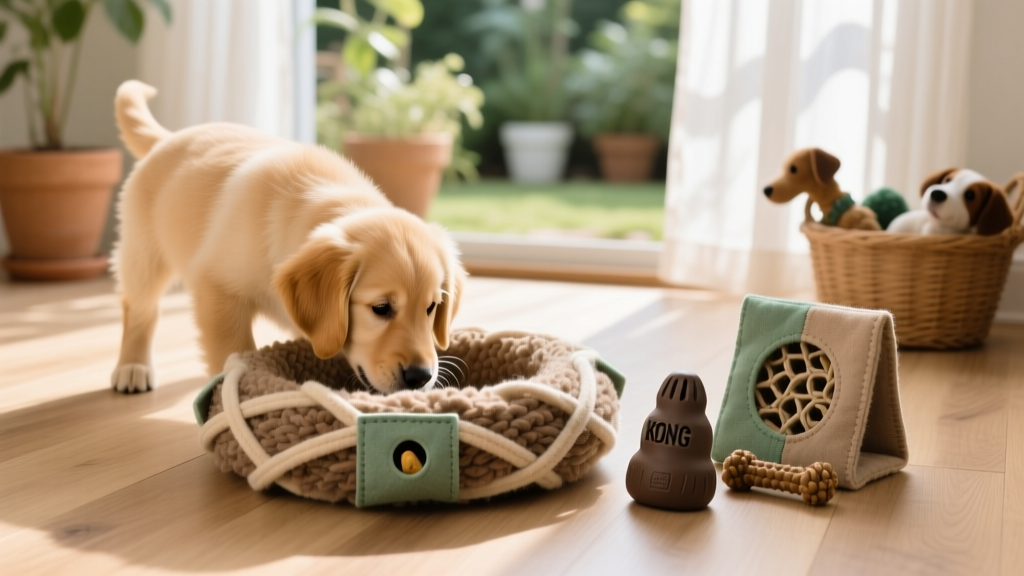
How to build crate comfort: Feed all meals inside the crate with the door open for the first week. Introduce a stuffed Kong or snuffle mat to create positive associations. Never use the crate as punishment. If your puppy whines, wait for 3–5 seconds of silence before opening the door — this prevents reinforcing crying. If whining persists beyond 15 minutes, they likely need to eliminate; take them out, then return them to the crate.
Teething Timeline and Safe Relief Strategies
Miniature dachshund puppies begin losing baby teeth around 12–16 weeks, with the process completing by approximately 6–7 months. Their small jaws make them prone to retained deciduous teeth (baby teeth that don't fall out), which your vet will check at each visit. Retained teeth must be surgically extracted to prevent crowding and dental disease.
Safe chew options by stage:
- 12–16 weeks (early teething): Frozen wet washcloth (knot it first), rubber teething toys like the Kong Puppy, chilled carrot sticks (supervised)
- 16–24 weeks (peak discomfort): Benebone Puppy Wishbone (size small), Nylabone Puppy Chew, frozen blueberries as treat topper
- 24–28 weeks (final molars): Bully sticks (supervised, remove when small enough to choke on), yak cheese chews (small size)
Common Miniature Dachshund Puppy Problems and Solutions
Puppy Biting and Nipping
Dachshund puppies were bred to grab and shake prey, so mouthing is hardwired. When teeth touch skin, say "ouch" in a flat tone and withdraw attention for 10–15 seconds (stand up, turn away). Redirect to a toy when they return. Never hold the mouth shut, tap the nose, or use alpha rolls — these increase fear and can trigger defensive biting. Consistency across all household members is critical; if one person allows mouthing, the puppy won't understand why others don't.
Whining and Separation Distress
Miniature dachshunds bond intensely and are prone to separation anxiety. Practice departures from day one: pick up keys, put on shoes, walk out the door, and return in 30 seconds. Gradually extend absence duration over weeks. Provide a piece of clothing with your scent in the crate. Avoid emotional goodbyes and hellos — keep arrivals and departures boring.
Destructive Chewing
Peak chewing occurs between 4–7 months during teething, but boredom chewing can persist. Puppy-proof one room rather than trying to protect the whole house. Rotate toys every 2–3 days to maintain novelty. Ensure your puppy gets adequate mental stimulation — 10 minutes of sniffing on a snuffle mat burns as much energy as a 30-minute walk for a dachshund puppy.
Stubbornness and "Selective Hearing"
This isn't defiance — it's independent thinking bred into a dog designed to hunt badgers underground without human direction. Use higher-value treats than the distraction (real chicken beats kibble). Keep training sessions to 5 minutes. End on a success. If your puppy ignores a cue, don't repeat it — instead, reduce the distance or distraction level and try again.
First-Year Cost Breakdown for a Miniature Dachshund Puppy
Budget realistically. These figures reflect 2025–2026 US averages and vary by region. Emergency veterinary care is not included — consider pet insurance (typically $35–$65/month for a small-breed puppy) or set aside a $1,500–$3,000 emergency fund.
| Category | Low | Average | High |
|---|---|---|---|
| Puppy purchase (responsible breeder) | $2,000 | $3,000 | $5,000+ |
| OR Adoption fee (rescue) | $200 | $400 | $600 |
| Veterinary (vaccines, wellness, spay/neuter) | $600 | $900 | $1,500 |
| Food (high-quality small-breed formula) | $250 | $400 | $600 |
| Supplies (crate, harness, bed, bowls, toys) | $150 | $300 | $500 |
| Training (puppy class + follow-up) | $100 | $300 | $800 |
| Preventive medications (heartworm, flea/tick) | $150 | $250 | $400 |
| Pet insurance (optional) | $420/yr | $600/yr | $780/yr |
| Total (breeder puppy, average estimates) | $3,650 – $5,950 (first year, excluding insurance) | ||
Ongoing annual costs after year one typically range from $1,200–$2,500 for routine care, food, preventives, and supplies — not including emergencies. Dachshunds are predisposed to IVDD (intervertebral disc disease), which can require surgery costing $3,000–$8,000 per episode. Insurance with a low deductible and no payout cap is strongly recommended for this breed.
When Can Your Puppy Go Outside and Meet Other Dogs?
This is one of the most common questions new miniature dachshund puppy owners ask, and the answer balances disease risk against the closing socialization window. Here's the practical timeline:
- Before any vaccines (weeks 4–8): Carry puppy in a sling for outdoor exposure to sounds and sights. No ground contact in public areas.
- After first DHPP (week 6–8): Begin controlled outdoor exploration in your own yard if no unknown dogs have access to it. Carry puppy on walks in low-traffic neighborhoods.
- After second DHPP (week 10–12): Short leash walks on public sidewalks are reasonable. Avoid dog parks and areas with heavy dog traffic. One-on-one playdates with fully vaccinated, known-healthy adult dogs are beneficial.
- After final DHPP (week 14–16) plus 1–2 weeks: Full outdoor access is generally safe. This is when dog parks, group classes, and pet-friendly stores become options — though dog parks remain risky for dachshunds due to potential injury from larger dogs.
The AKC recommends waiting until at least one week after the final puppy vaccine before visiting high-traffic dog areas. Your veterinarian can advise based on local disease prevalence — parvovirus is more common in some regions than others.
Frequently Asked Questions
How often should I feed my miniature dachshund puppy at 10 weeks old?
Four meals per day, spaced roughly 4 hours apart during waking hours (for example: 7 AM, 11 AM, 3 PM, 7 PM). Each meal should be approximately 2–3 tablespoons of small-breed puppy kibble. Consistent mealtimes also make potty training more predictable — puppies typically need to eliminate 15–30 minutes after eating.
When will my miniature dachshund puppy be fully potty trained?
Realistic expectations: reliable daytime control by 4–6 months, full overnight reliability by 8–12 months. Some miniature dachshunds take up to 14 months. Consistency, not speed, is what matters. If your puppy is having frequent accidents past 6 months despite a consistent schedule, consult your veterinarian to rule out urinary tract infection or other medical causes.
How do I stop my miniature dachshund puppy from biting my hands?
Use the "ouch and withdraw" method: when teeth touch skin, say "ouch" calmly, stand up, and turn away for 10–15 seconds. Return and redirect to an appropriate chew toy. Repeat consistently. Expect 2–4 weeks of consistent practice before you see significant improvement. Never use physical punishment — dachshunds are sensitive and will shut down or become defensively aggressive.
Can my miniature dachshund puppy use stairs?
No. Stair use is a significant IVDD risk factor for dachshunds. Carry your puppy up and down stairs until at least 12 months of age, and ideally train them to use a ramp for the rest of their life. Jumping on and off furniture should also be prevented — invest in pet ramps or steps rated for at least 25 pounds.
What should I look for in a miniature dachshund breeder?
A responsible breeder performs OFA (Orthopedic Foundation for Animals) or PennHIP evaluations on parent dogs, tests for PRA (progressive retinal atrophy) and Lafora disease, provides a written health guarantee, requires a spay/neuter agreement for pet-quality puppies, and has a take-back clause requiring the dog be returned to them at any point in its life if you cannot keep it. Expect a waitlist of 3–12 months and a thorough interview process — good breeders screen buyers as carefully as buyers screen them.
This guide is for informational purposes and does not replace professional veterinary advice. Always consult your veterinarian for health decisions specific to your miniature dachshund puppy.
Anouk Beaumont
All our authors care for dogs every day — read more of their work on the authors page.