Lhasa Apso Puppies: Complete Week-by-Week Care & Training Guide
Everything you need to raise Lhasa Apso puppies: milestones, feeding schedules, potty training timelines, vaccination plans, and first-year cost breakdown.

Bringing Home a Lhasa Apso Puppy: What Makes This Breed Different
Lhasa Apso puppies are not your average small-breed pup. Originally bred as indoor sentinel dogs in Tibetan monasteries, they carry an independent, watchful temperament that shapes every aspect of early training. Unlike eager-to-please breeds such as Cavalier King Charles Spaniels, a Lhasa Apso puppy will test boundaries with quiet stubbornness — and their legendary coat demands grooming habits that must begin in the first weeks at home.
This guide covers the exact developmental milestones, feeding portions, vaccination dates, and training progressions you need from week 4 through month 12. Every recommendation is calibrated to the Lhasa Apso's specific growth rate (they mature slowly, reaching adult weight of 12–18 lb / 5.4–8.2 kg by 10–12 months) and temperament profile.
When should I bring my puppy home? The American Kennel Club recommends bringing a Lhasa Apso puppy home between 8 and 10 weeks of age. Because this breed is prone to wariness of strangers, staying with the breeder through week 10 — when the litter has had maximum socialization with siblings — often produces a more confident puppy than an early 8-week pickup. Never accept a puppy younger than 8 weeks; the critical litter-socialization period is non-negotiable for a breed this naturally reserved.
Lhasa Apso Puppy Milestones: Week by Week, Month by Month
Understanding what to expect at each developmental stage prevents unnecessary panic and helps you provide the right stimulation at the right time. Lhasa Apsos develop more slowly than many toy breeds — don't expect adult behavior by 6 months.
Weeks 4–8: Still With the Breeder
- Physical: Eyes fully open, deciduous teeth erupting, weight approximately 1.5–3 lb (0.7–1.4 kg)
- Behavioral: Beginning play with littermates, learning bite inhibition from siblings, startle response to loud sounds
- Your role: If visiting the breeder, handle the puppy gently for 5–10 minutes daily. Introduce your scent by leaving a worn t-shirt with the litter
- Grooming start: The breeder should begin gentle brushing with a soft pin brush to desensitize the puppy to coat handling
Weeks 8–12: Home Adjustment Period
- Physical: Weight 3–5 lb (1.4–2.3 kg), sleeping 18–20 hours per day, rapid growth spurts
- Behavioral: Fear imprint period (8–11 weeks) — negative experiences can create lasting phobias. Keep introductions calm and positive
- Training: Begin name recognition, sit for treats, and crate introduction. Keep sessions under 5 minutes
- Lhasa-specific note: This breed bonds intensely with one person. Rotate handling among family members to prevent single-person attachment
Weeks 12–16: Confidence Building
- Physical: Weight 5–8 lb (2.3–3.6 kg), adult coat beginning to mix with puppy coat
- Behavioral: Increased independence, may start ignoring recall commands, testing household rules
- Training: Introduce leash walking indoors, begin "leave it" and "drop it" commands, start handling paws and ears daily for grooming prep
- Socialization peak: Maximum exposure window — see socialization checklist below
Weeks 16–24 (4–6 Months): Adolescence Begins
- Physical: Weight 8–12 lb (3.6–5.4 kg), teething at full force, may appear lanky as body lengthens before filling out
- Behavioral: Second fear period (around 6 months), increased barking at doorbell/strangers (sentinel instinct emerging)
- Training: Lengthen sessions to 10–15 minutes, introduce place/mat training, begin grooming-table conditioning
Months 6–12: Approaching Maturity
- Physical: Weight 12–18 lb (5.4–8.2 kg), growth plates closing around 10–12 months, adult coat fully in
- Behavioral: Settling into adult personality, may still have adolescent energy bursts, full watchdog behavior established
- Training: Should reliably respond to sit, down, come, leave it. Begin practicing with distractions outdoors
- Grooming reality: Daily brushing now mandatory if keeping full coat. Many owners opt for a "puppy cut" (1–2 inches) for manageability
Feeding Schedule: Exact Portions for Your Lhasa Apso Puppy
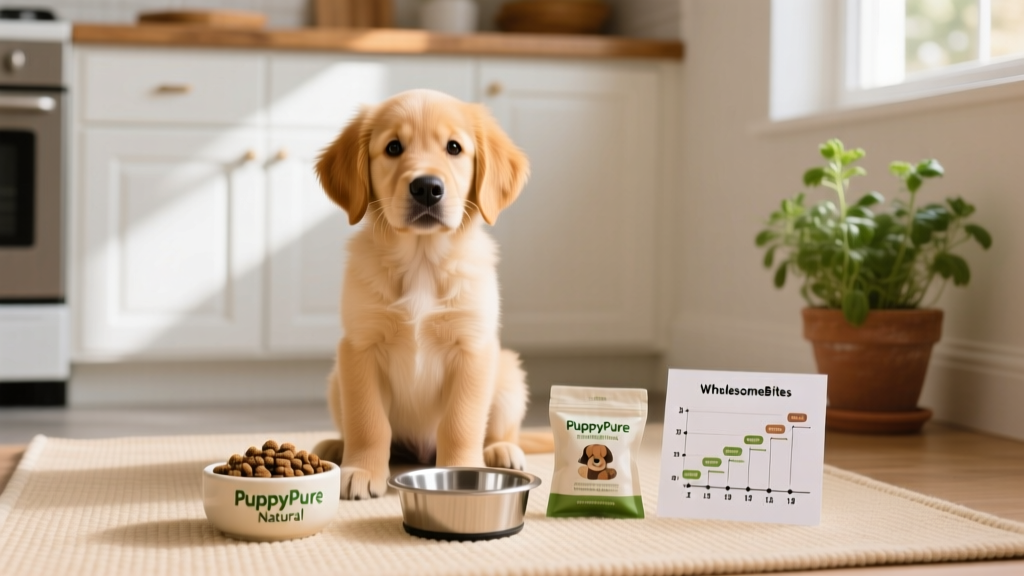
Lhasa Apsos have relatively low caloric needs compared to active working breeds, but puppies still require nutrient-dense food formulated for small-breed growth. The ASPCA recommends feeding a food that meets AAFCO nutrient profiles for growth. Look for a kibble with small bite size (under ¼ inch diameter) and minimum 22% protein, 8% fat on the guaranteed analysis.
| Age | Weight Range | Meals Per Day | Total Daily Amount | Per-Meal Portion |
|---|---|---|---|---|
| 8–12 weeks | 3–5 lb (1.4–2.3 kg) | 4 meals | ⅓ – ½ cup | ~2 tablespoons |
| 3–4 months | 5–8 lb (2.3–3.6 kg) | 3 meals | ½ – ⅔ cup | ~3 tablespoons |
| 4–6 months | 8–12 lb (3.6–5.4 kg) | 3 meals | ⅔ – ¾ cup | ~¼ cup |
| 6–9 months | 12–15 lb (5.4–6.8 kg) | 2 meals | ¾ – 1 cup | ⅜ – ½ cup |
| 9–12 months | 14–18 lb (6.4–8.2 kg) | 2 meals | ⅞ – 1¼ cups | ⅜ – ⅝ cup |
How often should I feed my puppy? Feed 4 meals daily from 8–12 weeks, drop to 3 meals from 3–6 months, and transition to 2 meals at 6 months. Lhasa Apsos are prone to obesity in adulthood, so establishing measured feeding (not free-feeding) early prevents lifelong weight issues. Use a digital kitchen scale for accuracy — eyeballing kibble portions is the number one cause of overfeeding in small breeds.
Transitioning foods: When switching from the breeder's food to your chosen brand, follow a 7-day gradual transition: 75% old / 25% new for days 1–2, 50/50 for days 3–4, 25% old / 75% new for days 5–6, and 100% new on day 7. Rushing this causes diarrhea, which complicates potty training.
Vaccination Schedule: Protecting Your Lhasa Apso Puppy
Lhasa Apso puppies follow the standard core vaccination series, but their small body mass means post-vaccine lethargy is common for 24–48 hours. Schedule vaccinations on days when you can monitor your puppy at home. The American Veterinary Medical Association outlines core vaccine protocols that your veterinarian will customize based on regional disease risk.
What vaccines does my puppy need and when?
| Age | Vaccines Administered | What It Protects Against | Notes |
|---|---|---|---|
| 6–8 weeks | DHPP (1st dose) Bordetella (optional) |
Distemper, Hepatitis (Adenovirus), Parainfluenza, Parvovirus | Usually given by breeder. Mild lethargy and soreness at injection site for 24–48 hrs is normal. |
| 10–12 weeks | DHPP (2nd dose) Leptospirosis (1st dose, risk-dependent) Lyme (1st dose, risk-dependent) |
Continued core protection + environmental pathogens | Do NOT allow off-leash outdoor access or dog park visits yet. Puppy is still not fully protected. |
| 14–16 weeks | DHPP (3rd/final puppy dose) Rabies Leptospirosis (2nd dose if started) |
Full core immunity + rabies (legally required) | Full immunity develops ~2 weeks after final DHPP. Safe for outdoor walks and dog introductions after week 16–18. |
When can my puppy go outside or meet other dogs? You can carry your Lhasa Apso puppy in public (in a sling or carrier) from 8 weeks for socialization exposure. However, paws-on-ground walks in public areas and direct contact with unknown dogs should wait until 2 weeks after the final DHPP booster — typically around 16–18 weeks of age. Controlled playdates with fully vaccinated, known-healthy adult dogs in private yards are acceptable from 10 weeks onward.
Socialization Window: Weeks 3–14 (Don't Miss This)
The primary socialization window closes around 14 weeks. For Lhasa Apsos — a breed genetically predisposed to wariness of strangers and environmental sensitivity — missing this window often results in lifelong fearfulness, excessive barking, and difficulty with grooming by professionals. The goal is positive exposure, not overwhelming flooding.
Lhasa Apso Puppy Socialization Checklist:
Key rule: Every new experience must be paired with high-value treats (boiled chicken, freeze-dried liver). If your puppy shows fear — cowering, tail tucking, refusing treats — increase distance from the stimulus and let them observe from safety. Never force a fearful Lhasa Apso puppy into a situation; this breed holds grudges against things that scared them during this period.
Potty Training: Realistic Timeline and Troubleshooting
When will my puppy be fully potty trained? Most Lhasa Apso puppies achieve reliable house training between 5 and 7 months of age. Some individuals, particularly males, may take up to 9 months. This breed's small bladder capacity and occasional stubbornness mean potty training requires more repetition than with breeds like Poodles or Shetland Sheepdogs.
Bladder capacity by age: A general guideline is one hour of hold time per month of age. An 8-week-old puppy (2 months) can hold for roughly 2 hours maximum. A 4-month-old can hold for about 4 hours. Never expect an 8-week-old puppy to sleep through the night without a potty break — plan for one overnight outing at approximately 2–3 AM until about 14 weeks of age.
Track these data points daily to identify your puppy's natural rhythm:
- Time of each potty outing
- Location (same outdoor spot builds association)
- Result: urinated / defecated / both / nothing
- Trigger: woke up / after meal / after play / whined at door
- Accidents: time, location, what happened 30 minutes before
Within 7–10 days of logging, you'll see a clear pattern. Most Lhasa Apso puppies need to eliminate within 10–15 minutes after eating, 5–10 minutes after vigorous play, and immediately upon waking.
Method: Use a consistent verbal cue ("go potty" or "do your business") said only while the puppy is actively eliminating, followed immediately by a high-value treat. Take your puppy to the exact same outdoor spot each time — scent triggers the urge. For apartment dwellers, puppy pad training is acceptable for Lhasa Apsos given their small size, but place pads in a fixed location and gradually move them toward the door if you plan to eventually transition to outdoor-only.
Troubleshooting common issues:
- Submissive urination when greeted: Common in Lhasa Apsos. Ignore the puppy for the first 60 seconds when arriving home. Greet calmly at their level, no high-pitched excitement. This typically resolves by 6–8 months.
- Refusing to go outside in rain/cold: This breed's long coat gets heavy when wet and they dislike cold. A waterproof puppy raincoat and booties help. Alternatively, use a covered patio area or indoor pad on bad weather days.
- Regression at 4–5 months: Normal developmental regression. Return to higher-frequency outings (every 1–1.5 hours) for two weeks. Do not punish accidents — interrupt with a neutral "oops" and carry outside immediately.
Teething, Crate Training, and Common Puppy Problems
Teething Timeline (3–6 Months)
Lhasa Apso puppies begin losing deciduous teeth around 12–14 weeks, with the process completing by 6–7 months. Because of their small jaw structure, retained baby teeth (especially canines) are common in this breed. If you see an adult tooth erupting alongside a baby tooth that hasn't fallen out after two weeks, your veterinarian should extract the retained tooth during spay/neuter surgery to prevent dental crowding.
Safe chew recommendations for Lhasa Apso puppies:
- Benebone Puppy Wishbone (XS): Nylon chew sized for dogs under 15 lb, soft enough for puppy teeth
- KONG Puppy (XS or Small): Stuff with plain canned pumpkin (not pie filling) and freeze for 30 minutes — the cold numbs sore gums
- Chilled carrot sticks: Full-size carrots, chilled (not frozen solid). Supervise and remove when small enough to swallow whole
- Wet washcloth twist: Soak a clean washcloth in water, twist into a rope, freeze for 2 hours. Supervise to prevent fabric ingestion
Avoid: Rawhide (choking and intestinal blockage risk), antlers (too hard for puppy teeth — risk of slab fractures), and any chew smaller than your puppy's mouth width.
Crate Training Progression
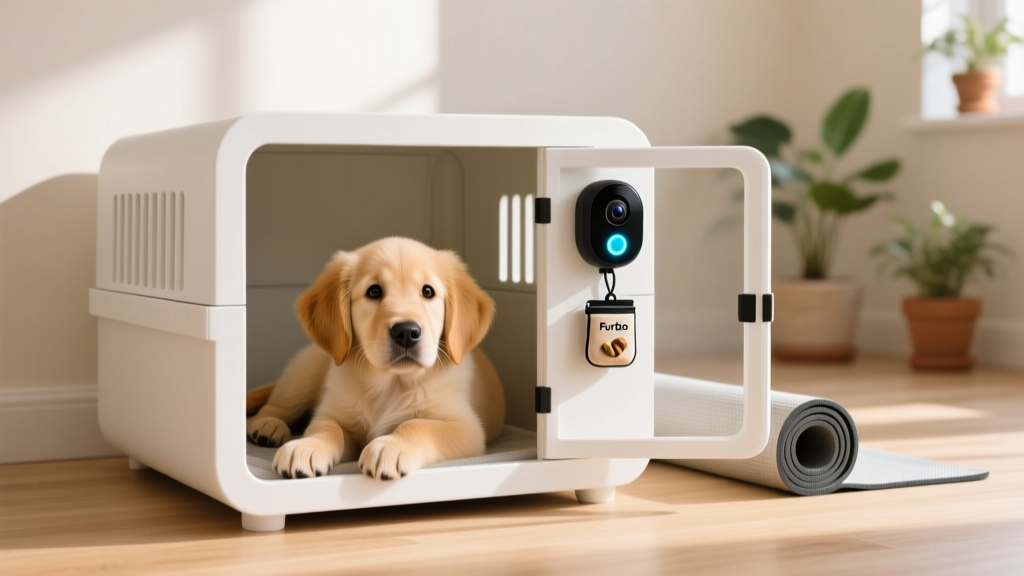
A crate is essential for potty training and providing your Lhasa Apso with a secure den. Choose a crate sized for the adult dog (24" L × 18" W × 21" H) and use a divider panel to shrink the space during puppyhood — too much room invites soiling in one corner and sleeping in another.
| Age | Maximum Crate Time (Daytime) | Overnight | Notes |
|---|---|---|---|
| 8–10 weeks | 1–2 hours max | 3–4 hours (one overnight break) | Crate beside your bed. A ticking clock or Snuggle Puppy (heartbeat toy) eases first nights. |
| 10–14 weeks | 2–3 hours max | 5–6 hours | Begin moving crate to permanent location. Feed meals in crate with door open. |
| 3–6 months | 3–4 hours max | 7–8 hours | Puppy should enter crate voluntarily for naps. Provide a safe chew toy inside. |
| 6–12 months | 4–5 hours max | 8 hours | Begin leaving crate door open during day. Many Lhasas choose to sleep in their crate voluntarily as adults. |
Breed-Specific Puppy Problems and Solutions
How do I stop puppy biting and nipping? Lhasa Apso puppies use their mouths to explore and communicate, but their sharp deciduous teeth can be surprisingly painful. When your puppy bites skin:
- Let out a high-pitched "ow!" (mimicking a littermate's yelp)
- Immediately withdraw attention — stand up, fold arms, look away for 15–20 seconds
- Redirect to an appropriate chew toy when they return
- If biting persists after three redirects, end the play session with a 2-minute crate timeout (calm, not punitive)
Never hold the puppy's mouth shut, tap their nose, or use physical punishment. These methods increase fear-based biting in sensitive breeds like the Lhasa Apso. Consistent redirect-and-withdraw typically reduces mouthing significantly by 16 weeks, with full cessation as adult teeth come in.
Excessive barking at strangers: Your Lhasa Apso's sentinel instinct will emerge as early as 10–12 weeks. Acknowledge the alert ("thank you, I see them"), then redirect to a "go to your mat" command. Reward silence. Never yell at a barking Lhasa — they interpret yelling as you barking along, which validates the alert.
Whining in the crate at night: Distinguish between protest whining (intermittent, stops when you respond) and potty whining (persistent, escalating). For protest whining, do not open the crate — wait for 5 seconds of silence, then praise softly. For potty whining (especially if 2+ hours since last outing), take outside on leash with minimal interaction, then return to crate.
Resource guarding (food, toys): While not as common as in some breeds, Lhasa Apsos can develop guarding behaviors. Prevention starts early: hand-feed a portion of meals daily, practice trading up (offer a higher-value treat while gently removing a lower-value item), and occasionally add food to the bowl while the puppy eats so your hand near the bowl predicts good things, not loss.
First-Year Cost Breakdown for a Lhasa Apso Puppy
Budget realistically before bringing your puppy home. The following ranges reflect 2026 US pricing for urban and suburban areas. Rural costs may run 15–20% lower for veterinary services.
| Category | Item | Cost Range |
|---|---|---|
| Veterinary | Puppy vaccine series (3 visits) | $200–$400 |
| Spay/neuter surgery | $300–$700 | |
| Fecal tests, heartworm test, deworming | $80–$150 | |
| Microchip | $25–$60 | |
| Food | Small-breed puppy kibble (12 months) | $180–$360 |
| Treats and chews | $60–$120 | |
| Supplies | Crate (24" with divider), bed, bowls | $80–$150 |
| Harness, leash, collar, ID tag | $40–$90 | |
| Grooming tools (slicker brush, metal comb, detangler spray) | $35–$80 | |
| Toys, puzzle feeders, chews | $50–$100 | |
| Grooming | Professional grooming (if keeping longer coat, every 6–8 weeks, ~5 sessions/year) | $300–$500 |
| OR home grooming supplies (clippers for puppy cut) | $50–$120 (one-time) | |
| Training | Puppy kindergarten class (6–8 weeks) | $120–$250 |
| Preventive Meds | Flea/tick + heartworm prevention (12 months) | $150–$300 |
| Pet Insurance | Accident + illness plan (annual premium) | $350–$600 |
| Total Estimated First-Year Cost | $1,970–$3,860 | |
This does not include the initial purchase price of the puppy itself, which typically ranges from $1,200 to $3,000 from a responsible breeder who performs OFA health testing on parent dogs, or $150–$500 through a breed-specific rescue organization such as the Lhasa Apso Rescue network.
Frequently Asked Questions
Are Lhasa Apso puppies good for first-time dog owners?
They can be, but they're not the easiest choice. Their independent temperament means training requires patience and consistency that first-time owners sometimes underestimate. A Lhasa Apso will not obey simply because you told them to — they need to understand what's in it for them. If you're a first-time owner, invest in a positive-reinforcement puppy class and commit to daily 10-minute training sessions. Breeds like the Bichon Frise or Havanese may be more forgiving of beginner mistakes.
How much exercise does a Lhasa Apso puppy need?
Follow the 5-minutes-per-month-of-age rule: a 3-month-old puppy needs about 15 minutes of structured exercise (walks, play) twice daily. A 6-month-old needs roughly 30 minutes twice daily. Avoid forced running, jumping from heights, or long stair climbs until growth plates close around 10–12 months. Mental stimulation (snuffle mats, training sessions, puzzle toys) tires a Lhasa Apso puppy more effectively than physical exercise alone.
When should I start grooming my Lhasa Apso puppy?
Begin daily brushing from the first day home, even if the puppy coat seems manageable. Use a soft slicker brush and a metal comb, working through the coat down to the skin for 5–10 minutes daily. Schedule the first professional grooming visit at 12–14 weeks (after the second vaccination) for a "happy visit" — just a bath, light trim around the eyes and paws, and positive association with the grooming table. Full grooming sessions should begin at 16 weeks. Skipping early grooming exposure is the number one reason adult Lhasa Apsos require sedation for grooming.
Should I get pet insurance for my Lhasa Apso puppy?
Yes, ideally before your first vet visit after bringing the puppy home. Lhasa Apsos are predisposed to hereditary conditions including progressive retinal atrophy (PRA), hip dysplasia, and intervertebral disc disease (IVDD) — conditions that can cost $2,000–$6,000+ to treat. Enrolling at 8–10 weeks ensures no pre-existing condition exclusions. Look for plans covering hereditary conditions without breed-specific exclusions. Average monthly premiums for a Lhasa Apso puppy range from $30–$50 depending on deductible and reimbursement level.
My Lhasa Apso puppy won't eat — should I be worried?
Occasional skipped meals are normal during the first week home (adjustment stress). However, if your puppy refuses food for more than 16–24 hours, shows lethargy, vomiting, or diarrhea, contact your veterinarian immediately. Lhasa Apso puppies can develop hypoglycemia (low blood sugar) if they go too long without eating, especially under 4 months of age. Rubbing a small amount of Karo syrup on the gums can stabilize blood sugar while you're en route to the vet.
How do I know if my Lhasa Apso puppy is a healthy weight?
Use the body condition score (BCS) system: you should be able to feel ribs easily without pressing hard (like running your fingers over the back of your hand), see a visible waist when looking from above, and observe an abdominal tuck from the side. A 12-week-old Lhasa Apso should weigh approximately 4–6 lb (1.8–2.7 kg). Your veterinarian will track growth at each visit — ask them to show you where your puppy falls on the BCS scale.
Raising a Lhasa Apso puppy rewards patience with a deeply loyal, entertaining companion who will keep watch over your home for 12–15 years. The work you invest in socialization, grooming conditioning, and positive training during these first 12 months builds the foundation for a confident, well-adjusted adult dog. When in doubt about any health concern, consult your veterinarian — early intervention is always simpler and less expensive than treating an established problem.
Dr. Hannah Wickes
All our authors care for dogs every day — read more of their work on the authors page.