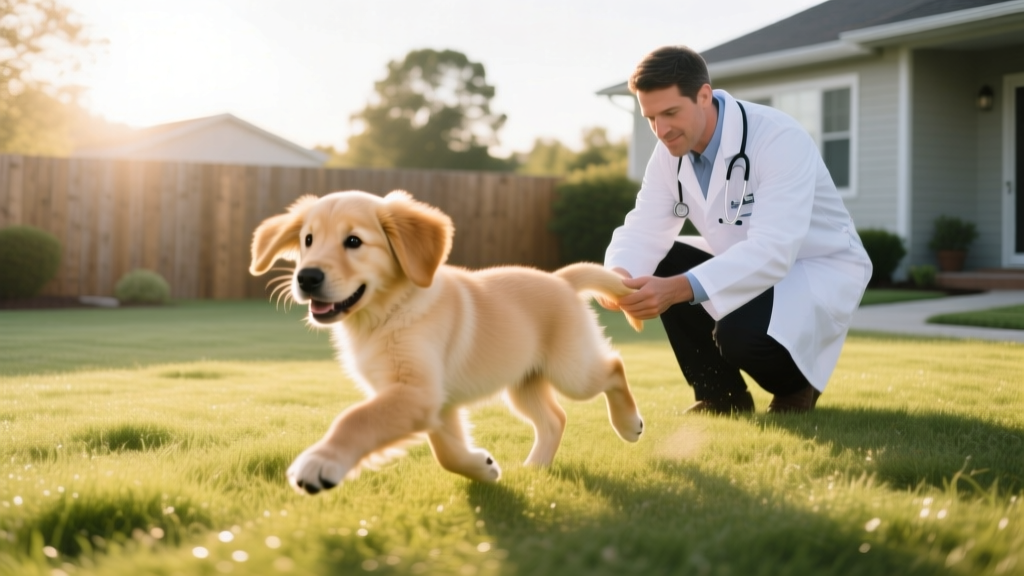
Indoor Puppy Playpen Setup & Complete Puppy Care Guide by
How to use an indoor puppy playpen effectively with age-specific milestones, feeding schedules, potty training timelines, and socialization checklists for

Why an Indoor Puppy Playpen Is Your Best Tool for Early Puppy Care
When you bring a new puppy home, managing their space is the single most impactful decision you'll make for training success. An indoor puppy playpen isn't just a containment device—it's a structured environment that accelerates potty training, prevents destructive chewing, and gives your puppy a safe zone while you work, cook, or sleep. According to the American Kennel Club, puppies left unsupervised in open spaces develop problem behaviors 3x faster than those with managed environments during the first 16 weeks.
This guide walks you through exactly how to use an indoor puppy playpen alongside age-specific care milestones—from the moment your puppy arrives at 8 weeks through their first year. We'll cover feeding schedules with exact portions, vaccination timelines, socialization checklists, potty training expectations, and realistic cost breakdowns so you can plan effectively.
Indoor Puppy Playpen Setup: Size, Location & Essential Gear
Before your puppy arrives, set up a playpen that grows with them. For most breeds, a 4-panel (24" x 24" panels) or 8-panel (24" x 24" panels) exercise pen works well. The playpen should provide 8-16 square feet of floor space—enough for a crate, water bowl, potty area (if using pads), and a play zone.
- Location: High-traffic family area (living room, kitchen) so puppy doesn't feel isolated
- Flooring: Non-slip surface—use interlocking foam tiles or a washable rug
- Temperature: Away from direct sunlight, heating vents, or drafty windows (maintain 68-75°F / 20-24°C)
- Visibility: Puppy should see family activity without being in the middle of foot traffic
Essential playpen contents:
- Crate (sized to adult breed weight, with divider panel) — $40-$80 for mid-range wire crate
- Stainless steel or ceramic water bowl (tip-proof) — $8-$15
- Washable bed or blanket — $15-$30
- 2-3 safe chew toys (Kong Classic, Nylabone Puppy) — $8-$15 each
- Potty pads or litter box (if pad-training) — $15-$25 for 100-count
- Baby gate or pen connector to create double-door entry — $20-$35
Age-Specific Milestones: What to Expect Week by Week
Puppies develop rapidly, and your playpen strategy must adapt to their changing needs. Here's what each developmental stage looks like and how to adjust your setup:
Weeks 4-8 (Still with Breeder/Rescue)
Development: Eyes fully open, teeth emerging, learning bite inhibition from littermates, beginning solid food transition. Socialization with humans and novel sounds is critical.
Playpen relevance: If fostering or if breeder uses a whelping pen, this is where puppies learn spatial boundaries. You won't have your puppy yet (ethical breeders keep puppies until 8 weeks minimum), but ask your breeder what environment the puppy is accustomed to.
Weeks 8-12 (New Home Adjustment)
Development: Fear imprinting period begins (week 8-10). Puppy is highly receptive to new experiences but also vulnerable to trauma. Bladder control: ~1 hour per month of age (so 2 hours max at 8 weeks). Sleep: 18-20 hours/day.
Playpen strategy: Keep playpen in main living area. Use crate inside playpen with door open for naps. Limit free-roaming to 10-15 minute supervised sessions. Introduce potty pad in one corner if pad-training, or use playpen to manage time between outdoor potty breaks (every 1-2 hours).
Weeks 12-16 (Learning & Testing Boundaries)
Development: Socialization window closing (ends ~14 weeks per AVMA guidelines). Puppy begins testing hierarchy, chewing intensifies as adult teeth start loosening baby teeth. Bladder control improves to 3-4 hours.
Playpen strategy: Expand free-roaming time to 30-45 minute supervised sessions. Use playpen for "time-outs" (not punishment—just calm-down periods) when puppy gets overstimulated. Begin leaving puppy in playpen for 1-2 hours while you're home but busy.
Weeks 16-24 (Teenage Phase Begins)
Development: Adult teeth fully in by 6 months. Sexual maturity approaching (spay/neuter typically at 6 months). Fear periods may recur (weeks 16-20). Bladder control: 4-6 hours. Puppy can hold it longer but still needs regular breaks.
Playpen strategy: Transition to using playpen primarily for confinement when you can't supervise. Puppy should earn more freedom in puppy-proofed rooms. If regression occurs (chewing, accidents), return to playpen management for 1-2 weeks.
Months 6-12 (Adolescence to Young Adult)
Development: Energy levels peak (especially in working/sporting breeds). Second fear period possible (6-14 months). Puppy should be mostly potty trained by 6 months with consistent schedule. Chewing may continue until 12-18 months for large breeds.
Playpen strategy: By 6 months, most puppies can graduate from playpen to gated rooms or puppy-proofed areas. Keep playpen available for recovery periods (post-surgery, illness) or when introducing new household items (holiday decorations, new furniture).
Feeding Schedule: Exact Portions by Age & Weight
Puppies need frequent, measured meals to support rapid growth without overfeeding (which can cause orthopedic issues in large breeds). Use this schedule as a baseline, then adjust based on your puppy's body condition score (BCS)—you should feel ribs without pressing hard, and see a visible waist from above.
| Age | Meals/Day | Small Breed (10-25 lb adult) | Medium Breed (25-50 lb adult) | Large Breed (50-100 lb adult) |
|---|---|---|---|---|
| 8-12 weeks | 4 | ¼ - ½ cup | ½ - ¾ cup | ¾ - 1 cup |
| 12-16 weeks | 3 | ⅓ - ⅔ cup | ¾ - 1 cup | 1 - 1½ cups |
| 4-6 months | 3 | ½ - ¾ cup | 1 - 1½ cups | 1½ - 2½ cups |
| 6-12 months | 2 | ¾ - 1 cup | 1½ - 2 cups | 2 - 4 cups |
Important notes:
- These are total daily amounts—divide by number of meals. Example: 12-week medium puppy eating ¾ cup/day gets ¼ cup per meal (3 meals).
- Use puppy-specific food (AAFCO "growth" or "all life stages" label). Large breed puppies need large-breed puppy formula with controlled calcium/phosphorus to prevent hip dysplasia.
- Remove uneaten food after 15-20 minutes to establish meal schedule and prevent grazing (which disrupts potty training).
- Always provide fresh water in playpen—use a heavy ceramic bowl or wall-mounted dispenser to prevent spills.
Potty Training Timeline: Realistic Expectations & Troubleshooting
Potty training isn't a 3-day miracle—it's a 4-6 month process that requires consistency, supervision, and managed freedom (which is where your indoor puppy playpen shines). Here's what to expect:
| Age | Bladder Control | Outdoor Breaks Needed | Accident Frequency |
|---|---|---|---|
| 8-10 weeks | 1-2 hours | Every 1-2 hours + after meals/naps | Multiple daily (normal) |
| 10-12 weeks | 2-3 hours | Every 2 hours + after meals/naps | 1-3 daily (improving) |
| 3-4 months | 3-4 hours | Every 2-3 hours | 0-2 daily |
| 4-6 months | 4-6 hours | Every 3-4 hours | 0-1 daily (mostly reliable) |
| 6+ months | 6-8 hours | Every 4-6 hours | Rare (fully trained) |
- Place potty pads in one corner of playpen (far from bed/crate).
- Take puppy outside immediately after waking, eating, or playing.
- Use consistent cue word ("go potty") and reward with treat + praise within 3 seconds of elimination.
- If puppy uses pad in playpen, praise but don't treat heavily (you want outdoor preference).
- Gradually shrink pad area as puppy learns to hold it longer.
Troubleshooting: If accidents increase suddenly, rule out UTI (vet visit), stress (new routine), or too much freedom too fast (return to playpen management).
Socialization Window: Critical Period (Weeks 3-14)
The socialization window is the most important developmental period in your puppy's life. According to Merck Veterinary Manual, puppies not exposed to diverse stimuli before 14 weeks are at significantly higher risk for fear-based aggression and anxiety disorders later in life.
Important: Before your puppy is fully vaccinated (typically 16 weeks), avoid high-risk areas like dog parks, pet store floors, or areas with unknown dog feces. But you CAN safely socialize by:
- Carrying puppy in public spaces (parks, outdoor cafes, busy sidewalks)
- Inviting vaccinated, friendly dogs to your home
- Using your indoor puppy playpen as a "safe base" for novel experiences
- Enrolling in puppy kindergarten (most require at least first DHPP vaccine at 6-8 weeks)
Socialization Checklist (Aim for 5-10 new experiences/week):
- ☐ Different floor surfaces (tile, carpet, gravel, grass, metal grate)
- ☐ Various sounds (vacuum, thunder recordings, doorbell, children laughing)
- ☐ Handling exercises (paw touching, ear inspection, mouth opening, nail trimming practice)
- ☐ Different people (men with hats/beards, children, elderly, people in uniforms)
- ☐ Novel objects (umbrella opening, plastic bags, bicycles, skateboards)
- ☐ Car rides (short trips, positive destination like park)
- ☐ Gentle restraint practice (for vet visits—hold puppy still for 5 seconds, treat, release)
- ☐ Alone time training (leave room for 30 seconds, return before puppy panics, gradually increase)
Vaccination Schedule: Core & Non-Core Vaccines by Week
Vaccinations protect your puppy from life-threatening diseases. The American Veterinary Medical Association recommends the following core vaccine schedule:
| Age | Vaccine | What It Protects Against | Notes |
|---|---|---|---|
| 6-8 weeks | DHPP (Distemper, Hepatitis, Parainfluenza, Parvovirus) | Viral diseases causing respiratory, GI, and neurological symptoms | Often given by breeder; ask for records |
| 10-12 weeks | DHPP booster | Same as above | Puppy not fully protected until series complete |
| 10-12 weeks | Bordetella (optional) | Kennel cough | Required for puppy classes, boarding, grooming |
| 14-16 weeks | DHPP final booster | Same as above | Full immunity ~2 weeks after this dose |
| 14-16 weeks | Rabies | Fatal viral disease transmissible to humans | Legally required; booster at 1 year, then every 3 years |
| 12+ weeks | Leptospirosis (optional, regional) | Bacterial infection from wildlife urine | 2-dose series, 2-4 weeks apart |
When can my puppy go outside/meet other dogs?
Your puppy can go on controlled outings (carried or in low-risk areas) immediately. But avoid high-traffic dog areas until 2 weeks after the final DHPP booster (typically 18 weeks old). Puppy classes are safe if all attendees have at least one DHPP vaccine and the facility disinfects properly.
Teething Timeline & Safe Chew Recommendations
Puppies have 28 baby teeth that erupt at 3-6 weeks, then fall out between 3-6 months as 42 adult teeth emerge. During this period, chewing intensifies and your puppy needs appropriate outlets—or your furniture, shoes, and hands become targets.
Teething relief strategies:
- Frozen Kongs: Fill with peanut butter (xylitol-free) or plain yogurt, freeze for 4 hours
- Chilled carrots: Large carrots (too big to choke on) refrigerated for 2 hours
- Wet washcloth: Soak, wring out, twist into rope shape, freeze (supervise to prevent swallowing fabric)
- Commercial chews: Nylabone Puppy, Benebone Puppy, or bully sticks (supervise, remove when small)
How do I stop puppy biting/nipping?
Puppy biting is normal—it's how they explore and play. But you must teach bite inhibition:
- When puppy bites skin, say "ouch!" in a high-pitched yelp (mimics littermate feedback).
- If puppy stops, immediately offer a chew toy and praise.
- If puppy continues biting, stand up, turn away, or leave playpen area for 10-15 seconds (time-out).
- Return and resume play. Repeat consistently—most puppies learn bite inhibition by 16 weeks.
- Never hit, hold mouth shut, or use aversive methods (these increase fear and aggression).
Crate Training Progression & Time Limits by Age
The crate (inside your playpen) is your puppy's bedroom—it should be a positive space, not a punishment. Crate training works because dogs naturally avoid soiling their sleeping area.
| Age | Max Crate Time (Day) | Max Crate Time (Night) | Notes |
|---|---|---|---|
| 8-10 weeks | 1-2 hours | 3-4 hours (set alarm) | Expect whining; don't release while crying |
| 10-12 weeks | 2-3 hours | 4-5 hours | Feed meals in crate to build positive association |
| 3-4 months | 3-4 hours | 6-7 hours | Can sleep through night without potty break |
| 4-6 months | 4-5 hours | 7-8 hours | Begin leaving crate door open when home |
| 6+ months | 6 hours max | 8 hours | Consider dog walker if you work full-time |
Crate training tips:
- Never use crate as punishment—puppy must view it as safe space.
- Cover crate with breathable blanket to create den-like environment (reduces visual stimulation).
- Provide a Kong or chew toy when crating to prevent boredom.
- If puppy whines, wait 5-10 minutes before checking (they often self-soothe). If whining persists beyond 15 minutes, take puppy outside to potty, then return to crate.
First-Year Cost Breakdown: Budgeting for Your Puppy
New puppy owners often underestimate first-year costs. Here's a realistic breakdown for a medium-breed puppy (adjust ±30% for small/large breeds):
| Category | Low Estimate | Medium Estimate | High Estimate |
|---|---|---|---|
| Puppy purchase/adoption fee | $300 (rescue) | $1,500 (responsible breeder) | $3,000+ (rare breeds) |
| Initial vet visits (3-4 wellness exams) | $200 | $400 | $600 |
| Vaccinations (full series) | $150 | $250 | $350 |
| Spay/neuter (6 months) | $200 (low-cost clinic) | $500 | $800 |
| Food (12 months) | $300 | $600 | $1,000 (premium/raw) |
| Supplies (crate, playpen, bowls, bed, toys) | $150 | $300 | $500 |
| Training (puppy class + basic obedience) | $100 (group class) | $300 | $1,500 (private trainer) |
| Preventive meds (heartworm, flea/tick) | $200 | $400 | $600 |
| Pet insurance (optional but recommended) | $300/year | $600/year | $900/year |
| Total First Year | $1,900 | $4,850 | $9,250+ |
Frequently Asked Questions
When should I bring my puppy home?
Most puppies are ready to leave their mother and littermates at 8-10 weeks. Ethical breeders keep puppies until at least 8 weeks (some toy breeds until 10-12 weeks due to fragility). Bringing a puppy home before 8 weeks increases risk for behavioral issues like separation anxiety and poor bite inhibition.
How often should I feed my puppy at 10 weeks old?
At 10 weeks, feed 4 meals per day, spaced evenly (e.g., 7am, 12pm, 5pm, 9pm). This supports steady energy levels and makes potty training more predictable (puppies typically eliminate 15-30 minutes after eating). See the feeding schedule table above for exact portions by breed size.
When will my puppy be fully potty trained?
Most puppies are reliably potty trained by 6 months with consistent schedule and supervision. Small breeds may take longer (8-10 months) due to smaller bladders. If your puppy is still having frequent accidents after 6 months, consult your vet to rule out medical causes (UTI, diabetes, kidney issues) and consider working with a certified trainer.
What vaccines does my puppy need and when?
Core vaccines include DHPP (Distemper, Hepatitis, Parainfluenza, Parvovirus) given at 6-8, 10-12, and 14-16 weeks, plus Rabies at 14-16 weeks. Non-core vaccines like Bordetella (kennel cough) and Leptospirosis depend on your puppy's lifestyle and regional disease prevalence. Always consult your veterinarian to create a vaccination plan tailored to your puppy's needs.
How do I stop puppy biting/nipping?
Use the yelp-and-redirect method: when puppy bites skin, say "ouch!" in a high-pitched voice, then immediately offer a chew toy. If biting continues, give a 10-15 second time-out by leaving the playpen area. Never hit or punish—this increases fear and aggression. Most puppies learn bite inhibition by 16 weeks with consistent feedback. For persistent biting beyond 6 months, consult a certified positive-reinforcement trainer.
When can my puppy go outside/meet other dogs?
Your puppy can go on controlled outings (carried or in low-risk areas) immediately after coming home. However, avoid high-traffic dog areas (dog parks, pet stores, areas with unknown dog feces) until 2 weeks after the final DHPP booster—typically around 18 weeks old. Puppy classes are safe if all attendees have at least one DHPP vaccine and the facility disinfects between sessions.
Final Note: Every puppy is an individual—some may progress faster or slower than these timelines. If you're concerned about your puppy's development, behavior, or health, always consult your veterinarian. An indoor puppy playpen is a powerful tool, but it works best when combined with patience, consistency, and positive reinforcement training.
Aaron Whyte
All our authors care for dogs every day — read more of their work on the authors page.