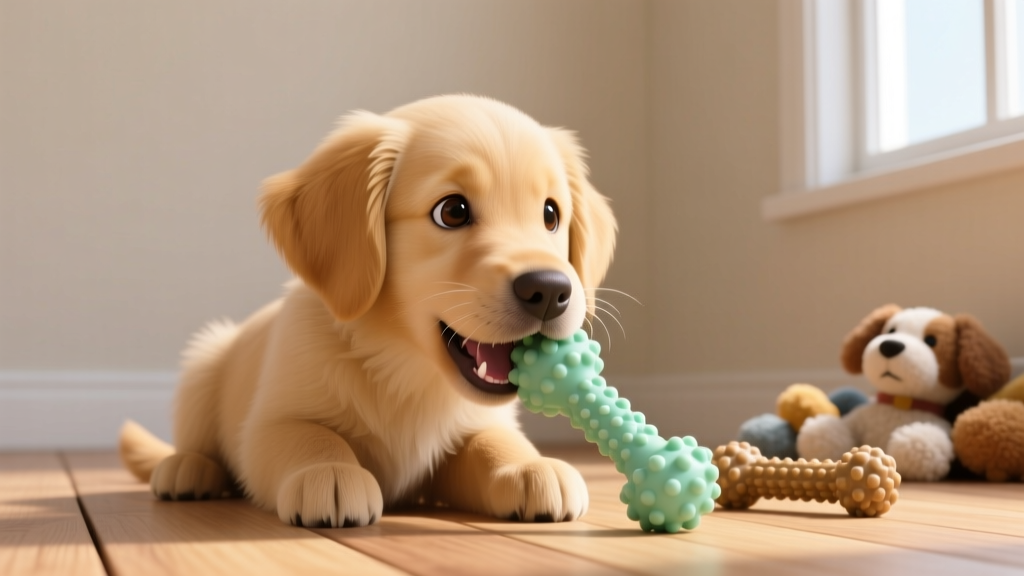
How to Discourage Puppy Biting: A Week-by-Week Training Guide
Learn how to discourage puppy biting with age-specific milestones, teething timelines, and positive reinforcement techniques that actually work.

Understanding Puppy Biting: Why It Happens and When It Peaks
Puppies explore the world with their mouths, and biting is a normal developmental behavior — not aggression. Between weeks 3 and 6, littermates teach each other bite inhibition through yelps and withdrawal. When you bring a puppy home, that education becomes your responsibility. The critical window for shaping gentle mouth behavior spans from 8 weeks to about 6 months, coinciding with two distinct teething phases.
According to the American Kennel Club, puppy biting typically peaks between 12 and 16 weeks as baby teeth loosen and adult teeth begin erupting. Most puppies show significant improvement by 6 months if owners apply consistent, force-free redirection. Dogs who never learned bite inhibition as puppies are far more likely to develop problematic mouthing habits as adults — which is why early intervention matters so much.
Age-Specific Milestones: What to Expect and When
Managing puppy biting requires understanding what's developmentally normal at each stage. Here's a concrete timeline so you can calibrate your expectations and training approach.
| Age Range | Developmental Stage | Biting Behavior | Training Focus |
|---|---|---|---|
| Weeks 4–8 | Still with littermates; learning bite inhibition from siblings and dam | Frequent nipping during play; yelping triggers release | Do not remove puppy from litter before week 8 if possible — sibling play is irreplaceable |
| Weeks 8–12 | Adjusting to new home; sharp deciduous (baby) teeth fully in | Biting hands, ankles, clothing; mouthing everything | Redirect to chew toys; yelp-and-withdraw method; enforce naps |
| Weeks 12–16 | Baby teeth begin loosening; gums inflamed and sore | Biting intensifies; chewing furniture, shoes, baseboards | Frozen chew toys; rotate textures; increase mental stimulation |
| Weeks 16–24 | Adult teeth erupting (28 baby → 42 adult teeth); peak teething discomfort | Destructive chewing; may bite harder due to gum pressure | Durable rubber toys (Kong Classic, Nylabone Puppy); supervision required |
| 6–12 Months | Adult teeth fully set; adolescent energy surge; testing boundaries | Mouthing should decrease significantly; occasional regression during excitement | Reinforce "leave it" and "drop it"; structured play; continued enrichment |
How to Discourage Puppy Biting: Proven Force-Free Methods
The methods below are grounded in positive reinforcement and LIMA (Least Intrusive, Minimally Aversive) principles. Never use physical punishment, muzzle grabbing, alpha rolls, or shock collars — these damage trust and can escalate fear-based aggression, according to the American Veterinary Society of Animal Behavior.
Method 1: The Yelp-and-Withdraw Technique
This mimics how littermates teach each other. When teeth touch skin:
- Emit a high-pitched "Ow!" or yelp — not a shout, which can excite some puppies.
- Immediately stand up and turn away, or step behind a baby gate for 10–15 seconds.
- Return and offer a chew toy. Praise enthusiastically when the puppy mouths the toy instead.
- Repeat consistently. Most puppies show improvement within 5–7 days of consistent application.
Method 2: Redirect and Replace
Always have a suitable chew item within arm's reach during play sessions. When the puppy mouths you:
- Freeze (pulling away triggers prey-drive chasing in some breeds).
- Present a toy — a West Paw Zogoflex Hurley or a frozen washcloth twisted into a rope works well for teething pups.
- Mark the moment they bite the toy with "Yes!" and continue play as the reward.
Method 3: Enforced Nap Protocol
Overtired puppies bite harder and more frequently. Puppies aged 8–16 weeks need 18–20 hours of sleep per day. If biting escalates despite redirection, your puppy likely needs a nap, not more training. Place them in their crate or a quiet pen with a chew toy. Most puppies fall asleep within 5 minutes and wake significantly calmer.
Teething Timeline and Safe Chew Recommendations
Teething is the single biggest driver of puppy biting. Understanding the eruption schedule helps you stay ahead of the discomfort.
| Weeks | What's Happening | Safe Chew Options | Avoid |
|---|---|---|---|
| 3–6 weeks | 28 deciduous teeth erupt | Soft rubber teethers, damp washcloth chilled in fridge | Hard nylon bones, ice cubes (too hard for baby teeth) |
| 12–16 weeks | Incisors begin loosening; you may find tiny teeth on the floor | Kong Puppy (soft rubber), frozen carrot sticks, BullyMake puppy box | Rawhide (choking hazard), cooked bones (splinter risk) |
| 16–24 weeks | Canines and premolars shed; adult teeth push through gums | Kong Classic stuffed with frozen peanut butter (xylitol-free), Nylabone Puppy Chew, Benebone Puppy | Antlers, hooves, hard plastic toys that can fracture developing teeth |
| 6–8 months | All 42 adult teeth in; gums healing | Transition to adult-rated rubber toys; edible dental chews (VOHC-approved) | Tennis balls (abrasive felt wears enamel over time) |
Rotate at least 4–5 different chew textures throughout the day. Puppies lose interest quickly, and variety keeps them reaching for toys instead of your hands. Budget approximately $40–$75 per month on chew supplies during peak teething (months 3–6).
Feeding Schedule and Portions by Age
Hunger-driven irritability amplifies biting. A consistent feeding schedule stabilizes energy and mood. The portions below assume a medium-breed puppy (expected adult weight 30–50 lb / 14–23 kg) fed an AAFCO-complete puppy kibble with 22–28% protein. Always check your food's feeding chart and adjust based on your puppy's body condition score (BCS).
| Age | Meals Per Day | Approximate Daily Amount | Notes |
|---|---|---|---|
| 8–12 weeks | 4 meals | 1.5–2 cups total (split into ¼-cup portions) | Soak kibble in warm water for easier chewing during teething onset |
| 12–16 weeks | 3 meals | 2–2.5 cups total | Transition to dry kibble; use portion as training treat budget |
| 4–6 months | 3 meals → 2 meals | 2.5–3.5 cups total | Drop midday meal around month 5; increase per-meal portion |
| 6–12 months | 2 meals | 3–4 cups total | Monitor BCS monthly; adjust to maintain ribs palpable but not visible |
Feed meals at consistent times (e.g., 7 AM, 12 PM, 5 PM, and 9 PM for 4-meal days). Remove uneaten food after 15 minutes to establish routine. Never use food withholding as punishment — this creates resource guarding, which can worsen biting behavior around mealtimes.
Vaccination Schedule and Outdoor Socialization
One of the most common questions new owners ask is: "When can my puppy go outside and meet other dogs?" The answer balances disease risk against the closing socialization window.
| Age | Vaccines Administered | Outdoor Access Level |
|---|---|---|
| 6–8 weeks | DHPP (Distemper, Hepatitis, Parainfluenza, Parvovirus) — 1st dose | Private yard only; no public parks or dog areas |
| 10–12 weeks | DHPP — 2nd dose; Bordetella (optional, recommended if attending puppy classes) | Carry puppy in arms/sling to observe public spaces; attend vaccinated-dog playgroups only |
| 14–16 weeks | DHPP — 3rd dose; Rabies (required by law in most US states) | Wait 5–7 days after final DHPP; then full outdoor access including parks and walking trails |
The American Veterinary Medical Association recommends completing the full DHPP series before unrestricted outdoor exposure. However, the American Veterinary Society of Animal Behavior emphasizes that the primary socialization window closes around 14 weeks — meaning controlled exposure must begin before vaccinations are complete. The compromise: carry your puppy through pet-friendly stores, sit on benches near foot traffic, and arrange playdates with fully vaccinated, healthy adult dogs in private yards.
Socialization Checklist (Weeks 3–14)
During this critical period, aim for positive exposure to as many novel stimuli as possible without overwhelming your puppy. Target 2–3 new experiences per day:
- Surfaces: grass, gravel, tile, metal grates, wet pavement
- Sounds: vacuum cleaner (at a distance), doorbell, traffic, thunderstorm recordings at low volume
- People: children, people wearing hats/sunglasses, people using wheelchairs or crutches, delivery workers
- Animals: calm adult dogs (vaccinated), cats (supervised), livestock at a distance
- Handling: paw touching, ear inspection, mouth opening, nail clipping practice, towel wrapping
- Objects: umbrellas opening, plastic bags rustling, bicycles passing, skateboards
Pair every new experience with high-value treats (boiled chicken, small cheese pieces). If your puppy shows fear, increase distance and reduce intensity — never force exposure.
Potty Training Timeline and Troubleshooting
Realistic expectations prevent frustration. Most puppies achieve reliable house training between 4 and 6 months, though small breeds (under 15 lb / 7 kg) may take up to 9 months due to smaller bladder capacity. Here's what the progression actually looks like:
- 8–10 weeks: Bladder holds approximately 1–2 hours. Take puppy out every 60–90 minutes during the day, plus immediately after eating, drinking, playing, and waking.
- 10–14 weeks: Bladder capacity extends to 2–3 hours. Accidents should decrease if you're maintaining a log and anticipating needs.
- 14–20 weeks: Puppy begins signaling (sniffing, circling, going to the door). Overnight holding reaches 5–6 hours.
- 5–6 months: Most puppies can hold 6–8 hours during the day and sleep through the night. Occasional accidents are still normal, especially during excitement or routine changes.
Crate training supports potty training because puppies instinctively avoid soiling their sleeping area. Follow these time limits:
- 8–10 weeks: maximum 30–60 minutes in crate during the day
- 10–14 weeks: 1–2 hours maximum
- 14–16 weeks: 2–3 hours maximum
- 4–6 months: 3–4 hours maximum
Overnight crating is different — puppies sleep and can hold longer. A general formula: puppy's age in months + 1 = maximum hours they can hold overnight. A 3-month-old puppy can typically manage 4 hours overnight.
First-Year Cost Breakdown
Budgeting accurately prevents sticker shock. Costs below reflect 2026 US averages for a medium-breed puppy and include both essentials and realistic incidentals.
| Category | Estimated Cost (Low–High) | Details |
|---|---|---|
| Veterinary (vaccines, exams, spay/neuter) | $600–$1,400 | 3–4 puppy visits, rabies, DHPP series, Bordetella, fecal tests, heartworm prevention start, spay/neuter |
| Food (puppy formula, 12 months) | $350–$700 | Quality AAFCO-approved kibble at $45–$75/bag, ~1 bag per month |
| Supplies (crate, bed, toys, chews, leash, collar, bowls) | $250–$500 | Chew toys are a recurring cost — budget $40–$75/month during teething |
| Training (group classes or private sessions) | $150–$600 | 6-week group class: $150–$250; private sessions: $75–$150/hour |
| Preventive medications (heartworm, flea/tick) | $200–$450 | Monthly preventives starting at 8 weeks; weight-based dosing |
| Emergency fund (recommended reserve) | $500–$2,000 | Puppies ingest things they shouldn't; GI foreign body surgery averages $2,000–$5,000 |
| Total First-Year Estimate | $2,050–$5,650 | Excludes initial purchase/adoption fee and pet insurance premiums |
Pet insurance premiums for puppies average $30–$60/month in 2026 and are most cost-effective when purchased before any conditions are diagnosed. Consider providers like Trupanion, Healthy Paws, or Lemonade based on your deductible preferences and reimbursement structure.
Frequently Asked Questions
When should I bring my puppy home?
Ideally between 8 and 10 weeks of age. Puppies removed before 8 weeks miss critical bite inhibition lessons from littermates and often develop more persistent biting problems. Some breeders of toy breeds retain puppies until 10–12 weeks for additional maturation. If you've acquired a puppy younger than 8 weeks, expect to invest significantly more time in bite inhibition training and consult a certified force-free trainer early.
How often should I feed my puppy at 10 weeks old?
Four meals per day, spaced roughly 4 hours apart during waking hours (e.g., 7 AM, 11 AM, 3 PM, 7 PM). Consistent meal timing stabilizes blood sugar, which directly impacts impulse control and biting frequency. Free-feeding (leaving food out all day) makes potty training harder and obscures early appetite changes that signal illness.
When will my puppy be fully potty trained?
Most puppies achieve reliable house training between 4 and 6 months. "Reliable" means fewer than one accident per month under normal conditions. Small breeds, intact males, and puppies with early kennel confinement histories may take 8–12 months. Setbacks are normal during moves, travel, or household changes.
What vaccines does my puppy need and when?
Core vaccines include DHPP at 6–8, 10–12, and 14–16 weeks, plus Rabies at 14–16 weeks (timing varies by state law). Non-core vaccines — Bordetella, Leptospirosis, Lyme, Canine Influenza — are recommended based on your puppy's lifestyle and geographic risk. Your veterinarian will tailor the protocol to your area's disease prevalence.
How do I stop puppy biting and nipping for good?
Combine three strategies: (1) yelp-and-withdraw when teeth touch skin, (2) redirect to appropriate chew toys, and (3) enforce naps when biting escalates from overstimulation. Consistency across all household members is essential — if one person allows mouthing and another punishes it, the puppy receives conflicting information and the behavior persists. Expect 2–4 weeks of consistent effort before seeing reliable improvement. If biting intensifies or breaks skin after 16 weeks, consult a certified professional dog trainer (CPDT-KA) or veterinary behaviorist.
When can my puppy go outside and meet other dogs?
Controlled socialization (carrying your puppy, private-yard playdates with vaccinated dogs) should begin immediately at 8 weeks. Unrestricted outdoor access — public parks, trails, dog beaches — should wait until 5–7 days after the final DHPP booster, typically around 16–17 weeks. Puppy socialization classes that require proof of first vaccination and sanitize floors between sessions are generally considered safe starting at 10 weeks, per Merck Veterinary Manual guidance.
Dr. Hannah Wickes
All our authors care for dogs every day — read more of their work on the authors page.