Great Pyrenees Puppies: Week-by-Week Growth & Care Guide
Raise healthy Great Pyrenees puppies with this week-by-week guide covering feeding, vaccinations, potty training, socialization, and first-year costs.

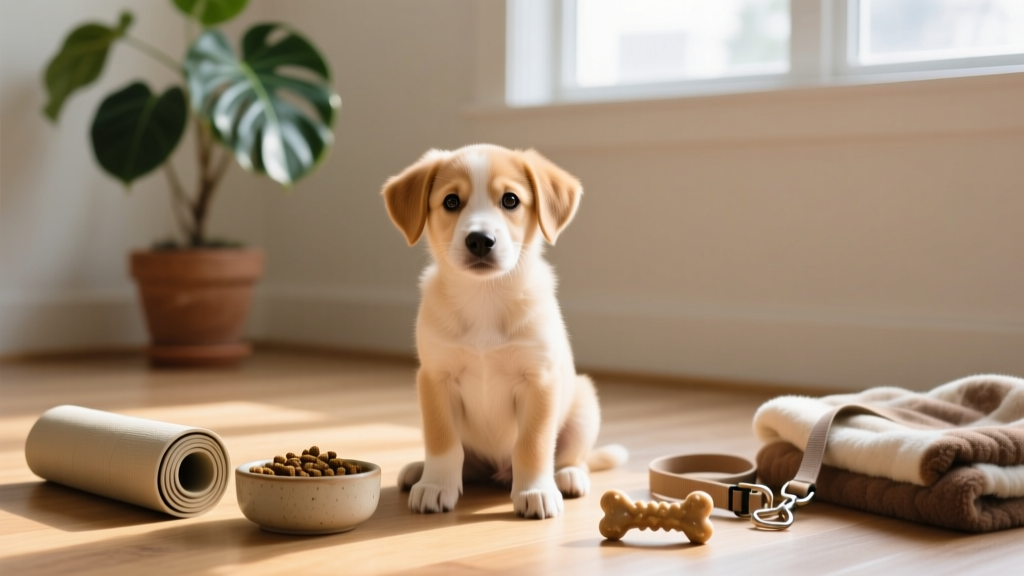
Great Pyrenees puppies are deceptively large even at eight weeks old, and they only get bigger — fast. Males can reach 100–120 lb (45–54 kg) and females 85–100 lb (39–45 kg) by adulthood, making early care decisions critical for joint health, temperament, and long-term wellbeing. This guide walks you through every developmental stage from week 4 through 12 months, with breed-specific feeding portions, vaccination timelines, and training strategies designed for a giant-breed dog.
Before we begin: always consult your veterinarian for personalized health guidance. Giant breeds like the Great Pyrenees have unique nutritional and orthopedic needs that differ significantly from smaller dogs.
When Should You Bring a Great Pyrenees Puppy Home?
Responsible AKC-registered breeders typically release Great Pyrenees puppies between 8 and 10 weeks of age. Some breeders of giant breeds prefer to hold puppies until 10–12 weeks to ensure they receive the full initial DHPP vaccination series and additional socialization time with littermates.
Bringing a Pyr puppy home before 8 weeks increases the risk of behavioral problems later, including resource guarding, fear-based reactivity, and poor bite inhibition. The weeks spent with their mother and siblings teach critical canine communication skills no human can replicate.
Great Pyrenees Puppy Milestones: Week by Week
Weeks 4–8: The Litter Phase
During this period, your puppy is still with the breeder. Key developments include:
- Week 4: Introduction to gruel (puppy kibble soaked in warm water or goat's milk replacer). Eyes and ears fully functional. First deworming typically administered.
- Week 5–6: Littermate play intensifies — puppies learn bite inhibition from siblings. First socialization with novel surfaces, sounds, and gentle handling by strangers.
- Week 6–8: First DHPP vaccine administered at 6–8 weeks. Individual temperament testing often performed. Puppies begin recognizing their name and responding to food motivation.
Weeks 8–12: Settling In
This is your puppy's primary bonding period with you. Expect:
- Weight: 15–25 lb (7–11 kg) depending on sex and lineage
- Sleep: 18–20 hours per day — crate naps are essential
- Attention span: 2–5 minutes for training sessions
- Potty frequency: Every 1–2 hours during the day
- Peak fear imprint period (8–11 weeks): avoid overwhelming experiences like loud parties, aggressive dogs, or forced restraint
Weeks 12–16: Growing Confidence
- Weight: 25–40 lb (11–18 kg)
- Second fear period may emerge around 12–14 weeks — previously confident puppies may suddenly spook at familiar objects
- Teething discomfort begins; chewing intensity increases
- Can begin short, structured walks on soft surfaces (grass, dirt) — 5 minutes per month of age, twice daily
Weeks 16–24: Adolescent Shift
- Weight: 40–65 lb (18–29 kg)
- Secondary vaccination series complete; safe to visit public parks and attend group training classes
- Guardian instincts may emerge — watch for barking at strangers, perimeter patrolling, and protective positioning near family members
- Testing boundaries: selective hearing and delayed recall response are normal
Months 6–12: Giant Breed Adolescence
- Weight: 60–100+ lb (27–45+ kg)
- Growth plates remain open until 18–24 months — avoid forced exercise, jumping from heights, and running on hard surfaces
- Sexual maturity: discuss spay/neuter timing with your vet (many giant-breed specialists now recommend waiting until 12–18 months for orthopedic reasons)
- Independent streak peaks — consistency in training is non-negotiable
Feeding Schedule: Exact Portions for a Growing Giant
Great Pyrenees puppies require large-breed puppy formula to control growth rate and protect developing joints. Look for food meeting AAFCO guidelines for large-breed growth, with calcium levels between 1.0–1.5% on a dry matter basis.
| Age | Meals Per Day | Portion Per Meal (Dry Kibble) | Daily Total |
|---|---|---|---|
| 8–12 weeks | 3–4 | 1.5–2 cups | 5–8 cups |
| 3–4 months | 3 | 2–2.5 cups | 6–7.5 cups |
| 5–6 months | 2–3 | 2.5–3 cups | 5–9 cups |
| 7–12 months | 2 | 3–4 cups | 6–8 cups |
Important: These are starting points. Adjust based on your puppy's body condition score (BCS). You should be able to feel ribs without pressing hard, and see a visible waist from above. Giant breeds that grow too quickly face elevated risk of hip dysplasia and osteochondrosis dissecans (OCD).
Vaccination Schedule for Great Pyrenees Puppies
Your puppy's vaccination timeline follows the AVMA-recommended core vaccine protocol. Your veterinarian will adjust timing based on local disease prevalence and maternal antibody levels.
| Age | Vaccine | Type | Estimated Cost |
|---|---|---|---|
| 6–8 weeks | DHPP (1st dose) | Core | $25–$40 |
| 10–12 weeks | DHPP (2nd dose), Bordetella | Core + Lifestyle | $40–$70 |
| 14–16 weeks | DHPP (3rd dose), Rabies | Core | $50–$85 |
| 12–16 months | DHPP booster, Rabies booster | Core | $50–$90 |
DHPP covers distemper, hepatitis (adenovirus), parainfluenza, and parvovirus. Your vet may also recommend leptospirosis or Lyme vaccines depending on your region and your dog's outdoor exposure.
Socialization Window: Weeks 3–14
The primary socialization window for puppies closes around 14 weeks. For Great Pyrenees — a naturally independent, guardian-bred breed — early positive exposure is critical to prevent overprotective or fearful behavior later.
Before vaccinations are complete, carry your puppy or use a stroller to expose them to novel stimuli without ground contact in high-risk areas.
Great Pyrenees Socialization Checklist
- ✅ Meet 10+ different people (children, elderly, people wearing hats/sunglasses, people of various heights and skin tones)
- ✅ Hear household sounds: vacuum cleaner, doorbell, blender, thunderstorm recordings at low volume
- ✅ Walk on 5+ surfaces: grass, gravel, metal grates, tile, carpet
- ✅ Encounter 3+ other vaccinated, friendly dogs in controlled settings
- ✅ Experience gentle handling: paw touching, ear inspection, mouth opening, nail clipping simulation
- ✅ Ride in a car (short trips ending positively with treats, not just vet visits)
- ✅ See livestock or farm animals if possible (critical for a breed historically used as a livestock guardian)
- ✅ Observe umbrellas opening, bicycles passing, skateboarders — from a safe distance with high-value treats
Potty Training Timeline & Realistic Expectations
Great Pyrenees puppies are not notoriously difficult to house-train, but their large bladder capacity means they may not signal urgency as obviously as smaller breeds. A realistic timeline:
- 8–12 weeks: Accidents every day. Take puppy outside every 1–2 hours, immediately after meals, naps, and play sessions.
- 3–4 months: Accidents drop to 1–2 per week if schedule is consistent. Puppy begins going to the door or whining.
- 5–6 months: Mostly reliable with occasional accidents during excitement or schedule disruption.
- 6–9 months: Fully reliable for most puppies. Some males may begin leg-lifting and marking indoors — manage with supervision and enzymatic cleaner.
Potty Training Troubleshooting for Pyrenees Puppies
If your puppy is still having frequent accidents past 5 months:
- Rule out UTI: Visit your vet for a urinalysis ($45–$75). Giant breeds can be prone to urinary issues.
- Increase outing frequency: You may be waiting too long between trips.
- Use a consistent cue word: Say "go potty" in the same tone each time, reward immediately with a high-value treat (freeze-dried liver works well for food-motivated Pyrs).
- Clean accidents with enzymatic cleaner (Nature's Miracle or Rocco & Roxia) — ammonia-based cleaners attract puppies back to the same spot.
Crate Training Progression & Time Limits
Crate training a Great Pyrenees requires investing in a large crate from the start (48–54 inches for adult males, 42–48 inches for females). Use a divider panel to section off the appropriate space as your puppy grows.
| Age | Maximum Daytime Crate Time | Overnight |
|---|---|---|
| 8–10 weeks | 1–2 hours | 3–4 hours (expect 1–2 nighttime potty breaks) |
| 11–14 weeks | 2–3 hours | 5–6 hours |
| 4–6 months | 3–4 hours | 7–8 hours |
| 6+ months | 4–5 hours | 8 hours |
Never use the crate as punishment. Feed meals inside with the door open, provide a stuffed Kong or frozen lick mat, and cover the crate with a breathable blanket to create a den-like environment.
Teething Timeline (3–6 Months) & Safe Chew Options
Great Pyrenees puppies begin losing deciduous teeth around 12–16 weeks, with the process completing by 6–7 months. During this period, expect:
- Increased chewing on furniture, shoes, and hands
- Drooling more than usual
- Occasional bleeding gums (normal — blood spots on chew toys are expected)
- Reluctance to eat hard kibble for a day or two when canines or molars are shedding
Safe Chew Recommendations for Giant Breed Puppies
- Benebone Wishbone (Puppy formula): Softer nylon designed for developing teeth. Size: Large or XL for Pyr puppies.
- Frozen carrot sticks: Full-size carrots, frozen. Cheap, safe, and soothing on inflamed gums.
- Kong Classic (Large, red rubber): Stuff with plain yogurt and blueberries, freeze for 2+ hours.
- Bully sticks (6-inch, odor-free): Supervise to prevent choking when the stick gets small. Limit to 1 per day due to calorie density.
Common Great Pyrenees Puppy Problems & Solutions
Puppy Biting and Nipping
Great Pyrenees puppies use their mouths to explore, and their guardian breed heritage means they may mouth more persistently than other breeds. Solutions:
- Redirect: When teeth touch skin, immediately offer an appropriate chew toy. Praise when they bite the toy instead.
- Time-out protocol: If biting continues after 2–3 redirects, calmly place puppy in their crate or a pen for 30–60 seconds. This teaches that biting ends play.
- Satisfy the need: Ensure 2–3 appropriate chew toys are always accessible. A puppy with nothing legal to chew will find something illegal.
Never hold your puppy's mouth shut, hit, or use alpha rolls. These aversive methods damage trust and can trigger fear-based aggression — counterproductive with a 100+ lb guardian breed.
Excessive Whining and Vocalization
Great Pyrenees are a vocal breed — they bark, whine, and "woo-woo" as part of their guardian communication style. As puppies, whining often signals:
- Need to eliminate (take outside immediately)
- Overstimulation (puppy needs a forced nap in the crate)
- Boredom (increase enrichment: snuffle mats, frozen Kongs, training sessions)
Destructive Chewing Beyond Teething
If your Pyr puppy is destroying furniture past 6 months, evaluate:
- Are they getting enough mental stimulation? A 15-minute training session tires a puppy more than a 30-minute walk.
- Are they crated or gated when unsupervised? Freedom should be earned gradually.
- Is separation anxiety developing? If destruction only occurs when you're gone, consult a certified behaviorist (IAABC or CCPDT).
First-Year Cost Breakdown for a Great Pyrenees
Budgeting for a giant breed puppy requires planning. Here's what to expect in the first 12 months:
| Category | Low Estimate | High Estimate |
|---|---|---|
| Puppy purchase (responsible breeder) | $1,500 | $3,500 |
| Adoption (rescue alternative) | $200 | $500 |
| Veterinary care (vaccines, spay/neuter, exams) | $800 | $1,500 |
| Food (large-breed puppy formula, 12 months) | $900 | $1,400 |
| Supplies (crate, bed, bowls, leash, collar, toys) | $350 | $700 |
| Training (group classes + private sessions) | $300 | $800 |
| Heartworm/flea/tick prevention (12 months) | $200 | $400 |
| Pet insurance (optional, recommended for giant breeds) | $600 | $1,200 |
| TOTAL (breeder puppy, first year) | $4,650 | $9,500 |
Giant breeds eat significantly more than medium breeds — expect to spend $75–$120/month on quality large-breed food. Pet insurance is especially worthwhile for Great Pyrenees due to predisposition to hip dysplasia, bloat, and bone cancer, all of which carry treatment costs exceeding $5,000.
Frequently Asked Questions
How often should I feed my Great Pyrenees puppy at 10 weeks?
Feed 3–4 meals per day, totaling approximately 5–8 cups of large-breed puppy kibble daily. Split into equal portions. Always provide fresh water and remove uneaten food after 15–20 minutes to establish a routine.
When will my Great Pyrenees puppy be fully potty trained?
Most Great Pyrenees puppies are reliably house-trained by 6–9 months with a consistent schedule. Some males may take slightly longer, especially if marking behavior begins during adolescence. Consistency and supervision are the biggest factors.
How do I stop my Great Pyrenees puppy from biting my hands and ankles?
Redirect to an appropriate chew toy every time teeth touch skin. If biting persists, implement a 30–60 second time-out in the crate. Ensure your puppy has 15+ minutes of structured training daily and access to frozen chew toys. Biting typically decreases significantly by 5–6 months as adult teeth come in.
What vaccines does my Great Pyrenees puppy need and when?
Core vaccines include DHPP at 6–8, 10–12, and 14–16 weeks, plus rabies at 14–16 weeks. Your vet may recommend Bordetella, leptospirosis, or Lyme vaccines based on lifestyle and regional risk. See the vaccination table above for full details and cost estimates.
When can my Great Pyrenees puppy go to the dog park?
Wait until 1–2 weeks after the final DHPP vaccine (typically given at 14–16 weeks), meaning around 16–18 weeks of age. Before that, socialize in controlled environments with known, vaccinated dogs. Dog parks carry parvovirus risk for under-vaccinated puppies.
Should I get pet insurance for my Great Pyrenees puppy?
Strongly recommended. Great Pyrenees are predisposed to hip dysplasia (surgical repair: $3,500–$7,000 per hip), gastric dilatation-volvulus/bloat (emergency surgery: $3,000–$7,500), and osteosarcoma (treatment: $8,000–$15,000+). Enrolling at 8–10 weeks, before any pre-existing conditions develop, locks in the lowest premiums and broadest coverage.
Dr. Hannah Wickes
All our authors care for dogs every day — read more of their work on the authors page.