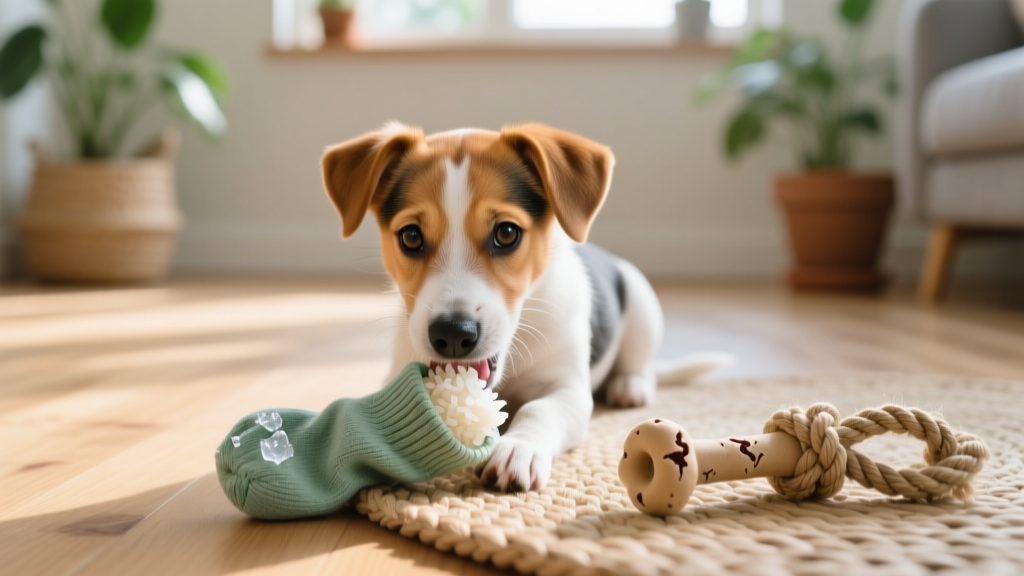
Best Puppy Harness for Golden Retrievers
Find the best puppy harness for Golden Retrievers plus a complete breed-specific puppy care timeline covering feeding, vaccines, potty training, and first-year costs.

Golden Retriever puppies grow fast — from a 10-pound fluffball at eight weeks to a 60-pound adolescent by six months. That explosive growth makes finding the best puppy harness for your Golden Retriever one of your earliest gear decisions. A properly fitted harness protects their developing joints, gives you steering control on walks, and keeps escape-prone pups secure. But harness fitting is just one piece of the puzzle. This guide pairs breed-specific harness guidance with a complete Golden Retriever puppy care timeline so you know exactly what to expect at every stage.
When to Bring Your Golden Retriever Puppy Home
The AKC recommends that puppies stay with their mother and littermates until at least 8 weeks of age. For Golden Retrievers, many responsible breeders prefer 8–10 weeks because Goldens mature slightly slower than smaller breeds, and those extra two weeks of litter play teach critical bite inhibition.
Bring your puppy home on a Friday or Saturday so you have 48 uninterrupted hours for the transition. Have these items ready before pickup day:
- A front-clip harness sized to your breeder's chest-girth measurement (not a collar — Golden puppies pull hard and their tracheas are still developing)
- A 36-inch or 42-inch wire crate (you'll use a divider panel to shrink it as they grow)
- An enzymatic cleaner like Nature's Miracle or Rocco & Roxie ($12–$18 per bottle)
- The same food your breeder is feeding (plan a 7–10 day transition if switching brands)
- A snuggle toy with a heartbeat simulator ($20–$30) for the first few nights
Golden Retriever Puppy Milestones: Weeks 4 Through 12 Months
Golden Retrievers follow a predictable developmental arc, but individual pups vary. Use this timeline as a framework, not a guarantee.
| Age Range | Weight Range (lb/kg) | Key Milestones | Harness Size |
|---|---|---|---|
| 4–8 weeks | 5–15 lb / 2.3–6.8 kg | Still with breeder; weaning onto solid food; learning bite inhibition from littermates; eyes and ears fully functional by week 5 | N/A (not home yet) |
| 8–12 weeks | 15–25 lb / 6.8–11.3 kg | Prime socialization window opens; first DHPP vaccine; crate training begins; harness and leash introduction; 14–16 hours of sleep per day | Small or Medium (girth 14–20 in) |
| 12–16 weeks | 25–40 lb / 11.3–18.1 kg | Second and third DHPP boosters; rabies vaccine at 14–16 weeks; potty training clicks for many pups; teething discomfort begins; fear imprint period (weeks 8–11 and again around 14 weeks) | Medium (girth 18–24 in) |
| 16–24 weeks (4–6 months) | 40–55 lb / 18.1–24.9 kg | Peak teething (intense chewing); spay/neuter window; socialization window closes around 14–16 weeks but continued exposure is vital; can begin structured puppy classes | Large (girth 24–28 in) |
| 6–12 months | 55–75 lb / 24.9–34 kg | Adolescent energy surge; sexual maturity (if intact); adult coat replaces puppy coat; growth plates still open — avoid forced running or jumping until 18 months; transition to adult food around 12 months | Large or XL (girth 28–34 in) |
Feeding Schedule for Golden Retriever Puppies
Golden Retrievers are prone to rapid growth-related orthopedic issues, including hip dysplasia and elbow dysplasia. The Merck Veterinary Manual notes that overfeeding during puppyhood increases hip dysplasia risk. Feed a large-breed puppy formula (look for the AAFCO statement specifying growth for large-breed dogs — those expected to reach 70+ lb as adults).
| Age | Meals Per Day | Approximate Daily Amount (Large-Breed Puppy Kibble) | Notes |
|---|---|---|---|
| 8–12 weeks | 3–4 | 1.5–2.5 cups/day (split across meals) | Soak kibble in warm water for first week if puppy struggles with hard pieces |
| 12–16 weeks | 3 | 2.5–3.5 cups/day | Body condition score (BCS) should be 4–5/9 — ribs easily felt but not visible |
| 4–6 months | 2–3 | 3–4 cups/day | Drop to 2 meals at 6 months |
| 6–12 months | 2 | 3.5–5 cups/day | Adjust based on activity; Goldens are food-motivated and will overeat if free-fed |
| 12+ months | 2 | 3–4.5 cups/day (adult formula) | Transition over 7–10 days; mix increasing ratios of adult food |
These are starting points. Your specific kibble's caloric density changes portions significantly — a food at 350 kcal/cup requires less volume than one at 450 kcal/cup. Always check the feeding chart on your specific bag and adjust based on your puppy's body condition, not just the label.
Vaccination Schedule and When Your Puppy Can Go Outside
Golden Retriever puppies follow the standard core vaccine protocol outlined by the AVMA and the AAHA canine vaccination guidelines. Here's the typical timeline:
| Age | Vaccines Administered | What It Protects Against |
|---|---|---|
| 6–8 weeks | DHPP (1st dose) | Distemper, Hepatitis (Adenovirus), Parainfluenza, Parvovirus |
| 10–12 weeks | DHPP (2nd dose), Bordetella (optional, recommended for class attendance) | Same as above, plus kennel cough |
| 14–16 weeks | DHPP (3rd dose), Rabies (required by law in most US states) | Full DHPP coverage + rabies |
| 12–16 months (1 year booster) | DHPP booster, Rabies booster (1-year or 3-year depending on local law) | Long-term immunity establishment |
When can your Golden puppy go outside and meet other dogs? Until your puppy has received their final DHPP booster at 14–16 weeks, they are not fully protected against parvovirus, which can survive in soil for over a year. You can carry your puppy in public spaces (pet stores, outdoor seating areas) for socialization, but avoid dog parks, pet store floors, and areas where unknown dogs have defecated. Puppy socialization classes that require proof of at least one DHPP dose and maintain sanitized facilities are generally safe starting at 10–12 weeks — and the ASPCA strongly recommends taking advantage of this critical socialization window.
The Critical Socialization Window: Weeks 3 Through 14
Golden Retrievers are famously friendly, but that temperament isn't automatic — it's built during the socialization window, which peaks between weeks 3 and 14 and largely closes by 16 weeks. Puppies that don't encounter diverse stimuli during this period are statistically more likely to develop fear-based reactivity later.
Use this checklist to track your Golden's exposure. Each item should be a positive experience — pair new encounters with high-value treats (small pieces of boiled chicken, cheese, or commercial training treats).
Golden Retriever Socialization Checklist
- Surfaces: grass, gravel, tile, hardwood, sand, wet pavement, metal grates, elevator floors
- People: children (supervised), elderly individuals, people wearing hats/sunglasses/masks, people using wheelchairs or crutches, tall men with deep voices, delivery workers
- Sounds: vacuum cleaner, thunder (play recordings at low volume), fireworks recordings, doorbell, clapping, traffic, construction noise, hair dryer
- Animals: vaccinated adult dogs (known health status), cats (controlled introduction), livestock if accessible
- Handling: paw touching, ear inspection, mouth opening, nail clipping simulation, being lifted, being restrained gently for vet exams
- Objects: umbrellas opening, balloons, plastic bags rustling, bicycles, skateboards, strollers, shopping carts
- Environments: car rides (start with 5-minute trips), vet clinic waiting room (happy visits with treats only), pet-friendly stores, outdoor patios, parking lots
Aim for 5–10 new positive exposures per day during weeks 8–14. If your puppy shows fear (cowering, tail tucking, refusal to take treats), increase distance from the stimulus and let them observe without pressure. Never force a frightened puppy closer to something that scares them.
Potty Training Your Golden Retriever: Realistic Timeline
Golden Retrievers are generally eager to please and pick up potty routines faster than many breeds, but "fully trained" means different things at different ages.
- 8–12 weeks: Expect accidents every 1–2 hours. Take puppy out after every meal, nap, play session, and crate release. Use a consistent door and verbal cue ("go potty").
- 12–16 weeks: Bladder control improves. Accidents drop to 1–3 per week if you maintain a schedule. Puppy can hold it approximately 1 hour per month of age plus one (so a 3-month-old holds ~4 hours max, but don't test this regularly).
- 4–6 months: Most Golden puppies are reliably house-trained with rare accidents. Males may begin leg-lifting.
- 6–9 months: Reliable with occasional regression during adolescence, especially if routine changes.
Troubleshooting: If your 5-month-old Golden is still having daily accidents, rule out a urinary tract infection (common in puppies) with a vet visit before assuming it's a training issue. For persistent problems, return to 8-week-old frequency — take them out every 60–90 minutes and reward heavily with treats immediately after elimination outdoors.
Crate Training Progression
A crate is your most effective potty training tool because puppies instinctively avoid soiling their sleeping space. Golden Retrievers adapt well to crates when introduced positively.
- 8–10 weeks: 30–60 minutes max while you're home; overnight, expect 1–2 potty breaks (set an alarm for 3–4 hours after bedtime)
- 10–14 weeks: Up to 2 hours during the day; overnight stretches to 5–6 hours for many pups
- 4–6 months: 3–4 hours during the day; most Goldens sleep 7–8 hours overnight without a break
- 6+ months: Up to 6 hours during the day (but provide a midday break when possible); never crate a dog for 8+ hours regularly
Choosing the Best Puppy Harness for Your Golden Retriever
Golden Retrievers are strong, enthusiastic pullers, especially as puppies. A collar puts pressure on their developing trachea and cervical spine. A well-fitted harness distributes force across the chest and shoulders, making it the safer choice for leash training.
What to Look For in a Golden Retriever Puppy Harness
- Front-clip attachment: A D-ring on the chest discourages pulling by gently redirecting your puppy toward you. Back-clip harnesses can actually encourage pulling in strong breeds like Goldens.
- Adjustable girth and neck: Your Golden will grow 2–4 inches in chest circumference between 8 weeks and 6 months. Look for harnesses with at least 4 adjustment points.
- Padded chest plate: Distributes pressure and prevents chafing on short puppy coats.
- Handle on the back: Lets you quickly grab a lunging puppy near roads or other dogs.
- Breathable mesh lining: Goldens overheat easily; mesh prevents the harness from adding to thermal load.
Recommended Harness Options by Budget
| Harness | Price Range | Key Features | Best For |
|---|---|---|---|
| Ruffwear Front Range | $39–$45 | Front and back clips, foam-padded chest, 4 adjustment points, reflective trim | Everyday use; durable enough to last through multiple size changes |
| Kurgo Tru-Fit Smart Harness | $25–$35 | Front clip, 5 adjustment points, crash-tested (car safety), includes 10-inch seatbelt loop | Budget-conscious owners who also want car safety |
| 2 Hounds Design Freedom No-Pull | $34–$40 | Dual-clip (front and back simultaneously with included leash), velvet-lined chest strap | Heavy pullers; dual-connection gives maximum steering control |
| Blue-9 Balance Harness | $45–$55 | 6 adjustment points, no overhead step-in (buckles at neck and girth), front and back clips | Puppies sensitive to things going over their head; best custom fit |
Fitting tip: You should be able to slide two fingers flat between the harness and your puppy's body at every contact point. If you can fit more, it's too loose (escape risk). If you can't fit two fingers, it's too tight (chafing and restricted breathing). Recheck fit every two weeks during growth spurts.
Teething, Biting, and Chewing: The Golden Retriever Survival Guide
Golden Retrievers are a mouthy breed — they were literally developed to carry waterfowl. Combine that genetic carry-drive with puppy teething, and you'll deal with significant nipping and chewing between 3 and 6 months.
Teething Timeline
- 3–4 weeks: Deciduous (baby) teeth erupt — 28 total
- 12–16 weeks: Baby incisors begin falling out; adult incisors emerge
- 4–5 months: Canines and premolars transition; this is peak discomfort and peak chewing intensity
- 6–7 months: All 42 adult teeth should be in; if baby canines haven't fallen out by 6 months, ask your vet about extraction (retained deciduous teeth are common in Goldens and can cause misalignment)
Safe Chew Recommendations
- Frozen Kong Classic stuffed with plain yogurt and mashed banana ($12–$18 for the Kong)
- Benebone Wishbone (puppy formula, softer nylon) — $13–$18
- Frozen carrots (cheap, low-calorie, and the cold soothes gums)
- Wet washcloth twisted into a rope and frozen (supervise to prevent swallowing fabric)
Avoid: rawhide (choking and intestinal blockage risk), cooked bones (splintering), antlers (too hard — can fracture puppy teeth), and any chew small enough to swallow whole.
How to Stop Puppy Biting and Nipping
Golden Retriever puppies bite because it's natural, not because they're aggressive. Use these force-free strategies:
- Redirect to a toy: When puppy teeth touch skin, immediately offer an appropriate chew. Praise enthusiastically when they bite the toy instead.
- Withdraw attention: If redirecting doesn't work, stand up and turn away for 10–15 seconds. This teaches that biting ends play — which is exactly what littermates do.
- Provide enough exercise: Overtired and under-exercised puppies bite more. A Golden puppy needs roughly 5 minutes of structured exercise per month of age, twice daily (so a 4-month-old gets ~20 minutes, twice a day).
- Enforce naps: Puppies that are awake for more than 2 hours at a time become overstimulated and mouthy. Crate them for a 1–2 hour nap if they won't settle.
Never hold a puppy's mouth shut, yell, or use physical punishment. These methods damage trust and can create fear-based aggression — the opposite of what you want from a breed known for its gentle temperament.
First-Year Cost Breakdown for a Golden Retriever
Golden Retrievers are large dogs with large-dog expenses. Here's a realistic first-year budget based on 2025–2026 US pricing:
| Category | Low Estimate | Mid Estimate | High Estimate |
|---|---|---|---|
| Puppy purchase (responsible breeder) or adoption fee | $300 (rescue) | $2,000 (breeder) | $3,500+ (show-line breeder) |
| Veterinary (vaccines, spay/neuter, wellness exams, heartworm/flea/tick prevention) | $800 | $1,200 | $1,800 |
| Food (large-breed puppy formula, 12 months) | $450 | $650 | $900 |
| Supplies (crate, harnesses × 3 sizes, leash, bed, bowls, toys, grooming tools) | $300 | $500 | $800 |
| Training (group puppy class + basic manners) | $150 | $350 | $700 (private sessions) |
| Pet insurance (annual premium, accident + illness) | $400 | $600 | $900 |
| TOTAL FIRST YEAR | $2,400 | $5,300 | $8,600+ |
Emergency veterinary visits are not included in these estimates. A single emergency (bloat suspicion, foreign body ingestion, parvo treatment) can add $2,000–$7,000. Pet insurance or a dedicated emergency fund is strongly recommended for Golden Retrievers, who are predisposed to conditions that sometimes require costly intervention.
Frequently Asked Questions
When should I bring my Golden Retriever puppy home?
Between 8 and 10 weeks of age. Before 8 weeks, puppies are still learning critical social skills from their mother and littermates. After 10 weeks, the socialization window is already shrinking, so you want them in your home and meeting new people, surfaces, and sounds as soon as responsibly possible.
How often should I feed my Golden Retriever puppy?
Three to four small meals daily from 8–12 weeks, three meals from 12–16 weeks, and two meals from 6 months onward. Consistent meal timing (same hours each day) helps regulate digestion and makes potty training more predictable.
When will my Golden Retriever be fully potty trained?
Most Golden Retrievers are reliably house-trained by 4–6 months with consistent scheduling. "Fully" trained — meaning no accidents even with routine changes — typically happens by 8–10 months. Males may mark indoors during adolescence even after being house-trained; neutering and consistent redirection usually resolve this.
What vaccines does my Golden Retriever puppy need and when?
Core vaccines are DHPP at 6–8, 10–12, and 14–16 weeks, plus rabies at 14–16 weeks. Non-core vaccines your vet may recommend based on lifestyle include Bordetella (kennel cough), Leptospirosis, and Lyme disease — all relevant for Goldens who hike, attend daycare, or live in tick-endemic areas.
How do I stop my Golden Retriever puppy from biting?
Redirect to appropriate chews every time teeth touch skin, withdraw attention if biting continues, ensure adequate exercise and enforced naps, and attend puppy socialization classes where other puppies teach bite inhibition through play. Expect improvement by 5–6 months as adult teeth come in, but consistent responses from you are essential.
When can my Golden Retriever puppy go outside and meet other dogs?
You can carry your puppy in public immediately for socialization exposure. For ground-level walks and dog-to-dog contact, wait until at least 7 days after the second DHPP vaccine (typically around 11–13 weeks) and only with known, vaccinated dogs in clean environments. Full freedom in dog parks and high-traffic areas should wait until 7 days after the final DHPP at 14–16 weeks.
Dr. Hannah Wickes
All our authors care for dogs every day — read more of their work on the authors page.