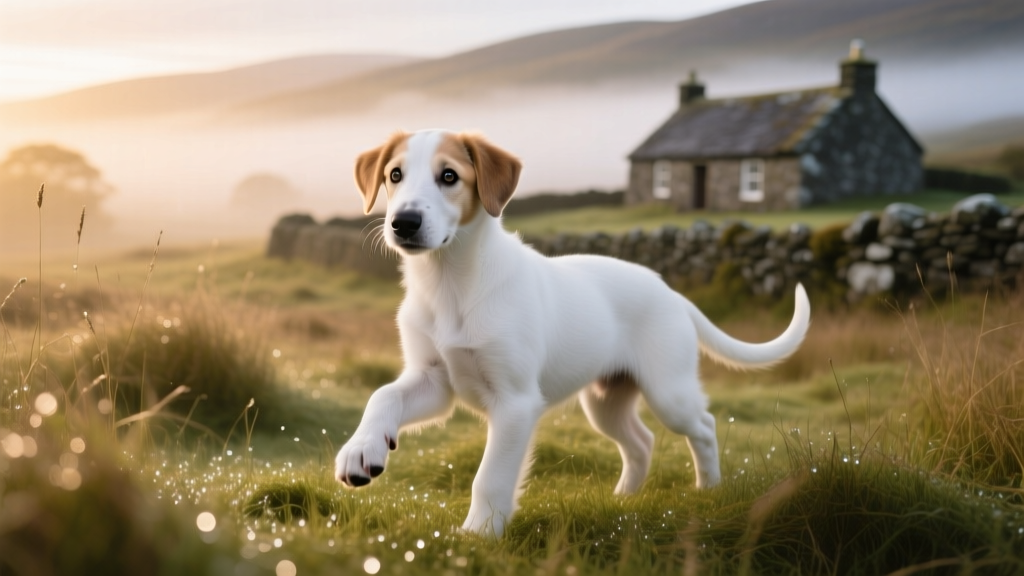
Great Pyrenees Puppies: Breeder Selection & Puppy Care Guide
Find reputable Great Pyrenees puppies breeders and master puppy care: feeding schedules, potty training timelines, vaccination charts, and first-year costs.

Finding Reputable Great Pyrenees Puppies Breeders: What to Look For
Great Pyrenees puppies are increasingly sought after for their gentle temperament and striking white coats, but sourcing from responsible Great Pyrenees puppies breeders is non-negotiable for this giant breed. Hip dysplasia affects roughly 15-20% of Great Pyrenees, according to the Orthopedic Foundation for Animals (OFA), and irresponsible breeding amplifies this risk dramatically.
Reputable Great Pyrenees puppies breeders will provide OFA or PennHIP certification for both parents' hips, cardiac clearance, and often genetic screening for conditions like neuronal degeneration. Expect to pay $1,500-$3,500 from a health-tested breeder; prices below $1,000 often signal skipped health clearances. The American Kennel Club (AKC) maintains a breeder referral network through the Great Pyrenees Club of America, which is a reliable starting point.
Red flags include breeders who cannot show you the dam, who have multiple litters available simultaneously, or who pressure you to take a puppy before 8 weeks. Great Pyrenees puppies should remain with their littermates until at least 8 weeks—preferably 10-12 weeks for this slow-maturing breed—to learn bite inhibition and social cues.
Great Pyrenees Puppy Milestones: Weeks 4 Through 12 Months
Great Pyrenees mature slowly, often not reaching full physical and mental maturity until 2-3 years. Understanding breed-specific developmental windows helps you set realistic expectations.
Weeks 4-8: The Breeder's Window
Puppies begin weaning onto solid food (gruel consistency), develop deciduous teeth, and learn critical bite inhibition from littermates. Responsible breeders introduce environmental enrichment: varied surfaces, novel sounds, and gentle handling exercises. Weight at 8 weeks typically ranges from 15-22 lb (7-10 kg).
Weeks 8-12: Transition and Bonding
Your puppy will sleep 18-20 hours daily, have short bursts of energy (10-15 minutes), and begin recognizing their name. Expect fear periods around 8-10 weeks—loud noises or new environments may trigger cowering. This is normal and temporary. Weight reaches approximately 25-35 lb (11-16 kg) by 12 weeks.
Weeks 12-16: Confidence Building
Energy levels increase slightly; play sessions extend to 15-20 minutes. This is prime training time for basic cues (sit, come, name recognition). A second fear period may emerge around 14-16 weeks. Weight: 35-50 lb (16-23 kg).
Weeks 16-24: The Adolescent Phase Begins
Teething peaks between 4-6 months. You'll notice increased chewing, drooling, and possible food refusal as adult teeth erupt. Independence grows—recall reliability may temporarily decline. Weight: 50-75 lb (23-34 kg).
6-12 Months: Giant Breed Adolescence
Growth continues rapidly but must be managed to protect developing joints. Energy is moderate but endurance remains low; avoid forced exercise (running, long hikes) until growth plates close around 18-24 months. Males may reach 80-100 lb (36-45 kg); females 65-85 lb (29-39 kg) by 12 months. Sexual maturity arrives around 6-9 months—discuss spay/neuter timing with your veterinarian, as delaying until 12-18 months may benefit joint health in giant breeds.
Feeding Your Great Pyrenees Puppy: Schedule and Portions
Giant breeds require precise nutrition to avoid rapid growth that stresses developing bones. Feed a large-breed puppy formula (AAFCO-approved for large breed growth) with calcium content between 1.0-1.5% on a dry matter basis. Avoid all-purpose puppy foods, which may contain excess calcium and phosphorus.
| Age | Estimated Weight | Daily Amount (cups) | Meals/Day | Calories/Day (approx.) |
|---|---|---|---|---|
| 8-12 weeks | 15-35 lb / 7-16 kg | 2.5-4 cups | 3-4 meals | 700-1,100 |
| 3-4 months | 35-50 lb / 16-23 kg | 3.5-5 cups | 3 meals | 1,000-1,400 |
| 4-6 months | 50-70 lb / 23-32 kg | 4-6 cups | 2-3 meals | 1,300-1,800 |
| 6-9 months | 70-90 lb / 32-41 kg | 5-7 cups | 2 meals | 1,600-2,100 |
| 9-12 months | 80-110 lb / 36-50 kg | 5.5-8 cups | 2 meals | 1,800-2,400 |
These ranges assume a kibble with approximately 350-400 kcal/cup. Always adjust based on body condition score (BCS)—you should feel ribs without pressing but not see them visibly. Consult your veterinarian for individualized portions, especially if your puppy runs lean or overweight.
Transition tip: When bringing your puppy home, request 1-2 cups of the breeder's food and mix it 75/25 with your chosen food for days 1-3, then 50/50 for days 4-6, then 25/75 for days 7-9, before fully switching. This minimizes GI upset.
Potty Training Your Great Pyrenees Puppy: Realistic Timelines
Great Pyrenees puppies are moderately challenging to house train. Their independent nature and large bladder capacity (relative to small breeds) can work for or against you. Expect 4-8 months for reliable house training, with accidents declining significantly after 5-6 months.
The general rule: puppies can hold their bladder approximately 1 hour per month of age (so a 3-month-old manages roughly 3 hours). Overnight, subtract 1-2 hours from daytime capacity.
| Time | Action | Notes |
|---|---|---|
| 7:00 AM | Immediate outdoor trip upon waking | Carry puppy; don't let them walk through the house |
| 7:30 AM | After breakfast (15-20 min post-meal) | Use consistent cue: "go potty" |
| 9:00 AM | After play session | Exercise stimulates elimination |
| 10:30 AM | After nap | Crate nap; take out immediately upon waking |
| 12:00 PM | After lunch | Same location each time builds association |
| 2:00 PM | After nap | Reward with treat + praise within 3 seconds |
| 4:00 PM | After play/training | Mental stimulation also triggers elimination |
| 6:00 PM | After dinner | Remove water 2 hours before bedtime |
| 8:00 PM | Pre-bedtime trip | Keep lights low, minimal interaction |
| 11:00 PM | Late-night trip (optional) | Phase out by 5-6 months |
| 2:00 AM | Overnight trip (8-12 weeks only) | Set alarm; phase out by 4 months |
Troubleshooting: If accidents persist past 6 months, rule out urinary tract infection with your veterinarian. Great Pyrenees may also "mark" indoors during adolescence (6-10 months); interrupt calmly and redirect outside without punishment.
The Critical Socialization Window: Weeks 3-14
The American Veterinary Medical Association (AVMA) emphasizes that the primary socialization period for puppies closes around 14-16 weeks. For Great Pyrenees—a breed with strong guardian instincts and potential wariness of strangers—early positive exposure is essential to prevent fear-based reactivity or over-protectiveness.
Before full vaccination, carry your puppy in a sling or stroller to public spaces. Avoid dog parks and high-traffic areas until your vet confirms adequate immunity (typically after the 16-week vaccine series).
Aim for 5-10 new positive experiences per week during this window. Pair every novel stimulus with high-value treats (boiled chicken, cheese) to build positive associations. If your puppy shows fear, increase distance from the stimulus and let them approach voluntarily—never force exposure.
Vaccination Schedule for Great Pyrenees Puppies
Your veterinarian will tailor a protocol based on local disease prevalence and your puppy's risk factors. The following represents a standard core vaccine schedule per the Merck Veterinary Manual:
| Age | Vaccine | Notes |
|---|---|---|
| 6-8 weeks | DHPP (Distemper, Hepatitis, Parainfluenza, Parvovirus) | First dose; maternal antibodies may interfere |
| 10-12 weeks | DHPP booster | Second dose builds immunity |
| 10-12 weeks | Bordetella (non-core) | Recommended if attending puppy classes or boarding |
| 12-14 weeks | Leptospirosis (non-core) | Consider for outdoor/rural dogs; 2-dose series |
| 14-16 weeks | DHPP final booster | Completes core series; titer test option at 20+ weeks |
| 14-16 weeks | Rabies | Legally required in most US states; 1-year or 3-year formulation |
| 16+ weeks | Lyme disease (non-core) | Recommended in tick-endemic areas; 2-dose series |
Important: Do not allow your puppy unrestricted access to public dog areas until at least 7 days after the final DHPP booster (around 16-17 weeks). Parvovirus can survive in soil for months and is often fatal in unvaccinated puppies.
Crate Training, Teething, and Common Puppy Challenges
Great Pyrenees puppies can adapt well to crate training if introduced gradually. The crate should be large enough for your puppy to stand, turn, and lie down—but not so large they can eliminate in one corner and sleep in another. Use a divider panel in a 48-inch or 54-inch crate (sized for adult Pyrenees) and expand space as they grow.
Crate time limits by age:
- 8-10 weeks: 30-45 minutes maximum during the day
- 10-12 weeks: 1-1.5 hours maximum
- 3-4 months: 2-3 hours maximum
- 4-6 months: 3-4 hours maximum
- 6+ months: 4-6 hours maximum (never exceed 8 hours for any dog)
Overnight crating is acceptable for longer stretches as puppies sleep more, but set an alarm for young puppies (8-12 weeks) to prevent overnight accidents and distress.
Teething Timeline (3-6 Months)
Deciduous teeth fall out between 3-6 months, with adult teeth fully erupted by 7 months. Great Pyrenees puppies may chew aggressively during this phase. Provide safe outlets:
- Frozen Kong toys stuffed with puppy-safe peanut butter (xylitol-free)
- Chilled carrot sticks or apple slices (supervised)
- Benebone or Nylabone puppy-specific chews (sized for 50+ lb dogs)
- Wet washcloth twisted and frozen (discard if threads come loose)
Avoid rawhide, cooked bones, and antlers, which can fracture teeth or cause GI obstruction. If your puppy swallows a potentially dangerous object, contact ASPCA Animal Poison Control at (888) 426-4435 (consultation fee applies) or your emergency veterinarian immediately.
Stopping Puppy Biting and Nipping
Great Pyrenees puppies use their mouths to explore and play. Biting peaks between 8-16 weeks and typically declines by 5-6 months with consistent redirection. When teeth touch skin:
- Let out a high-pitched "ouch" or yelp (mimics littermate feedback)
- Immediately withdraw attention for 10-15 seconds (stand up, turn away)
- Redirect to an appropriate chew toy when they calm
- Reward calm mouthing or licking with praise
Never hold the muzzle shut, shake the puppy, or use physical punishment—these methods increase fear and can trigger defensive biting. If biting intensifies or seems aggressive (hard biting with growling, no release), consult a certified professional dog trainer (CPDT-KA) or veterinary behaviorist.
First-Year Cost Breakdown for a Great Pyrenees
Budgeting realistically prevents financial stress and ensures consistent care. Costs below reflect 2026 US averages for a giant-breed puppy:
| Category | Low Estimate | High Estimate | Notes |
|---|---|---|---|
| Puppy purchase (from breeder) | $1,500 | $3,500 | Health-tested, AKC-registered lines |
| Veterinary care (wellness + vaccines) | $600 | $1,200 | Includes spay/neuter if done in year 1 |
| Food (large-breed puppy formula) | $800 | $1,500 | Premium brands; 12 months |
| Supplies (crate, bed, leash, bowls, toys) | $400 | $900 | XL crate, orthopedic bed recommended |
| Training (puppy class + private sessions) | $300 | $800 | Group classes + 1-2 private sessions |
| Preventive medications (flea/tick, heartworm) | $300 | $600 | Weight-based dosing; giant breed = higher cost |
| Grooming | $200 | $500 | Professional grooming 2-4x/year + home brushing tools |
| Pet insurance (optional but recommended) | $600 | $1,200 | $50-100/month; offsets emergency costs |
| Total (excluding purchase price) | $3,200 | $6,700 | Varies by region and choices |
Emergency veterinary care can add $1,000-$5,000+ in a single incident (bloat surgery, foreign body removal). Pet insurance or a dedicated emergency fund is strongly recommended for this breed, given predisposition to gastric dilatation-volvulus (GDV) and orthopedic issues.
Frequently Asked Questions About Great Pyrenees Puppies
When should I bring my Great Pyrenees puppy home?
Between 8-12 weeks of age. Many responsible Great Pyrenees puppies breeders prefer to keep puppies until 10-12 weeks, as the extra time with littermates supports bite inhibition and confidence. Avoid breeders who release puppies before 8 weeks—this is too early for proper development.
How often should I feed my Great Pyrenees puppy?
Feed 3-4 meals daily from 8-12 weeks, 3 meals from 3-4 months, and transition to 2 meals by 5-6 months. Giant breeds should never be free-fed; measured portions prevent rapid growth and reduce bloat risk. Always use a large-breed puppy formula.
When will my Great Pyrenees puppy be fully potty trained?
Most Great Pyrenees achieve reliable house training between 5-8 months. Expect occasional accidents through 10-12 months, especially during excitement or routine changes. Consistency with scheduled outdoor trips is the single most important factor.
What vaccines does my Great Pyrenees puppy need and when?
Core vaccines include DHPP at 6-8, 10-12, and 14-16 weeks, plus rabies at 14-16 weeks. Non-core vaccines (Bordetella, Leptospirosis, Lyme) depend on lifestyle and geography. Your veterinarian will customize the protocol—always follow their guidance over online schedules.
How do I stop my Great Pyrenees puppy from biting?
Use the "yelp and withdraw" method: make a high-pitched sound when teeth touch skin, then ignore the puppy for 10-15 seconds. Redirect to appropriate chew toys. Biting typically diminishes by 5-6 months. Avoid physical punishment, which damages trust and can escalate behavior problems.
When can my Great Pyrenees puppy go outside and meet other dogs?
You can carry your puppy in public spaces immediately for socialization, but avoid areas with unknown dogs (parks, pet stores) until 7 days after the final DHPP vaccine (around 16-17 weeks). Puppy classes with vaccinated peers are typically safe after the second DHPP dose (around 12 weeks)—confirm with your veterinarian.
Jonas Cole
All our authors care for dogs every day — read more of their work on the authors page.