Golden Shepherd Puppies: The Complete Week-by-Week Care Guide
Everything you need to raise golden shepherd puppies: week-by-week milestones, feeding schedules, vaccination timelines, potty training, and first-year costs.

Bringing Home a Golden Shepherd Puppy: What to Expect
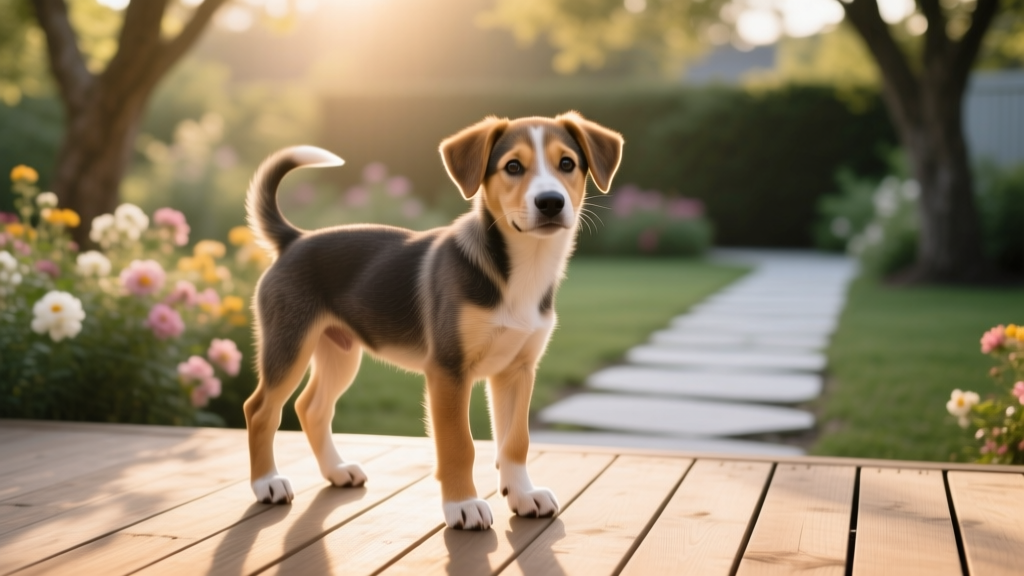
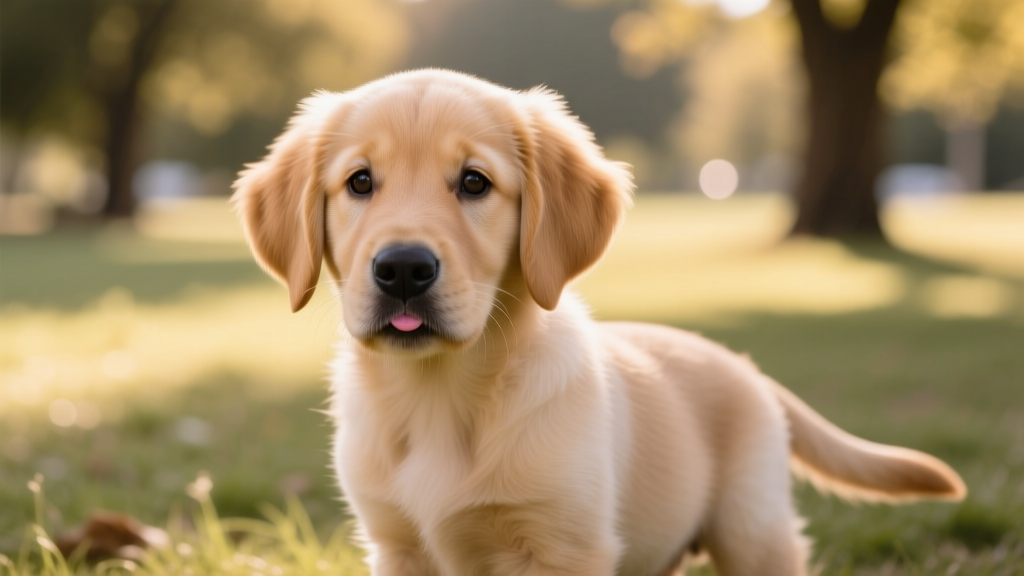
The Golden Shepherd — a cross between the Golden Retriever and the German Shepherd Dog — combines two of America's most popular breeds into one athletic, intelligent companion. But raising golden shepherd puppies requires understanding the unique blend of traits these pups inherit. You're working with a dog that may have the Golden Retriever's eager-to-please mouthiness and the German Shepherd's alert wariness, which means your socialization and training approach needs to account for both temperaments from day one.
Adult Golden Shepherds typically weigh 55–85 lb (25–39 kg) and stand 22–26 inches (56–66 cm) at the shoulder, with a lifespan of 10–14 years. Because they're a mixed breed, individual puppies can lean heavily toward either parent, so expect some variability in coat type (ranging from the Golden's flowing feathering to the GSD's dense double coat), ear set (floppy to semi-prick), and energy level.
Responsible breeders will not release golden shepherd puppies before 8 weeks of age. The optimal window is 8–10 weeks. Puppies removed from their litter before 8 weeks miss critical bite-inhibition learning from siblings and often develop more severe nipping and anxiety behaviors. If your breeder offers a puppy at 6 weeks, consider this a red flag about their practices.
Golden Shepherd Puppy Milestones: Weeks 4 Through 12 Months
Understanding developmental stages helps you set realistic expectations and avoid common first-time owner mistakes. Here's what each phase looks like for this specific crossbreed.
Weeks 4–8 (Still With the Breeder)
During this period, puppies are learning bite inhibition from littermates, beginning to eat gruel and soft kibble, and receiving early neurological stimulation from a responsible breeder. Their eyes and ears are fully functional, and they're building foundational social skills. You should receive documentation of deworming (typically pyrantel pamoate at 2, 4, and 6 weeks) and possibly a first DHPP vaccine at 6–8 weeks.
Weeks 8–12 (The Adjustment Period)
Your golden shepherd puppy is now home and processing an enormous amount of change. Expect the "fear imprint period" (weeks 8–11), where negative experiences can create lasting phobias. Keep introductions gentle — no loud parties, aggressive vacuum encounters, or rough handling by small children. Puppies this age sleep 18–20 hours per day, and you'll see short bursts of frantic play followed by sudden crashes. House training begins immediately; take your pup outside every 1–2 hours during the day.
Weeks 12–16 (Building Confidence)
The fear period eases, and your puppy becomes more exploratory. This is prime time for introducing novel surfaces (gravel, metal grates, wobble boards), sounds (recorded thunderstorms at low volume), and gentle handling exercises (paw touching, ear inspection, mouth opening). German Shepherd-leaning pups may start showing watchful behavior toward strangers — counter this with positive associations by having visitors offer high-value treats like freeze-dried liver.
Weeks 16–24 (The Juvenile Phase)
Energy levels surge, and your golden shepherd puppy will test boundaries. Recall training often deteriorates as environmental distractions become more interesting. This is the ideal window to enroll in a structured group puppy class (after full vaccination) for controlled socialization and obedience foundations. Expect adolescent chewing to peak around 5–6 months as adult teeth erupt.
Months 6–12 (Adolescence)
Your puppy will reach 60–75% of adult size by 6 months and continue filling out through 18–24 months. Sexual maturity arrives around 6–9 months — discuss spay/neuter timing with your veterinarian, as current research from the AVMA suggests that delaying gonadectomy until after 12 months may reduce orthopedic risks in large-breed dogs, particularly hip dysplasia and cranial cruciate ligament tears, which both parent breeds are predisposed to.
Feeding Schedule: Exact Portions by Age and Weight
Golden Shepherds are large-breed dogs, and overfeeding during puppyhood is one of the fastest ways to trigger developmental orthopedic disease (DOD), including hip dysplasia and osteochondrosis dissecans (OCD). Feed a diet specifically labeled for large-breed growth — these formulas are restricted in calcium (1.0–1.5% on a dry matter basis) and fat to promote slow, steady skeletal development.
| Age | Meals Per Day | Daily Amount (Estimated Puppy Weight) | Notes |
|---|---|---|---|
| 8–12 weeks | 3–4 meals | 1.5–2.5 cups/day (10–20 lb / 4.5–9 kg) | Soften kibble with warm water if needed |
| 12–16 weeks | 3 meals | 2–3 cups/day (20–35 lb / 9–16 kg) | Transition to dry kibble fully |
| 4–6 months | 3 meals | 3–4 cups/day (35–50 lb / 16–23 kg) | Monitor body condition score weekly |
| 6–12 months | 2 meals | 3.5–5 cups/day (50–75 lb / 23–34 kg) | Reduce to 2 meals at ~6 months |
How to calibrate portions: The cup measurements above assume a kibble with approximately 350–400 kcal/cup (typical for large-breed puppy formulas like Purina Pro Plan Large Breed Puppy or Royal Canin Giant Puppy). Always check your specific food's feeding guide and caloric density. You should be able to feel your puppy's ribs without pressing hard, and see a visible waist when viewed from above. If ribs are difficult to feel, reduce portions by 10%. If ribs are visible, increase by 10%.
At 8–12 weeks: 3–4 meals daily, spaced evenly (e.g., 7 AM, 12 PM, 5 PM, 9 PM). At 12 weeks to 6 months: 3 meals daily. At 6–12 months: 2 meals daily. Never free-feed a Golden Shepherd puppy — their German Shepherd heritage means many are highly food-motivated and will overeat, and scheduled meals make potty training significantly easier by creating predictable elimination patterns.
Vaccination Schedule: What Your Golden Shepherd Puppy Needs and When
Both Golden Retrievers and German Shepherds have documented immune sensitivities, making adherence to the AAHA Canine Vaccination Guidelines essential. Your veterinarian will tailor this schedule, but here is the standard protocol for golden shepherd puppies.
| Age | Vaccine | Details |
|---|---|---|
| 6–8 weeks | DHPP (1st dose) | Distemper, Hepatitis (Adenovirus-2), Parainfluenza, Parvovirus — often given by breeder |
| 10–12 weeks | DHPP (2nd dose) | Booster; maternal antibodies declining, immune response building |
| 10–12 weeks | Bordetella (optional) | Recommended if attending group puppy classes or boarding |
| 14–16 weeks | DHPP (3rd dose) | Final puppy series booster; maternal antibodies should no longer interfere |
| 14–16 weeks | Rabies | Required by law in all US states; timing varies by jurisdiction |
| 12–16 months | DHPP + Rabies booster | First annual booster; subsequent DHPP may be every 3 years per AAHA |
Your golden shepherd puppy is not fully protected against parvovirus until approximately 1 week after the final DHPP dose at 14–16 weeks (so around 16–17 weeks of age). Until then, avoid public dog parks, pet store floors, and areas with unknown dog traffic. You can carry your puppy in a sling or stroller for socialization outings, and arrange playdates with fully vaccinated, known-healthy adult dogs in private yards. The socialization window (3–14 weeks) closes before full vaccination, which is why controlled exposure is essential.
Socialization Window: The Critical 3–14 Week Period
The American Veterinary Society of Animal Behavior (AVSAB) has stated that the risk of behavioral problems from inadequate socialization outweighs the disease risk of controlled exposure during the primary socialization period. For golden shepherd puppies, this is especially important because the German Shepherd lineage can produce dogs that are naturally reserved or reactive with strangers if not properly socialized.
Here is your socialization exposure checklist, to be completed between weeks 3 and 14 (some items will continue after your puppy comes home at 8 weeks):
- ☐ Meet at least 10 different people (varying ages, ethnicities, clothing styles, hats, sunglasses)
- ☐ Encounter 5+ children of different ages (supervised, gentle interaction only)
- ☐ Meet 5+ friendly, vaccinated dogs of varying sizes
- ☐ Walk on 8+ surfaces (grass, gravel, tile, metal grate, carpet, wood, sand, wet pavement)
- ☐ Hear 10+ sounds (vacuum, doorbell, thunder recording, traffic, clapping, hair dryer, fireworks recording, music, crying baby recording, construction noise)
- ☐ Experience 5+ moving objects (umbrella opening, skateboard, bicycle, car wash, automatic doors)
- ☐ Practice handling: paws touched, ears examined, mouth opened, tail gently lifted, nail clippers near toes
- ☐ Ride in a car (short trips building to 15+ minutes)
- ☐ Visit a veterinary clinic for a "happy visit" (treats, no procedures)
- ☐ Encounter livestock or large animals if accessible (from a safe distance)
- ☐ Practice being alone for incrementally increasing periods (start at 5 minutes, build to 30+)
Pair every new experience with high-value treats (boiled chicken, cheese, commercial training treats). If your puppy shows fear, increase distance from the stimulus and let them approach at their own pace. Never force exposure.
Potty Training Timeline and Troubleshooting
Golden Shepherd puppies tend to be highly trainable thanks to the intelligence of both parent breeds, but realistic timelines prevent frustration. Most golden shepherd puppies achieve reliable house training between 4–6 months of age, with occasional accidents through 8–9 months, particularly during excitement or schedule disruptions.
"Fully" potty trained — meaning fewer than one accident per month — typically occurs between 5–7 months for golden shepherd puppies. Small bladders and immature sphincter control make accidents inevitable before 4 months. Consistency in schedule, not punishment, is the single strongest predictor of faster training.
| Age | Outdoor Trips (Minimum) | Maximum Crate Hold Time | What to Expect |
|---|---|---|---|
| 8–10 weeks | Every 1–1.5 hours + after every meal, nap, play session | 1–2 hours | Multiple accidents daily; learning the concept |
| 10–14 weeks | Every 1.5–2 hours | 2–3 hours | Starting to signal (sniffing, circling, whining at door) |
| 3–4 months | Every 2–3 hours | 3–4 hours | Accidents decreasing; regression possible during fear periods |
| 4–6 months | Every 3–4 hours | 4–5 hours | Mostly reliable; excitement-submissive urination may persist |
| 6–12 months | Every 4–6 hours | 6–8 hours (overnight) | Reliable with routine; intact males may begin marking |
Troubleshooting common setbacks: If accidents increase suddenly at any age, rule out a urinary tract infection (UTI) with your vet — golden shepherd puppies are not uniquely predisposed, but UTIs are the most common medical cause of house training regression. For submissive urination (common in GSD-influenced pups), avoid direct eye contact and excited greetings when entering the home; greet calmly outdoors.
Teething Timeline and Crate Training Progression
Teething: Months 3–6
Golden shepherd puppies begin losing their 28 deciduous (baby) teeth around 12–16 weeks, with all 42 adult teeth typically erupted by 6–7 months. The most intense chewing phase occurs between 4–6 months as the larger canines and premolars push through.
Safe chew strategies:
- Kong Classic (red, size Medium for puppies 15–35 lb, Large for 35–65 lb): Fill with a mixture of plain yogurt and mashed banana, then freeze for 3–4 hours. The cold numbs sore gums.
- Benebone Wishbone (Puppy size): Nylon-based, bacon-flavored; designed for puppies under 6 months. Replace once deep grooves appear.
- Frozen carrots: Whole large carrots, frozen solid. Supervise to prevent choking on broken pieces.
- Wet washcloth method: Wet a clean washcloth, twist into a rope, freeze, and let your puppy chew under supervision. Discard if threads begin to separate.
Avoid: Rawhide (choking and intestinal blockage risk), antlers and weight-bearing bones from large animals (tooth fracture risk — the Merck Veterinary Manual notes that slab fractures of the maxillary fourth premolar are among the most common dental injuries in young dogs), and any chew toy small enough to be swallowed whole.
Crate Training: Time Limits by Age
Crate training leverages a dog's natural den instinct and is one of the most effective tools for both house training and preventing destructive chewing. However, exceeding a puppy's bladder capacity creates negative associations and setbacks.
| Puppy Age | Maximum Crate Time (Daytime) | Maximum Crate Time (Overnight) | Crate Size Recommendation |
|---|---|---|---|
| 8–10 weeks | 1–2 hours | 3–4 hours (set an alarm) | 36-inch wire crate with divider panel |
| 11–14 weeks | 2–3 hours | 4–5 hours | 36-inch with divider adjusted |
| 3–4 months | 3–4 hours | 5–6 hours | Expand divider as puppy grows |
| 4–6 months | 4–5 hours | 7–8 hours | 42-inch crate (full adult size) |
| 6+ months | 5–6 hours maximum | 8 hours | 42-inch, fully open |
The general rule is one hour of crate time per month of age during the day (so a 3-month-old puppy = 3 hours max). Overnight, puppies can hold slightly longer because they're less active. A 42-inch crate (42" L × 28" W × 30" H) is the appropriate adult size for most Golden Shepherds; use the included divider panel to restrict space while your puppy is small — too much room allows them to eliminate in one corner and sleep in another.
Common Golden Shepherd Puppy Problems and Solutions
Puppy Biting and Nipping
Golden Shepherd puppies inherit a strong oral fixation from both parent breeds — Golden Retrievers were bred to carry game, and German Shepherds are notorious mouthy puppies. Expect nipping to peak between 8–16 weeks.
Use a three-step redirection method:
- When teeth touch skin: Say "ouch" in a calm, slightly surprised tone (not a yell — loud sounds can excite some GSD-type puppies more).
- Immediately redirect: Offer an appropriate chew toy. When the puppy mouths the toy, praise calmly and reward with a treat.
- If nipping continues after two redirects: End the interaction. Stand up, cross your arms, and be still for 15–20 seconds (a brief "time-out" from play). Resume play only when the puppy is calm.
This process typically takes 3–6 weeks of consistent application. Every household member must follow the same protocol — inconsistency between family members is the #1 reason nipping persists past 5 months.
Excessive Whining and Vocalization
German Shepherd-influenced puppies tend to be more vocal than pure Golden Retrievers. Whining in the crate at night is normal for the first 1–2 weeks. Strategies:
- Place the crate in your bedroom for the first 2–3 weeks so the puppy can hear and smell you.
- Use a Snuggle Puppy (a plush toy with a simulated heartbeat and heat pack) to ease the transition from littermates.
- Do not let the puppy out of the crate while actively whining — this teaches that whining opens the door. Wait for 3–5 seconds of silence, then open.
- Ensure the puppy has been exercised, has eliminated, and isn't too hot or cold before crating.
Destructive Chewing
Golden Shepherds are high-energy, intelligent dogs who chew out of boredom as much as teething discomfort. Prevention requires:
- A minimum of 30–45 minutes of structured physical exercise daily (two 15–20 minute walks plus play) for puppies 4+ months. Under 4 months, free play in a safe yard is sufficient — avoid forced jogging on hard surfaces until growth plates close around 14–18 months.
- 10–15 minutes of mental stimulation daily: food puzzle toys (Kong Wobbler, Outward Hound Nina Ottosson puzzles), snuffle mats, or short training sessions (5 minutes, 2–3 times daily).
- Rotating chew toys every 2–3 days to maintain novelty. Keep 6–8 approved chews available and cycle them.
- Using bitter apple spray (Grannick's Bitter Apple is widely available) on furniture legs and baseboards as a deterrent — but understand this works for roughly 60% of dogs; the other 40% either ignore or enjoy the taste.
First-Year Cost Breakdown for a Golden Shepherd Puppy
Budgeting accurately prevents the sticker shock that leads to surrendered dogs. These estimates reflect 2026 US pricing ranges and assume a single puppy with no major health emergencies.
| Category | Low Estimate | Mid Estimate | High Estimate |
|---|---|---|---|
| Puppy purchase/adoption | $300 (rescue) | $800–$1,500 (breeder) | $2,000+ (premium breeder) |
| Veterinary (vaccines, spay/neuter, exams) | $600 | $900 | $1,400 |
| Food (large-breed puppy formula, 12 months) | $480 | $720 | $1,100 |
| Supplies (crate, leash, collar, bowls, bed, toys) | $200 | $400 | $700 |
| Training (group classes + optional private sessions) | $150 | $350 | $800 |
| Preventive medications (flea/tick, heartworm, 12 months) | $200 | $350 | $500 |
| Pet insurance (optional, annual premium) | $360 | $600 | $900 |
| TOTAL FIRST YEAR (excluding puppy purchase) | $1,990 | $3,320 | $5,400 |
Emergency veterinary care is not included in these estimates. A single episode of parvovirus treatment can cost $2,000–$5,000, and orthopedic surgery for hip dysplasia can run $3,500–$7,000 per hip. Pet insurance purchased before any diagnoses can mitigate these risks significantly.
Frequently Asked Questions About Golden Shepherd Puppies
Are golden shepherd puppies good with children?
Generally yes, but with important caveats. The Golden Retriever influence tends to produce patient, gentle dogs, while the German Shepherd side can be more protective and reactive to fast movement and high-pitched sounds — both common with toddlers. Supervise all interactions, teach children never to approach a sleeping or eating puppy, and provide the puppy with a child-free retreat space (their crate). Never leave any puppy unsupervised with children under 10.
How much exercise does a golden shepherd puppy need daily?
Use the guideline of 5 minutes of structured exercise per month of age, twice daily. So an 8-week-old puppy gets about 10 minutes of gentle play/walks twice a day; a 4-month-old gets 20 minutes twice daily. Free play in a yard does not count toward this limit and should be encouraged. Avoid forced running, jumping from heights, or long stair climbs until growth plates close (confirmed by your vet via X-ray around 14–18 months).
Will my golden shepherd puppy shed a lot?
Almost certainly, yes. Both parent breeds are heavy shedders, and the German Shepherd's double coat is notorious for seasonal "blowing" (shedding the undercoat in large quantities) twice yearly. Begin brushing your puppy 3–4 times weekly from day one using a slicker brush and undercoat rake to build the habit. Expect significant shedding year-round with peak periods in spring and fall.
What health screenings should the parent dogs have?
Responsible breeders of Golden Shepherds should provide OFA (Orthopedic Foundation for Animals) or PennHIP certifications for hip and elbow dysplasia on both parent dogs, cardiac evaluations for the Golden Retriever parent, and degenerative myelopathy (DM) genetic testing for the German Shepherd parent. Ask for documentation — verbal assurances are not sufficient.
When should I start formal training classes?
Enroll in a positive-reinforcement puppy kindergarten class as soon as your puppy has received their second DHPP vaccine (around 10–12 weeks) and your veterinarian clears them for controlled group settings. Classes specifically designed for puppies under 16 weeks typically require proof of at least two DHPP doses and a Bordetella vaccine. Early training capitalizes on the socialization window and prevents problem behaviors from becoming ingrained.
Veterinary Disclaimer: This guide provides general educational information about raising golden shepherd puppies. Always consult your veterinarian for personalized health, nutrition, and vaccination advice tailored to your individual puppy. Your vet is the only professional who can assess your dog's specific needs through physical examination and diagnostic testing.
Anouk Beaumont
All our authors care for dogs every day — read more of their work on the authors page.